


The match showcased not only the individual skills of both players but also the ongoing conversation about gender equality in sports. Kyrgios, known for his charismatic and often controversial style, took on Sabalenka, who has established herself as one of the top competitors in women’s tennis. The event aimed to highlight the achievements of female athletes while providing a platform for both genders to compete on equal footing.
As the match unfolded, Kyrgios emerged victorious, winning in straight sets. However, the focus extended beyond the scoreline; it was a celebration of tennis that emphasized respect and camaraderie between male and female athletes. This encounter is seen as a step towards bridging the gap in perceptions and support for both men’s and women’s sports, much like what was observed during the historic preservation movements.
The “Battle of the Sexes” has sparked discussions about the future of mixed-gender competitions in tennis and other sports. With both Kyrgios and Sabalenka advocating for greater recognition of women in athletics, their collaboration in this event may inspire similar matches in the future, fostering a more inclusive sporting environment.
Understanding the significance of the ‘Battle of the Sexes’
The ‘Battle of the Sexes’ has long been a phrase synonymous with the ongoing discourse regarding gender equality in sports. This historical rivalry, which gained immense popularity in the 1970s, was epitomized by the famous match between Billie Jean King and Bobby Riggs in 1973. King’s victory not only showcased female athleticism but also served as a catalyst for the feminist movement, challenging societal norms and advocating for equal pay and opportunities in sports.

Fast forward to the present day, the event featuring Nick Kyrgios defeating Aryna Sabalenka can be seen as a modern iteration of this concept. While the dynamics of gender competition have evolved, the underlying themes of equality and recognition in sports remain relevant. The match drew attention not just for the outcome but for its implications regarding the perception of male and female athletes on the global stage.
In recent years, the conversation surrounding gender in sports has intensified, particularly with the rise of female athletes achieving unprecedented success. Events like the Women’s World Cup and the increasing visibility of women’s tennis have highlighted the disparities in treatment, pay, and media coverage between male and female athletes. Kyrgios’ victory over Sabalenka reignites this dialogue, prompting discussions about the future of gender equality in competitive sports, akin to the issues faced in other sports events.
Key Milestones in Gender Equality in Sports
Several key milestones have marked the journey toward gender equality in sports. The passage of Title IX in 1972 in the United States was a significant legislative achievement that prohibited sex-based discrimination in federally funded education programs, including athletics. This law paved the way for increased participation of women in sports at all levels. Furthermore, the establishment of professional leagues for women, such as the WNBA in 1996, has provided platforms for female athletes to showcase their talent and gain recognition.
As these historical events illustrate, the ‘Battle of the Sexes’ is not merely a sporting event but a reflection of broader societal changes. The match between Kyrgios and Sabalenka serves as a reminder of the ongoing struggle for equality, pushing the boundaries of what it means to compete in the world of sports.
Key issues and perspectives from the players
The recent matchup between Nick Kyrgios and Aryna Sabalenka in the ‘Battle of the Sexes’ has highlighted various stakeholders within the realm of professional sports. The primary actors in this event include the players themselves, their respective management teams, sponsors, and governing bodies like the ATP and WTA. Each of these groups has distinct interests that can sometimes conflict with one another.
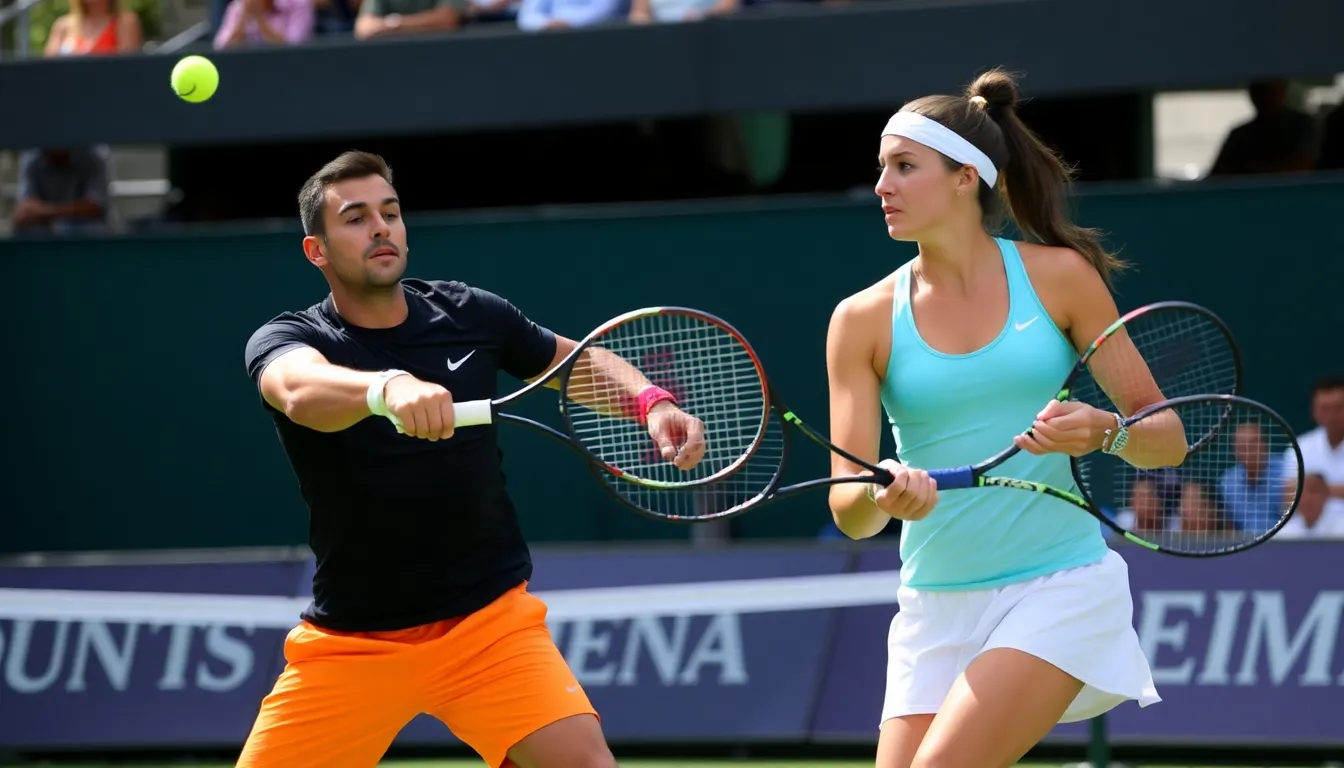
For the players, the stakes are not just about winning or losing; they also involve personal branding, financial incentives, and the pursuit of equality in sports. Kyrgios, known for his controversial style and outspoken nature, aims to leverage this event to further his brand while also promoting discussions around gender equality in tennis. Sabalenka, on the other hand, is keen on showcasing her skills and gaining recognition in a sport where female athletes often face scrutiny regarding their performance and marketability.
From a sponsorship perspective, brands affiliated with these athletes are interested in maximizing visibility and engagement. This event serves as a platform for them to associate with a progressive narrative, but it also raises questions about the implications of gender dynamics in sports marketing. Sponsors must navigate the potential backlash from either side, depending on public perception of the athletes’ performance and conduct.
Furthermore, the governing bodies of tennis have a vested interest in maintaining a balanced approach to gender representation in their events. This match could be seen as a step toward greater inclusivity, yet it also poses challenges in terms of regulatory frameworks and the potential for unequal treatment. The ATP and WTA must carefully consider how to manage public relations and uphold their values while fostering competition.
- Player Interests: Brand building, financial gain, and public perception.
- Sponsor Objectives: Visibility, engagement, and alignment with social issues.
- Governing Bodies’ Role: Ensuring fair representation and regulatory compliance.
- Public Reaction: The impact of gender dynamics on audience reception and support.
- Long-term Implications: Potential shifts in how mixed-gender events are perceived and organized.
Potential influence on gender dynamics in sports
The recent ‘Battle of the Sexes’ match, where Nick Kyrgios triumphed over Aryna Sabalenka, has significant implications for various groups, particularly athletes, sports organizations, and fans. This event could challenge traditional perceptions of gender roles in sports, sparking discussions about equality and representation in competitive arenas.
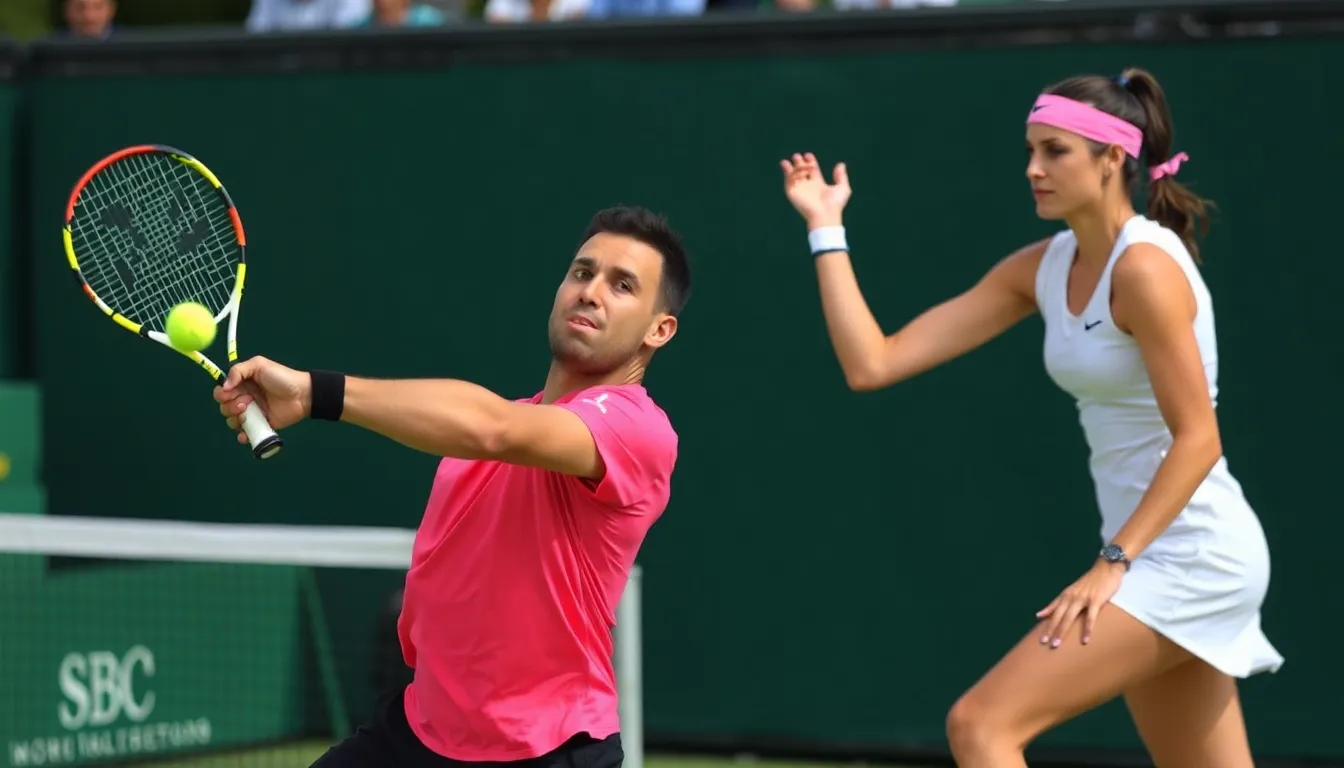
In the short term, the match may invigorate interest in mixed-gender competitions, potentially leading to increased viewership and attendance at events that feature both male and female athletes. This could positively impact sports marketing, as brands may seek to capitalize on the heightened visibility of gender-inclusive events.
However, there are risks associated with this newfound attention. Some traditionalists may resist the idea of mixed-gender competitions, fearing it could undermine the integrity of the sport. Additionally, there could be backlash against athletes who participate in such events, particularly if they are perceived as not adhering to conventional gender norms.
In the mid-term, the success of this match could prompt sports organizations to reevaluate their policies regarding gender representation. They may implement initiatives aimed at promoting inclusivity, which could lead to a broader range of opportunities for female athletes. This shift could also influence sponsorship deals, as companies look to align with progressive movements in sports.
- Increased visibility for female athletes
- Potential changes in sponsorship and marketing strategies
- Opportunities for mixed-gender events
- Challenges from traditionalists within the sports community
Overall, the outcomes of Kyrgios’s victory over Sabalenka could resonate beyond the court, affecting various sectors and potentially reshaping the landscape of sports for years to come.
A: The match was played in an exhibition format, allowing both players to showcase their skills in a relaxed environment. A: This match is seen as a landmark event aimed at promoting gender equality in sports, highlighting the capabilities of both male and female athletes. A: The audience was enthusiastic, with many fans expressing excitement over the unique matchup and the competitive spirit displayed. A: Kyrgios expressed respect for Sabalenka’s talent and emphasized the importance of equality in sports. A: While there are no official announcements yet, the positive reception suggests that similar events could be organized to further promote gender equality.
Frequently asked questions about the match
Looking ahead: implications of Kyrgios’s victory
Kyrgios’s triumph over Sabalenka in the ‘Battle of the Sexes’ not only highlights his exceptional talent but also raises several important questions about the future of mixed-gender competitions in professional sports. This match serves as a pivotal moment that could influence how audiences perceive gender dynamics in athletics, potentially encouraging more mixed events that challenge traditional boundaries.
As the conversation around gender equality in sports continues to evolve, Kyrgios’s win may inspire a new generation of athletes to embrace cross-gender competitions. Observers should consider how this victory impacts sponsorship opportunities, fan engagement, and the overall landscape of competitive sports moving forward.
- The success of mixed-gender events could lead to more inclusive tournaments, fostering greater fan interest and participation.
- Kyrgios’s performance may prompt discussions about the need for equal prize money and recognition across genders in sports.
- This match could serve as a blueprint for future mixed competitions, encouraging other sports to explore similar formats.
- Increased visibility of cross-gender competitions might attract diverse sponsorships, enhancing financial support for athletes.
- Fans may see a shift in how athletes are marketed, with a focus on skill and performance rather than gender alone.