


In 2023, various human rights organizations have documented alarming cases of abuse within ICE facilities, including inadequate medical care and excessive use of force. These incidents have sparked widespread outrage and calls for reform, highlighting the urgent need for accountability and transparency in the agency’s operations, as discussed in related articles about accountability in different sectors.
Deutch’s comments come amid a growing movement advocating for immigration reform and the protection of human rights. Activists and public figures alike are rallying to demand changes to policies that they argue contribute to systemic violence and discrimination against vulnerable populations.
The actress’s remarks resonate with many who feel disillusioned by the government’s response to these issues. As public awareness increases, the conversation surrounding ICE’s practices and their impact on American values continues to gain momentum, urging citizens to reevaluate the nation’s stance on immigration and human rights.
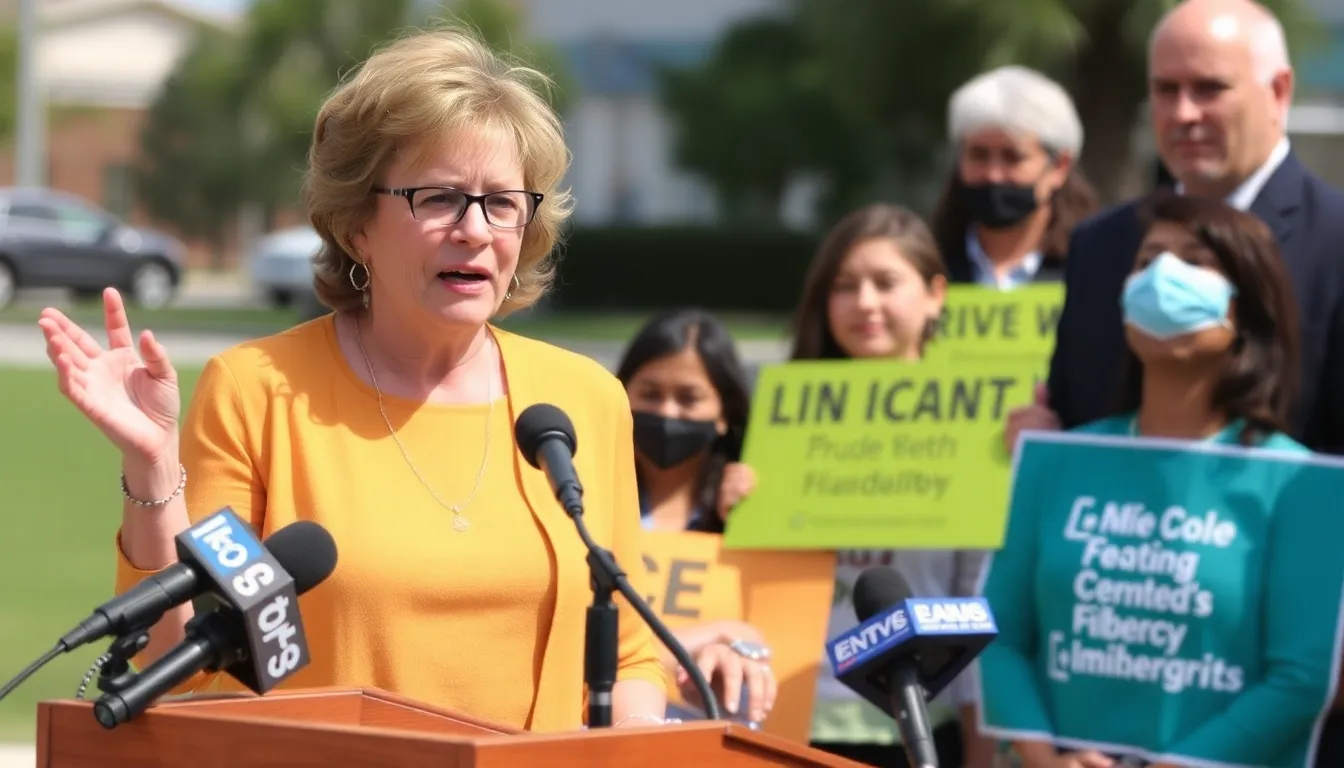
Understanding the background of ICE and its controversies
The U.S. Immigration and Customs Enforcement (ICE) agency was established in 2003 as part of the Department of Homeland Security, following the events of September 11, 2001. Its primary mission is to enforce immigration laws, investigate customs violations, and combat transnational crime. However, the agency has faced significant scrutiny and criticism over the years, particularly regarding its treatment of undocumented immigrants and its role in deportation practices.
One of the most controversial aspects of ICE’s operations is the use of detention centers, where individuals awaiting deportation are held. Reports of harsh conditions, inadequate medical care, and mistreatment have led to widespread public outcry. High-profile cases of brutality, including deaths in custody, have further fueled the debate over ICE’s practices and the moral implications of its enforcement tactics.
Key Milestones in ICE’s Controversies
Several key events have marked the timeline of ICE’s controversial practices. In 2014, the agency implemented a policy known as “Operation Cross Check,” which resulted in mass deportations and drew criticism for targeting individuals with no criminal records. The Trump administration’s “zero tolerance” policy in 2018, which led to the separation of families at the border, intensified public opposition and prompted widespread protests across the nation.
Activists and celebrities, including Zoey Deutch, have spoken out against ICE’s actions, emphasizing the need for reform and accountability. The growing awareness of these issues has sparked a broader conversation about immigration policy in the United States, which echoes the critical discussions found in other recent reports on societal accountability.
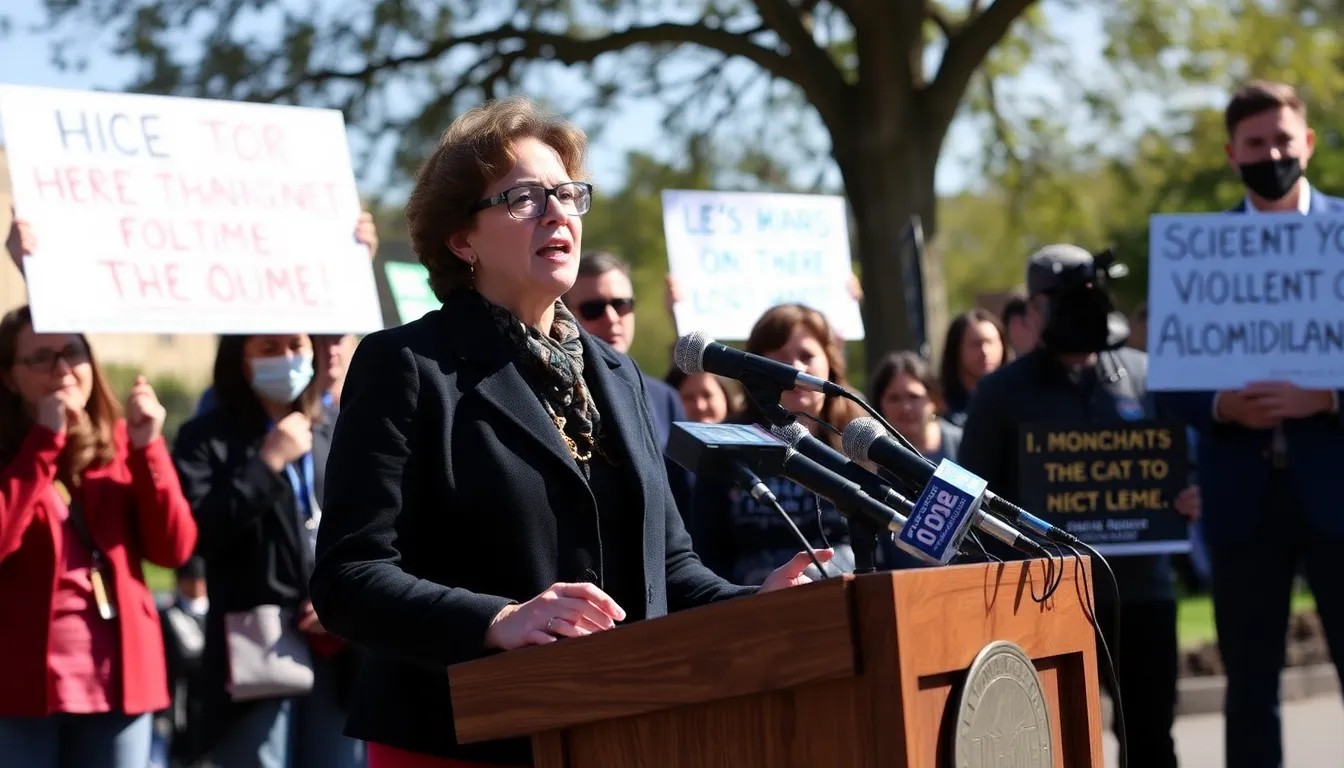
Examining the key issues surrounding ICE and public sentiment
The discussion surrounding U.S. Immigration and Customs Enforcement (ICE) has intensified, particularly in light of public figures like Zoey Deutch expressing their concerns. As a prominent actress, Deutch’s statements reflect a growing sentiment among many Americans who are troubled by the government’s handling of immigration enforcement and the associated allegations of brutality. This has led to a broader discourse on the role of ICE and its impact on communities across the nation.
Key stakeholders in this debate include the federal government, advocacy groups, and the general public. The federal government, particularly the Department of Homeland Security, is responsible for enforcing immigration laws and ensuring national security. Advocacy groups, such as the American Civil Liberties Union (ACLU) and various immigrant rights organizations, are focused on protecting the rights of individuals affected by ICE actions. Meanwhile, public sentiment varies widely, with some supporting strict immigration enforcement while others condemn the perceived inhumane treatment of immigrants.
- Public Sentiment: Many Americans are increasingly vocal about their disapproval of ICE’s tactics, leading to protests and calls for reform.
- Legal Challenges: Advocacy groups are pursuing legal avenues to challenge ICE practices, arguing they violate constitutional rights.
- Economic Implications: The enforcement policies can have far-reaching economic effects on local communities, particularly those reliant on immigrant labor.
- Political Divisions: Immigration remains a polarizing issue, with significant divisions between political parties affecting policy discussions.
- Human Rights Concerns: Reports of mistreatment and inhumane conditions in detention centers have raised serious ethical questions about ICE’s operations.
The conflicts arising from these issues highlight the complexities of immigration policy in the U.S. While some advocate for stricter enforcement to curb illegal immigration, others argue for a more humane approach that respects human rights and dignity. This ongoing debate is likely to shape the future of immigration policy and public perception of ICE in the coming years.
The effects of ICE policies on communities and individuals
The recent comments by Zoey Deutch regarding the handling of ICE brutality highlight the profound impact these policies have on various groups across the United States. Immigrant communities, particularly those from Latin America, are directly affected by the aggressive enforcement tactics employed by ICE, as chronicled in various investigative reports.
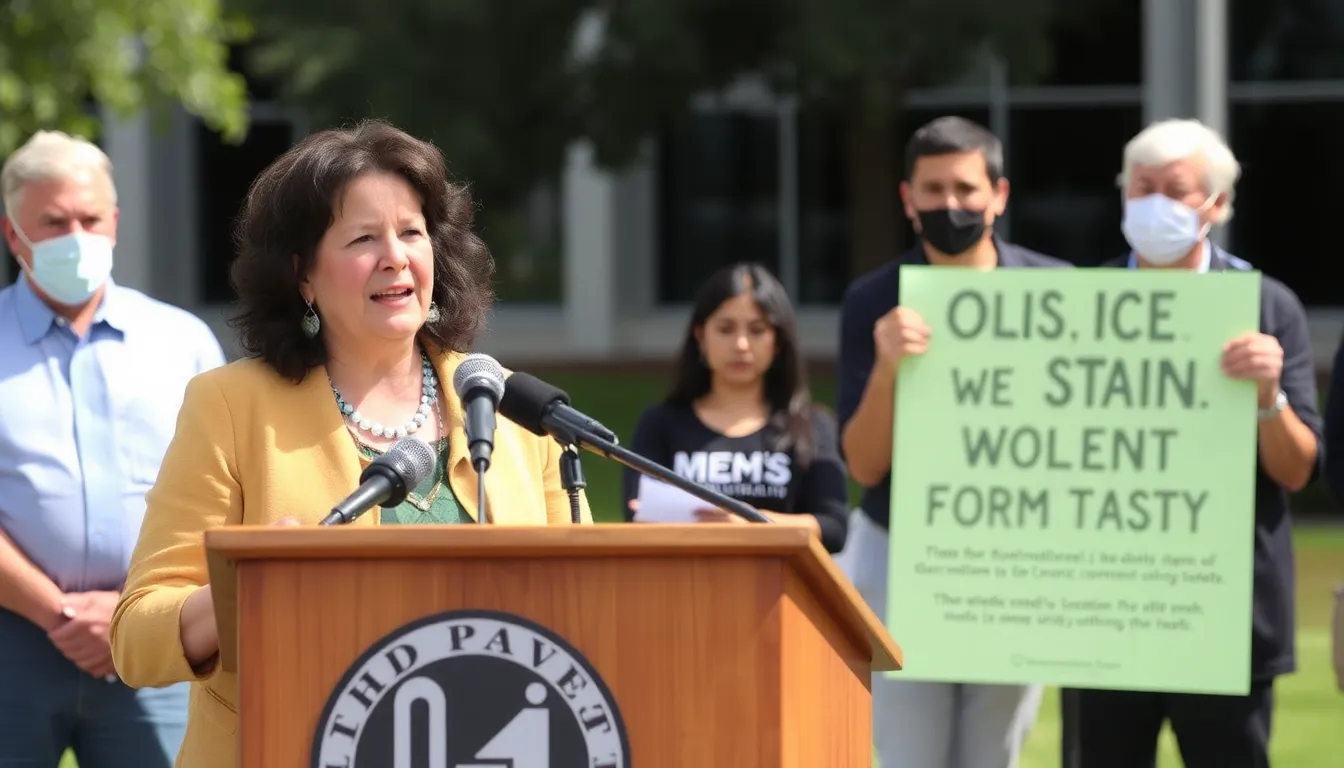
In the short term, the backlash against ICE policies may lead to increased protests and community organizing efforts. Local businesses that rely on immigrant labor may experience disruptions as workers become hesitant to engage in their jobs due to fears of detention or deportation. This can lead to a decrease in productivity and economic stability in regions heavily populated by immigrant workers.
In the mid-term, the ongoing scrutiny of ICE practices could prompt legislative changes aimed at reforming immigration policies. This shift may create opportunities for advocacy groups and legal services that support immigrants, allowing them to expand their reach and services. However, it also poses risks for businesses that may face stricter regulations regarding employment verification and compliance.
- Communities: Increased fear and anxiety among immigrant populations.
- Businesses: Potential labor shortages and economic instability.
- Policy: Possible reforms leading to more stringent regulations.
- Advocacy: Growth in organizations supporting immigrant rights.
The ripple effects of these policies extend beyond immediate communities, influencing public perception and national discourse on immigration. As more individuals speak out against ICE’s actions, there may be a cultural shift in how immigration is viewed, potentially leading to a more inclusive dialogue about the role of immigrants in American society.
A: ICE, or Immigration and Customs Enforcement, is a U.S. federal agency responsible for enforcing immigration laws. It is controversial due to its aggressive tactics and reports of human rights abuses. A: Zoey Deutch has used her platform to raise awareness about ICE brutality, expressing her feelings of shame and calling for accountability and reform. A: Examples include reports of excessive force during arrests, family separations, and poor conditions in detention centers. A: Individuals can advocate for policy changes, support organizations working for immigrant rights, and participate in peaceful protests. A: Public sentiment can significantly influence government policies, as elected officials often respond to the concerns and activism of their constituents.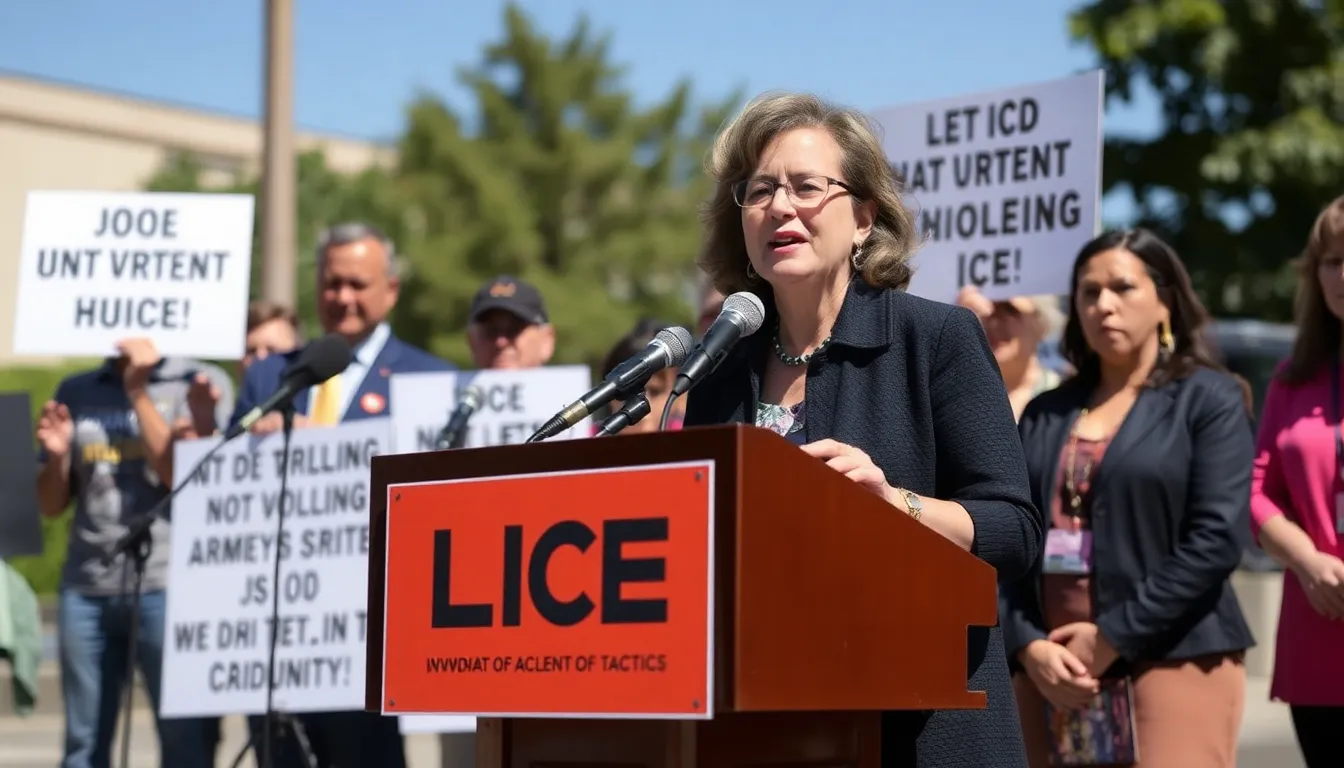
Frequently asked questions about ICE and public reactions
Key takeaways and future outlook on ICE reforms
Zoey Deutch’s candid remarks shed light on the growing discontent regarding the treatment of individuals by ICE and the broader implications of such actions on American values. As public awareness increases, it is crucial to consider how these sentiments may influence policy reforms and societal attitudes towards immigration enforcement. The call for accountability and humane treatment of all individuals highlights a pivotal moment in the ongoing discourse surrounding immigration in the United States.
Moving forward, the intersection of celebrity influence and public policy could play a significant role in shaping future reforms. As more voices join the conversation, it is essential to monitor how these discussions translate into tangible changes within the immigration system.
- Increased public advocacy for ICE reform may lead to legislative changes aimed at improving treatment standards.
- Heightened media scrutiny could result in more transparent practices within ICE and other immigration enforcement agencies.
- Public sentiment may shift towards more humane immigration policies, influencing future elections and policymaking.
- Celebrity involvement in social issues can mobilize younger demographics, potentially reshaping the political landscape.
- Ongoing dialogues about national identity and values may redefine the American narrative regarding immigration and human rights.