


This request comes as the gaming industry increasingly recognizes the importance of localization and cultural adaptation in character design.
Core Design’s team is now faced with the challenge of balancing artistic integrity and market demands. The discussions around Lara Croft’s design have sparked debates within the community about the implications of altering iconic characters to fit regional preferences.
As the gaming landscape evolves, the response to this feedback could set a precedent for how future titles approach character design and localization. This situation underscores the ongoing dialogue between developers and publishers regarding the representation of characters in a global market.
Understanding the cultural differences in gaming preferences
The video game industry has long been influenced by cultural nuances that shape consumer preferences across different regions. In the 1990s, as gaming began to gain global traction, developers quickly realized that character design and storytelling needed to resonate with local audiences. This was particularly evident in the case of Core Design’s iconic character, Lara Croft, who was initially developed for a Western audience but faced pressure to adapt for the Japanese market.

As a result, Core Design’s Japanese publisher expressed a desire for modifications to Lara Croft’s model, aiming to enhance her appeal to local gamers, reflecting the unique aesthetics of Japan’s gaming culture.
The Impact of Market Expectations
This push for change highlights the broader economic and social dynamics at play in the gaming industry. The late 1990s marked a period of intense competition among gaming companies, with Japanese firms like Nintendo and Sony dominating the market. As a response, Western developers sought to penetrate this lucrative market, often needing to adjust their products to meet local tastes. The request to alter Lara Croft’s appearance was not merely about aesthetics; it was a strategic move to align with market expectations and maximize sales potential in Japan.
Moreover, this situation reflects a historical precedent where cultural adaptation became essential for international success. Games like “Final Fantasy” and “Street Fighter” have successfully navigated these cultural waters by incorporating elements that appeal to both Eastern and Western audiences. Core Design’s experience with Lara Croft serves as a reminder of the ongoing necessity for developers to understand and respect cultural differences in their quest for global relevance.
Examining the stakeholders and their interests in the model change
The proposed changes to Lara Croft’s character model by Core Design’s Japanese publisher highlight a complex web of stakeholders, each with distinct interests. The primary actors include Core Design, the Japanese publisher, the gaming community, and cultural critics. Each of these groups plays a vital role in shaping the narrative around the character and the broader implications of such design changes.
Core Design, the developer behind the Tomb Raider franchise, is focused on maintaining the series’ global appeal while also catering to regional markets. The Japanese publisher, on the other hand, is driven by the desire to enhance sales in a competitive market by adapting the character to align with local cultural preferences. This desire can lead to a potential conflict between artistic integrity and commercial viability.

The gaming community represents a diverse audience with varying opinions on character design. Some players may welcome the changes as a way to increase relatability and cultural resonance, while others may view it as a dilution of the original character’s identity. This divergence in opinion can create a significant trade-off for Core Design as they navigate the balance between innovation and tradition.
- Artistic Integrity: Maintaining the original vision of Lara Croft versus adapting her for market demands.
- Market Dynamics: The need to boost sales in Japan while preserving the franchise’s global identity.
- Cultural Sensitivity: Understanding and respecting Japanese cultural norms in character representation.
- Community Response: The potential backlash from loyal fans against perceived changes to a beloved icon.
- Legal Considerations: Navigating copyright and trademark implications of altering a well-established character.
In addition to these interests, there are broader economic implications at play. The gaming industry is increasingly competitive, and the ability to adapt to local markets can significantly impact a game’s success. However, this adaptation must be carefully managed to avoid alienating existing fans who may feel a deep connection to the character as originally conceived.
Potential effects on the gaming market and player reception
This change primarily affects game developers, publishers, and the gaming community, particularly in Japan and Western markets, echoing the competitive landscape similarly seen in other industries.
In the short term, the gaming industry may experience a shift in consumer behavior as players react to the redesigned character. This could lead to a temporary decline in sales for the original title, as fans of the franchise may feel alienated by the changes. Conversely, it may attract new players in Japan who prefer the revised aesthetic, thus expanding the game’s audience.
- Potential alienation of existing Western fans.
- Increased sales in the Japanese market.
- Shifts in marketing strategies for future titles.
In the mid-term, the impact on daily life and business could manifest in how gaming companies approach character design and localization. Developers might adopt more culturally sensitive strategies, leading to a more diverse gaming landscape that reflects various cultural aesthetics. This could open up opportunities for collaboration between Western and Eastern game studios.

However, there are risks associated with such changes. If the modifications are perceived as pandering or inauthentic, it could backfire, damaging the brand’s reputation. Additionally, there is the potential for backlash from fans who feel that the essence of the character has been compromised in favor of market trends.
Overall, while there are challenges to navigate, the situation presents opportunities for innovation in character design and marketing strategies that could benefit the gaming industry as a whole, fostering a more inclusive environment for players worldwide.
A: The publisher believes that altering Lara Croft’s appearance could enhance her appeal to the Japanese market, which has different cultural preferences compared to Western audiences. A: While specific details have not been disclosed, the changes are expected to align more closely with aesthetic preferences prevalent in Japanese gaming culture. A: If the changes resonate well with Japanese players, it could lead to increased sales and a stronger fanbase, but it risks alienating existing fans in other regions. A: Yes, there have been several instances where game characters were modified for different markets, reflecting the importance of cultural sensitivity in game design. A: Changing a beloved character could lead to backlash from long-time fans, potentially harming the franchise’s reputation if not handled carefully.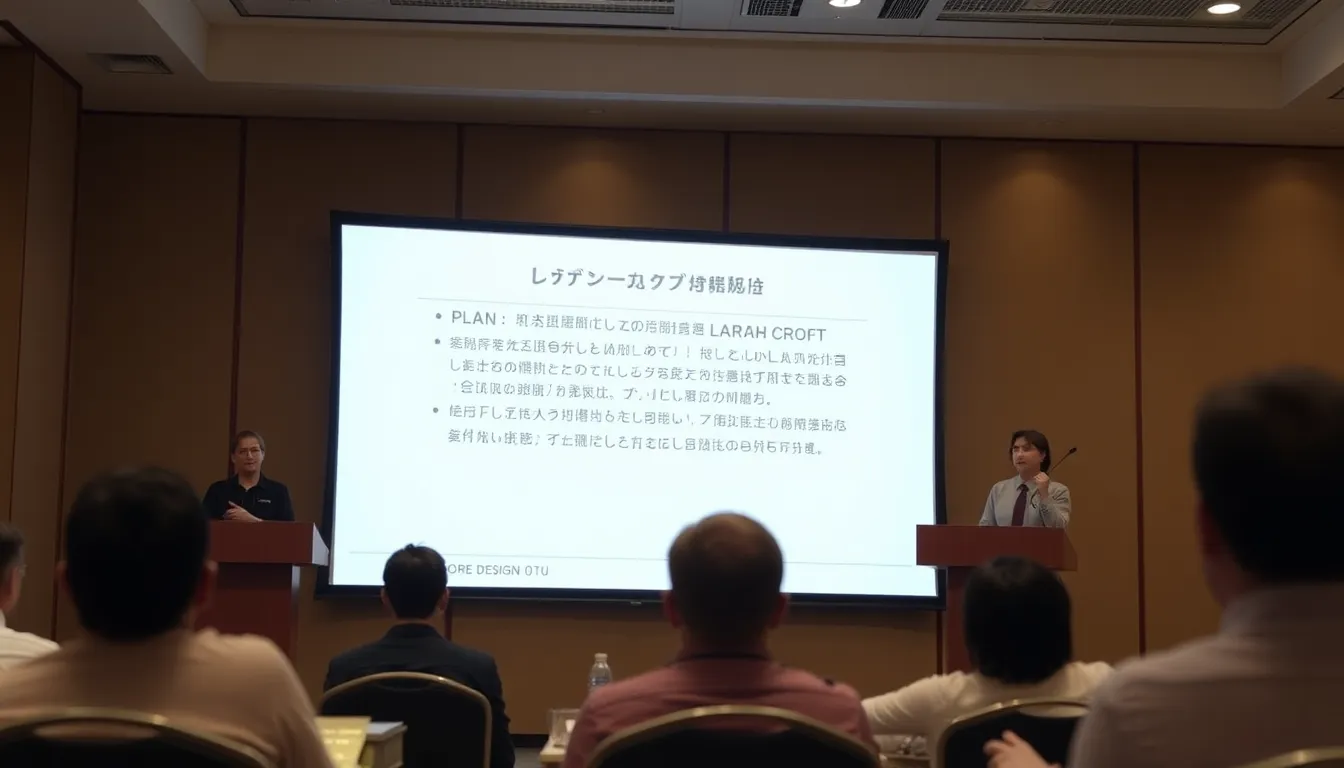
Frequently Asked Questions about the model change
Key takeaways and future implications of the model change
The decision by Core Design’s Japanese publisher to request modifications to Lara Croft’s model highlights the cultural sensitivities that can influence character design in the gaming industry. This move underscores the importance of understanding regional preferences and the potential impact on a game’s reception in diverse markets. As gaming continues to globalize, developers may need to navigate these cultural nuances more delicately to ensure broad appeal.
Looking ahead, it is crucial for game developers to consider how character representation can resonate with different audiences. This approach not only fosters inclusivity but also enhances marketability in various regions. The balance between artistic vision and audience expectations will likely play a significant role in shaping future game development strategies.
- Monitor how character design changes influence sales and audience reception in different regions.
- Consider implementing cultural consultants early in the design process to guide character development.
- Evaluate the effectiveness of localized marketing strategies that align with character modifications.
- Observe trends in character design preferences across different markets to inform future projects.
- Assess the potential backlash or support from fans regarding changes to beloved characters.