


The significance of these findings extends beyond mere artistry; they offer crucial insights into the cognitive and cultural development of early humans. The hand shapes, which were created using natural pigments, suggest that our ancestors engaged in symbolic communication much earlier than previously thought. This has implications for the study of human evolution and the emergence of complex social behaviors, as highlighted in articles about the oldest cave painting.
In addition to the hand stencils, the research team, led by archaeologist Adam Brumm, has emphasized the importance of the location itself. The Leang Tedong cave is part of a broader network of rock art sites in Indonesia, which are increasingly recognized as key to understanding prehistoric human life in the region. The findings were published in the journal Nature and have sparked interest among scholars and the public alike.
As researchers continue to explore these ancient sites, the potential for further discoveries remains high. The ongoing study of rock art not only enriches our understanding of human history but also highlights the need for preservation efforts in areas that are vulnerable to environmental and human threats. The recognition of Indonesia’s role in the narrative of early human creativity marks a significant shift in the study of prehistoric art.
Understanding the significance of rock art in human history
Rock art has served as a vital window into the lives and thoughts of early humans, offering insights into their cultures, beliefs, and environments. Over the millennia, these artworks have been found across the globe, from the cave paintings of Lascaux in France to the petroglyphs of the American Southwest. The discovery of the hand shape in an Indonesian cave, potentially the world’s oldest known rock art, adds a significant chapter to the narrative of human creativity and expression, similar to the discoveries mentioned in the article on the oldest cave painting.
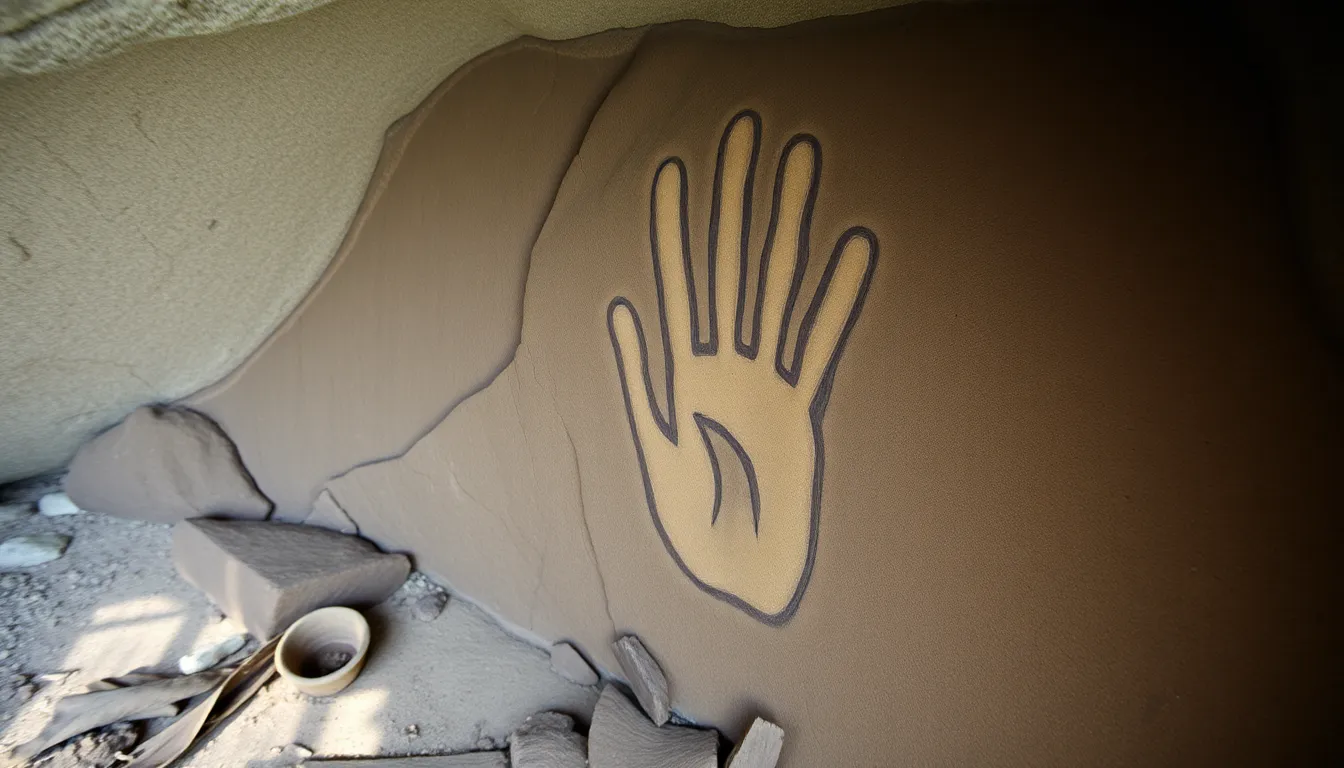
The hand shape, believed to be over 40,000 years old, underscores the deep-rooted tradition of artistic expression among early hominins. This art form not only illustrates the aesthetic capabilities of our ancestors but also serves as a form of communication and identity. Such findings challenge previous assumptions about the timeline of artistic development and suggest that these creative practices may have emerged independently in various parts of the world.
Historical Context of Rock Art
The origins of rock art can be traced back to prehistoric times, when early humans began to leave their mark on the world. In Indonesia, the discovery of this ancient hand shape aligns with other significant archaeological findings in the region, which have revealed a rich tapestry of human activity. The islands of Indonesia have long been a crossroads of migration and cultural exchange, making them a critical area for understanding human evolution and the spread of artistic practices.
As researchers continue to explore these caves and other archaeological sites, they are piecing together the social and economic structures of early human societies. The presence of such art indicates not only a capacity for creativity but also the existence of social groups that valued expression, possibly for ritualistic purposes or as a means of marking territory. The implications of this discovery extend beyond art history, prompting discussions about the cognitive abilities of early humans and their social interactions.
Overall, the hand shape in the Indonesian cave is more than just a piece of art; it represents a significant milestone in our understanding of human history. As we delve deeper into the past, each discovery enriches our knowledge of how early humans lived, communicated, and expressed themselves, ultimately shaping the course of human civilization.
Key stakeholders and implications of the discovery
The discovery of the hand shape in an Indonesian cave, potentially the world’s oldest known rock art, involves several key stakeholders, each with distinct interests. These include archaeologists, local communities, government bodies, and cultural heritage organizations. Each group plays a crucial role in how this find is perceived, preserved, and utilized in both academic and tourism contexts.
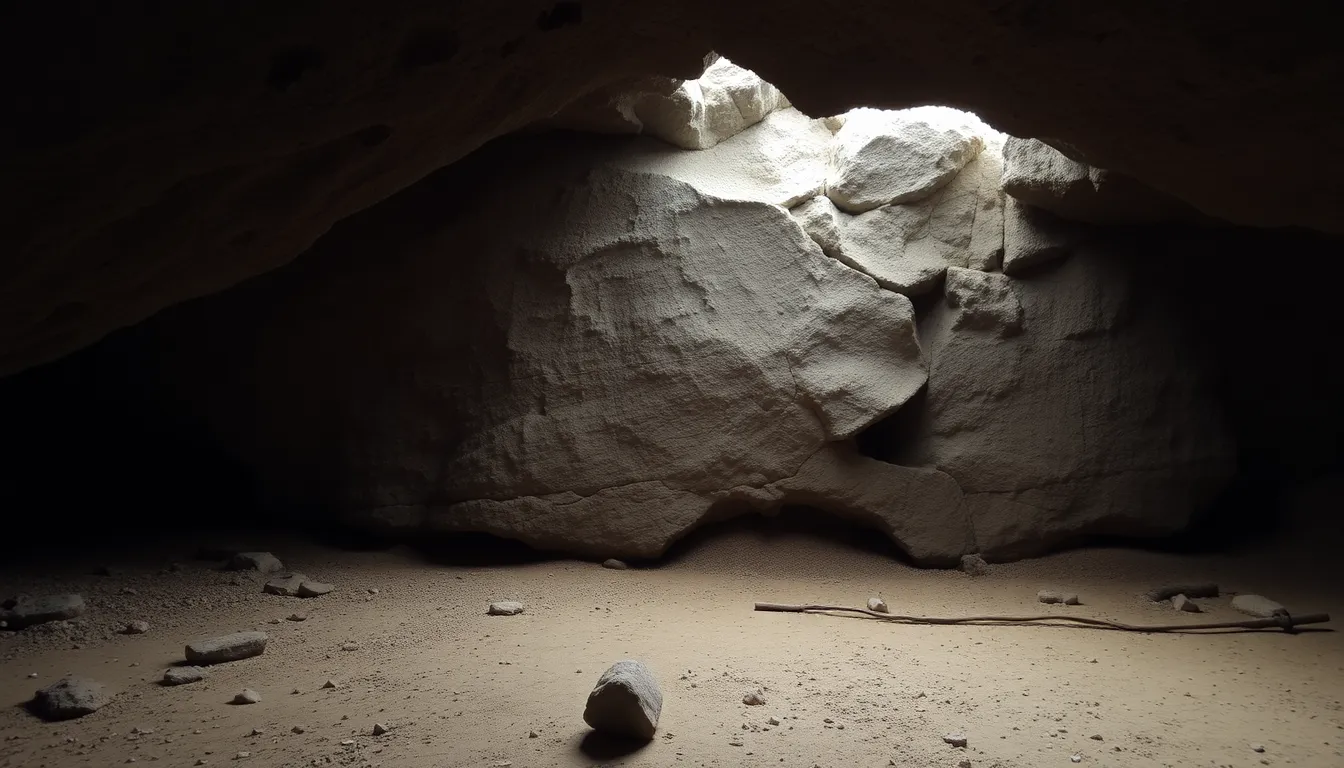
Archaeologists are primarily interested in the historical significance of the artwork, as it provides insight into early human expression and cultural practices. Their goal is to study the art in detail, potentially leading to new understandings of prehistoric life. Local communities, on the other hand, may view the discovery as a source of pride and cultural identity, but they also face the challenge of balancing preservation with the economic opportunities that tourism can bring.
Government bodies, particularly those in Indonesia, have a vested interest in the site for both cultural heritage and economic reasons. They must navigate the complexities of protecting the site while promoting it as a tourist attraction. This raises potential conflicts over land use, conservation efforts, and the rights of local communities. Key legal issues may arise regarding the ownership of the site and the management of archaeological findings.
- Economic Implications: The potential for increased tourism could boost local economies, but it also risks damaging the site if not managed properly.
- Cultural Heritage Protection: Ensuring the preservation of the artwork while allowing for public access presents a significant challenge.
- Academic Research: The interest from the academic community may lead to further excavations, which could impact the site’s integrity.
- Local Community Rights: Engaging local communities in the decision-making process is crucial to ensure their interests are respected.
In this context, the discovery of the hand shape not only highlights the importance of archaeological finds but also underscores the need for a collaborative approach among all stakeholders to balance preservation, research, and economic development. The implications of this find extend beyond academic circles, influencing cultural identity and community engagement in Indonesia, echoing themes found in the exploration of human creativity.
Potential effects on archaeology and cultural heritage
The discovery of the hand shape in an Indonesian cave, potentially the world’s oldest known rock art, has significant implications for various groups, including archaeologists, historians, and indigenous communities. This finding not only enriches our understanding of prehistoric human behavior but also raises awareness about the importance of preserving cultural heritage sites.
In the short term, local tourism industries may experience a boost as the cave becomes a point of interest for researchers and tourists alike. This influx can lead to increased economic activity in the region, benefiting local businesses such as hotels, restaurants, and tour operators. However, there are risks associated with increased foot traffic, including potential damage to the site and the surrounding environment.
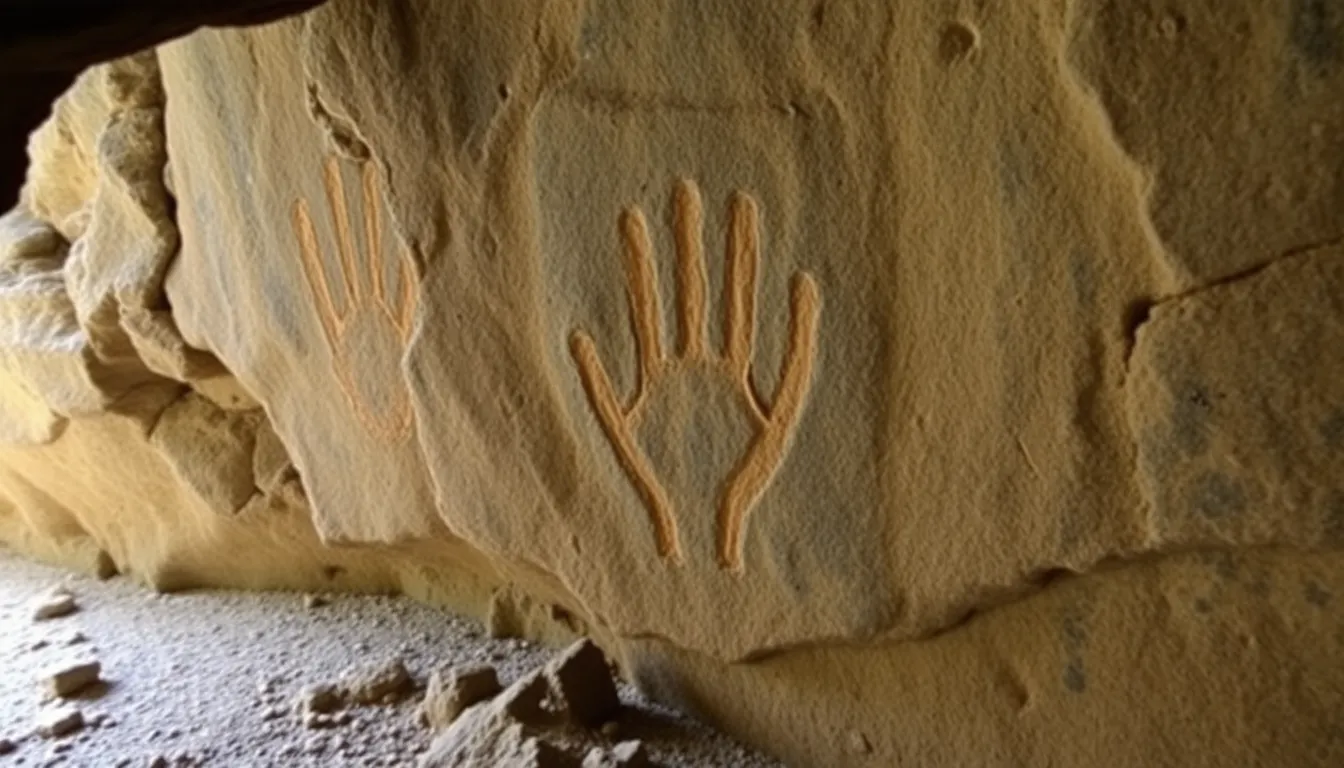
In the mid-term, the discovery could influence policy decisions regarding cultural preservation and archaeological funding. Governments and organizations may allocate more resources to protect such sites, leading to stricter regulations on land use and tourism in sensitive areas. This could also create opportunities for educational programs aimed at raising awareness about the significance of rock art and cultural heritage.
- Economic Impact: Boost in local tourism and related businesses.
- Cultural Awareness: Increased focus on preserving cultural heritage.
- Policy Changes: Potential for new regulations and funding for archaeological sites.
- Environmental Risks: Threats to the site from increased visitation.
Moreover, the involvement of indigenous communities in the interpretation and preservation of the site can empower these groups and foster a greater appreciation for their cultural narratives. This collaboration can lead to a more inclusive approach to heritage management, ensuring that local voices are heard in the ongoing discourse surrounding archaeological discoveries.
A: The hand shape is believed to be a form of ancient expression, possibly indicating the presence of early human creativity and communication. A: Researchers discovered the rock art during an archaeological expedition in a remote cave in Indonesia, utilizing advanced dating techniques. A: This discovery is crucial as it may push back the timeline of human artistic expression and provide insights into early human culture. A: Yes, there have been other significant rock art findings in Indonesia and surrounding areas, but this hand shape is particularly noteworthy for its age. A: The rock art was dated using radiocarbon dating and other archaeological techniques to establish its age accurately.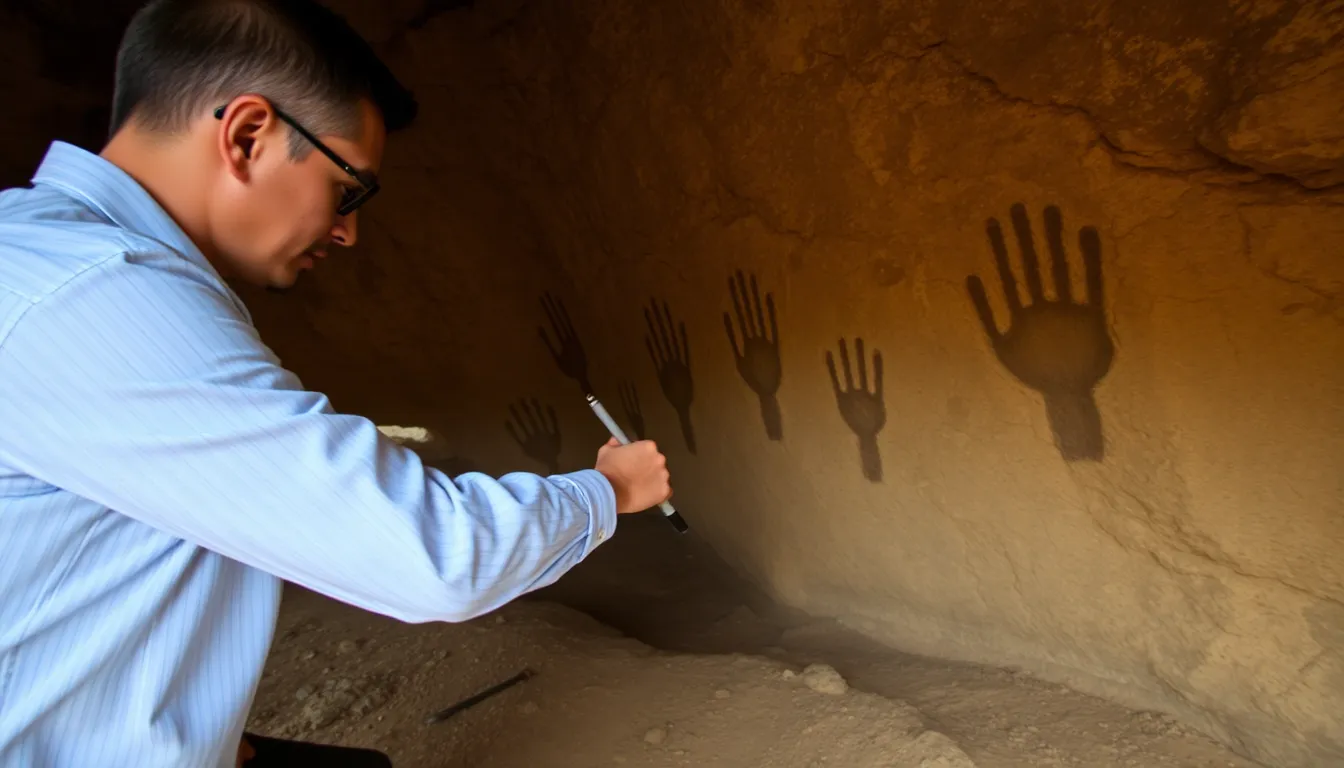
Frequently asked questions about the rock art discovery
Key insights and future implications of the findings
The discovery of the hand shape in the Indonesian cave not only pushes back the timeline for known rock art but also opens new avenues for understanding early human creativity and social interactions. This finding suggests that artistic expression may have been a significant aspect of human life much earlier than previously thought, indicating a complex cultural evolution among early hominins.
As researchers continue to study this site and similar locations, the potential for uncovering more ancient artworks could reshape our understanding of prehistoric societies. The implications of these findings extend beyond archaeology, prompting discussions about the cognitive and social development of early humans, and how such expressions may have influenced communal identities and relationships.
- Continued exploration of Indonesian caves may reveal additional artworks, further enriching the narrative of human history.
- Interdisciplinary studies combining archaeology, anthropology, and cognitive science could provide deeper insights into the motivations behind early artistic expression.
- This discovery may encourage a reevaluation of the timeline of human creativity and cultural development across different regions.
- Public interest in ancient art could lead to increased funding and support for archaeological research and preservation efforts.
- Future findings may challenge existing theories about the migration and interaction of early human populations across continents.