


The actress, who grew up in a Manchester estate, has become a symbol of inspiration for many aspiring actors, particularly within the Black community in the UK. Her journey from humble beginnings to international acclaim highlights the importance of representation in film and television.
This nomination is not only a personal milestone for Mosaku but also a reflection of the evolving landscape of the film industry, where diverse talents are increasingly being recognized. The significance of her achievement resonates beyond the awards, as it opens doors for future generations of actors from underrepresented backgrounds.
As the awards season progresses, Mosaku’s story is being celebrated across various media platforms, drawing attention to the challenges and triumphs faced by artists of color. Her rise serves as a reminder of the power of storytelling and the impact of diverse voices in shaping cultural narratives.
Understanding Wunmi Mosaku’s background and early life in Manchester
Wunmi Mosaku’s journey from the streets of Manchester to the glitz of an Oscar nomination is a compelling narrative that reflects broader themes of migration, cultural identity, and the pursuit of dreams. Born in Nigeria, Mosaku moved to the UK at a young age, settling in Manchester, a city known for its rich industrial heritage and vibrant multicultural community. This backdrop played a significant role in shaping her artistic sensibilities and aspirations, much like the creative environment that fosters emerging talents.
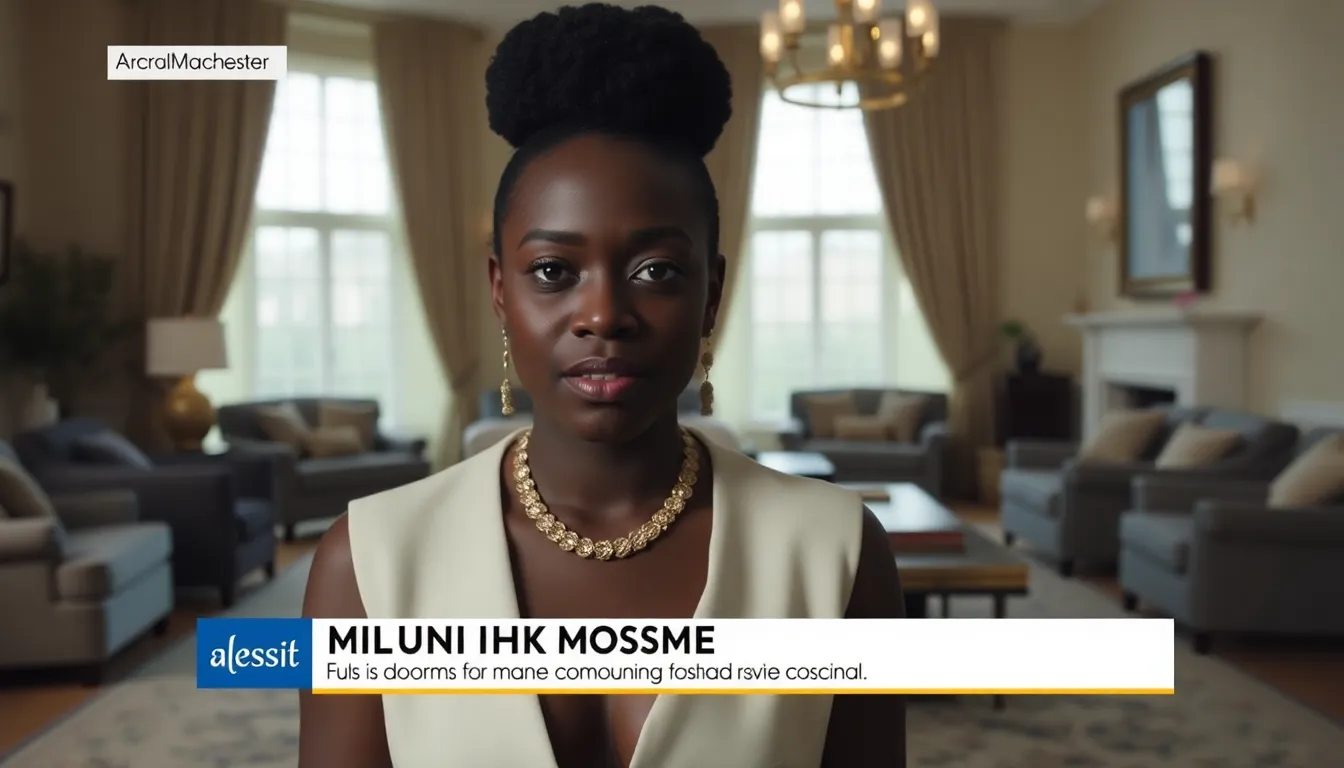
Growing up in a working-class estate, Mosaku faced the challenges of economic disparity and social mobility that many families in similar circumstances encounter. The estate life in Manchester, often marked by limited resources and opportunities, instilled in her a resilience and determination to succeed. The city itself, with its diverse population and burgeoning arts scene, provided a fertile ground for her talents to flourish.
The Influence of Manchester’s Arts Scene
Manchester has long been a hub for creative expression, with institutions like the Royal Exchange Theatre and the Manchester International Festival showcasing local talent. Mosaku was inspired by the stories and performances she encountered, which helped her realize her passion for acting. This environment not only nurtured her skills but also connected her with mentors and peers who encouraged her to pursue a career in the arts, similar to the innovative journeys of various talent showcased in local theatre groups.
In her formative years, Mosaku participated in various local theater productions, gaining invaluable experience and recognition. These early performances laid the groundwork for her later successes, including roles in critically acclaimed television series and films. Each milestone in her career has been a testament to her hard work and the support of her community, underscoring the importance of representation and opportunity in the arts.
As Mosaku’s profile grew, so did her ability to navigate the complexities of the entertainment industry, which has historically been challenging for actors from underrepresented backgrounds. Her Oscar nomination serves not only as a personal achievement but also as a symbol of progress within the industry, highlighting the importance of diversity and inclusion in storytelling.
Key factors contributing to Wunmi Mosaku’s success in the film industry
Wunmi Mosaku’s rise from a Manchester estate to an Oscar nomination highlights a multitude of stakeholders and factors that have played significant roles in her journey. The primary actors in this narrative include Mosaku herself, film production companies, talent agencies, and the broader film industry, which encompasses both local and international markets.
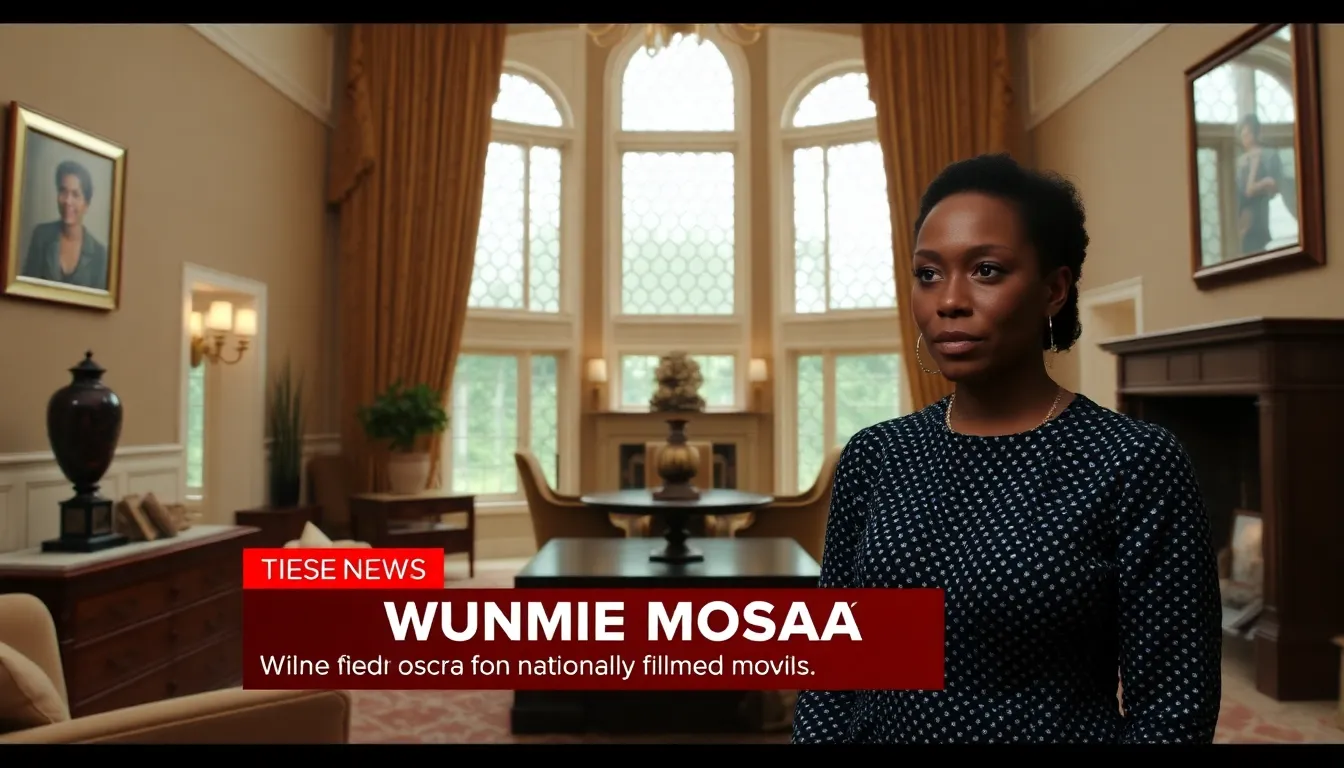
One of the key stakeholders is Wunmi Mosaku, whose talent and dedication have been pivotal in her success. Her background and experiences have shaped her unique perspective, allowing her to bring authenticity to her roles. The film industry, represented by various production companies and directors, has a vested interest in discovering and nurturing diverse talent to appeal to a global audience.
Another important actor is the British film industry, which has been increasingly supportive of underrepresented voices. This shift is partly driven by changing audience expectations and a growing recognition of the economic benefits of diversity in storytelling. However, this progress can also lead to conflicts, as traditional narratives and established actors may feel threatened by the rise of new talent.
Legal and economic issues also come into play, particularly concerning funding and support for independent films. The availability of grants and initiatives aimed at promoting diversity can create opportunities for emerging actors like Mosaku. Yet, competition for these resources can be fierce, and not all deserving projects receive the necessary backing.
- Talent Development: The role of talent agencies in promoting emerging actors.
- Diversity Initiatives: The impact of industry programs aimed at supporting underrepresented voices.
- Economic Factors: The significance of funding and grants for independent films.
- Audience Expectations: Changing viewer preferences for diverse storytelling.
- Traditional vs. New Narratives: Conflicts between established actors and emerging talent.
The influence of Wunmi Mosaku’s achievements on aspiring actors
Wunmi Mosaku’s journey from a Manchester estate to an Oscar nomination has resonated deeply within various communities, particularly among aspiring actors from underrepresented backgrounds. Her success serves as a beacon of hope, showcasing the potential for individuals from similar circumstances to break into the competitive film industry. This influence extends beyond just aspiring actors; it impacts educational institutions, local communities, and the broader entertainment industry.
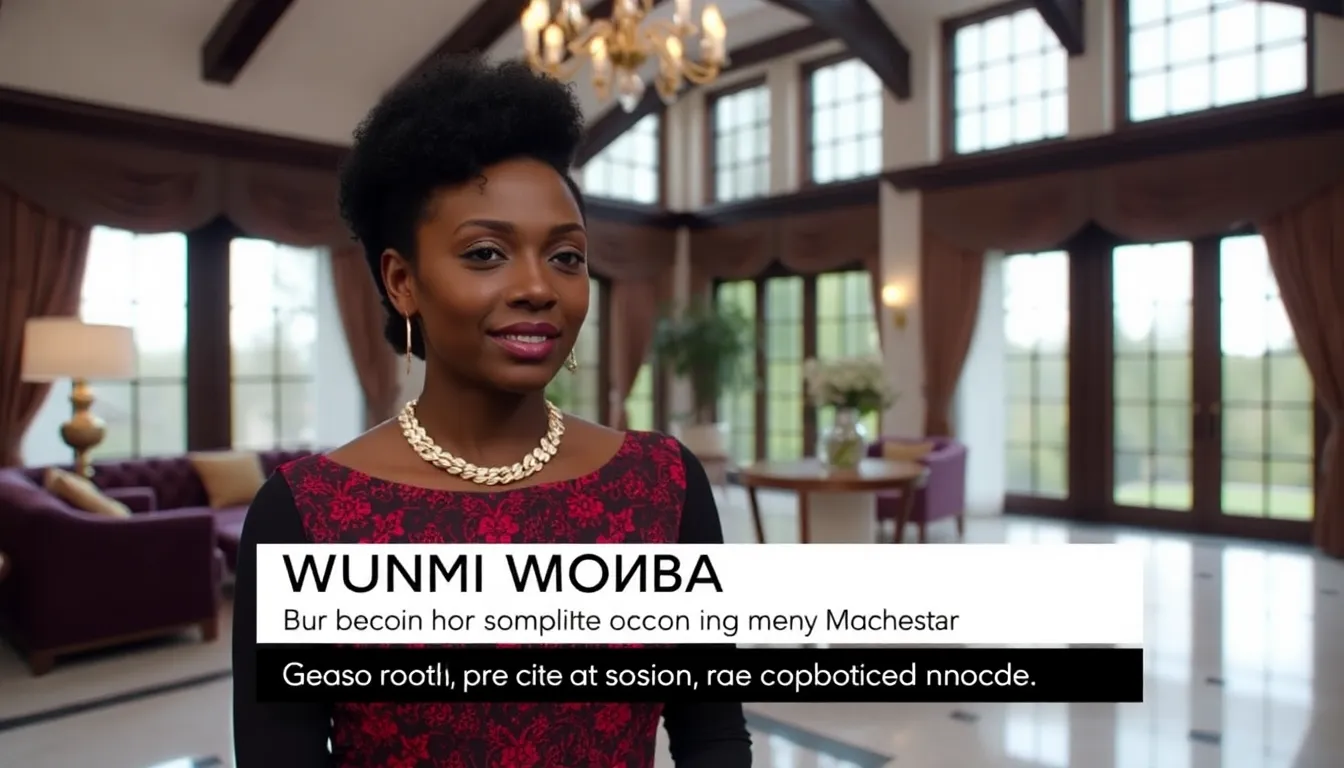
In the short term, Mosaku’s achievements may inspire a surge in interest in drama schools and acting workshops, particularly in regions with high unemployment rates. Young people may feel encouraged to pursue careers in the arts, leading to increased enrollment in performing arts programs. This shift can foster a new generation of talent, potentially revitalizing local economies through increased participation in cultural activities.
However, there are risks associated with this newfound interest. The entertainment industry is notoriously competitive, and while Mosaku’s story may inspire many, it may also lead to disillusionment among those who do not achieve similar recognition. There is a potential for increased pressure on educational institutions to deliver successful outcomes, which could strain resources and lead to unrealistic expectations from students and parents alike.
In the mid-term, the ripple effects of Mosaku’s success could lead to policy changes within the entertainment industry. There may be a push for greater diversity and inclusion initiatives, as her story highlights the importance of representation. This could encourage production companies to invest in projects that feature underrepresented voices, opening doors for a wider range of stories to be told.
- Increased interest in performing arts education: More young people may pursue acting, leading to higher enrollment in drama schools.
- Potential for economic revitalization: Local communities may benefit from increased cultural activities and events.
- Pressure on educational institutions: A surge in interest could strain resources and lead to heightened expectations.
- Diversity initiatives: Mosaku’s success may prompt industry-wide changes to promote inclusivity.
Ultimately, while Wunmi Mosaku’s achievements present both challenges and opportunities, her impact on aspiring actors and the broader entertainment landscape is undeniable. The conversation surrounding representation and access to the arts is likely to evolve, driven by her inspiring narrative.
A: Wunmi Mosaku is known for her roles in acclaimed projects such as ‘Lovecraft Country’ and ‘His House’, which showcased her exceptional talent and versatility. A: Wunmi Mosaku began her acting career in theatre before transitioning to television and film, where she quickly gained recognition for her performances. A: Like many actors, Wunmi faced challenges including competition, typecasting, and the struggle to find roles that reflected her identity, but she persevered through hard work and determination. A: Wunmi’s journey serves as an inspiration for young actors, particularly those from underrepresented backgrounds, showing that success is possible with talent and resilience. A: Yes, Wunmi Mosaku has received several awards and nominations, including her recent Oscar nomination, which highlights her significant contributions to the film industry.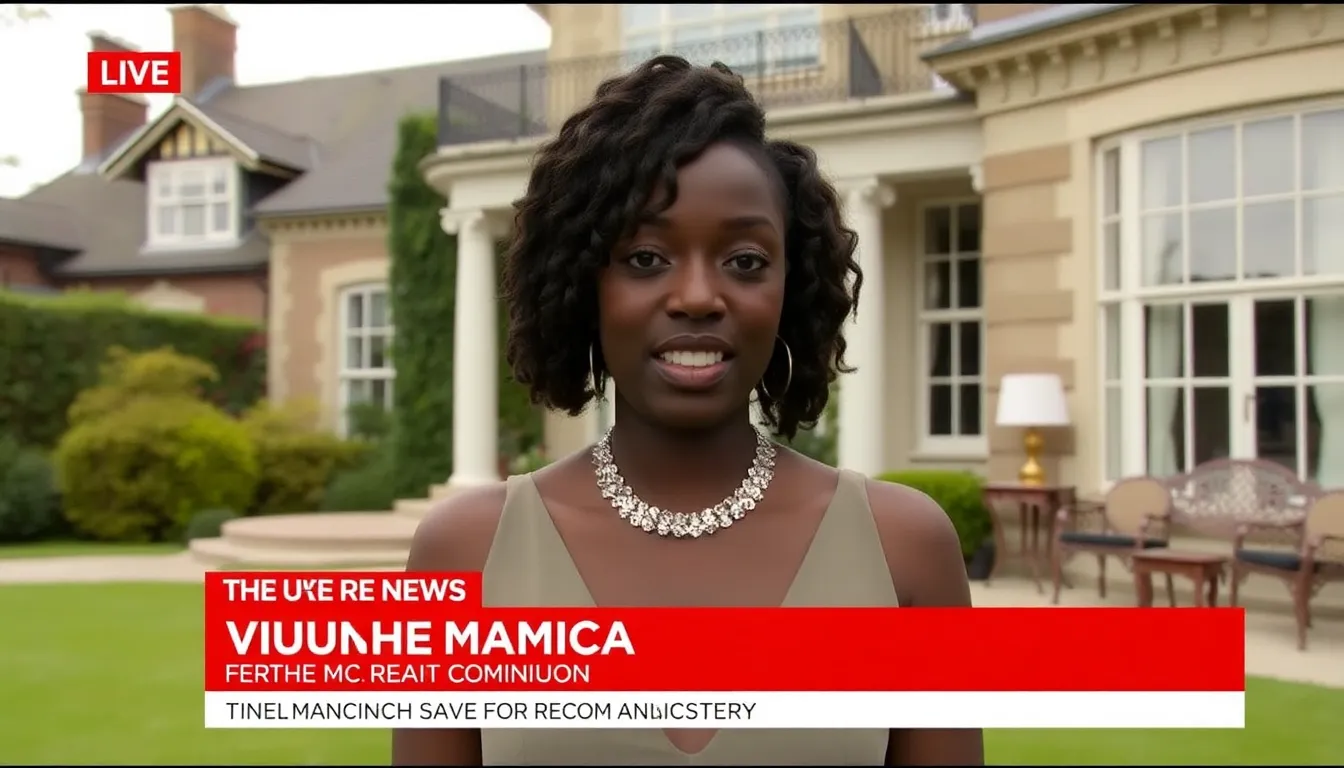
Frequently asked questions about Wunmi Mosaku’s career
Looking ahead: The future of Wunmi Mosaku in the film industry
Wunmi Mosaku’s journey from a Manchester estate to becoming an Oscar nominee highlights the transformative power of talent and perseverance in the film industry. As she continues to gain recognition, her career trajectory may inspire a new generation of actors from diverse backgrounds, emphasizing the importance of representation in storytelling. The industry’s evolving landscape suggests that Mosaku’s success could pave the way for more inclusive narratives and opportunities for underrepresented voices.
Her ability to navigate various roles, from television to film, positions her as a versatile talent who is likely to attract a range of projects. As audiences become increasingly engaged with authentic and diverse stories, Mosaku’s future endeavors will be closely watched, potentially influencing casting decisions and the types of narratives that gain traction in Hollywood.
- Expect Mosaku to take on more leading roles that challenge traditional character archetypes.
- Her success may encourage studios to invest in projects featuring diverse casts and stories.
- Watch for collaborations with emerging filmmakers who prioritize unique perspectives.
- Her influence could inspire mentorship programs aimed at supporting young talent from similar backgrounds.
- As she continues to rise, anticipate her involvement in advocacy for representation in the arts.