


Consumers are increasingly aware of the materials used in their kitchenware, with many seeking alternatives to traditional non-stick options. For instance, ceramic and cast iron pans have gained popularity as safer choices. However, experts caution that not all ceramic coatings are free from harmful chemicals, and some may still contain PFAS. For those looking to make safer choices, exploring safer cookware options is essential.
In addition to health concerns, regulatory bodies in the European Union and the United States are considering stricter guidelines for cookware manufacturing. As of October 2023, several manufacturers have begun to reformulate their products to eliminate toxic substances, responding to both consumer demand and regulatory pressure. This shift highlights the growing awareness of food safety and environmental impact among manufacturers and consumers alike.
The implications of these findings are significant, as they affect not only individual health but also broader public health policies. Advocacy groups are calling for more transparency in labeling and stricter regulations on cookware safety. As the conversation around toxic materials in everyday products continues to evolve, consumers are encouraged to stay informed about the cookware they choose for their kitchens.
The history and materials used in frying pans
Frying pans, or skillets, have been a staple in kitchens around the world for centuries. Their evolution reflects both advancements in material science and changing culinary practices. Traditionally, frying pans were made from cast iron, a material known for its durability and excellent heat retention. However, as technology progressed, new materials such as aluminum, stainless steel, and non-stick coatings emerged, each promising to enhance cooking efficiency and ease of use.

The introduction of non-stick coatings in the mid-20th century marked a significant milestone in frying pan history. Teflon, a brand name for polytetrafluoroethylene (PTFE), was first used in cookware in the 1960s, revolutionizing home cooking by making it easier to prepare meals without food sticking to the surface. This innovation was celebrated for its convenience, but it also raised questions about safety and the potential for toxic chemicals to leach into food.
Health Concerns and Regulatory Responses
As awareness of environmental and health issues grew, so did scrutiny over the safety of non-stick cookware. Studies began to reveal that certain chemicals used in the production of non-stick coatings, particularly perfluorooctanoic acid (PFOA), could pose serious health risks, including cancer and developmental issues. In response to these concerns, regulatory bodies like the Environmental Protection Agency (EPA) in the United States initiated measures to phase out PFOA in manufacturing by 2015, prompting many companies to reformulate their products.
The economic implications of these changes have been significant. The cookware industry has had to adapt to new regulations and consumer preferences, leading to a rise in demand for safer alternatives. This shift has spurred innovation in the market, with manufacturers exploring ceramic, anodized aluminum, and other materials that promise to be free of harmful chemicals while still providing non-stick properties; demonstrating how consumer awareness can drive industry change.
As consumers become more informed about the potential risks associated with their cookware, the conversation around frying pan safety continues to evolve. The historical context of frying pans serves as a reminder of the ongoing interplay between culinary innovation, consumer health, and regulatory oversight, highlighting the importance of making informed choices in the kitchen.
Key stakeholders and concerns in frying pan safety
The issue of frying pan safety involves a diverse group of stakeholders, each with distinct interests and concerns. These include consumers, manufacturers, regulatory agencies, and environmental organizations. Understanding their roles and perspectives is crucial for grasping the complexities surrounding potential toxicity in cookware.

Consumers are primarily concerned about the health implications of using frying pans that may contain harmful chemicals, such as PFOA or PFAS, which are often found in non-stick coatings. Their interest lies in ensuring that the cookware they use is safe for food preparation and does not leach toxic substances into their meals. Additionally, there is a growing demand for transparency in product labeling, as consumers seek to make informed choices about the products they purchase.
Manufacturers, on the other hand, face the challenge of balancing consumer safety with production costs and market competitiveness. Many companies are investing in research and development to create safer alternatives to traditional non-stick coatings. However, the transition to safer materials can involve significant financial investment and may impact product pricing. This creates a trade-off between maintaining affordability for consumers and ensuring safety in cookware.
Regulatory agencies, such as the U.S. Food and Drug Administration (FDA) and the Environmental Protection Agency (EPA), play a critical role in setting safety standards and guidelines for cookware. Their interests lie in protecting public health while also considering the economic implications for manufacturers. Conflicts may arise when regulations are perceived as too stringent, potentially stifling innovation or leading to increased costs for consumers, which is part of the broader discussion about food safety regulations.
- Consumer health concerns regarding toxic substances in cookware.
- Manufacturers’ need to balance safety, cost, and market demand.
- Regulatory challenges in establishing effective safety standards.
- Environmental organizations advocating for sustainable materials.
- Potential legal liabilities for manufacturers if health risks are identified.
Who is affected by toxic frying pans
The issue of toxic frying pans primarily affects consumers, particularly those who frequently use non-stick cookware. Families, health-conscious individuals, and professional chefs are among the groups that may be impacted by the potential risks associated with harmful chemicals found in some frying pans. Additionally, vulnerable populations such as children and pregnant women may face increased health risks from exposure to these toxins.

Industries involved in cookware manufacturing, retail, and food service are also significantly affected. Manufacturers of non-stick cookware may need to reevaluate their production processes and materials to ensure safety and compliance with emerging regulations. Retailers may experience shifts in consumer preferences, leading to changes in inventory and marketing strategies.
The short-term impacts on daily life include increased consumer awareness and scrutiny of cookware products. Shoppers may become more cautious when purchasing frying pans, leading to a potential decline in sales for brands associated with toxic materials. In the mid-term, businesses may face pressure to adopt safer alternatives, which could result in higher production costs and changes in supply chain dynamics.
- Health Risks: Increased exposure to toxic substances can lead to serious health issues.
- Market Shifts: Demand for safer cookware options may rise, affecting sales dynamics.
- Regulatory Changes: New policies could emerge, impacting manufacturing standards.
- Consumer Education: Increased awareness may lead to more informed purchasing decisions.
On the flip side, this situation presents opportunities for innovation in the cookware industry. Companies that invest in research and development of non-toxic materials may gain a competitive edge, attracting health-conscious consumers. Additionally, brands that successfully market their commitment to safety and environmental sustainability could enhance their reputation and customer loyalty.
A: It’s best to avoid pans made with Teflon or other non-stick coatings that may contain harmful chemicals like PFOA. Opt for stainless steel or cast iron as safer alternatives. A: Look for labels indicating the materials used and any safety certifications. If the coating is peeling or damaged, it’s a sign that it may be unsafe to use. A: Yes, using pans with toxic materials can lead to chemical leaching into food, which may pose health risks such as hormonal disruption or other long-term effects. A: Signs include scratches, peeling coatings, or discoloration. If you notice any of these, it’s advisable to replace the pan. A: If they are made of safe materials and in good condition, they can be used. However, it’s important to be cautious with older non-stick pans.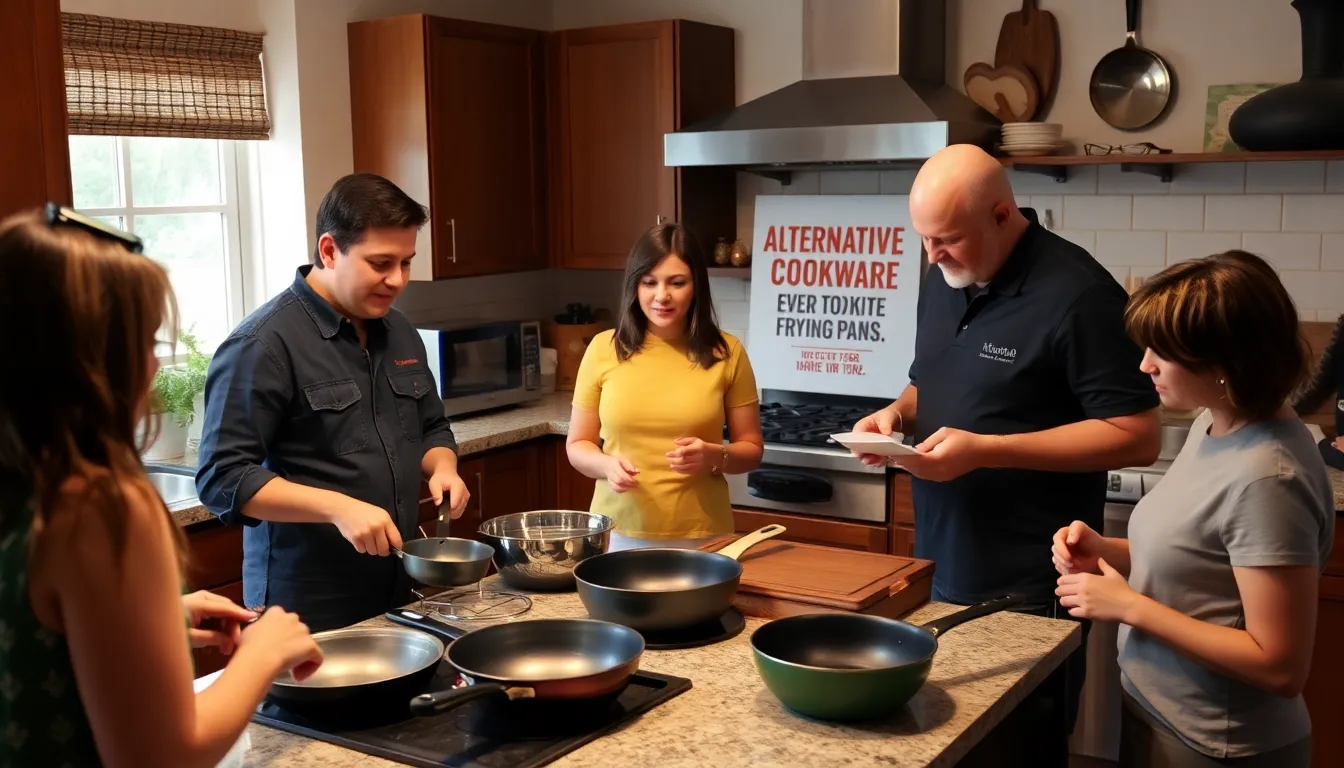
Frequently asked questions about frying pan safety
Key takeaways and future outlook on frying pan safety
As awareness of potential toxins in cookware increases, consumers are becoming more discerning about the materials used in their frying pans. With various options available, it is crucial to understand the implications of different materials on health and safety. The ongoing research into the effects of chemicals like PFOA and PFOS, as well as the durability and safety of non-stick coatings, will continue to shape consumer choices.
Looking ahead, the trend toward safer, more sustainable cookware is likely to gain momentum. Manufacturers may respond to consumer demand for transparency and safety by innovating new materials and improving existing products. Staying informed about these developments will empower consumers to make healthier choices in their kitchens.
- Prioritize cookware made from natural materials, such as cast iron or stainless steel, to minimize exposure to harmful chemicals.
- Research brands and products thoroughly, focusing on those that provide clear information about their manufacturing processes and materials.
- Stay updated on regulatory changes and safety standards related to cookware, as these can impact product safety.
- Consider the longevity and maintenance of frying pans, as durable options may reduce the need for frequent replacements and potential exposure to toxins.
- Engage with community discussions and expert opinions on cookware safety to make well-informed decisions.