


The discovery was made by a team of international scientists, including experts from Griffith University and the Indonesian Institute of Sciences. Their findings, published in a leading journal, indicate that early humans possessed a complex understanding of art much earlier than previously thought. This remarkable finding sheds light on the evolution of creative expression in early societies.
This revelation not only reshapes the narrative of human artistic development but also raises questions about the cognitive abilities of early Homo sapiens. The painting suggests that the capacity for symbolic thought and creativity may have emerged earlier in our evolutionary history, potentially influencing the way we view human culture and its origins. Understanding the cognitive development of our ancestors is key to grasping the broader implications of such discoveries.
Moreover, the location of the painting in a remote cave adds to its significance, as it indicates that artistic expression was not confined to specific regions or groups. This discovery opens up new avenues for research into the cultural practices of early humans and their potential for artistic innovation.
Exploring the historical significance of cave paintings
Cave paintings have long been regarded as some of the earliest forms of human expression, providing insight into the cognitive and cultural development of our ancestors. These artworks, often found in remote locations, reveal not only the artistic capabilities of early humans but also their social structures, beliefs, and interactions with the environment. Recent discoveries, including the oldest known cave painting of a red claw hand, challenge existing timelines of human creativity and suggest that the capacity for artistic expression may have emerged earlier than previously thought.
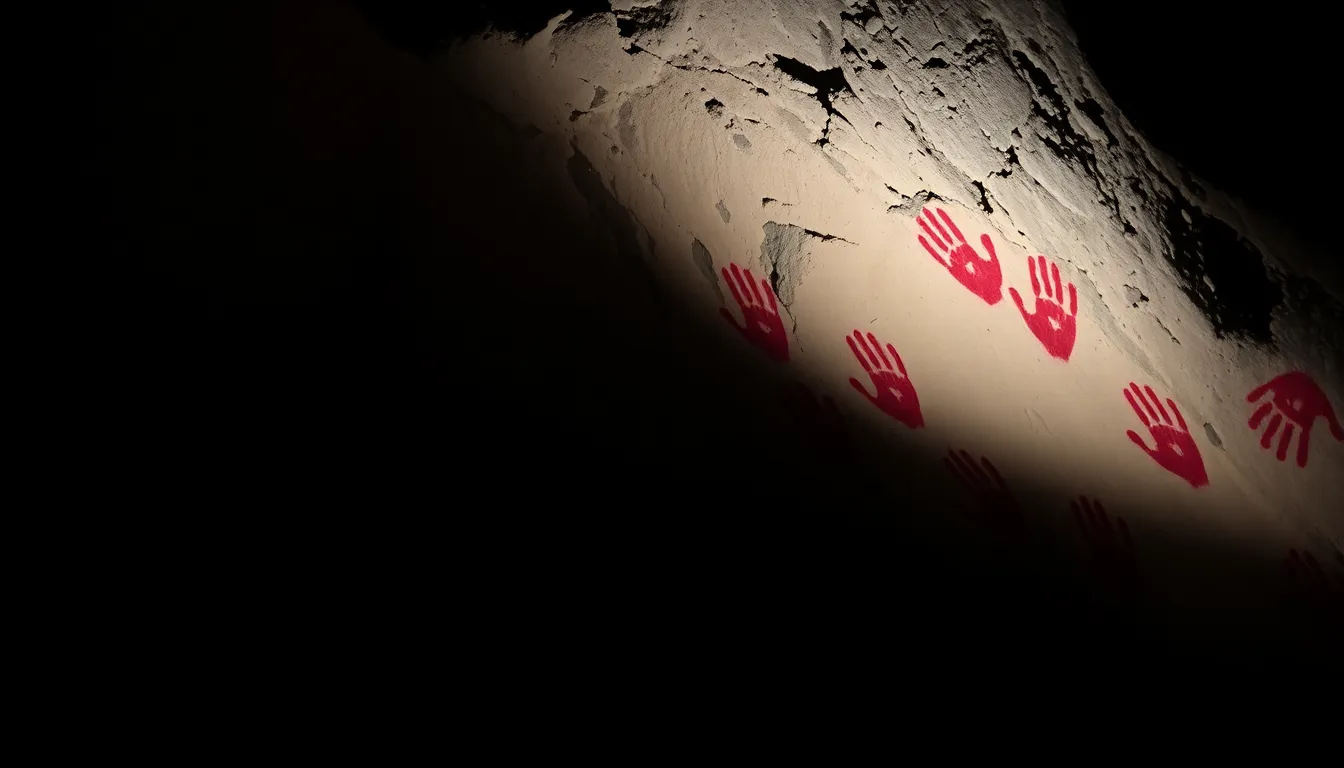
The significance of such findings cannot be overstated. Traditionally, the timeline of human creativity has been anchored to certain milestones, such as the advent of symbolic thought and the development of complex language. However, the discovery of ancient cave art, particularly those that depict hands and other symbols, indicates that early humans were engaging in creative expression much earlier than the Upper Paleolithic period, which has been the focus of much archaeological research.
The Evolution of Artistic Expression
Throughout history, the evolution of artistic expression has mirrored the development of human societies. From the intricate carvings of the Ice Age to the vibrant murals of ancient civilizations, art has served as a means of communication and cultural identity. The newfound cave painting of a red claw hand not only adds a new chapter to this narrative but also raises questions about the motivations behind such expressions. Were they merely decorative, or did they hold deeper spiritual or social significance?
Furthermore, the socio-political context of these discoveries plays a crucial role in understanding their impact. As archaeological techniques advance, the ability to date and analyze these artworks becomes more precise, allowing researchers to place them within a broader historical framework. This ongoing exploration not only enriches our knowledge of human history but also prompts a reevaluation of the cultural milestones that define our shared past.
In conclusion, the discovery of the oldest cave painting of a red claw hand is a pivotal moment in the study of human creativity. It underscores the importance of art in understanding the complexities of early human life and invites further investigation into the cultural practices of our ancestors. As researchers continue to uncover these ancient treasures, they are likely to reshape our understanding of what it means to be human.
Key stakeholders and the implications of this discovery
The discovery of the oldest cave painting of a red claw hand has significant implications for various stakeholders, including archaeologists, anthropologists, indigenous communities, and cultural heritage organizations. Each of these groups has distinct interests that shape their perspectives on the findings and their potential impact on our understanding of human creativity. For more on related cultural heritage issues, consider reading about the importance of preserving sites where these findings occur.
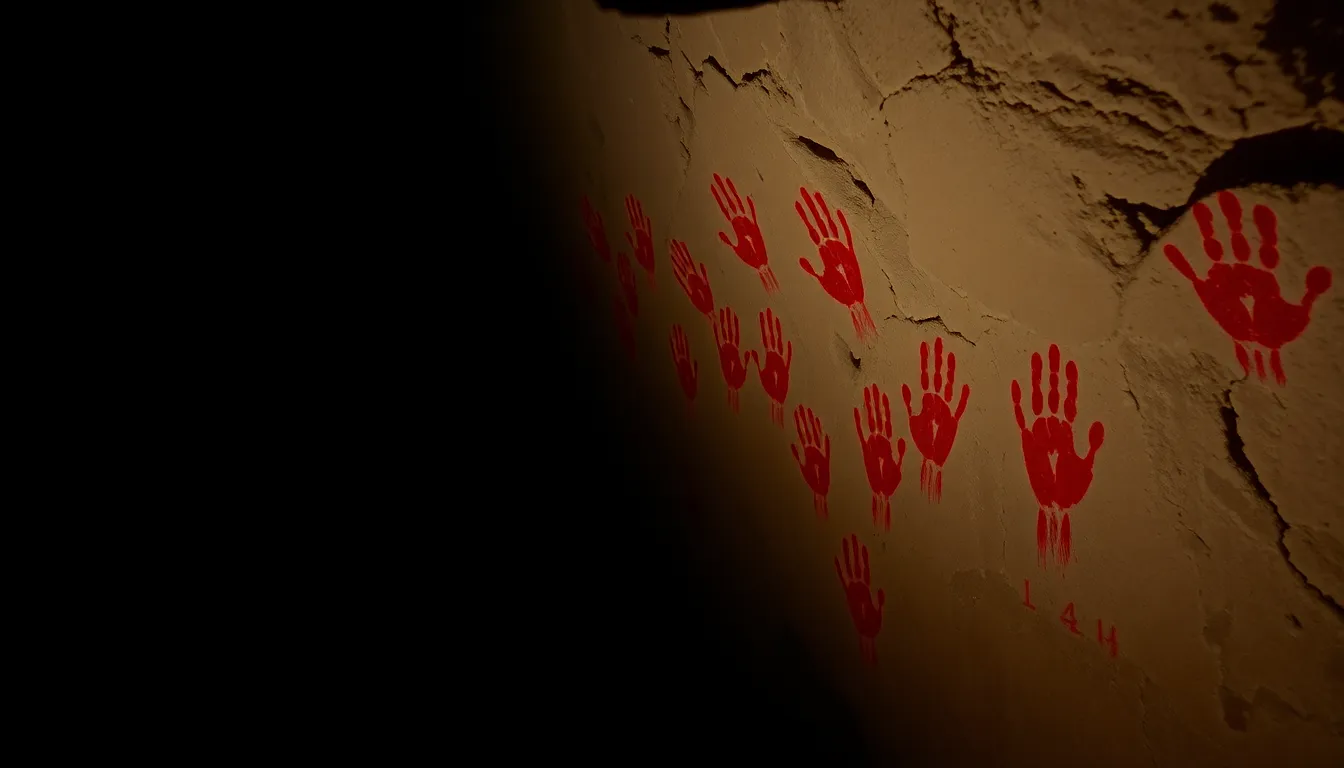
Archaeologists and anthropologists are primarily interested in the implications of this discovery for the timeline of human artistic expression. The painting may push back the date of when humans began creating symbolic art, challenging existing theories about the cognitive and cultural development of early humans. This could lead to a re-evaluation of the evolution of creativity and communication in prehistoric societies.
Indigenous communities, particularly those with ancestral ties to the regions where these paintings are found, have a vested interest in how such discoveries are interpreted and presented. They may advocate for the recognition of their cultural heritage and the importance of protecting these sites from exploitation or damage. The balance between scientific exploration and respect for indigenous rights presents a potential conflict that must be navigated carefully.
- Economic implications: The discovery may attract tourism, leading to economic opportunities for local communities, but could also raise concerns about the commercialization of cultural heritage.
- Legal issues: There may be legal debates surrounding the ownership and protection of archaeological sites, particularly if they are located on indigenous lands.
- Scientific collaboration: The need for interdisciplinary collaboration among scientists, historians, and indigenous representatives can foster a more holistic understanding of the findings.
- Public interest: Increased public interest in prehistoric art could lead to greater funding for archaeological research and preservation efforts.
In summary, the discovery of the oldest cave painting of a red claw hand opens up a complex landscape of interests and potential conflicts among various stakeholders. The ongoing dialogue among these groups is crucial for ensuring that the implications of this finding are understood and managed in a way that respects both scientific inquiry and cultural heritage.
How this discovery affects our view of prehistoric art
The discovery of the oldest cave painting of a red claw hand has significant implications for various groups and industries, particularly those involved in archaeology, anthropology, and art history. Scholars and researchers in these fields will likely see a surge in interest and funding as they seek to further explore the context and meaning behind this artwork. Additionally, educational institutions may incorporate this finding into their curricula, enhancing the understanding of human creativity and cultural development.
In the short term, museums and cultural organizations may experience increased visitor numbers as they showcase exhibits related to this discovery. This could lead to a boost in local economies, especially in regions where such artifacts are found. Art supply companies might also see a rise in demand for materials as schools and communities engage in creative projects inspired by prehistoric art.
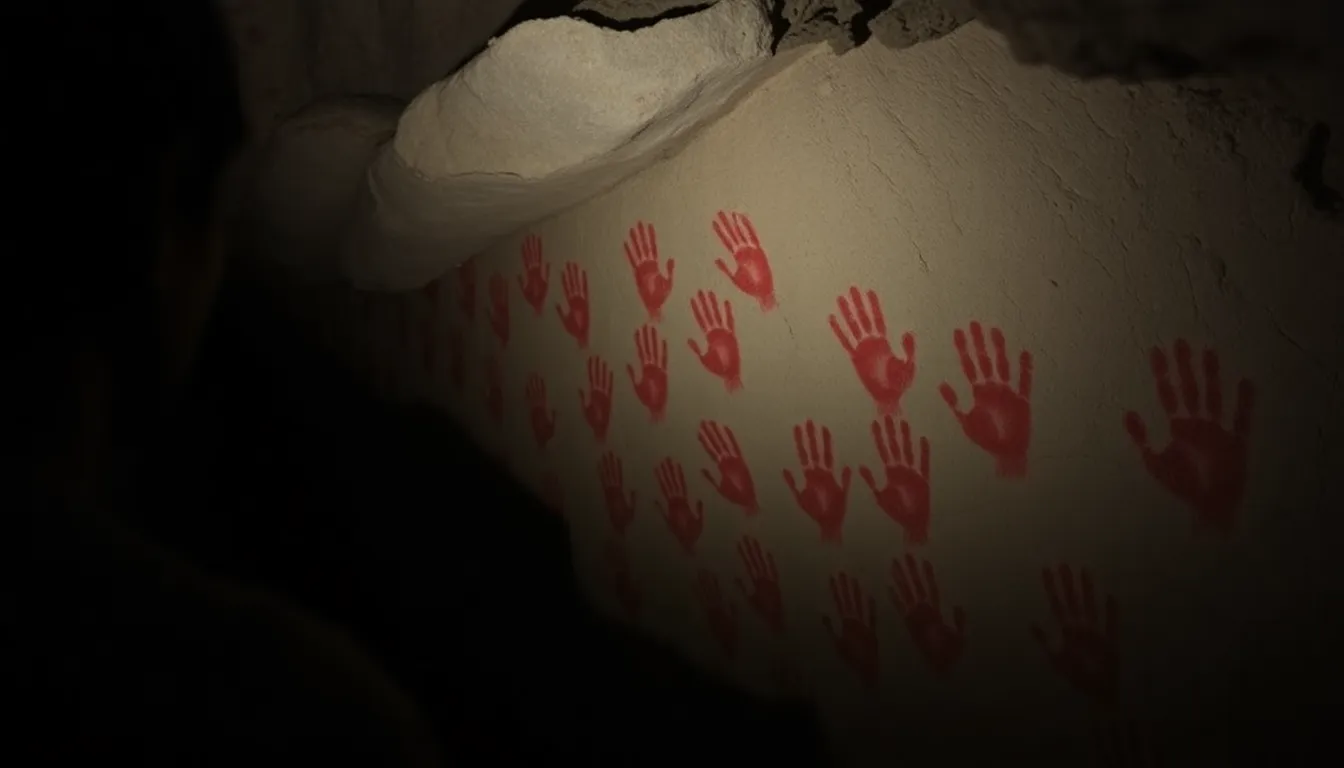
- Increased funding for archaeological research.
- Boost in tourism for regions with significant prehistoric sites.
- Heightened interest in educational programs related to art history.
In the mid-term, governments and policymakers may consider implementing new regulations to protect archaeological sites, recognizing their value not just for cultural heritage but also for economic development through tourism. This could lead to partnerships between public and private sectors aimed at preserving and promoting these historical sites.
However, there are risks associated with this discovery. The increased attention could lead to potential vandalism or illegal excavation attempts as individuals seek to exploit newfound interest. It is crucial for stakeholders to balance the promotion of this discovery with stringent protective measures to safeguard the integrity of these invaluable cultural resources.
A: The red claw hand painting is believed to be one of the oldest examples of human artistic expression, potentially pushing back the timeline of creativity in early humans. A: The painting was found in a cave in a remote area, which has not been disclosed to protect the site from vandalism and tourism. A: This finding may lead to a reevaluation of the timeline of artistic development, suggesting that early humans were capable of complex thought and creativity much earlier than previously believed. A: Researchers used advanced dating techniques, including radiocarbon dating and analysis of the cave’s stratigraphy, to determine the age of the painting. A: Yes, several other cave paintings have been found worldwide, but this particular discovery stands out due to its age and the unique style of the artwork.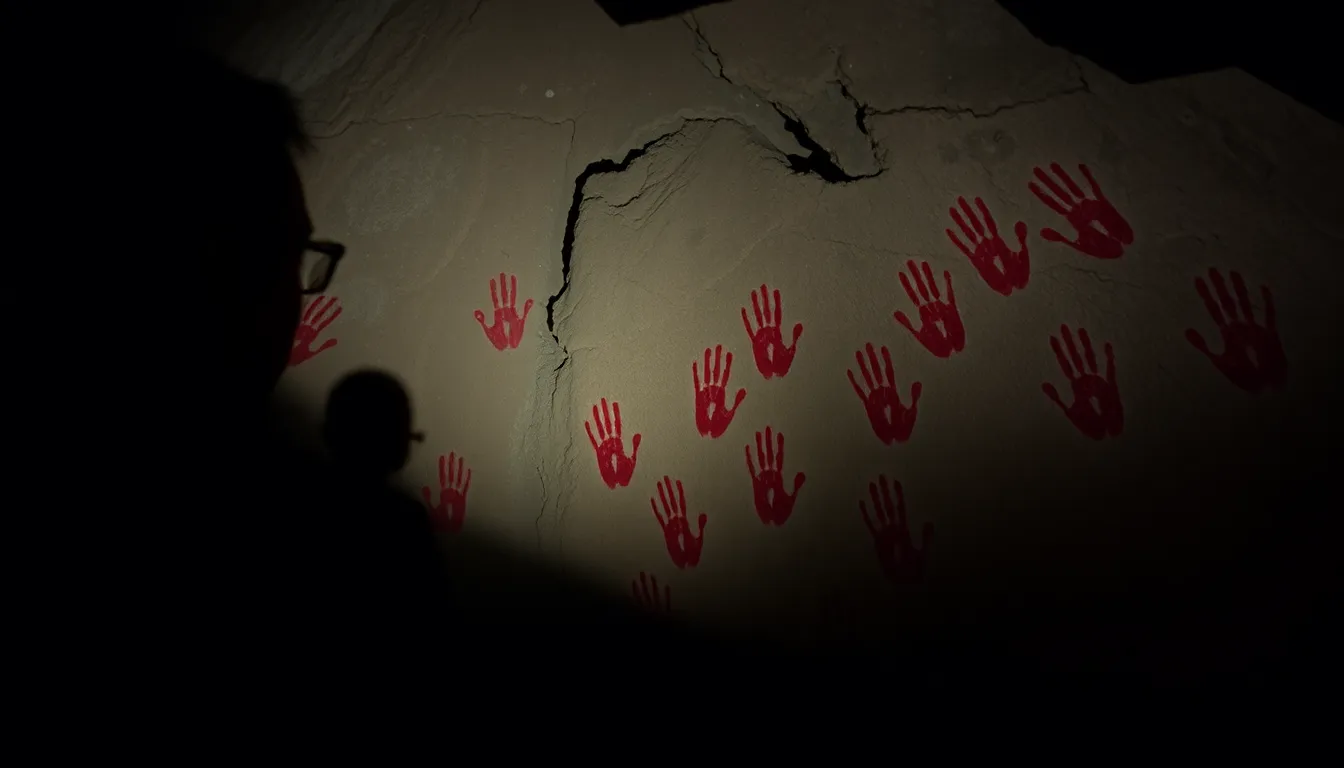
Frequently asked questions about the cave painting discovery
Key insights and future implications of the discovery
The recent discovery of the oldest cave painting depicting a red claw hand has significant implications for our understanding of human creativity and artistic expression. This finding not only pushes back the timeline of known artistic endeavors but also invites a reevaluation of the cognitive abilities of early humans. As researchers delve deeper into the context and meaning behind this artwork, it may shed light on the social and cultural dynamics of our ancestors.
Furthermore, this discovery opens avenues for interdisciplinary studies, merging archaeology with cognitive science and anthropology. As new techniques in dating and analysis emerge, we may uncover more about the motivations behind early artistic expression and its role in human evolution.
- The timeline of human creativity may need to be revised, highlighting earlier forms of artistic expression than previously thought.
- Future research could explore the social and cultural significance of cave art in early human societies.
- Interdisciplinary collaboration will be crucial in understanding the cognitive aspects of creativity in prehistoric humans.
- This finding may inspire further archaeological explorations in similar regions, potentially uncovering more significant artifacts.
- Public interest in prehistoric art could lead to increased funding and support for research in this field.