


Despite this short-term decline, scientists warn that the underlying factors contributing to climate change remain unaddressed. The Intergovernmental Panel on Climate Change (IPCC) projects that the long-term trajectory of rising temperatures will continue, with more heat records expected in the coming years. This is particularly concerning as extreme weather events and their associated impacts on ecosystems and human health become increasingly prevalent.
Moreover, data from climate research institutions indicate that the cooling effect observed in 2025 may not be sustained. The El Niño phenomenon, which is expected to develop in subsequent years, could exacerbate warming trends. As a result, experts emphasize the importance of immediate and sustained action to mitigate climate change and adapt to its unavoidable consequences.
The implications of these temperature fluctuations are significant, affecting agriculture, water resources, and public health worldwide. As nations grapple with the effects of climate change, the need for comprehensive policies and international cooperation becomes more critical than ever. The events of 2025 serve as a reminder of the urgency to address the climate crisis before it leads to irreversible damage.
Understanding the factors behind temperature fluctuations
The fluctuations in global temperatures are influenced by a complex interplay of natural and anthropogenic factors. Historically, the Earth has experienced periods of warming and cooling due to volcanic activity, solar radiation variations, and ocean currents. However, since the late 20th century, the increase in greenhouse gas emissions from human activities has significantly altered this natural balance, leading to a trend of rising global temperatures, as evidenced by the challenges of mitigating climate change effectively.
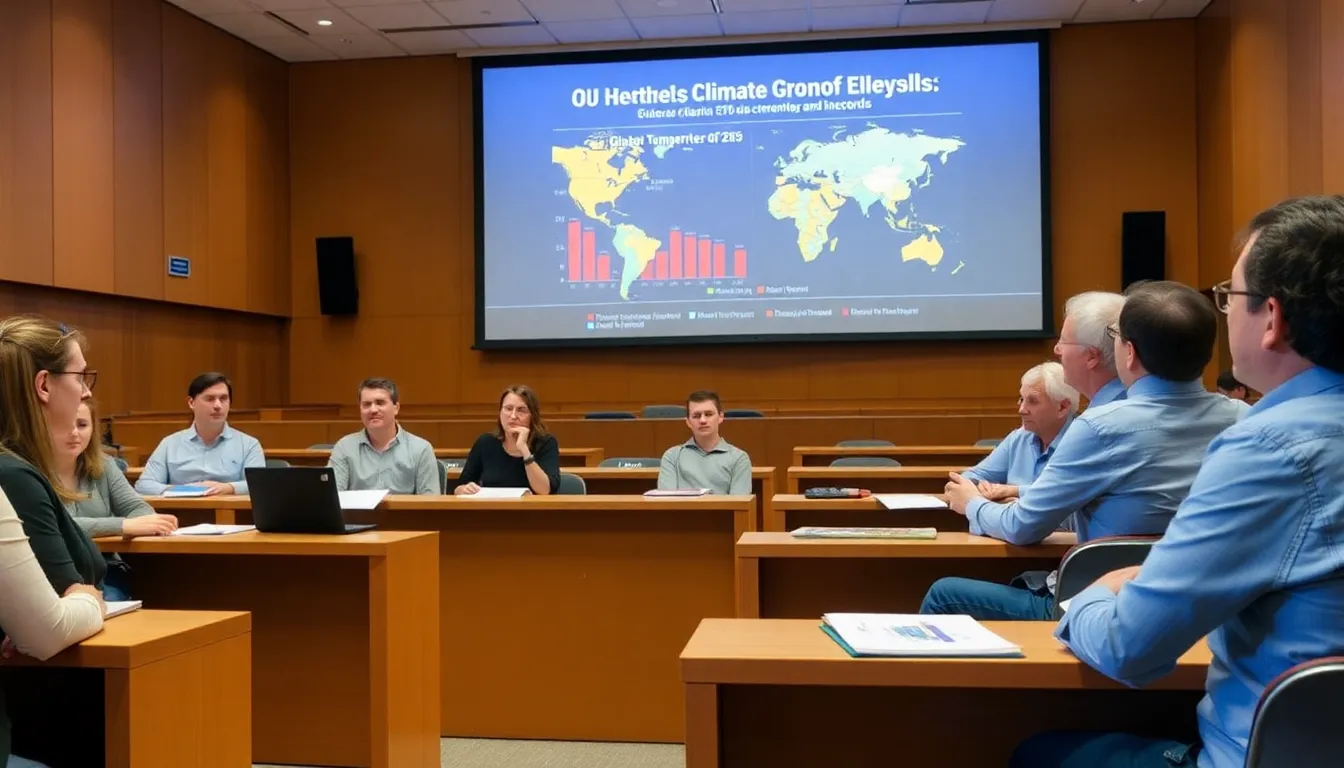
In the early 2000s, climate scientists began to observe a clear correlation between rising levels of carbon dioxide and global temperatures. The 2015 Paris Agreement marked a pivotal moment in international climate policy, as nations committed to limiting global warming to well below 2 degrees Celsius above pre-industrial levels. Despite these efforts, the years following the agreement saw unprecedented heatwaves and record-breaking temperatures, highlighting the challenges of mitigating climate change effectively.
The year 2025 marked an anomaly in this ongoing trend, as global temperatures dipped temporarily due to a combination of natural climate variability and a significant reduction in emissions during the COVID-19 pandemic. This dip, however, is not indicative of a long-term reversal of warming trends, as scientists warn that the underlying factors contributing to climate change remain unchanged, and new heat records are likely on the horizon.
The Role of Climate Feedback Mechanisms
Climate feedback mechanisms play a crucial role in exacerbating temperature changes. For instance, as polar ice melts, less sunlight is reflected away from the Earth, leading to further warming. Similarly, the release of methane from thawing permafrost poses a significant risk, as this potent greenhouse gas can accelerate climate change. Understanding these feedback loops is essential for predicting future temperature trends and the potential impacts on ecosystems and human societies.
Key stakeholders and their roles in climate change
In the context of fluctuating global temperatures, various stakeholders play critical roles in shaping climate policy and response strategies. These stakeholders include governments, scientific organizations, environmental NGOs, and the private sector, each with distinct interests and influences on climate action.
Governments worldwide are primary actors in climate change discussions, as they are responsible for implementing policies that mitigate climate impacts. Their interests often revolve around balancing economic growth with environmental sustainability. For instance, countries heavily reliant on fossil fuels face challenges in transitioning to renewable energy sources without compromising their economic stability.
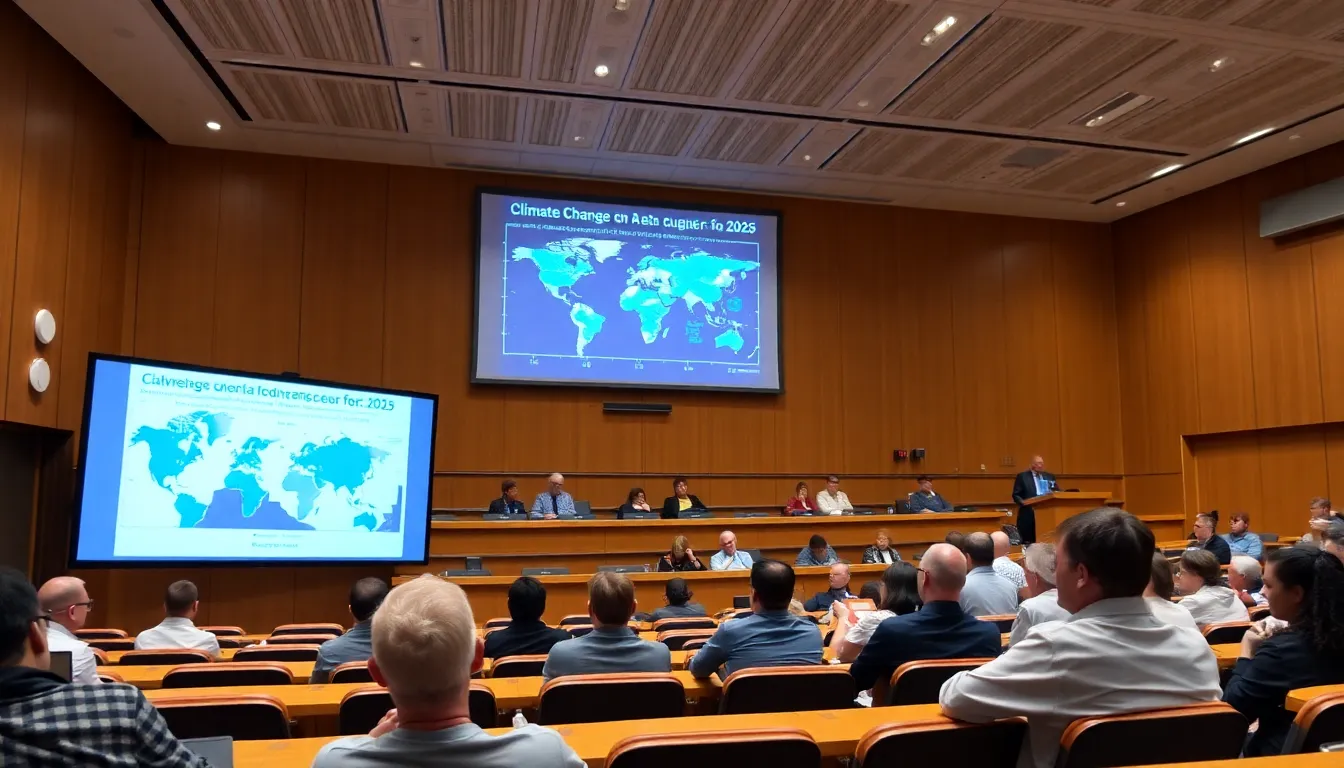
Scientific organizations and research institutions provide essential data and insights into climate trends. Their findings help inform policymakers and the public about the potential impacts of climate change. However, funding and political support for climate research can vary significantly, leading to conflicts over which data is prioritized or disseminated.
- Environmental NGOs: These organizations advocate for stronger climate policies and hold governments accountable for their commitments. They often highlight the urgency of addressing climate change, which can sometimes lead to tensions with industries that may be affected by stricter regulations.
- Private Sector: Corporations, especially those in energy, agriculture, and manufacturing, have vested interests in climate outcomes. While some are investing in sustainable practices, others may resist changes that threaten their profitability, leading to conflicts between economic interests and environmental responsibilities.
- International Bodies: Organizations like the United Nations play a crucial role in facilitating global agreements on climate action. Their effectiveness can be hampered by differing national priorities and levels of commitment to climate goals.
Key legal and economic issues also arise from these dynamics. International climate agreements, such as the Paris Agreement, create frameworks for cooperation but often struggle with enforcement and compliance. Economically, the transition to a low-carbon economy presents both opportunities and challenges, as investments in green technologies can lead to job creation, while traditional industries may face decline.
Potential effects on ecosystems and human populations
The recent dip in global temperatures in 2025 has brought temporary relief, but scientists warn that the underlying trends indicate more heat records are likely on the horizon. This phenomenon affects various groups, industries, and regions, particularly those that are already vulnerable to climate change.
Regions that rely heavily on agriculture, such as parts of Africa and South Asia, may experience significant disruptions. Short-term impacts include altered growing seasons and increased crop failures, which can lead to food shortages and rising prices. In the mid-term, this could exacerbate food insecurity and drive migration as people seek more stable living conditions.
Industries such as tourism and outdoor recreation may also face challenges. While cooler temperatures might boost winter sports initially, the longer-term forecast of rising heat could deter visitors from traditionally warm-weather destinations. Businesses may need to adapt their strategies to accommodate changing consumer preferences and weather patterns.
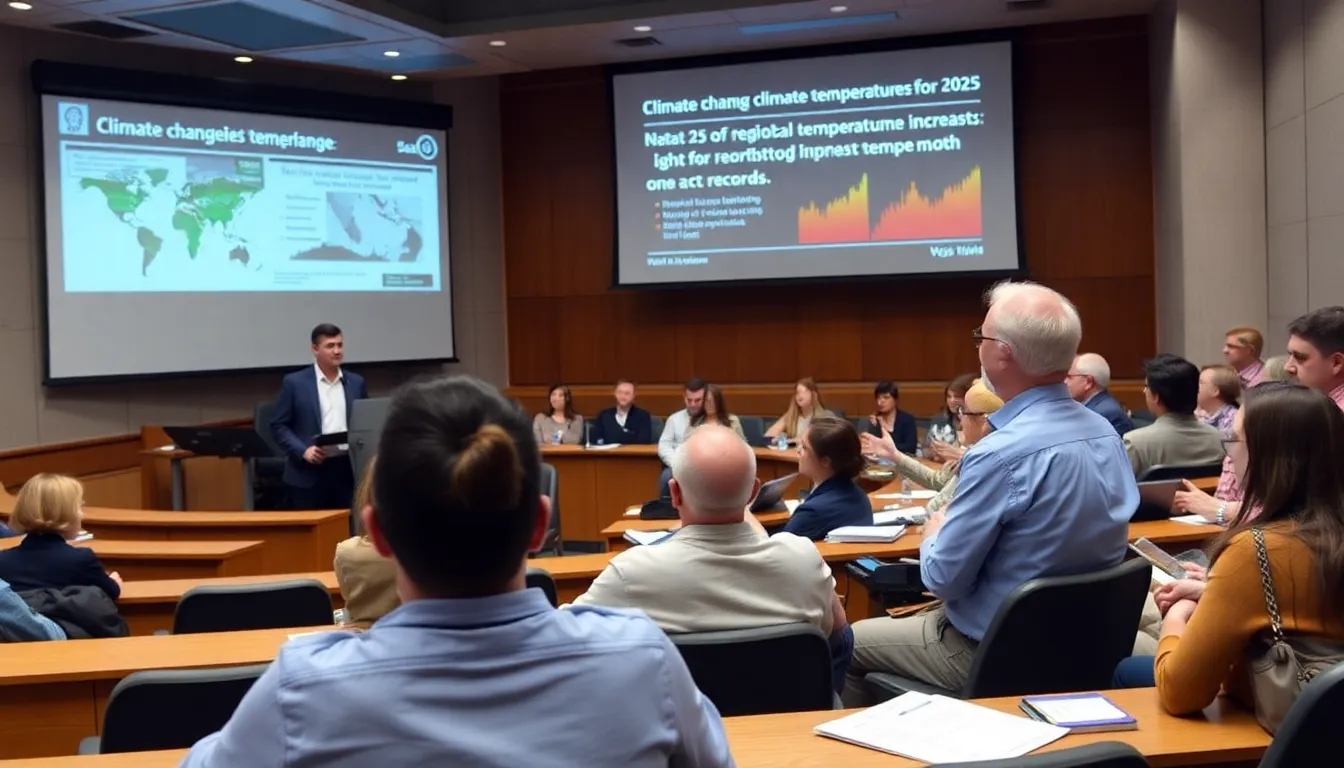
- Health risks: Increased heat waves could lead to higher instances of heat-related illnesses, particularly among vulnerable populations.
- Economic shifts: Industries reliant on stable weather patterns may face financial instability, prompting shifts in investment and policy.
- Opportunities for innovation: The need for climate resilience may foster advancements in sustainable agriculture and renewable energy technologies.
Policy implications are also significant, as governments may need to implement new regulations to address the changing climate landscape. This could include stricter emissions standards or incentives for green technology adoption. In the short term, such policies may face resistance, but in the mid-term, they could pave the way for a more sustainable economy.
A: The dip was attributed to a combination of natural climate variability and temporary factors such as volcanic activity and ocean currents. A: Scientists use climate models that incorporate various data points, including greenhouse gas emissions, to forecast future temperature changes. A: Rising temperatures can lead to severe weather events, loss of biodiversity, and significant impacts on agriculture and human health. A: While some effects can be mitigated through policy and technology, reversing climate change requires global cooperation and significant reductions in emissions. A: Individuals can reduce their carbon footprint by using public transport, conserving energy, and supporting sustainable practices.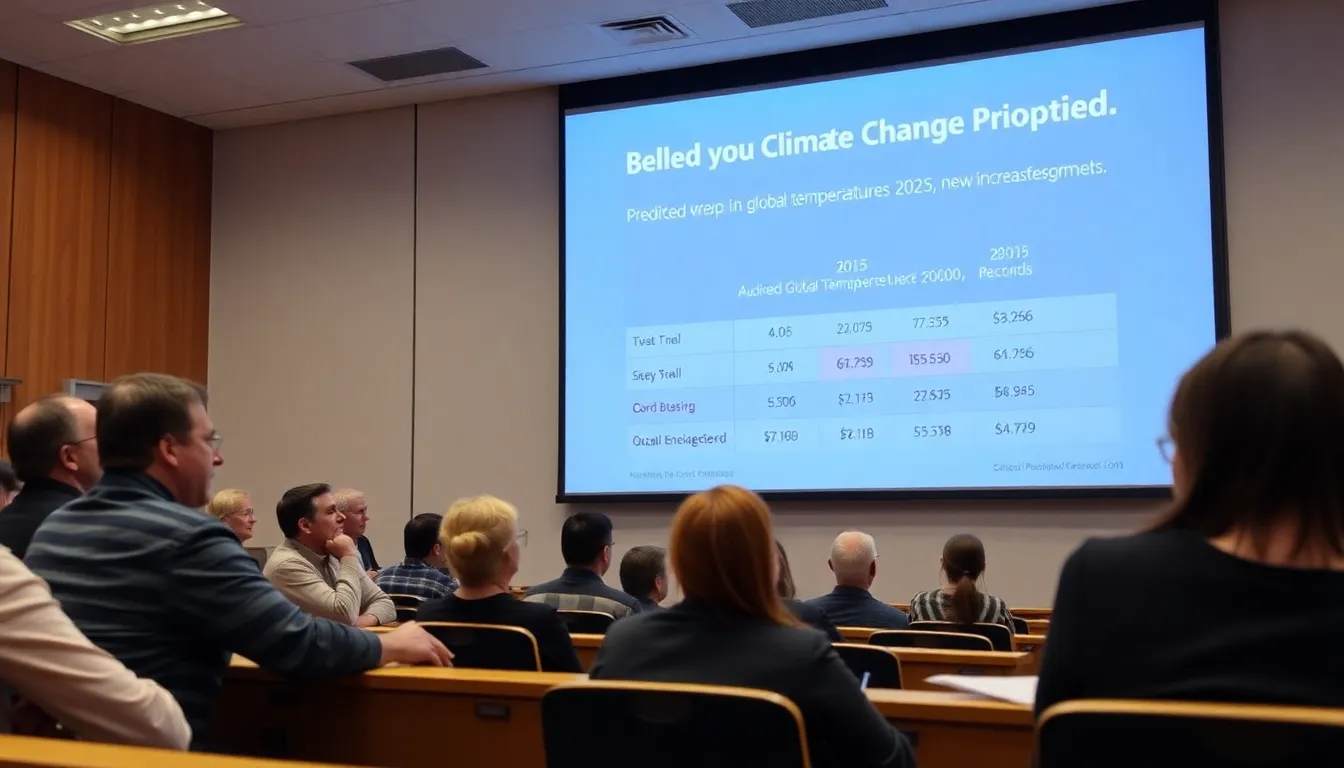
Frequently asked questions about climate trends
Looking ahead: the future of global temperatures
The recent dip in global temperatures in 2025 offers a momentary reprieve in the ongoing battle against climate change. However, scientists caution that this is not indicative of a long-term trend, as rising greenhouse gas emissions and other factors are likely to continue driving temperature increases in the coming years. Understanding these dynamics is crucial for policymakers, businesses, and individuals as they navigate the implications of a warming planet.
As we look toward the future, it is essential to remain vigilant and proactive. The fluctuations in temperature serve as a reminder of the complex interplay between natural variability and human influence. The following points highlight key areas to monitor as we move forward.
- Increased frequency of heatwaves: Expect more extreme weather events, including heatwaves, which could impact agriculture, health, and infrastructure.
- Policy adaptations: Governments may need to revise climate policies to address the changing landscape and enhance resilience against climate impacts.
- Technological advancements: Innovations in renewable energy and carbon capture are critical to mitigating future temperature rises.
- Public awareness: Continued education on climate change will be vital in fostering community engagement and action.
- International cooperation: Global collaboration will be essential in addressing the root causes of climate change and sharing effective solutions.