


In addition to the immediate threat posed by volcanic activity, the heavy rainfall following the eruptions has increased the risk of lahars, or mudflows, which can devastate infrastructure and displace residents. For a deeper insight into the dangers associated with waterborne debris flows, visit this article. Experts warn that these flows can occur without warning, carrying debris and sediment down slopes and into populated areas, making the situation even more precarious for those living in the shadow of active volcanoes.
Furthermore, the ongoing seismic activity has led to heightened alert levels in various regions, including the Philippines and parts of Central America. Local governments are mobilizing resources to prepare for potential evacuations and to improve monitoring systems, as the combination of volcanic eruptions and heavy rainfall creates a perfect storm for natural disasters.
The implications of these events extend beyond immediate safety concerns; they also threaten agricultural production and local economies. To understand the broader economic impact of environmental risks, including those related to climate change, check out this resource. Farmers in affected areas are facing crop losses due to ash fall and soil erosion, which could lead to food shortages and increased prices in the coming months.
Background on Volcanic Activity and Associated Risks
Volcanic eruptions have been a significant concern for communities living in proximity to active volcanoes throughout history. These natural disasters can lead to devastating consequences, not only from the eruptions themselves but also from secondary effects such as mudflows, or lahars, which pose an additional threat to life and property. Understanding the historical context of volcanic activity is crucial for grasping the current risks faced by these communities.
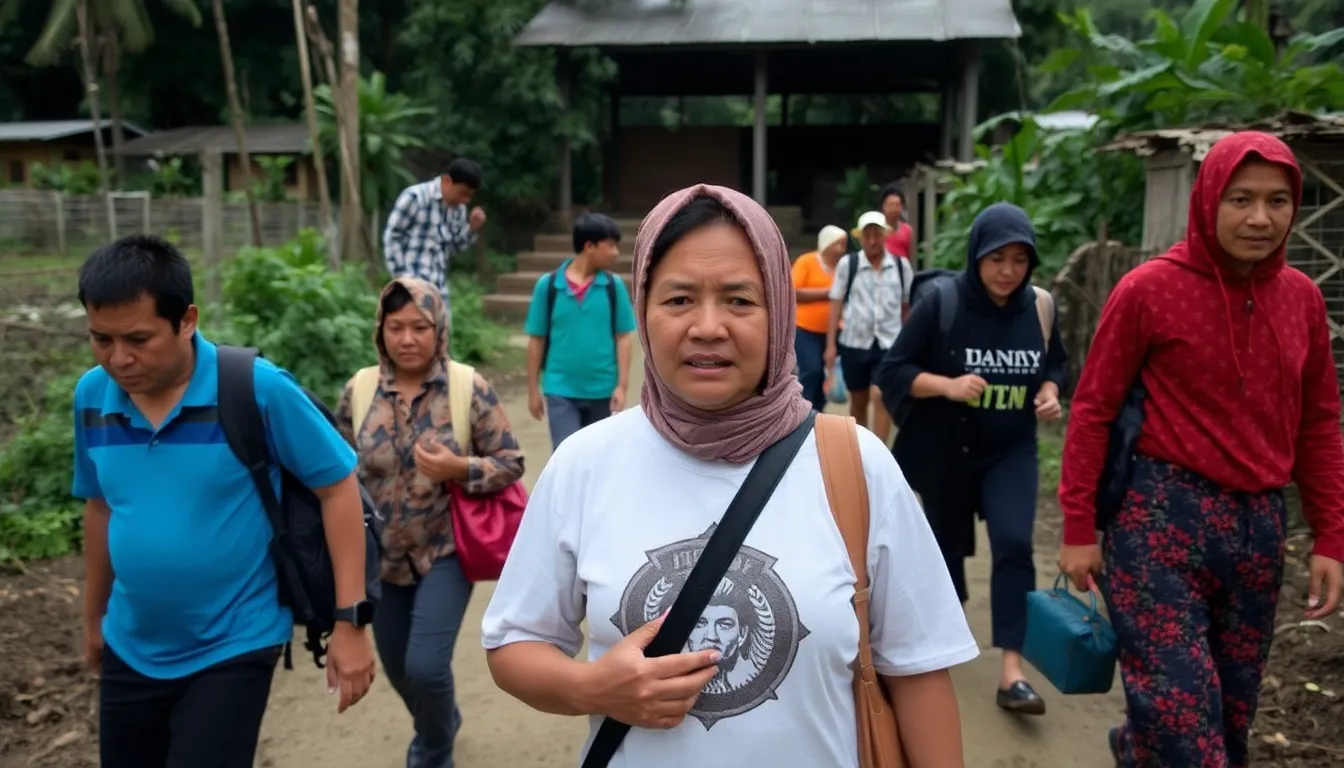
Historically, notable eruptions such as the 1980 eruption of Mount St. Helens in the United States and the 1991 eruption of Mount Pinatubo in the Philippines have highlighted the potential for catastrophic consequences. Both events resulted in significant loss of life and extensive damage to infrastructure, prompting governments and scientists to prioritize volcanic monitoring and risk mitigation strategies. These events set precedents for emergency preparedness and response protocols that are still referenced today.
In many regions around the world, the political and economic implications of volcanic activity are profound. Governments often face pressure to balance the needs of local populations with the economic benefits of tourism and agriculture in volcanic regions. For instance, the fertile soils created by volcanic ash can support rich agricultural activities, leading to a complex relationship between communities and their volcanic landscapes. However, this economic reliance can exacerbate the risks, as residents may be reluctant to evacuate or abandon their livelihoods.
The Role of Mudflows in Volcanic Eruptions
Mudflows, or lahars, are fast-moving mixtures of water, volcanic ash, and debris that can occur during or after a volcanic eruption. They can be triggered by heavy rainfall, melting snow, or the eruption itself. Historically, lahars have caused significant destruction, as seen during the 1985 Armero tragedy in Colombia, where a lahar killed over 20,000 people. This tragic event serves as a stark reminder of the dangers posed by volcanic activity beyond the eruption itself and emphasizes the need for comprehensive hazard assessments and community preparedness.
As climate change continues to alter weather patterns, the risk of mudflows may increase, making it essential for local governments and disaster response teams to develop effective strategies to mitigate these risks. Gaining an understanding of these complexities is vital for communities facing such threats, and you can explore more about environmental impacts in this related article. Understanding the historical context and the interplay between volcanic activity and mudflows is vital for preparing communities for future eruptions and protecting lives and property.
Key Issues Surrounding Volcanic Eruptions and Mudflow Hazards
The threat posed by volcanic eruptions extends beyond the immediate danger of lava and ash; it often includes the risk of mudflows, or lahars, which can devastate communities downstream. Understanding the stakeholders involved in these situations is crucial for effective risk management and mitigation strategies.

Local governments are primary stakeholders, tasked with emergency response and public safety. Their interests include minimizing loss of life and property, as well as ensuring that evacuation plans are in place. However, limited resources and funding can hinder their ability to respond effectively. Additionally, local authorities must navigate the complexities of land use regulations and infrastructure development in high-risk areas.
Another key actor is the scientific community, including volcanologists and geologists, who study volcanic activity and its potential impacts. Their goal is to provide accurate forecasts and risk assessments, but they often face challenges in communicating their findings to the public and policymakers. Misinterpretations of data can lead to either panic or complacency among residents, complicating evacuation efforts and preparedness.
Communities living in the shadow of active volcanoes are directly affected by both eruptions and subsequent mudflows. Residents often have conflicting interests; while they may want to remain in their homes, they also seek safety for their families. This situation creates a trade-off between economic stability, as many rely on tourism or agriculture, and the need for safety measures and potential relocation.
- Resource Allocation: Balancing funding for emergency services versus long-term community development.
- Public Awareness: Educating residents about the risks and necessary preparedness measures.
- Environmental Protection: Ensuring that land use practices do not exacerbate mudflow risks.
- Legal Framework: Establishing clear policies on land ownership and liability in disaster-prone areas.
- Collaboration: Fostering partnerships between government, scientists, and local communities for effective disaster management.
Impact of Mudflows on Local Populations and Infrastructure
The recent volcanic eruption has raised significant concerns not just about the immediate dangers posed by lava flows, but also about the potential for mudflows that can devastate local communities. Primarily, rural populations living near the volcano are at the highest risk. These communities often lack the resources to effectively prepare for or respond to such natural disasters, making them particularly vulnerable.
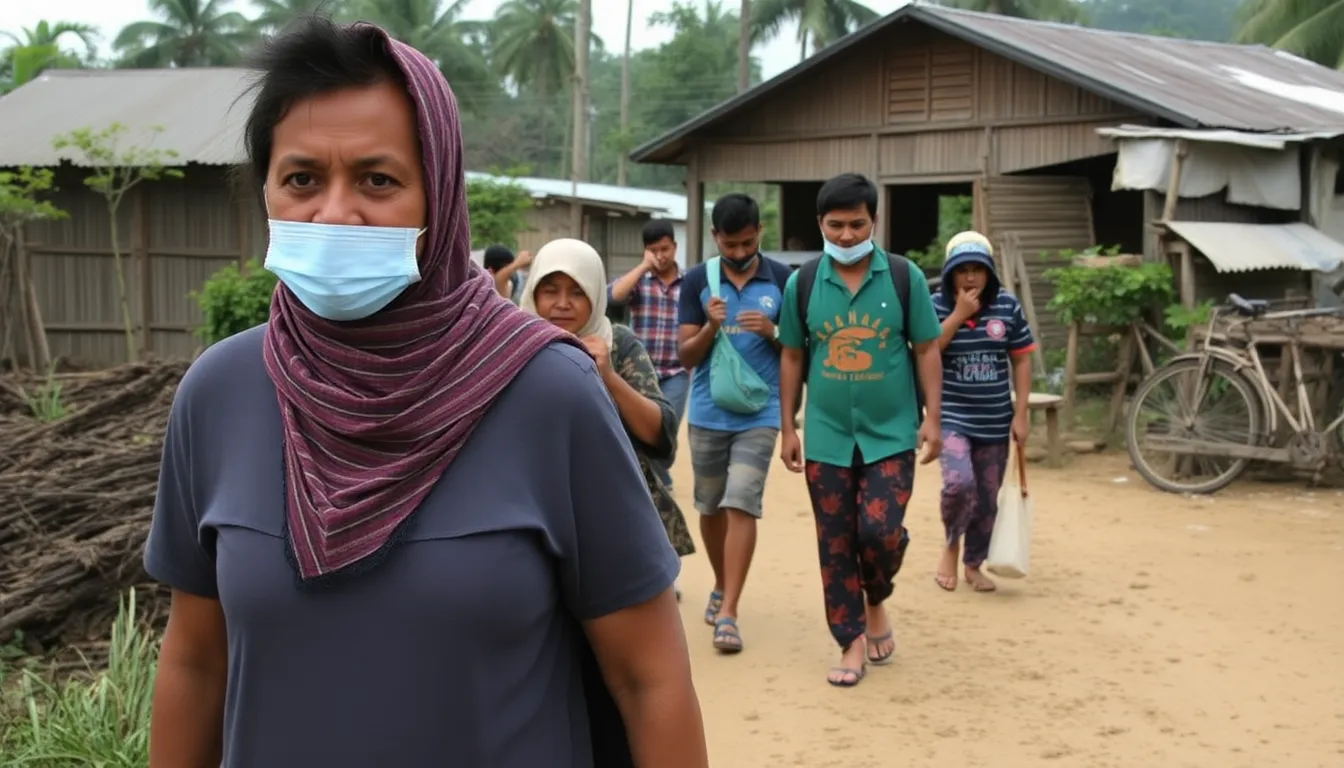
Industries such as agriculture and tourism are also heavily impacted. Agricultural lands can be buried under mud, leading to crop loss and economic downturn for farmers. The tourism sector, which relies on the natural beauty and accessibility of the region, may see a sharp decline in visitors due to safety concerns and damaged infrastructure.
In the short term, daily life for affected populations will be disrupted. Roads may become impassable, emergency services could be overwhelmed, and access to essential supplies may be limited. The mid-term implications could include a significant shift in local policies regarding land use and disaster preparedness, as communities reassess their vulnerability to natural disasters.
- Risks: Increased displacement of families, loss of livelihoods, and long-term infrastructure damage.
- Opportunities: Potential for investment in resilient infrastructure, community education programs, and emergency response improvements.
As communities grapple with the aftermath of the eruption and the threat of mudflows, there is a pressing need for coordinated efforts among local governments, NGOs, and the private sector. By addressing both the risks and opportunities presented by this disaster, stakeholders can work towards building a more resilient future for the affected regions.
A: Mudflows are primarily caused by the melting of snow and ice on a volcano, combined with volcanic ash and debris. Heavy rainfall can also trigger these flows, making them a significant hazard. A: Communities can prepare by establishing early warning systems, creating evacuation plans, and conducting regular drills. It’s crucial to educate residents about the signs of mudflows and safe escape routes. A: Mudflows can be more dangerous than lava flows due to their speed and unpredictability. They can travel quickly down slopes, carrying debris and posing risks to life and property. A: If you encounter a mudflow, seek higher ground immediately. Avoid attempting to cross or drive through the flow, as it can be extremely hazardous. A: The frequency of mudflows varies depending on the volcano and environmental conditions. They can occur shortly after an eruption or even weeks to months later, especially after heavy rainfall.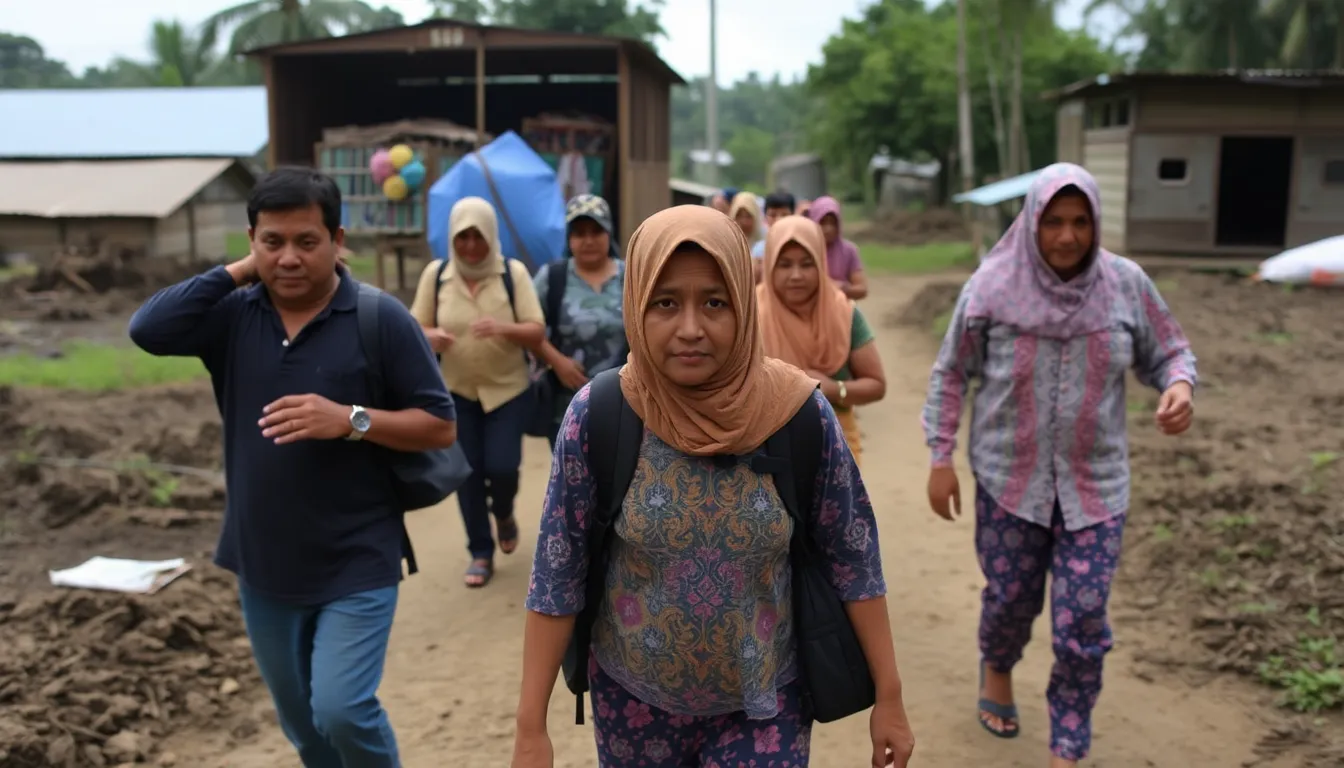
Frequently Asked Questions About Mudflows and Eruptions
Key Takeaways and Future Outlook on Volcanic Hazards
The recent volcanic eruption has underscored the multifaceted nature of volcanic hazards, particularly the often-overlooked threat of mudflows. As communities assess the immediate aftermath of such eruptions, it is crucial to recognize that the dangers extend beyond the initial explosion. With climate change potentially exacerbating these risks, proactive measures and preparedness strategies are essential for mitigating future disasters.
Monitoring volcanic activity and implementing effective land-use planning can significantly reduce the impact of both eruptions and secondary hazards like mudflows. As we move forward, it is vital to foster community awareness and resilience in the face of these natural threats.
- Enhanced Monitoring: Increased investment in volcanic monitoring systems can provide early warnings and help communities prepare for potential eruptions and associated hazards.
- Community Preparedness: Local governments should prioritize education and training programs to inform residents about volcanic risks and emergency response strategies.
- Land-Use Planning: Implementing stricter zoning laws in high-risk areas can minimize damage and protect lives from both eruptions and mudflows.
- Research and Collaboration: Ongoing research into volcanic behavior and collaborative efforts among scientists, policymakers, and local communities can enhance resilience against future events.
- Climate Change Considerations: Understanding the interplay between climate change and volcanic activity is crucial for developing comprehensive risk management strategies.