


The Football Association has announced that starting from the 2024 season, the competition will be rebranded as the Women’s League Trophy. This new name aims to reflect the growing prestige of the tournament and align it more closely with other major football competitions.
In addition to the name change, the format of the competition will also be revised. The tournament will expand to include more teams, with a preliminary round set to take place in early January 2024. This change is designed to provide more clubs with the opportunity to compete at a higher level.
The decision to revamp the Women’s League Cup comes amid increasing interest in women’s football, particularly following the success of recent international tournaments. The FA hopes that these changes will not only elevate the profile of the cup but also contribute to the overall growth of women’s football in England.
<pAs the new season approaches, stakeholders and fans alike are eager to see how these changes will impact the tournament and the teams involved. The Women's League Trophy is poised to become a key fixture in the women's football calendar, drawing attention to the talent and dedication of female athletes.
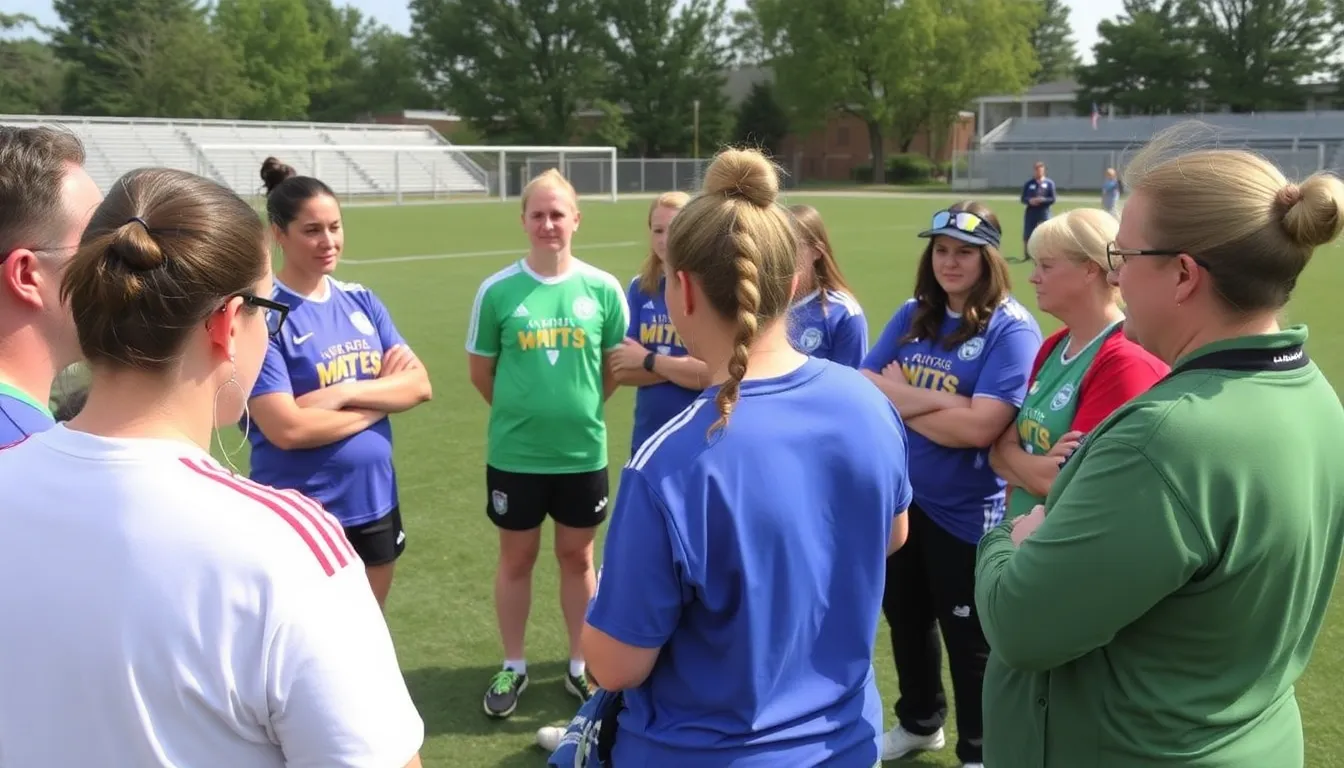
Understanding the historical context of the Women’s League Cup
The Women’s League Cup has been a significant fixture in the landscape of women’s football since its inception. Established to provide a competitive platform for clubs, the cup has evolved alongside the growing popularity of women’s sports, including the recent success of international tournaments.
In recent years, however, the landscape of women’s football has begun to shift dramatically. Increased media coverage, sponsorship deals, and public interest have led to a surge in participation and viewership, further highlighting the need for changes in competitions like the Women’s League Cup.
Key milestones in the evolution of the Women’s League Cup
Several key milestones have shaped the Women’s League Cup and its relevance in the football community. The introduction of professional contracts for female players in various leagues has increased the stakes and visibility of the competition. Additionally, landmark events such as the FIFA Women’s World Cup have galvanized interest in women’s football, leading to greater investment in domestic leagues and cup competitions.
As the Women’s League Cup prepares to undergo name and format changes, it stands at a crossroads that reflects broader societal shifts towards gender equality in sports. The rebranding and restructuring aim not only to enhance the competition’s prestige but also to attract a wider audience, ensuring that the tournament can thrive in an increasingly competitive sports market.
Key stakeholders and issues surrounding the format changes
The upcoming changes to the Women’s League Cup are set to impact various stakeholders, each with distinct interests. Key actors include the governing bodies of women’s football, club teams, players, sponsors, and fans. The Football Association (FA) is primarily focused on enhancing the visibility and competitiveness of women’s football, while clubs aim to maximize their financial returns and develop their talent pipelines.

Players are another crucial group, as they seek fair representation and opportunities to showcase their skills. The changes in format may affect their playing time and exposure, which are vital for their careers. Additionally, sponsors and advertisers have a vested interest in the league’s success, as it directly influences their investment returns and brand visibility.
Conflicts may arise between these stakeholders, particularly regarding the allocation of resources and the distribution of revenue generated by the league. Clubs may push for more lucrative broadcasting deals, while the FA may prioritize a more equitable distribution model that benefits all teams, especially those with smaller budgets.
- Legal Issues: Potential disputes over contract terms and broadcasting rights could lead to legal challenges among stakeholders.
- Economic Concerns: The financial implications of the new format could create disparities between larger and smaller clubs.
- Player Welfare: Changes in scheduling and format could impact player health and well-being, raising concerns among player associations.
- Fan Engagement: Altering the league’s name and structure might affect fan loyalty and engagement, which are crucial for the league’s growth.
- Gender Equity: Ensuring that the changes promote gender equity in sports remains a critical issue for advocacy groups.
Ultimately, the success of the Women’s League Cup will depend on how these stakeholders navigate their interests and address the conflicts that may arise during this transition. The balance between commercial success and the integrity of the sport will be pivotal in shaping the future of women’s football.
Potential impact on teams and fans in the league
The upcoming changes to the Women’s League Cup, including its name and format, are set to affect various stakeholders, primarily teams, fans, and sponsors. Clubs participating in the league will need to adapt to the new structure, which may influence their operational strategies and financial planning. Fans, who are the lifeblood of the league, will also experience shifts in their engagement with the tournament.
In the short term, teams may face logistical challenges as they adjust to the revised competition format. This could include alterations in training schedules, travel arrangements, and matchday operations. Fans might find themselves navigating new scheduling patterns, which could affect attendance and viewership. The uncertainty surrounding these changes may lead to a temporary decline in fan engagement as supporters acclimate to the new structure.
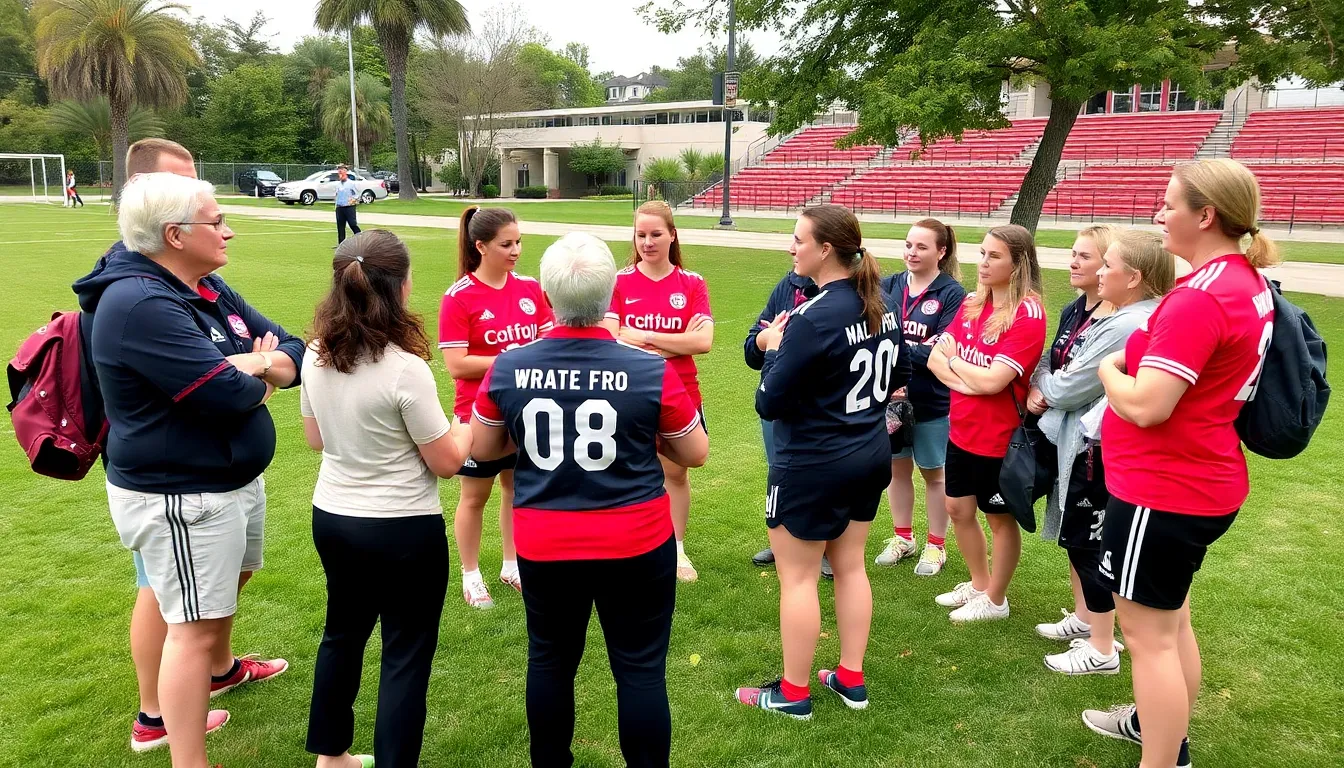
However, there are potential opportunities that could arise from these changes. A rebranding of the league could attract new sponsors and partners, enhancing financial support for teams. Additionally, a revamped format may increase the visibility of women’s football, drawing in a broader audience and fostering greater community support. This could lead to enhanced revenue streams from merchandise sales and ticket sales as interest in the league grows.
- Teams: Need to adapt to new operational strategies and financial planning.
- Fans: May experience shifts in engagement and attendance.
- Sponsors: Potential for increased interest and investment in women’s football.
- Community: Opportunity for greater local support and visibility of women’s sports.
In the mid-term, the impact on policy could be significant. As the league grows in popularity, there may be increased pressure on governing bodies to support women’s sports through funding and resources. This could lead to more equitable investment in women’s leagues across the board, ultimately benefiting players and fans alike. However, if the changes do not resonate well with stakeholders, there is a risk of alienating long-time supporters, which could hinder the league’s growth.
A: The Women’s League Cup will undergo a name change and a new format aimed at increasing competitiveness and viewership. A: The changes are part of an effort to modernize the league and attract a larger audience, responding to the growing interest in women’s sports. A: The new format is expected to create more exciting matchups and provide teams with better opportunities for exposure and development. A: The changes are set to be implemented in the upcoming season, with specific dates to be announced. A: While the name will change, the league’s history and achievements will still be honored and recognized.
Frequently asked questions about the Women’s League Cup changes
Key takeaways and future outlook for the Women’s League Cup
The upcoming changes to the Women’s League Cup, including its name and format, signal a significant shift in the landscape of women’s football. These adjustments aim to enhance visibility and engagement, reflecting the growing popularity of the sport. Stakeholders will need to adapt to these changes, ensuring that they align with the evolving expectations of fans and participants alike.
As the competition evolves, it will be crucial to monitor how these changes impact team participation, fan engagement, and overall viewership. The success of the new format will likely depend on strategic marketing efforts and the ability to attract a broader audience, both domestically and internationally.
- Watch for the impact of the new format on team strategies and player development.
- Increased marketing efforts may lead to higher attendance and viewership, making it essential to analyze fan engagement metrics.
- Consider the implications of the name change on branding and sponsorship opportunities for the league.
- Monitor how these changes influence the growth of women’s football at grassroots levels.
- Anticipate potential shifts in media coverage and broadcasting deals as interest in the league increases.