


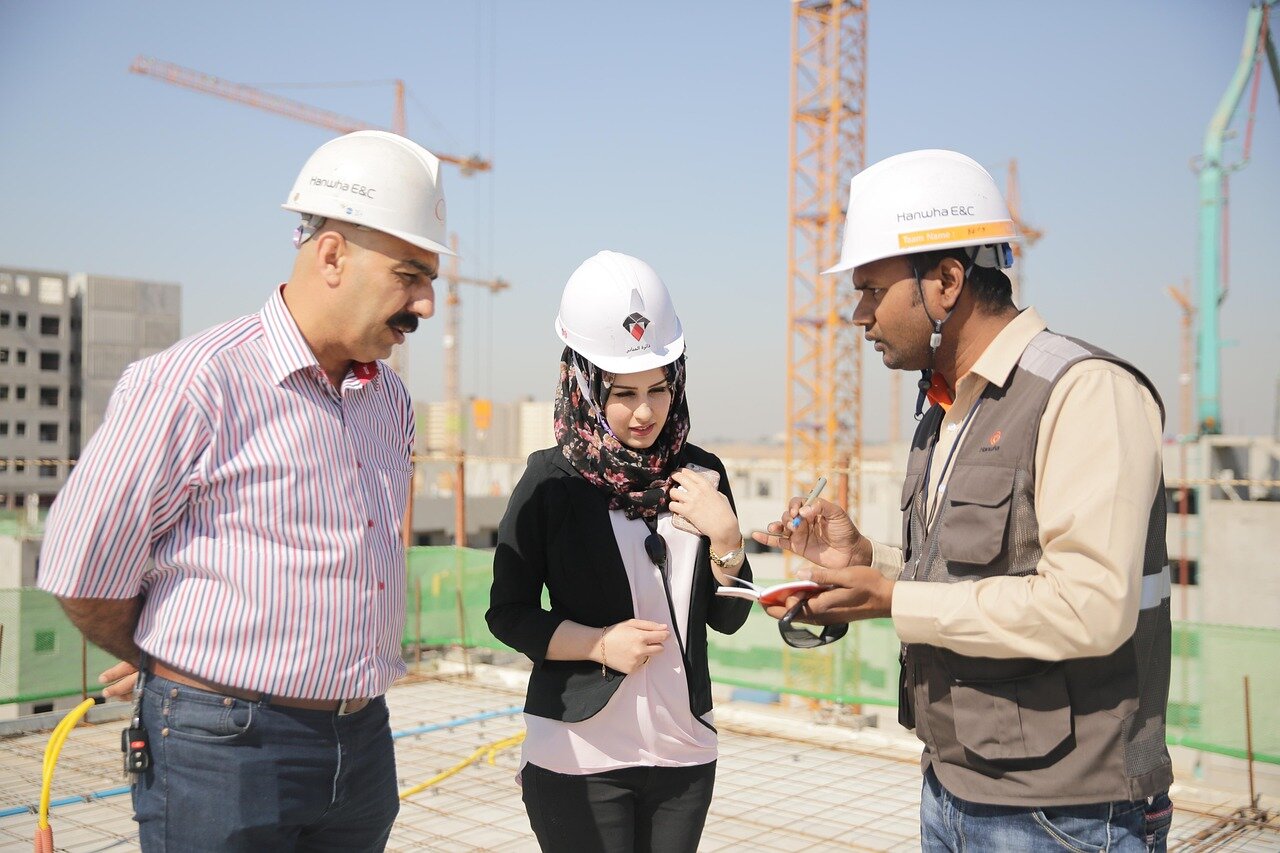
Notable female architects, such as Zaha Hadid and Jeanne Gang, have gained international acclaim for their innovative designs, including the Guangzhou Opera House and the Aqua Tower, respectively. These projects not only showcase their architectural prowess but also serve as inspiration for aspiring female architects worldwide. For more insights into how these projects impact modern design, check out the article on Is the Chelsea project finally working. Their success underscores the importance of visibility and representation in a traditionally male-dominated profession.
In recent years, various initiatives have emerged to support women in architecture. Organizations like the National Organization of Minority Architects (NOMA) and the Association for Women in Architecture (AWA) are actively working to create networking opportunities and mentorship programs. These efforts aim to empower women and foster a more inclusive environment in the architectural community.
Furthermore, the global conversation around gender equity in architecture has gained momentum, particularly during events like the Venice Architecture Biennale. In 2021, the theme “How will we live together?” prompted discussions about inclusivity and the role of female architects in shaping urban environments. Such platforms are crucial for addressing systemic issues and promoting diverse perspectives in architectural practices.
Historical Context of Women in Architecture
The role of women in architecture has evolved significantly over the centuries, often reflecting broader societal changes. Historically, women were excluded from formal architectural education and professional practice, which was dominated by men. This exclusion was rooted in patriarchal norms that limited women’s opportunities in various fields, including the arts and sciences. However, as the feminist movements gained momentum in the 20th century, a gradual shift began to take place, allowing women to claim their rightful place in architecture.
One of the key milestones in this journey was the establishment of the first architectural schools that admitted women, such as the École des Beaux-Arts in France in the late 19th century. Pioneering architects like Louise Blanchard Bethune and Julia Morgan broke barriers, with Morgan becoming the first woman to be admitted to the architecture program at the University of California, Berkeley, and later the first woman to become a licensed architect in California. Their achievements set precedents that inspired future generations of female architects.
Social and Political Changes
As women fought for suffrage and equal rights throughout the 20th century, their presence in architecture began to increase. The post-World War II era saw a significant rise in the number of women entering the workforce, including architecture. This period was marked by an increasing recognition of women’s contributions to society, as well as a demand for more inclusive and diverse perspectives in design. Female architects began to challenge traditional architectural practices and introduced innovative approaches that reflected their unique experiences.
Today, the impact of female architects is evident in various landmark projects, from community-centric designs to sustainable architecture. The emergence of organizations such as the Association of Women Architects and Designers has further supported women’s advancement in the field, advocating for equality and visibility. As society continues to evolve, so too does the recognition of the brilliance and creativity that women bring to architecture, transforming spaces and shaping the built environment. To understand more about innovative approaches in design, you might be interested in exploring Exploring the Benefits of Seal Milk in Modern Agriculture.
Key Issues Faced by Female Architects Today
Female architects continue to confront a variety of challenges that stem from historical biases and contemporary societal structures. Despite significant progress, they often find themselves navigating a landscape marked by gender disparities, funding challenges, and representation issues within the architectural community.
One of the primary stakeholders in this scenario is educational institutions that shape the next generation of architects. These institutions have a vested interest in promoting diversity and inclusion within their programs. However, they may struggle to balance traditional curricula with innovative approaches that highlight the contributions of female architects.
Another key actor is the architectural firms themselves, where leadership roles are predominantly held by men. This imbalance can lead to conflicts regarding project leadership and decision-making processes. Female architects often face trade-offs between career advancement and maintaining a work-life balance, which can be particularly challenging in high-pressure environments.
- Funding Disparities: Female-led projects often receive less funding compared to their male counterparts, limiting their ability to realize ambitious designs.
- Representation in Leadership: Women remain underrepresented in leadership positions within architectural firms, affecting mentorship opportunities and visibility.
- Gender Bias in Client Relations: Female architects may encounter biases from clients who prefer working with male architects, impacting project acquisition.
- Work-Life Balance Challenges: The demanding nature of architectural projects can complicate the ability of female architects to balance personal and professional responsibilities.
Government policies also play a crucial role in shaping the landscape for female architects. Initiatives aimed at promoting gender equality in the workforce can lead to increased opportunities for women in architecture. However, the effectiveness of these policies often depends on the political climate and the commitment of local governments to enforce them.
The Influence of Female Architects on Communities and Markets
The work of female architects is reshaping communities and industries, influencing various groups including urban planners, local governments, and construction firms. Regions that prioritize gender diversity in architecture are seeing innovative designs that reflect the needs of their populations, enhancing both functionality and aesthetic appeal. This shift is particularly evident in urban areas where the integration of thoughtful design can address issues such as housing shortages and public space utilization. To learn more about current matchups that involve strategic planning in urban environments, consider the analysis in Boro aim to rein in soaring Sky Blues as top two meet.
In the short term, communities can expect increased engagement in local architecture projects. Female architects often bring unique perspectives that prioritize sustainability and inclusivity, leading to buildings and public spaces that foster community interaction. This can result in revitalized neighborhoods that draw in businesses and tourism, ultimately boosting local economies.
Mid-term impacts may include policy changes as governments recognize the value of diverse architectural voices. As female architects gain visibility and influence, we may see new regulations that promote gender equity in the field, encouraging more women to enter architecture and related industries. This can lead to a broader range of design solutions that address social issues such as accessibility and environmental sustainability.

- Risks: The potential for backlash against these changes exists, particularly in regions resistant to progressive ideas.
- Opportunities: Enhanced collaboration across sectors can lead to innovative projects that improve urban living conditions.
- Market Growth: Increased demand for sustainable and inclusive designs may open new markets for female architects.
Ultimately, the brilliance of female architects is not only transforming physical spaces but also creating a ripple effect that influences societal norms and economic structures, paving the way for a more equitable future in architecture and beyond.
A: Female architects have designed numerous significant projects, including the Heydar Aliyev Center by Zaha Hadid and the National Museum of African American History and Culture by David Adjaye. A: The role of women in architecture has evolved from limited participation to a more prominent presence, with many women now leading major architectural firms and projects. A: Female architects often face challenges such as gender bias, lack of representation in leadership roles, and work-life balance issues that can hinder their career advancement. A: Representation in architecture is crucial as it leads to diverse perspectives in design, which can result in more inclusive and innovative spaces that cater to a broader audience. A: Yes, there are several organizations, such as the National Organization of Minority Architects and the Association for Women in Architecture, that support and promote the work of female architects.
Frequently Asked Questions About Female Architects
Looking Ahead: The Future of Women in Architecture
The ongoing evolution of architecture is increasingly shaped by the innovative contributions of female architects, who bring diverse perspectives and solutions to the field. As society continues to recognize the importance of inclusivity in all sectors, the architectural landscape is primed for transformative change driven by women’s unique insights and experiences. This shift not only enhances the aesthetic and functional aspects of design but also addresses broader societal challenges.
Observing the trajectory of female architects reveals a promising future where their influence is likely to expand further. As they break barriers and redefine traditional notions of space and structure, the architectural community and society at large stand to benefit from their visionary approaches.
- Increased Representation: Expect more female voices in leadership roles within architectural firms and organizations, fostering a more equitable industry.
- Innovative Designs: Watch for a rise in projects that prioritize sustainability and community engagement, reflecting the values often championed by female architects.
- Educational Shifts: Anticipate changes in architectural education that emphasize diversity and inclusivity, encouraging the next generation of architects.
- Collaboration Across Disciplines: Look for increased collaboration between female architects and other professionals, leading to holistic design solutions that address complex urban challenges.
- Global Influence: Keep an eye on how female architects from diverse cultural backgrounds are reshaping architectural norms on a global scale.