


The new M1 is expected to offer improved power delivery and handling, addressing previous performance shortcomings. Yamaha’s engineering team has been working diligently to refine the bike’s aerodynamics and electronic systems, which are crucial for success in the highly competitive MotoGP environment. The launch was announced during a press event held on October 15, 2023, where Yamaha executives highlighted the bike’s innovative features, like its engine configuration.
This move is particularly noteworthy as Yamaha has traditionally used a inline-four engine configuration in its MotoGP machines. The switch to a V4 engine aligns with trends seen in the sport, where manufacturers like Ducati and Honda have found success with similar setups. By adopting this new technology, Yamaha aims to attract both fans and top-tier riders looking for a competitive edge.
The 2026 season is anticipated to be a pivotal year for Yamaha, with the V4-powered M1 expected to debut at the opening race in March. As teams prepare for the upcoming season, the focus will be on testing and refining the new bike to ensure it meets the demands of the track. Yamaha’s commitment to innovation and performance will be closely watched as the MotoGP landscape continues to evolve.
The evolution of Yamaha’s racing technology and its significance
Yamaha has a storied history in motorcycle racing, marked by continuous innovation and a commitment to performance. Since entering the MotoGP arena in the early 2000s, Yamaha has evolved its racing technology, adapting to changing regulations and competitive pressures. The introduction of the V4-powered M1 for the 2026 MotoGP season represents a significant milestone in this journey, reflecting Yamaha’s response to the demands of modern racing, similar to moves by other manufacturers.
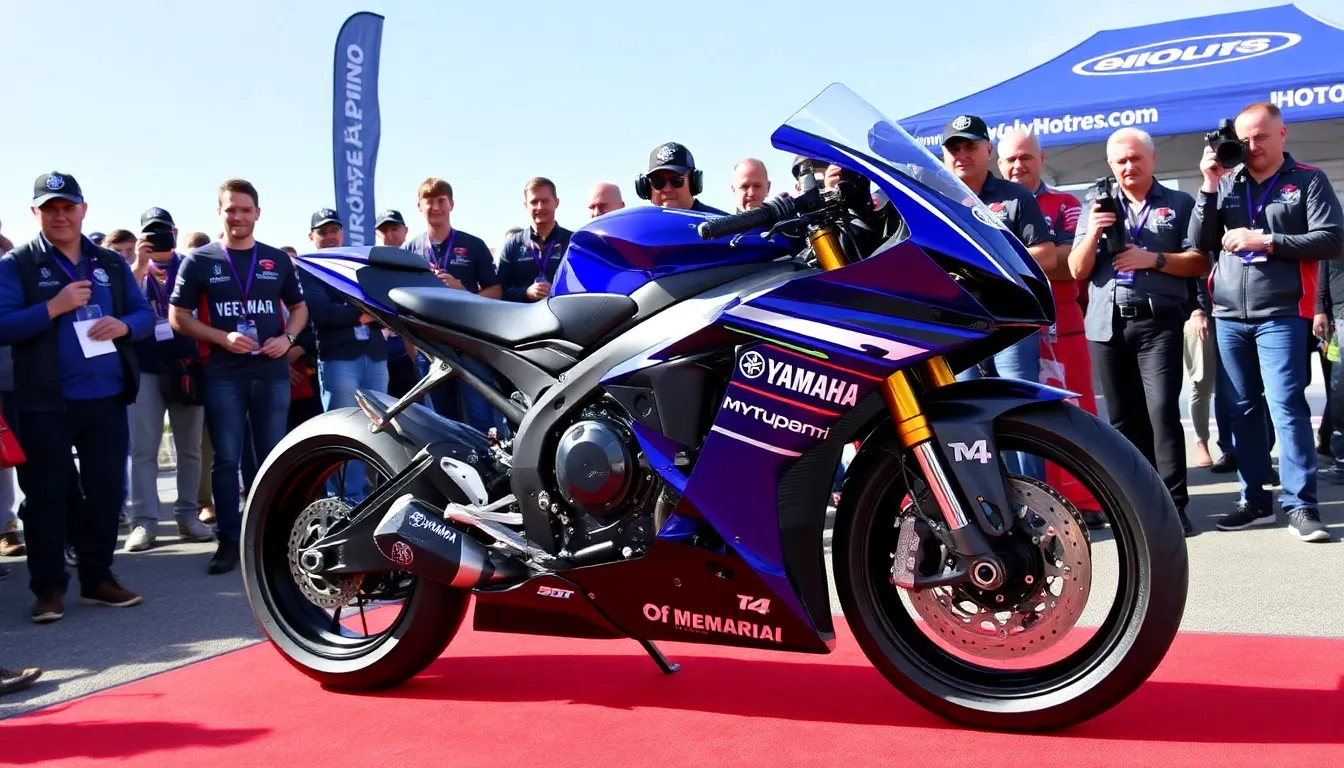
The transition to a V4 engine configuration is a notable shift for Yamaha, which has traditionally relied on its inline-four engines. This change is not only a technical evolution but also a strategic move to enhance power delivery and improve handling characteristics. The decision to embrace a V4 design is influenced by the successes of competitors that have utilized similar configurations, showcasing the need for Yamaha to innovate to remain competitive in the fast-evolving MotoGP landscape.
Historically, Yamaha’s M1 has been a symbol of high performance, with numerous championships under its belt. Key milestones, such as the introduction of advanced electronic systems and aerodynamics, have continually pushed the boundaries of what is possible in motorcycle racing. The V4-powered M1 aims to build upon this legacy, incorporating cutting-edge technology to optimize performance on the track and meet the rigorous demands of professional racing.
Technological advancements and competitive landscape
The competitive landscape of MotoGP has seen rapid technological advancements, with manufacturers investing heavily in research and development. Yamaha’s decision to launch a V4 engine comes at a time when rivals are leveraging advanced materials and hybrid technologies to gain an edge. The introduction of the V4 engine is expected to not only enhance Yamaha’s performance but also to align with the growing trend of manufacturers exploring alternative engine configurations to maximize efficiency and speed, just as seen with recent shifts in other sports.
Key stakeholders and implications of the new V4 engine
The launch of Yamaha’s V4-powered M1 for the 2026 MotoGP season involves several key stakeholders, each with distinct interests and potential impacts on the racing landscape. The primary stakeholders include Yamaha Motor Co., MotoGP organizers, competing manufacturers, teams, riders, and fans.
Yamaha Motor Co. is at the forefront of this development, aiming to enhance its competitive edge in MotoGP. The introduction of a V4 engine is a strategic move to improve performance and reliability, which could lead to better race results and increased brand visibility. However, this shift also raises concerns about the costs associated with research and development, as well as the need for teams to adapt to new technology.
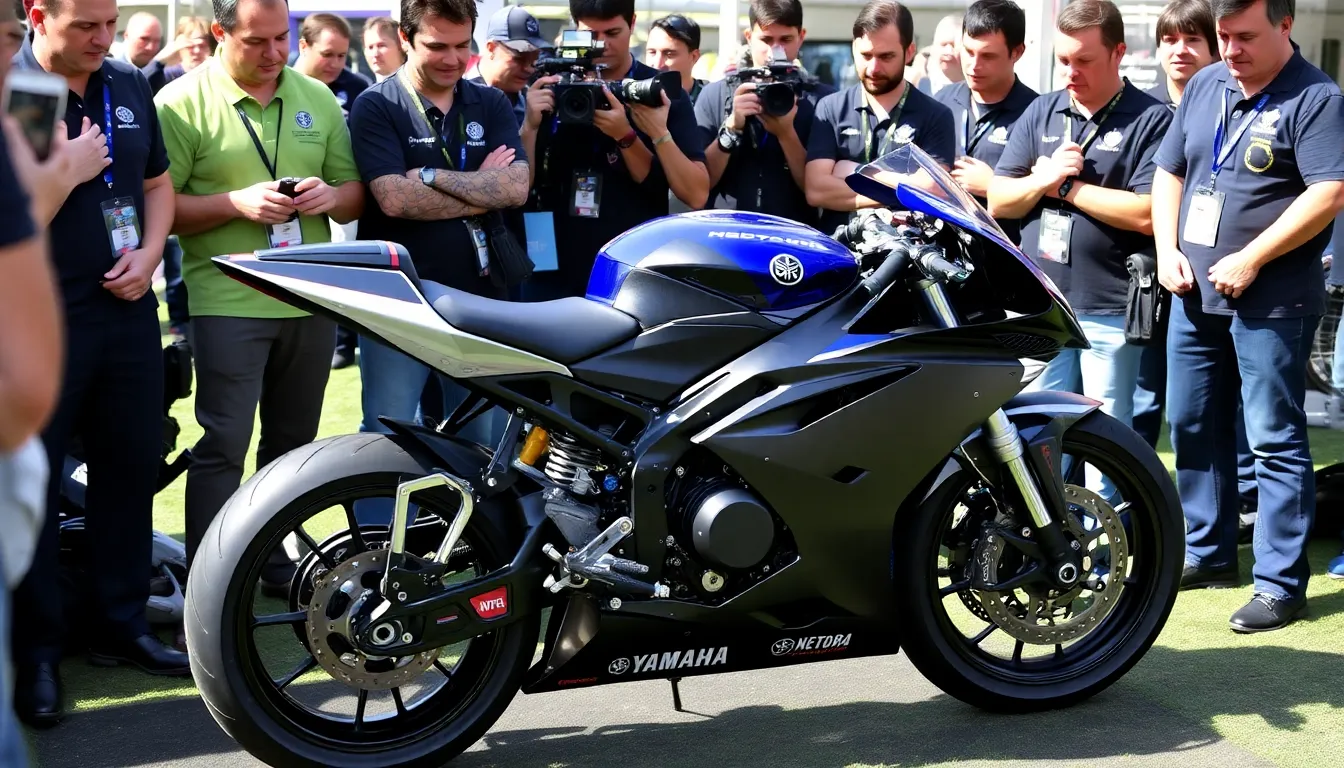
Competing manufacturers such as Ducati and Honda will closely monitor Yamaha’s advancements, as the introduction of a V4 engine could disrupt existing competitive dynamics. These companies may respond by accelerating their own technological innovations, leading to an arms race in engine development. This scenario presents a trade-off between innovation and the financial sustainability of teams, particularly smaller ones that may struggle to keep pace with the escalating costs of new technologies.
- Market Competition: Increased rivalry among manufacturers could lead to a more exciting championship but may also marginalize less financially robust teams.
- Regulatory Compliance: Yamaha must ensure that its new engine adheres to MotoGP regulations, which are subject to change and can impact development timelines.
- Fan Engagement: The introduction of a new engine type may attract more fans to the sport, but it could also alienate traditionalists who favor the existing format.
- Environmental Concerns: The MotoGP community faces pressure to address sustainability, and Yamaha’s new engine design will need to consider emissions and fuel efficiency.
Ultimately, the launch of Yamaha’s V4-powered M1 is poised to reshape the competitive landscape of MotoGP. As stakeholders navigate the complexities of innovation, regulation, and market dynamics, the implications of this development will resonate throughout the sport for years to come.
How the new M1 will affect competitors and the MotoGP landscape
The launch of Yamaha’s V4-powered M1 for the 2026 MotoGP season is set to create ripples across the motorsport industry, affecting not only competitors but also manufacturers, sponsors, and fans. As Yamaha pushes the boundaries of performance and technology, rival teams will be forced to adapt quickly to maintain their competitive edge.
In the short term, Yamaha’s innovation could lead to increased pressure on other manufacturers to enhance their own bike designs. Teams such as Ducati, Honda, and Suzuki may need to accelerate their research and development efforts, potentially reallocating resources and reshaping their strategies. This could result in a more competitive racing environment, leading to thrilling races and heightened fan engagement.
In the mid-term, the introduction of the V4 engine could impact sponsorship dynamics within the MotoGP ecosystem. Companies looking to align themselves with cutting-edge technology and performance may flock to Yamaha, increasing their visibility and market share. Conversely, teams struggling to keep pace with Yamaha’s advancements may find it challenging to attract new sponsors, impacting their financial viability.
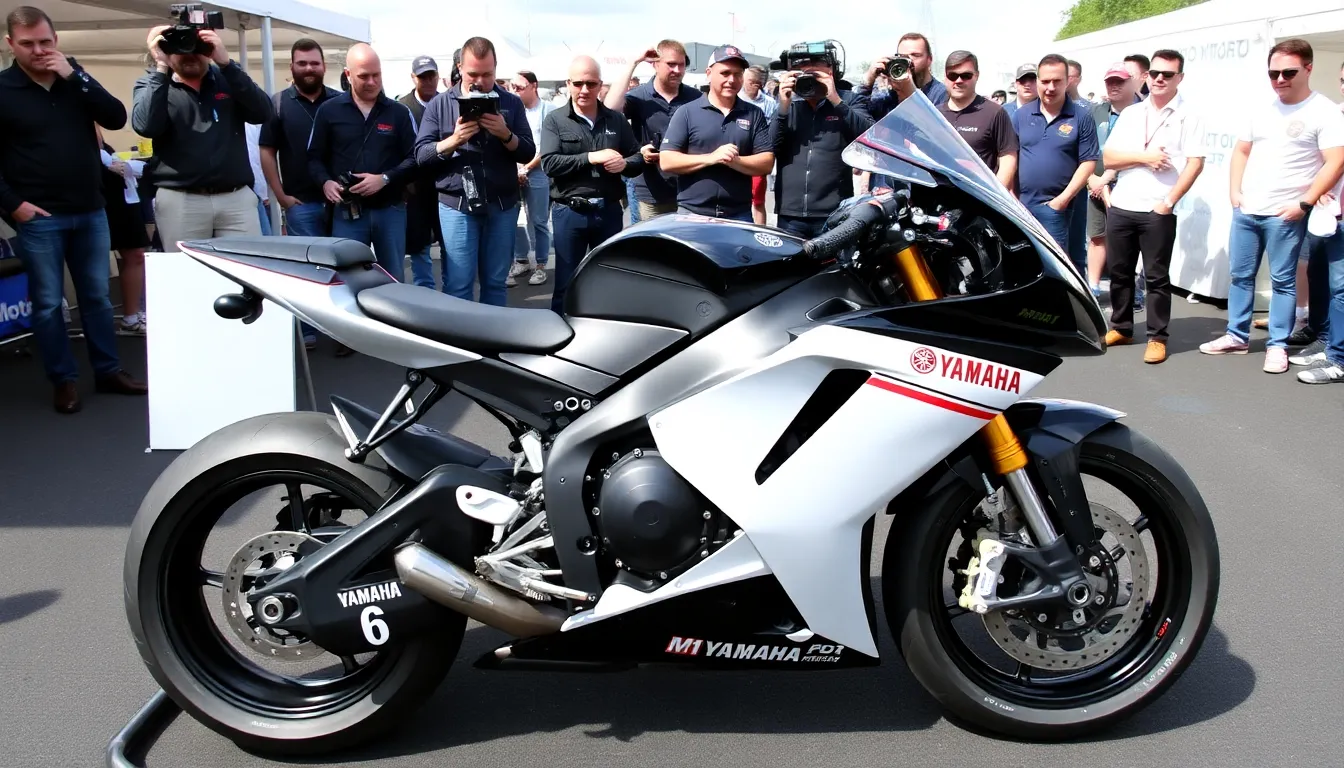
- Increased competition: Other manufacturers will need to innovate rapidly.
- Sponsorship shifts: Brands may prefer Yamaha for its technological edge.
- Fan engagement: More competitive races could lead to increased attendance and viewership.
- Potential risks: Teams unable to adapt may face financial struggles.
Regions with a strong motorsport culture, such as Italy and Spain, will likely see a surge in local interest and investment due to the heightened competition. Additionally, the advancement in technology could lead to collaborations between Yamaha and tech companies, fostering innovation beyond the racetrack and into consumer products.
A: The new V4-powered M1 features advanced aerodynamics, improved handling, and enhanced power delivery, designed to give Yamaha a competitive edge in the 2026 season. A: Yamaha made the switch to a V4 engine to improve performance and adapt to the evolving demands of MotoGP, aiming to enhance speed and agility on the track. A: The new M1 is expected to be available for testing in early 2026, allowing riders to familiarize themselves with the new technology ahead of the season. A: Yamaha has not yet confirmed the riders for the 2026 season, but there is speculation about potential lineup changes to maximize the M1’s capabilities. A: The V4 engine offers a different power delivery and torque characteristics, which can lead to better acceleration and handling compared to the previous inline-four setup.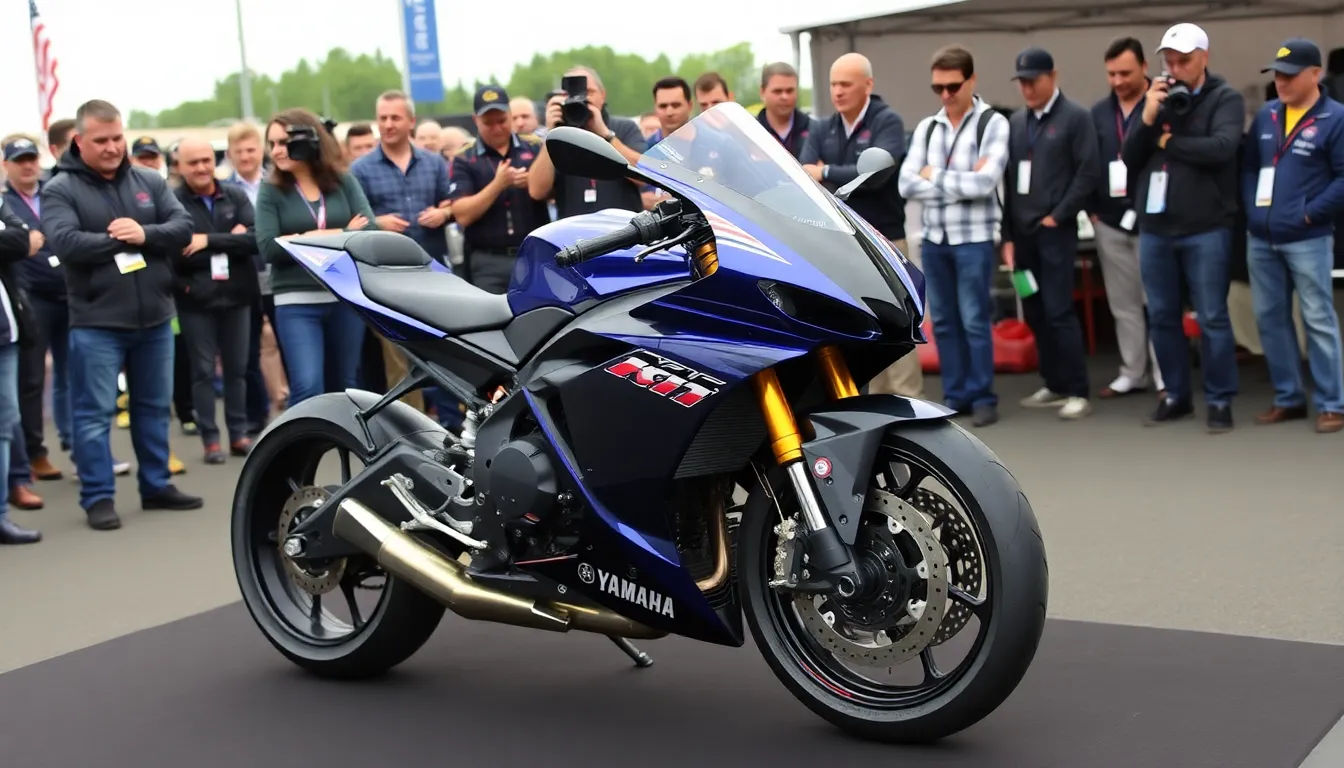
Frequently asked questions about Yamaha’s V4-powered M1
Looking ahead: The future of Yamaha in MotoGP with the V4 M1
The introduction of the V4-powered M1 marks a significant shift in Yamaha’s approach to MotoGP, aiming to enhance performance and competitiveness in the upcoming season. This strategic move not only reflects Yamaha’s commitment to innovation but also highlights the increasing importance of engine technology in the highly competitive landscape of MotoGP.
As Yamaha prepares for the 2026 season, the implications of this transition will be closely monitored by fans and analysts alike. The effectiveness of the V4 engine in delivering speed, agility, and reliability will play a crucial role in determining Yamaha’s standing among its rivals.
- Watch for performance metrics: The initial races will provide critical data on how the V4 M1 compares to competitors.
- Team dynamics will evolve: The adaptation to the new engine may shift team strategies and rider collaborations.
- Fan engagement could increase: A successful launch may boost Yamaha’s fanbase and market presence.
- Long-term implications for R&D: Success with the V4 engine could influence future developments in Yamaha’s motorcycle technology.
- Potential impact on sponsorship: Enhanced performance may attract new sponsorship opportunities, bolstering Yamaha’s financial standing in the sport.