


The partnership comes at a critical time as consumer preferences shift towards advanced display technologies and smart features. By combining resources, both companies hope to innovate and deliver superior products that meet the evolving demands of today’s viewers. Analysts suggest this move could bolster Sony’s position in the market, which has faced increasing pressure from rivals. To learn more about growing competition in the industry, check out our article on recent collaborations.
Moreover, the deal is expected to facilitate cost reductions in production, allowing Sony to offer more competitively priced models without compromising on quality. This could potentially attract a broader customer base, especially among budget-conscious consumers looking for reliable and feature-rich televisions.
As part of the agreement, TCL will also provide its expertise in supply chain management, which is crucial given the ongoing challenges in global logistics. This synergy is anticipated to streamline operations and enhance efficiency, ultimately benefiting both companies and their customers.
Industry experts are closely monitoring this partnership, as it may set a precedent for future collaborations among major players in the TV market. The outcome of this alliance could reshape consumer expectations and redefine competitive strategies in the years to come, similar to how brands are adjusting in the gaming sector, as discussed in our piece on Subway Surfers.
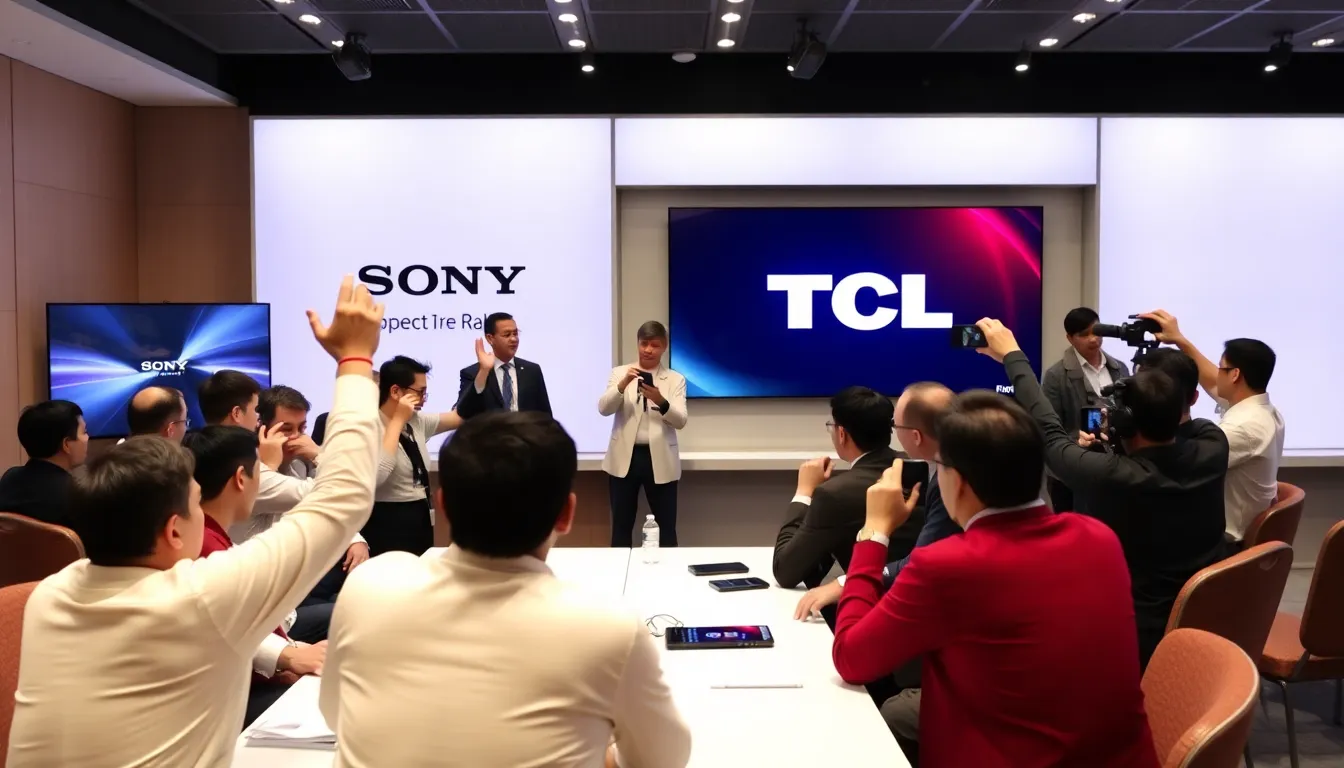
Understanding the historical significance of Sony TVs in the industry
Since the introduction of the first Trinitron television in 1968, Sony has been a pioneer in the television industry, setting standards for picture quality and design. The Trinitron technology revolutionized color television, allowing for brighter images and more accurate color reproduction. This innovation not only solidified Sony’s reputation as a leader in consumer electronics but also influenced the development of subsequent television technologies.
Throughout the 1980s and 1990s, Sony continued to innovate with the introduction of flat-screen technologies, including LCD and later OLED displays. Their commitment to quality and cutting-edge technology helped them maintain a strong market presence, even as competition increased from brands like Samsung and LG. However, the rise of cheaper, mass-produced televisions from companies such as TCL began to challenge Sony’s dominance, forcing the brand to adapt to a rapidly changing market landscape.
The impact of globalization on television manufacturing
The globalization of the electronics market has significantly impacted Sony’s strategy. As manufacturing costs rose in Japan, Sony shifted production to countries with lower labor costs. This transition allowed them to remain competitive but also diluted some aspects of their brand identity, which had been built on high-quality, domestically produced products. The emergence of TCL, a Chinese company that quickly gained market share through aggressive pricing and marketing strategies, further complicated Sony’s position in the industry.
In recent years, Sony has focused on premium products, emphasizing high-end features and superior image quality as a way to differentiate itself from budget brands. However, the growing popularity of affordable yet feature-rich televisions from companies like TCL has sparked discussions about the future of traditional brands in an increasingly price-sensitive market. The recent deal between Sony and TCL could signify a strategic collaboration aimed at revitalizing Sony’s brand while leveraging TCL’s manufacturing capabilities. For further insights on market shifts, read about how Brighton’s leadership changes are impacting their strategies in this article.
This partnership may not only enhance Sony’s competitive edge but also reflect a broader trend in the industry where traditional brands are seeking to adapt to new economic realities. By collaborating with emerging players, Sony may be able to navigate the challenges of a dynamic market, ensuring that its legacy in the television industry continues into the future.
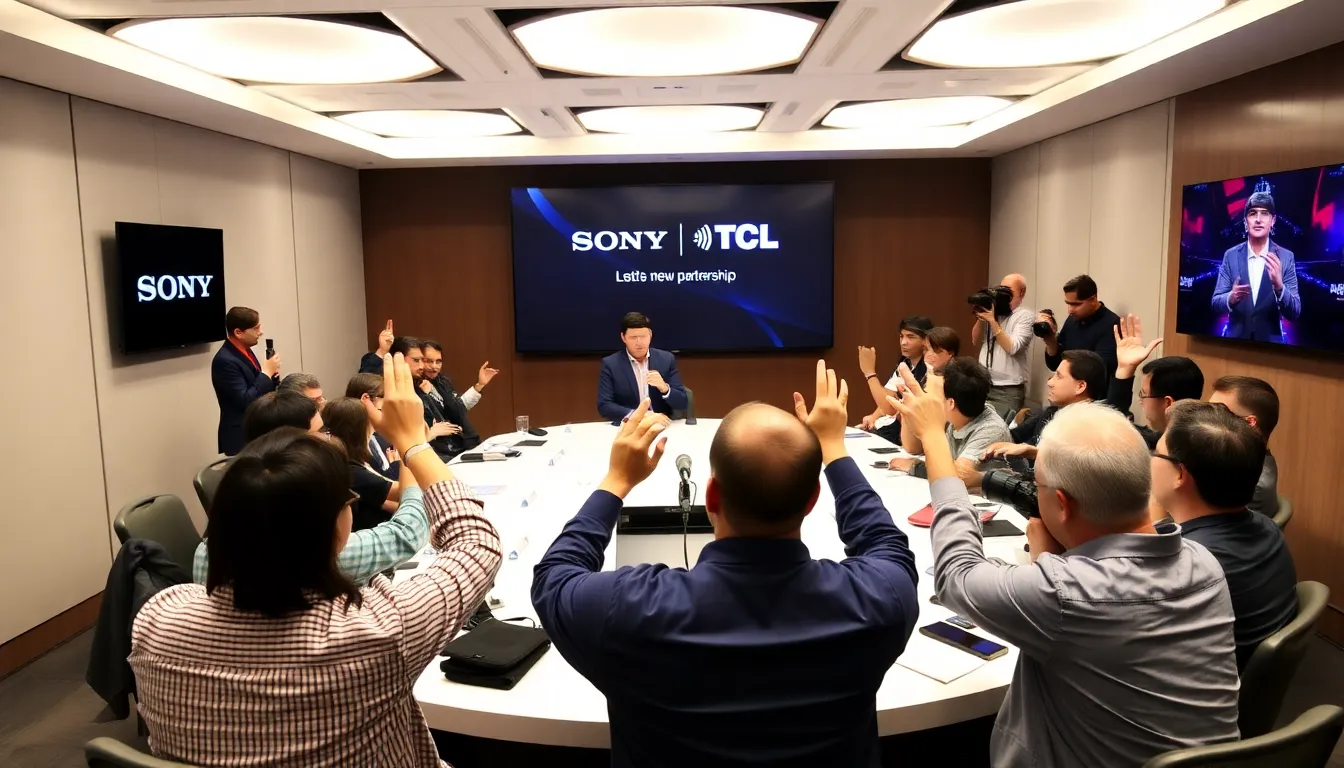
Key stakeholders and issues surrounding the Sony and TCL collaboration
The recent collaboration between Sony and TCL has drawn attention from various stakeholders, each with unique interests and concerns. At the forefront are the two companies themselves, whose strategic partnership aims to enhance their competitive positions in the television market. Sony, known for its premium television offerings, seeks to leverage TCL’s manufacturing capabilities to expand its market reach and reduce production costs.
On the other hand, TCL, a rising star in the global TV market, is interested in solidifying its reputation and increasing its share in the high-end segment. The collaboration could provide TCL with valuable insights into advanced technology and branding strategies that Sony has perfected over the years. However, this partnership may also lead to tensions regarding intellectual property and market positioning.
Additional stakeholders include consumers, who will ultimately benefit from a broader range of products and potentially better pricing as competition intensifies. Retailers and distributors also play a crucial role, as they will need to adapt to the changing landscape of television brands and offerings. Furthermore, regulatory bodies may become involved if the collaboration raises concerns about market monopolization or unfair competitive practices.
- Intellectual Property Issues: Potential conflicts over technology sharing and patents could arise between Sony and TCL.
- Market Competition: The partnership may disrupt existing market dynamics, affecting smaller brands and competitors.
- Consumer Impact: Changes in pricing and product availability could influence consumer choices and satisfaction.
- Regulatory Scrutiny: The collaboration might attract attention from regulatory authorities concerned about anti-competitive behavior.
- Supply Chain Dynamics: The deal could alter existing supply chain relationships and dependencies in the electronics market.
How the deal affects consumers and the broader market
The recent partnership between Sony and TCL is poised to impact various groups, including consumers, retailers, and the broader electronics industry. As Sony aims to enhance its market position, the effects will ripple through supply chains, retail strategies, and consumer choices.
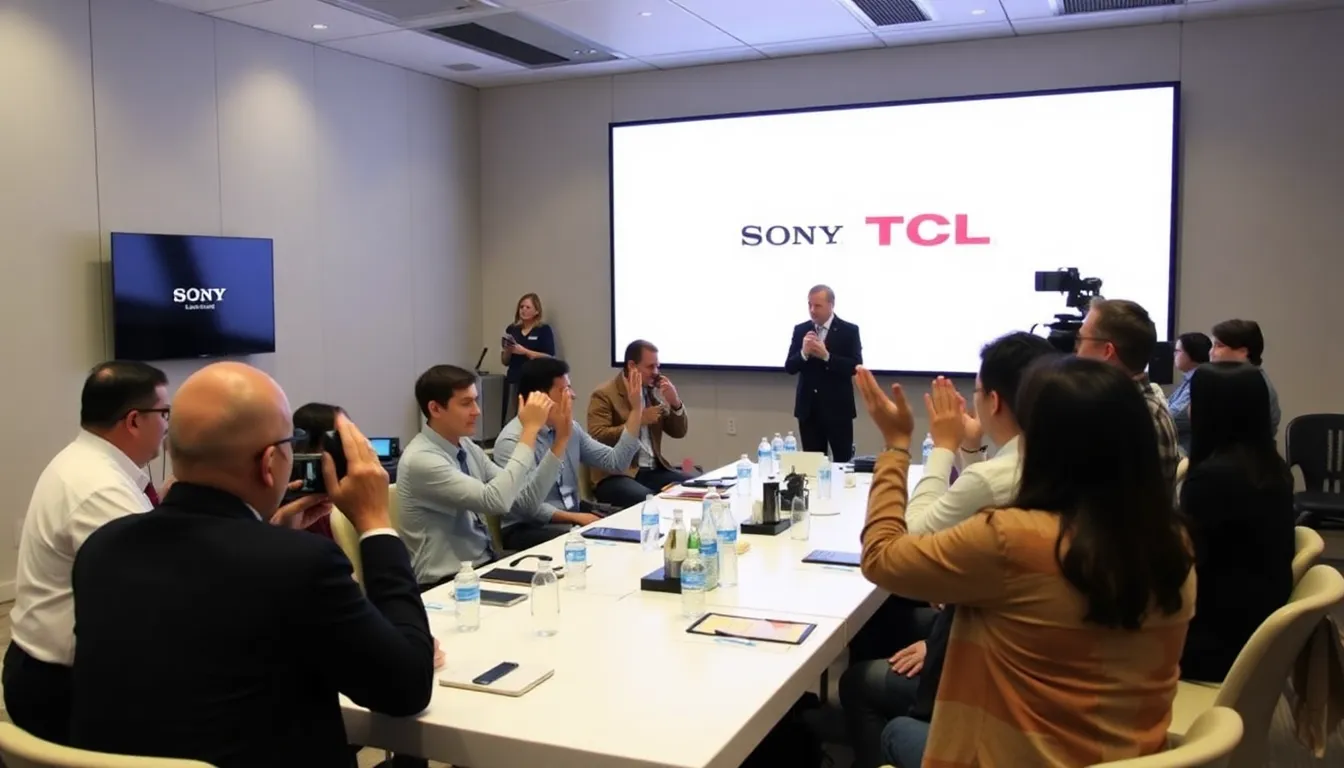
In the short term, consumers may experience an increase in the availability of Sony TVs, potentially leading to competitive pricing and more diverse product offerings. Retailers could see a boost in foot traffic as consumers flock to stores to explore new models and technologies. This partnership may also prompt other brands to innovate or adjust their pricing strategies to remain competitive.
In the mid-term, the collaboration could strengthen Sony’s brand reputation, especially among tech enthusiasts and loyal customers. Improved distribution channels may lead to faster delivery times and enhanced customer service. However, there are risks associated with reliance on TCL’s manufacturing capabilities, which could affect product quality if not managed properly.
- Opportunities: Enhanced product offerings and competitive pricing for consumers.
- Risks: Potential quality control issues due to reliance on TCL’s production.
- Market Impact: Increased competition may drive innovation across the industry.
Regions with strong retail presences for both brands, particularly in North America and Europe, are likely to see the most immediate benefits. However, the partnership’s success will depend on effective marketing strategies and consumer reception, which could vary by region.
A: The deal focuses on collaboration in technology and manufacturing, allowing Sony to leverage TCL’s expertise in LCD and OLED displays. A: Consumers can expect improved technology, better pricing, and enhanced features in future Sony TV models as a result of this collaboration. A: While the partnership presents many opportunities, there is a risk of brand dilution if Sony’s identity is overshadowed by TCL’s influence. A: New products are expected to be unveiled within the next year, showcasing the advancements made through this partnership. A: It is likely that the existing lineup will see enhancements, but the focus will also be on introducing new models that incorporate TCL’s technology.
Frequently asked questions about the Sony and TCL deal
Future outlook for Sony TVs following the TCL partnership
The recent partnership between Sony and TCL signals a potential revitalization for Sony’s television division. As TCL continues to expand its market share and innovate in display technology, the collaboration could lead to enhanced product offerings and improved competitiveness for Sony in the crowded TV market. This strategic alliance may allow Sony to leverage TCL’s advancements while maintaining its reputation for high-quality visuals and sound.
Looking ahead, consumers can expect a more diverse range of Sony TV options that may incorporate cutting-edge features inspired by TCL’s innovations. Additionally, this partnership could result in more competitive pricing strategies, making Sony TVs more accessible to a broader audience. Observing how this collaboration unfolds will be crucial for stakeholders and consumers alike.
- Increased innovation: Expect to see new technologies and features in Sony TVs that align with TCL’s advancements.
- Competitive pricing: The partnership may lead to more attractive pricing models, enhancing consumer accessibility.
- Market share dynamics: Watch for shifts in market positioning as Sony and TCL navigate their collaboration.
- Brand synergy: The partnership could strengthen Sony’s brand presence by integrating TCL’s successful strategies.
- Consumer response: Pay attention to how consumers react to the new offerings as they may influence future product development.