


One significant event that has contributed to this discourse is the release of a series of podcasts dedicated to unraveling the mysteries of dreaming. These episodes feature interviews with experts in psychology and neuroscience, who share insights into how dreams can reflect our subconscious thoughts and feelings. As the public engages with these discussions, there is a growing recognition of the potential therapeutic benefits of understanding one’s dreams. For more on the therapeutic aspects of dreams, check out our article on mental health insights.
Moreover, recent studies have indicated that nightmares, often dismissed as mere disturbances, can serve as important indicators of psychological distress. For instance, a study published in early 2023 highlighted the correlation between frequent nightmares and conditions such as PTSD and anxiety disorders. This research underscores the importance of addressing nightmares not just as a nuisance but as a significant aspect of mental health.
As the conversation around dreams and nightmares evolves, mental health professionals are advocating for greater awareness and exploration of these phenomena. This shift is prompting individuals to reflect on their own dream experiences, leading to a broader societal acknowledgment of the subconscious mind’s role in shaping our waking lives. The intersection of science, psychology, and personal experience continues to captivate audiences, making this an opportune moment for deeper exploration into the world of dreams, similar to the insights shared in recent analyses of cultural impacts.
The Historical Perspective on Dreams and Their Interpretations
Throughout history, dreams have captivated human imagination and curiosity, leading to various interpretations across cultures. In ancient civilizations, such as those of Mesopotamia and Egypt, dreams were often seen as messages from the divine. The Egyptians, in particular, kept detailed records of dreams, believing they held significant prophetic power. This reverence for dreams set the stage for centuries of exploration into their meanings and implications.

In the realm of philosophy, figures like Aristotle and Plato contributed to the understanding of dreams, with Aristotle suggesting that dreams were a reflection of our waking life experiences. The Greek physician Hippocrates also examined dreams, positing that they could provide insights into a person’s health. This early scientific inquiry laid the groundwork for later psychological theories, particularly during the Enlightenment, when rational thought began to challenge mystical interpretations.
The Rise of Psychoanalysis
The 19th and 20th centuries marked a significant turning point in the study of dreams, largely due to the work of Sigmund Freud. In his seminal work, “The Interpretation of Dreams,” Freud proposed that dreams are a window into our unconscious desires and fears. This psychoanalytic approach not only influenced psychology but also permeated popular culture, leading to a fascination with dream analysis that persists today.
As the 20th century progressed, researchers began to explore the physiological aspects of dreaming, particularly with the advent of sleep studies. The discovery of REM (Rapid Eye Movement) sleep in the 1950s revealed that dreams occur in cycles and are linked to brain activity. This scientific breakthrough shifted the focus from purely interpretative frameworks to a more empirical understanding of dreams as a natural biological process.
Today, the study of dreams continues to evolve, incorporating insights from neuroscience, psychology, and cultural studies. The interplay between our dreams and waking life remains a rich area for exploration, as evidenced by contemporary discussions in media, including podcasts that delve into the surprising science of dreams and nightmares. This ongoing dialogue reflects humanity’s enduring quest to understand the complexities of the mind and the significance of our nightly narratives, much like the new findings discussed in recent research articles.
Key Issues Surrounding Dream Research and Its Implications
The exploration of dreams and nightmares has garnered attention from various stakeholders, including researchers, mental health professionals, and the general public. Each group has distinct interests that shape the discourse surrounding dream science. For instance, researchers are motivated by the desire to understand the neurological and psychological mechanisms behind dreaming, while mental health professionals seek to apply this knowledge to treat conditions such as PTSD and anxiety disorders.
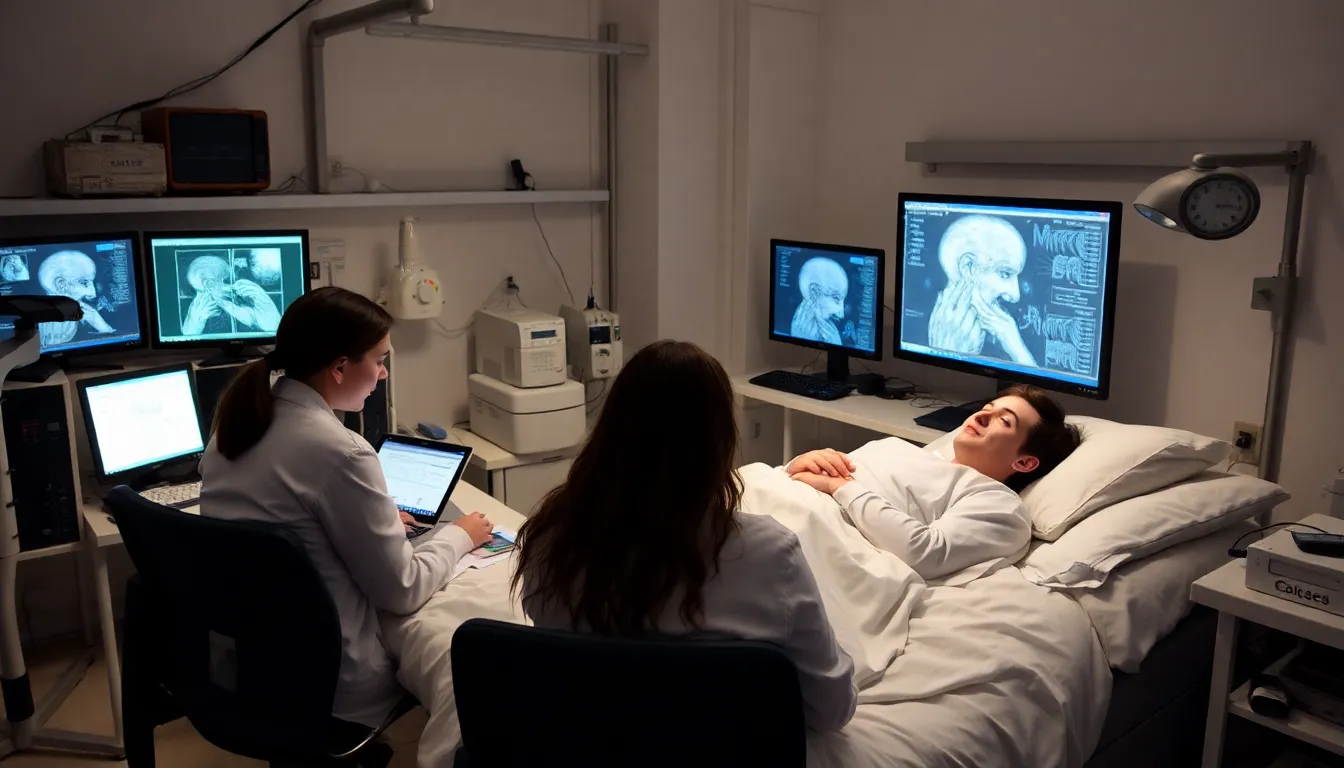
Conflicts often arise between scientific inquiry and public perception. While researchers advocate for the importance of studying dreams as a window into the subconscious, some segments of the public may dismiss this work as esoteric or irrelevant. Additionally, there is a tension between the commercialization of dream analysisoften seen in self-help literature and appsand the rigorous scientific approach that researchers strive to maintain.
Key legal and ethical issues also emerge in the context of dream research. For example, the use of dream data in therapeutic settings raises questions about privacy and consent. Furthermore, the potential for misinterpretation of dream analysis could lead to harmful practices if not grounded in scientific evidence. The following points highlight significant considerations:
- Research Funding: The availability of grants and funding sources can influence the direction of dream research.
- Ethical Standards: Ensuring that dream studies adhere to ethical guidelines is crucial for participant safety and data integrity.
- Public Misunderstanding: Misinformation about the nature of dreams can lead to skepticism about scientific findings.
- Commercialization Risks: The rise of dream interpretation apps may prioritize profit over scientific accuracy.
- Cultural Perspectives: Different cultural beliefs about dreams can affect how research findings are received and interpreted.
How Dreams and Nightmares Affect Mental Health and Wellbeing
The exploration of dreams and nightmares has significant implications for various groups, including mental health professionals, educators, and individuals experiencing sleep disturbances. Understanding the science behind these phenomena can help in developing better therapeutic approaches and educational programs aimed at enhancing mental health.
In the short term, individuals suffering from frequent nightmares may experience heightened anxiety, decreased productivity, and impaired social interactions. This can lead to increased demand for mental health services, creating pressure on healthcare providers to address these issues effectively. Additionally, businesses may notice a decline in employee performance due to poor sleep quality, affecting overall productivity.
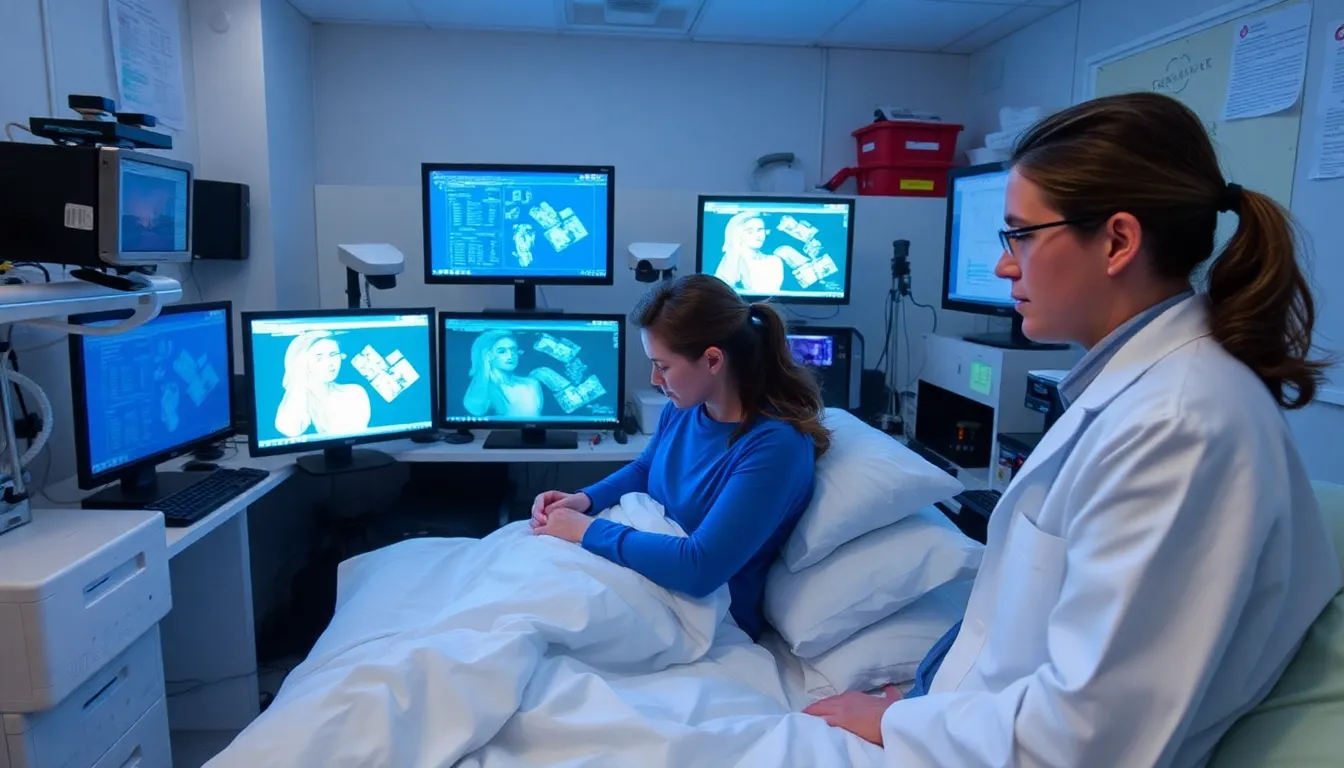
In the mid-term, there could be a shift in workplace policies as organizations begin to recognize the importance of mental health. Companies may implement wellness programs that focus on sleep hygiene and stress management, ultimately fostering a healthier work environment. This shift could also lead to increased investment in sleep-related products and services, creating new market opportunities.
- Risks: Increased mental health issues, reduced workplace productivity, and higher healthcare costs.
- Opportunities: Growth in wellness industries, development of sleep therapy programs, and enhanced employee support systems.
Regions with high stress levels or sleep-related disorders may particularly benefit from advancements in dream research. Policymakers could consider integrating sleep health into public health initiatives, promoting awareness and resources for managing sleep-related issues across communities.
A: Nightmares can be triggered by various factors including stress, anxiety, and certain medications. They often reflect unresolved issues or fears. A: Many researchers believe that dreams can provide insights into our subconscious mind, although interpretations can vary widely. A: Keeping a dream journal and practicing mindfulness before sleep can enhance your ability to remember dreams. A: Yes, everyone dreams, although some may not remember their dreams upon waking. A: Yes, various therapeutic approaches, including cognitive-behavioral therapy, can help reduce the frequency and intensity of nightmares.
Frequently Asked Questions about Dreams and Nightmares
Insights and Future Directions in Dream Research
The exploration of dreams and nightmares has unveiled a complex interplay between our subconscious and conscious minds, revealing deeper layers of human psychology. As research continues to evolve, understanding the mechanisms behind these nocturnal experiences can provide valuable insights into mental health, creativity, and emotional processing.
Future studies may focus on the therapeutic potential of dreams, offering innovative approaches to address anxiety and trauma. As we further decode the science of dreaming, it becomes essential to consider how these findings can be applied in practical settings, enhancing both individual well-being and broader psychological practices.
- Monitor Sleep Quality: Prioritize good sleep hygiene to enhance dream recall and reduce nightmares.
- Explore Dream Journaling: Encourage keeping a dream journal to identify patterns and themes that may reflect waking life issues.
- Engage in Lucid Dreaming Techniques: Investigate methods to become aware during dreams, which may empower individuals to confront fears and anxieties.
- Consider Therapeutic Approaches: Look into therapies that utilize dream analysis as a tool for emotional healing and self-discovery.
- Stay Informed on Research Advances: Keep abreast of new findings in dream research to better understand its implications for mental health.