


Arteta’s comments come in the wake of a series of impressive performances from both established stars and emerging talents. The Gunners have demonstrated their resilience and versatility, particularly during a busy schedule that includes domestic league matches and European fixtures. This depth has allowed Arteta to rotate players effectively without sacrificing performance levels. For more insights on football strategies, check out The Evolution of Heated Rivalry from Fan-Fiction to TV Sensation.
Key players such as Bukayo Saka and Gabriel Martinelli have continued to shine, while new signings have integrated seamlessly into the squad. The competition for starting spots has intensified, pushing players to elevate their game, which Arteta believes is crucial for maintaining momentum throughout the season.
The manager’s acknowledgment of the squad’s depth not only reflects confidence in his players but also serves as a warning to rivals about Arsenal’s potential. With the season still in its early stages, the ability to draw on a rich pool of talent could prove decisive in their pursuit of silverware, making the current situation one to watch closely. Fans eager to learn about transfer news can read about how Tottenham secured Gallagher from Atletico.
Understanding the significance of squad depth in modern football
In recent years, the importance of squad depth in football has become increasingly apparent, particularly in leagues where the competition is fierce and the fixture schedule is demanding. Clubs like Arsenal have recognized that having a deep roster of quality players is essential not only for domestic success but also for competing on multiple fronts, including European tournaments. This shift in strategy can be traced back to the growing physical and tactical demands of the game, which require teams to adapt quickly and effectively throughout the season.
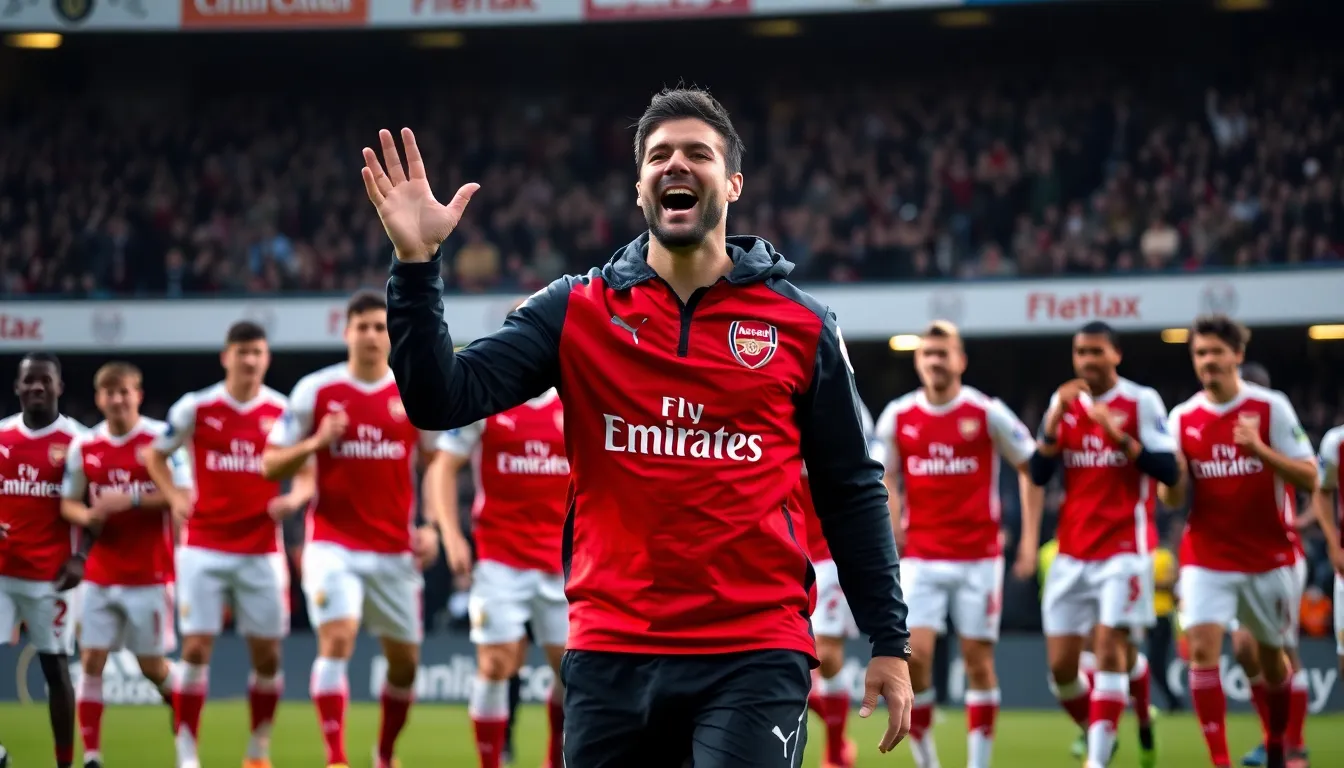
The rise of sports science and analytics has played a crucial role in shaping how clubs approach squad composition. Coaches and management now prioritize having versatile players who can perform in various positions and adapt to different playing styles. This has led to an increased focus on youth academies and scouting networks, allowing clubs to build a robust pipeline of talent. Arsenal’s commitment to nurturing young players, combined with strategic signings, has positioned them well in the current football landscape.
The evolution of Arsenal’s approach
Historically, Arsenal has been known for its emphasis on attacking football and developing homegrown talent. However, the club’s recent performances have highlighted the need for a more balanced approach, especially as they seek to reclaim their status among the elite in English and European football. Key milestones, such as the appointment of Mikel Arteta as head coach, have signaled a pivotal shift towards a more holistic view of squad management. Arteta’s vision emphasizes not only technical ability but also mental resilience and teamwork, which are critical in navigating the rigors of a long season.
Moreover, the financial landscape of football has also influenced how clubs build their squads. With the advent of lucrative broadcasting deals and sponsorship agreements, teams are now able to invest more heavily in player acquisitions. Arsenal’s recent transfer activity reflects this trend, as they have brought in a mix of established stars and promising young talent, ensuring that they have the depth necessary to compete at the highest levels.
Analyzing how squad depth impacts team performance and tactics
Arsenal’s manager, Mikel Arteta, has recently praised the depth of quality within his squad, highlighting its significance in maintaining high performance throughout the season. This statement underscores the critical role that player availability and versatility play in a team’s success, especially in a demanding league like the Premier League. To understand more about managerial changes, you can refer to the article on Paratici leaving Spurs for Fiorentina.
Key stakeholders in this context include the club’s management, coaching staff, players, and fans. The club’s management is primarily interested in maximizing the team’s performance to achieve success in competitions, which can lead to increased revenue from ticket sales, merchandise, and broadcasting rights. The coaching staff, led by Arteta, focuses on tactical flexibility and player development, while players are motivated by personal performance and career advancement. Fans, on the other hand, seek entertainment and success on the pitch.
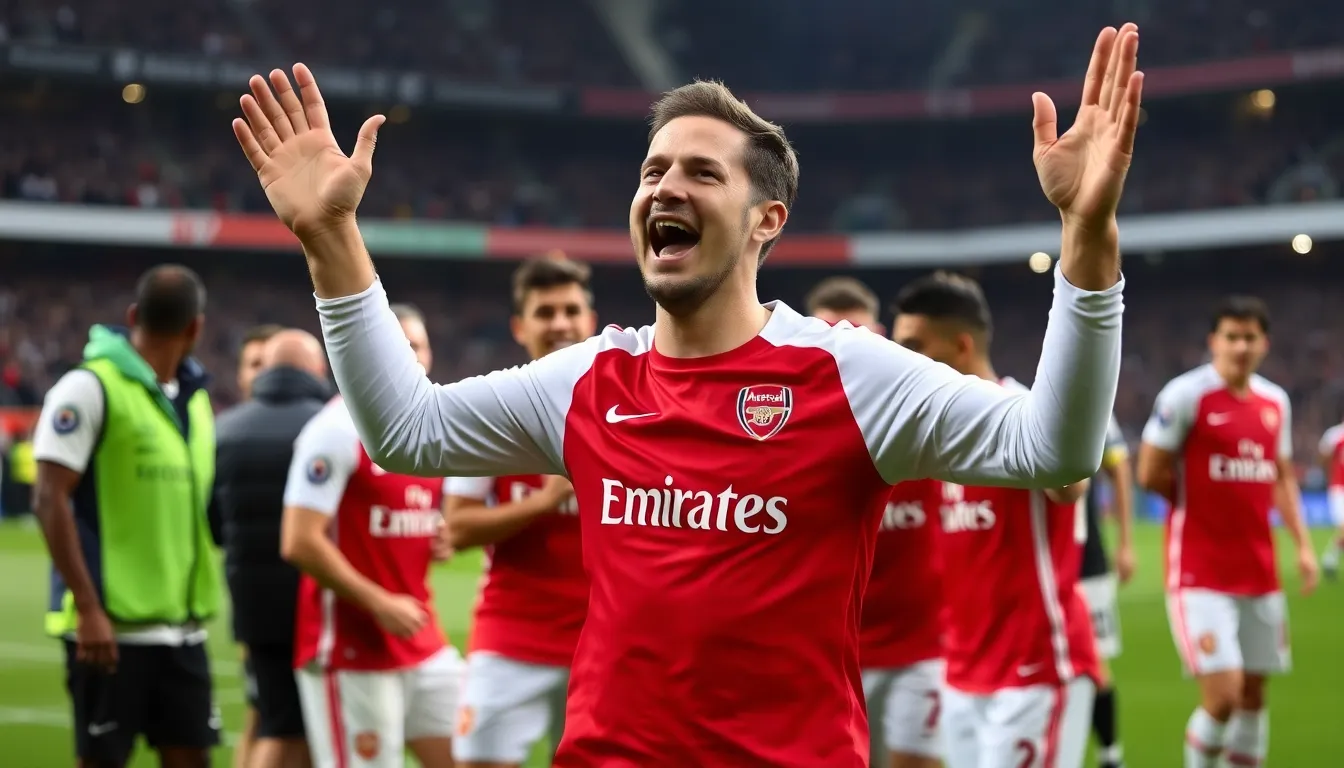
However, the depth of quality in Arsenal’s squad also brings about certain challenges. For instance, competition for starting positions can lead to conflicts among players, particularly if some feel they are not receiving adequate playing time. Additionally, the financial implications of maintaining a large squad can strain the club’s budget, especially if player wages are high. These trade-offs must be carefully managed to ensure team harmony and financial stability.
- Injury Management: A deeper squad allows for better management of player injuries, ensuring that replacements are available without significant drops in performance.
- Tactical Flexibility: Arteta can employ various formations and strategies, adapting to opponents without compromising the quality of the team.
- Player Development: Younger players can be integrated into the squad with less pressure, allowing them to develop in a competitive but supportive environment.
- Financial Considerations: Balancing the costs associated with a larger squad against the potential revenue from successful campaigns is crucial.
In summary, while Arsenal’s depth of quality is viewed as an asset by Arteta and the management, it also introduces complexities that require strategic oversight. Understanding these dynamics is essential for stakeholders as they navigate the challenges of the football landscape.
The effects of squad depth on player morale and competition for positions
The recent comments from Arsenal manager Mikel Arteta regarding the “incredible” depth of quality within the squad have significant implications for various stakeholders in the football ecosystem. Players, coaching staff, and even fans are directly affected by the dynamics of team selection and performance. The heightened competition for starting positions can lead to increased motivation among players, fostering a culture of excellence.
In the short term, the impact on daily life for players may include a more intense training environment as they vie for their places in the starting XI. This competitive atmosphere can result in improved performance on the pitch, which in turn can elevate the overall standard of play. Fans will likely experience more thrilling matches as the team showcases its depth, potentially leading to increased attendance and engagement.
From a business perspective, the enhanced performance driven by squad depth can lead to greater commercial opportunities. Increased success in domestic and international competitions can boost merchandise sales, ticket sales, and sponsorship deals. However, there are risks associated with managing a larger squad; balancing playing time and maintaining player satisfaction can be challenging, potentially leading to discontent among those who find themselves on the bench.
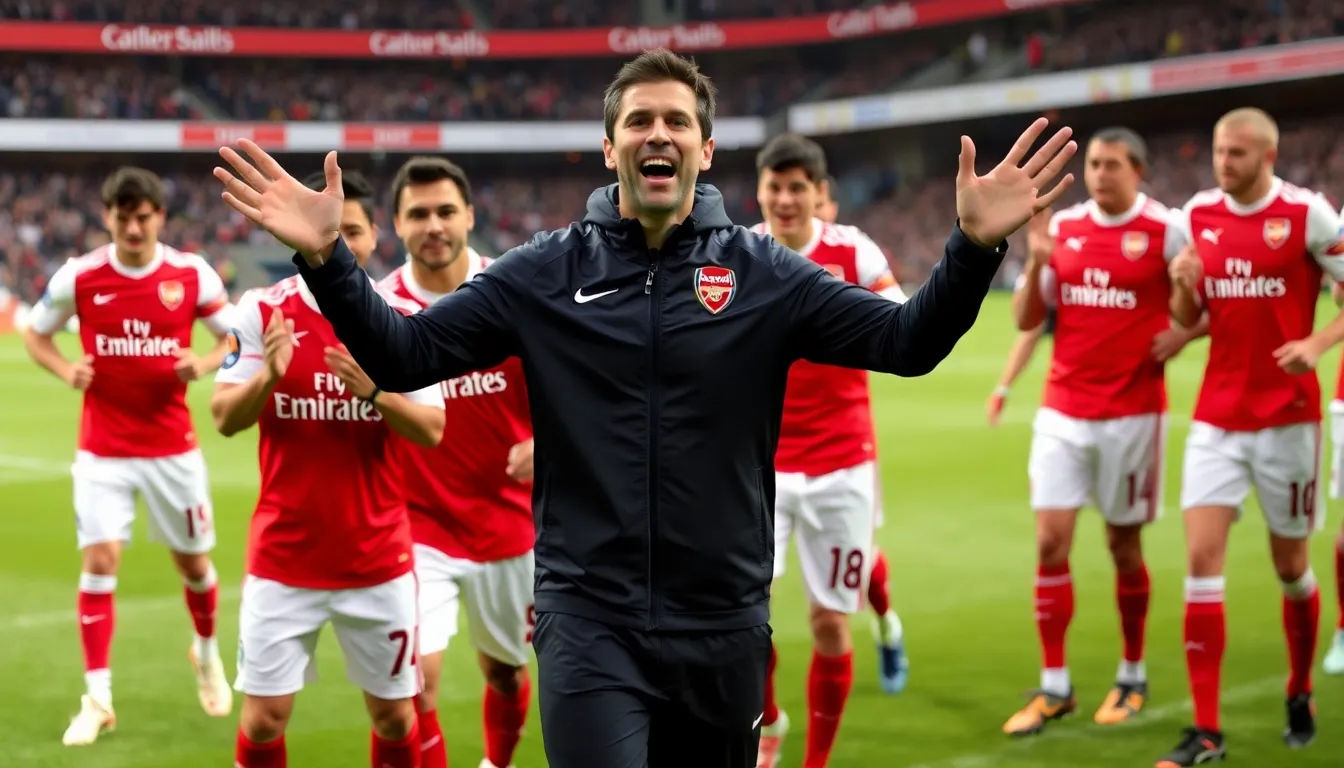
- Increased player motivation: Heightened competition can drive players to improve.
- Enhanced matchday experience: Fans benefit from more competitive and entertaining games.
- Commercial growth: Success can lead to increased revenue through various channels.
- Potential for discontent: Players not receiving adequate playing time may become dissatisfied.
In the mid-term, if Arsenal can effectively manage the squad’s dynamics, the club may solidify its position as a top competitor in both domestic and European football. This can have a ripple effect on the local economy, with increased business for surrounding establishments on match days and heightened interest in youth academies as aspiring players seek to join a successful club.
A: Arteta expressed that the depth of quality in the Arsenal squad is incredible, which he believes is crucial for their success. A: Squad depth allows teams to maintain performance levels throughout the season, especially during injuries or fixture congestion. A: Arsenal’s squad depth is considered among the best in the league, providing them with a competitive edge over rivals. A: Players like Bukayo Saka, Gabriel Jesus, and Declan Rice are significant contributors, showcasing the team’s talent across various positions. A: Healthy competition for positions can boost player morale, as it encourages individuals to perform at their best and strive for starting roles.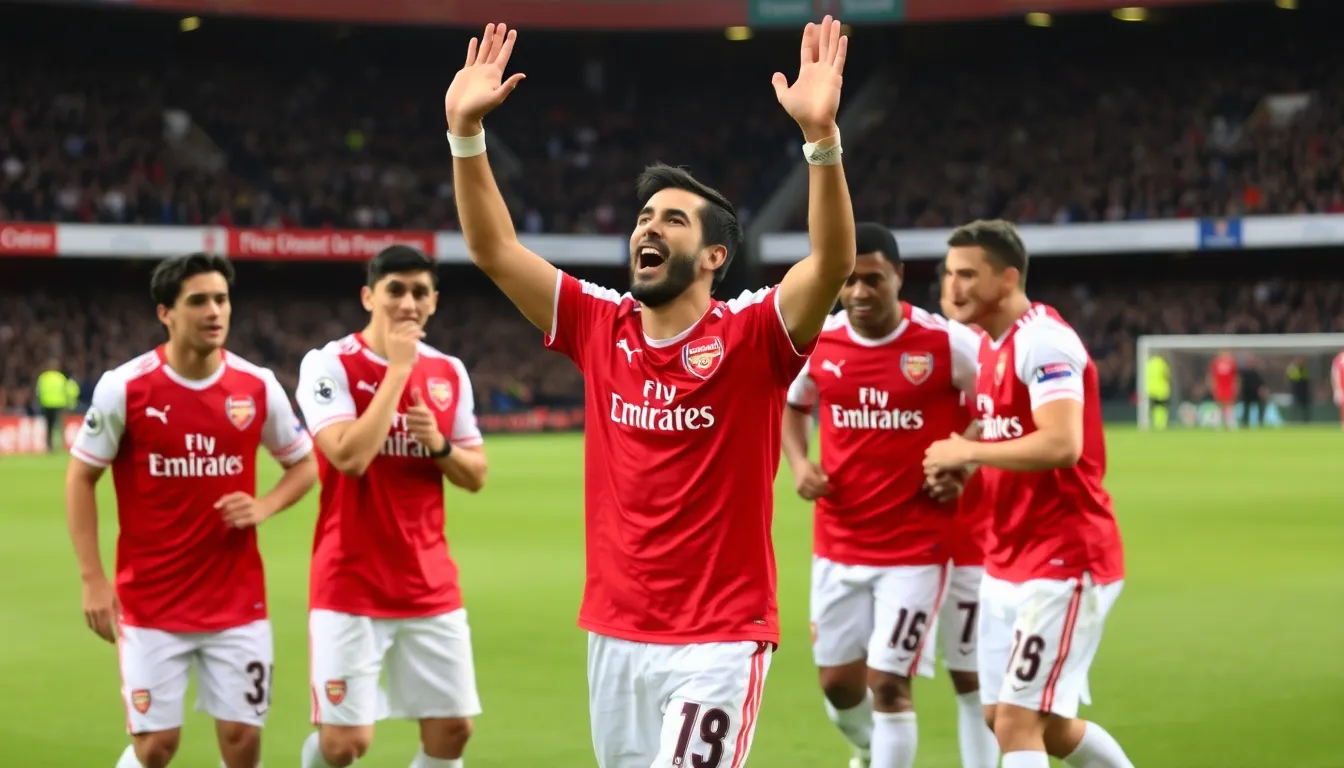
Frequently asked questions about Arsenal’s squad depth
Key takeaways on Arsenal’s depth and future outlook
Arsenal’s recent performances have highlighted the remarkable depth of quality within their squad, as emphasized by manager Mikel Arteta. This depth not only strengthens the team’s competitive edge in domestic and European competitions but also provides a solid foundation for future growth and success. As the season progresses, the ability to rotate players without significantly diminishing performance will be crucial for maintaining momentum and managing player fatigue.
Looking ahead, the interplay between established stars and emerging talent will be vital for Arsenal’s aspirations. The integration of younger players alongside seasoned professionals could create a balanced squad capable of challenging for titles. Observing how Arteta utilizes this depth in key matches will be essential in understanding the team’s trajectory.
- Monitor player rotations to see how Arteta manages squad fitness throughout the season.
- Watch for the impact of younger players stepping up in critical matches, showcasing the club’s investment in youth development.
- Evaluate how the depth in quality influences Arsenal’s performance in high-stakes fixtures, particularly in cup competitions.
- Consider the long-term implications of maintaining a competitive squad and how it affects transfer strategies moving forward.