


Currently, several key locations in Arequipa are gaining popularity among both domestic and international travelers, including the vibrant plazas and colonial buildings in the historic center, a UNESCO World Heritage Site, which also highlights the importance of preserving cultural treasures.
Local stakeholders, including the Arequipa Chamber of Commerce, are working to improve infrastructure and services, as outlined in recent reports on tourism growth, to accommodate the growing influx of tourists.
Moreover, environmental concerns are becoming increasingly relevant as tourism grows. The region’s natural attractions, such as the Misti Volcano and the surrounding wildlife, are at risk from overexploitation. Efforts are underway to promote sustainable tourism practices that protect these precious resources while still allowing visitors to enjoy the stunning landscapes.
Understanding Arequipa’s Cultural and Natural Heritage
Arequipa, known as the “White City” due to its stunning sillar stone architecture, is steeped in history and culture, making it an essential stop for those exploring the significant colonial history of Peru.
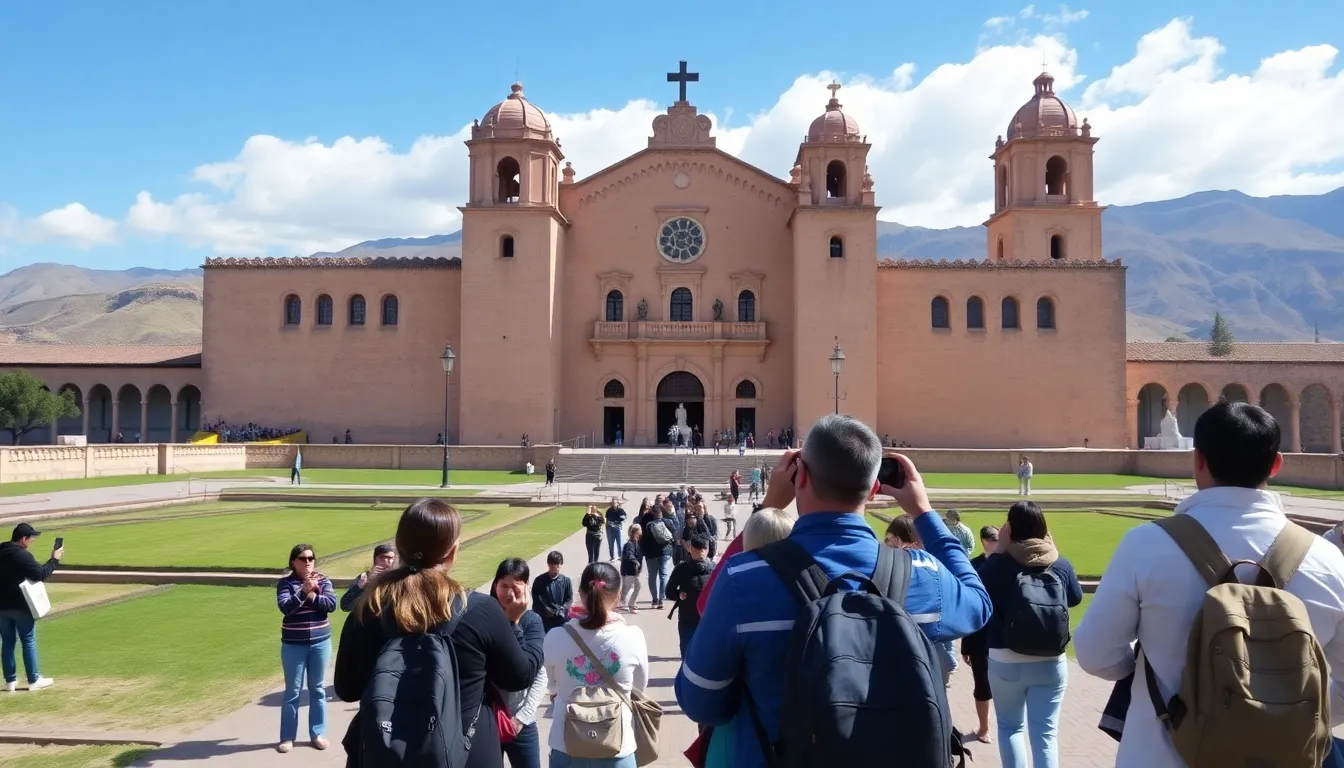
The historical significance of Arequipa is evident in its well-preserved colonial buildings, which reflect a blend of Spanish and indigenous architectural styles. In 2000, the historic center of Arequipa was declared a UNESCO World Heritage Site, recognizing its importance as a cultural treasure. This designation has helped promote tourism, providing economic opportunities for local residents while also highlighting the need to preserve the city’s rich heritage.
Economic Growth and Tourism
In recent years, Arequipa has experienced significant economic growth, largely driven by tourism and agriculture. The city’s picturesque landscapes, including the nearby Colca Canyon and Misti Volcano, attract both national and international visitors. This influx of tourists has led to the development of various attractions, including museums, restaurants, and guided tours, all of which contribute to the local economy. However, this growth also brings challenges, such as the need for sustainable tourism practices to protect the environment and cultural sites.
Socially, Arequipa has a diverse population that includes a mix of indigenous communities and descendants of Spanish settlers. This diversity has fostered a rich cultural tapestry, evident in local festivals, cuisine, and traditions. However, it has also led to social tensions, particularly regarding land rights and resource management. As the city continues to grow, addressing these issues will be crucial for maintaining social harmony and the integrity of Arequipa’s cultural heritage.
In summary, Arequipa’s historical, political, economic, and social contexts have all played significant roles in shaping the city as it stands today. Understanding these factors provides insight into why Arequipa is not only a beautiful destination but also a place of profound cultural and historical significance.
Key Attractions and Their Significance
Arequipa, known as the “White City,” is rich in cultural heritage and natural beauty, attracting a diverse group of stakeholders including local government, tourism operators, environmental organizations, and the indigenous communities. Each of these actors has distinct interests that shape the development and promotion of the region’s top attractions.
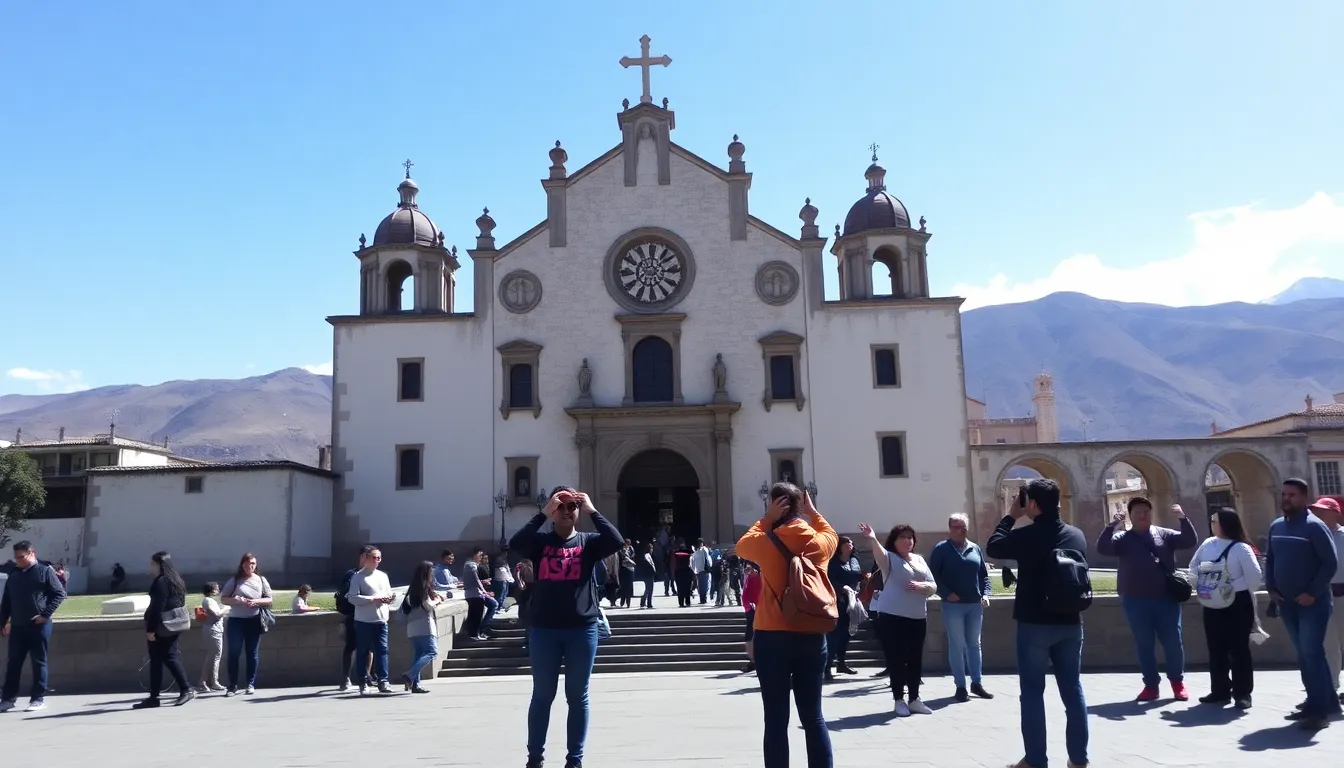
The local government aims to boost economic growth through tourism, seeing it as a vital source of revenue. However, they must balance this with the preservation of Arequipa’s unique architectural and natural landscapes, which are often threatened by overdevelopment. The interests of the government can conflict with those of local communities who may prioritize sustainable practices over rapid economic gain.
Tourism operators, on the other hand, are primarily focused on maximizing visitor numbers and profits. This can lead to trade-offs where the authenticity of cultural experiences is compromised in favor of commercialized versions that appeal to a broader audience. The challenge lies in finding a balance that satisfies tourists while respecting local traditions and environments.
- Environmental Concerns: The impact of tourism on local ecosystems, especially in areas like the Colca Canyon.
- Cultural Preservation: The risk of losing traditional practices and languages due to commercialization.
- Economic Disparities: The benefits of tourism may not be evenly distributed among local communities.
- Regulatory Challenges: Navigating the legal frameworks that govern land use and tourism development.
- Community Engagement: The importance of involving local populations in tourism planning and decision-making.
Environmental organizations advocate for sustainable tourism practices that protect Arequipa’s natural resources. Their involvement is crucial as they often serve as watchdogs, ensuring that development projects comply with environmental regulations. However, their efforts can sometimes clash with the economic goals of tourism operators and the government, leading to debates over land use and conservation priorities.
In summary, the interplay between these stakeholders creates a complex landscape of interests and conflicts. Understanding these dynamics is essential for fostering a tourism model that benefits both the economy and the cultural integrity of Arequipa.
How These Locations Influence Tourism in Arequipa
The stunning landscapes and rich cultural heritage of Arequipa, Peru, have a profound impact on various groups and industries, particularly the tourism sector. As travelers flock to the region, local businesses, hospitality providers, and artisans experience both challenges and opportunities. The influx of visitors not only boosts the economy but also influences daily life for residents.
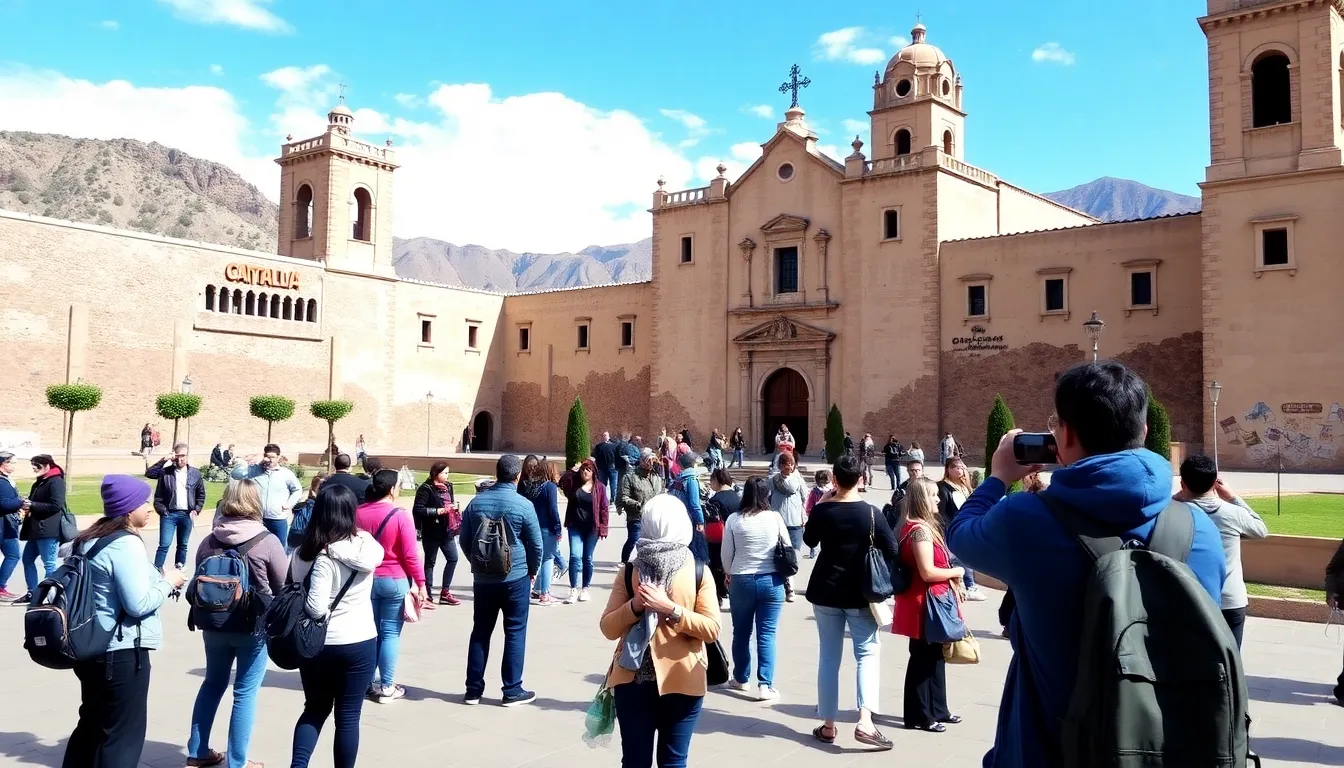
In the short term, the surge in tourism can lead to increased employment opportunities in hospitality, transportation, and retail. Local markets may thrive as tourists seek authentic Peruvian products, while restaurants and hotels experience heightened demand. However, the rapid growth can also strain local resources, leading to issues such as overcrowding and environmental degradation.
In the mid-term, sustained tourism can foster community development and infrastructure improvements. Investment in public services, such as transportation and waste management, may be prioritized to accommodate the growing number of visitors. Nevertheless, this growth must be managed carefully to mitigate risks such as cultural commodification and displacement of local populations.
- Economic Boost: Increased revenue for local businesses and job creation.
- Infrastructure Development: Improved facilities and services for residents and tourists alike.
- Cultural Exchange: Opportunities for local artisans to showcase their crafts and traditions.
- Environmental Risks: Potential damage to natural sites and increased pollution.
- Community Challenges: Possible displacement and cultural shifts due to tourism pressures.
Ultimately, while the top locations to visit in Arequipa present significant opportunities for economic growth and cultural exchange, they also pose challenges that require careful consideration and proactive management to ensure a sustainable future for both residents and visitors.
A: The top attractions include the Santa Catalina Monastery, Colca Canyon, and the historic Plaza de Armas, each offering unique experiences. A: Arequipa is called the White City due to its buildings made from sillar, a white volcanic stone, which gives the city its distinctive appearance. A: The best time to visit Arequipa is during the dry season from May to October, when the weather is pleasant for outdoor activities. A: Yes, Arequipa hosts several cultural festivals throughout the year, including the Arequipa Festival and the Virgen de Chapi Festival, showcasing local traditions. A: Arequipa can be accessed by air through its airport or by bus from major cities in Peru, offering various travel options for visitors.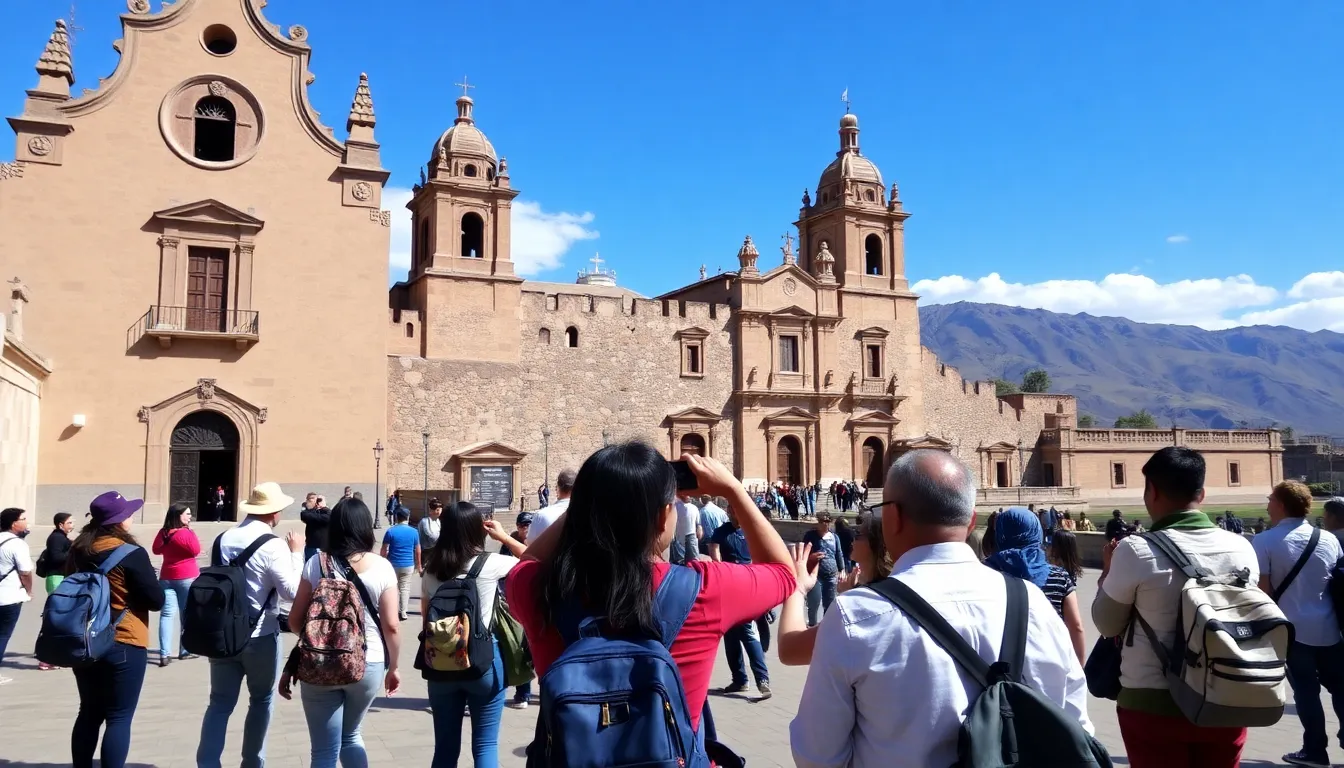
Frequently Asked Questions About Arequipa’s Top Locations
Key Takeaways and Future Outlook for Arequipa Tourism
Arequipa, with its stunning landscapes and rich cultural heritage, stands out as a prime destination for travelers seeking unique experiences. The top ten locations highlighted not only showcase the natural beauty of the region but also emphasize the importance of sustainable tourism practices. As interest in Arequipa continues to grow, it is crucial for both visitors and local stakeholders to prioritize preservation efforts while enjoying the area’s offerings.
Looking ahead, Arequipa’s tourism sector has the potential to thrive by leveraging its distinct attractions and fostering community engagement. By focusing on responsible travel and enhancing the visitor experience, the region can ensure its charm remains intact for future generations.
- Embrace Sustainable Tourism: Visitors should prioritize eco-friendly practices to help preserve Arequipa’s natural beauty.
- Engage with Local Culture: Taking part in local traditions and events can enrich the travel experience and support the community.
- Explore Beyond the Highlights: While the top ten locations are must-sees, there are many hidden gems that offer unique insights into the region.
- Stay Informed on Travel Trends: Keeping an eye on emerging travel trends can help tourists make the most of their visits.
- Support Local Businesses: Choosing to shop and dine at local establishments can significantly impact the local economy positively.