


Recent initiatives include the launch of a series of community outreach programs aimed at engaging younger listeners. In September 2023, the orchestra introduced a new educational series that includes interactive concerts designed for school groups, which has already seen participation from over 5,000 students across the region. This effort aligns with the Cleveland Orchestra’s commitment to foster future generations of classical music enthusiasts.
The Cleveland Orchestra’s commitment to artistic excellence is also evident through its recent recordings and performances. The orchestra’s latest album, released in August 2023, features works by contemporary composers, further solidifying its role in promoting new music alongside classical masterpieces.
Moreover, the orchestra has embraced digital platforms to reach a global audience. In July 2023, the orchestra launched a new streaming service that allows fans to access live concerts and archival performances, significantly expanding its reach beyond the concert hall.
These strategies not only enhance the orchestra’s visibility but also ensure its relevance in an evolving cultural landscape, demonstrating a proactive approach to maintaining its status at the forefront of classical music.
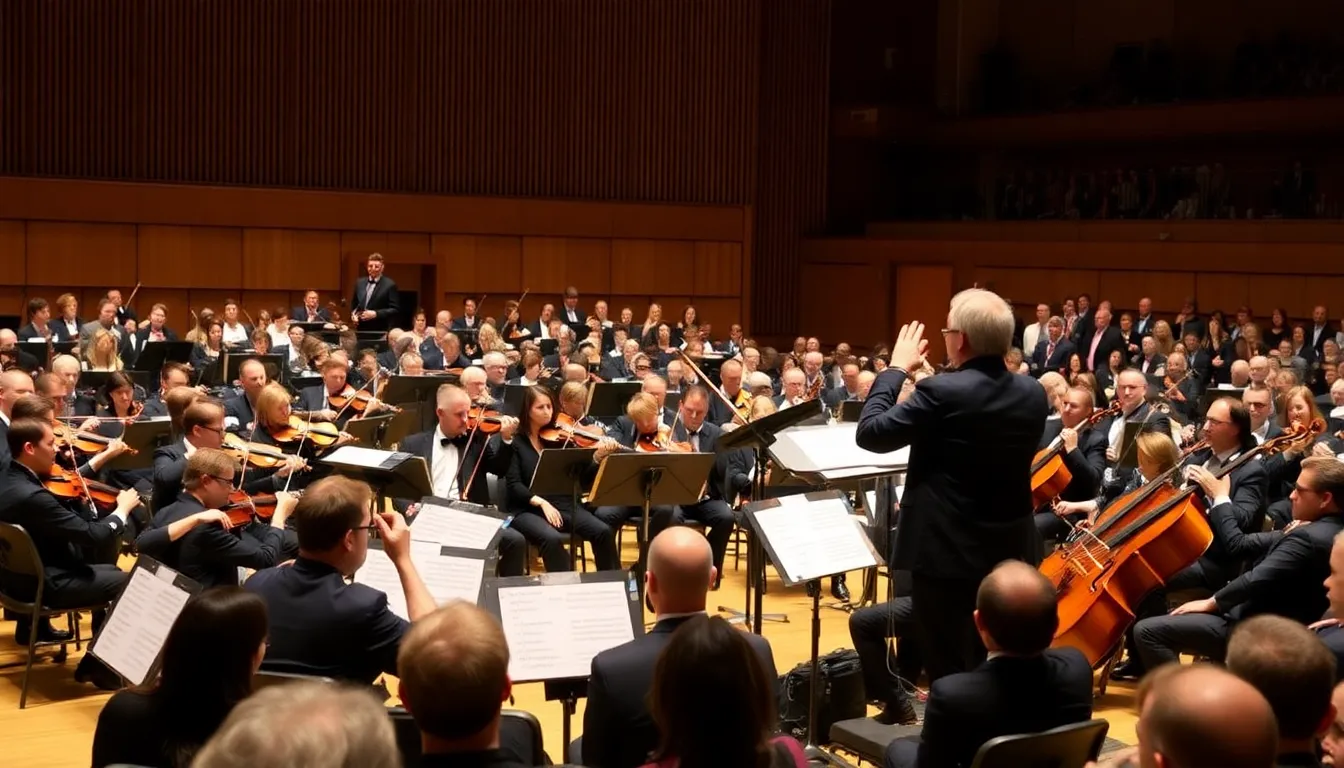
Historical significance of the Cleveland Orchestra in the classical music scene
The Cleveland Orchestra, founded in 1918, has long been celebrated as one of the premier orchestras in the United States and around the world. Its establishment came at a time when American orchestras were beginning to carve out their identities, moving away from European influences to develop a distinctively American sound. The orchestra quickly gained recognition for its innovative programming and commitment to artistic excellence, setting a benchmark for others to follow, as detailed in articles about America’s orchestral heritage.
In the 1930s, under the leadership of conductor Artur Rodzinski, the Cleveland Orchestra began to gain national prominence. Rodzinski’s vision included not only the performance of classical repertoire but also the introduction of contemporary works, which attracted a diverse audience. This era marked a crucial turning point as the orchestra began to establish its reputation as a leader in the classical music field, showcasing the works of American composers and fostering a new appreciation for modern music.
The post-World War II period saw the Cleveland Orchestra solidify its status on the global stage. With the appointment of George Szell as music director in 1946, the orchestra underwent a transformation that emphasized precision and discipline. Szell’s rigorous standards and innovative programming led to numerous acclaimed recordings, further enhancing the orchestra’s reputation. The introduction of the Cleveland Orchestra’s summer residencies and international tours during this time also played a significant role in expanding its reach and influence.
Economic and social factors shaping the orchestra’s success
Throughout its history, the Cleveland Orchestra has navigated various economic and social challenges that have influenced its operations and outreach. The orchestra’s commitment to community engagement and education has been a cornerstone of its mission, allowing it to build a loyal audience base. Initiatives such as the Cleveland Orchestra Youth Orchestra and educational programs in local schools have fostered a new generation of classical music enthusiasts, ensuring the orchestra’s relevance in an ever-changing cultural landscape, similar to current trends in community outreach.
As the classical music industry faces shifts in funding and audience demographics, the Cleveland Orchestra has adeptly adapted its strategies to maintain its leading position. By embracing technology and exploring new media platforms, the orchestra has expanded its accessibility, reaching audiences beyond traditional concert halls. This proactive approach to audience development, combined with its rich historical legacy, continues to secure the Cleveland Orchestra’s place at the forefront of classical music.
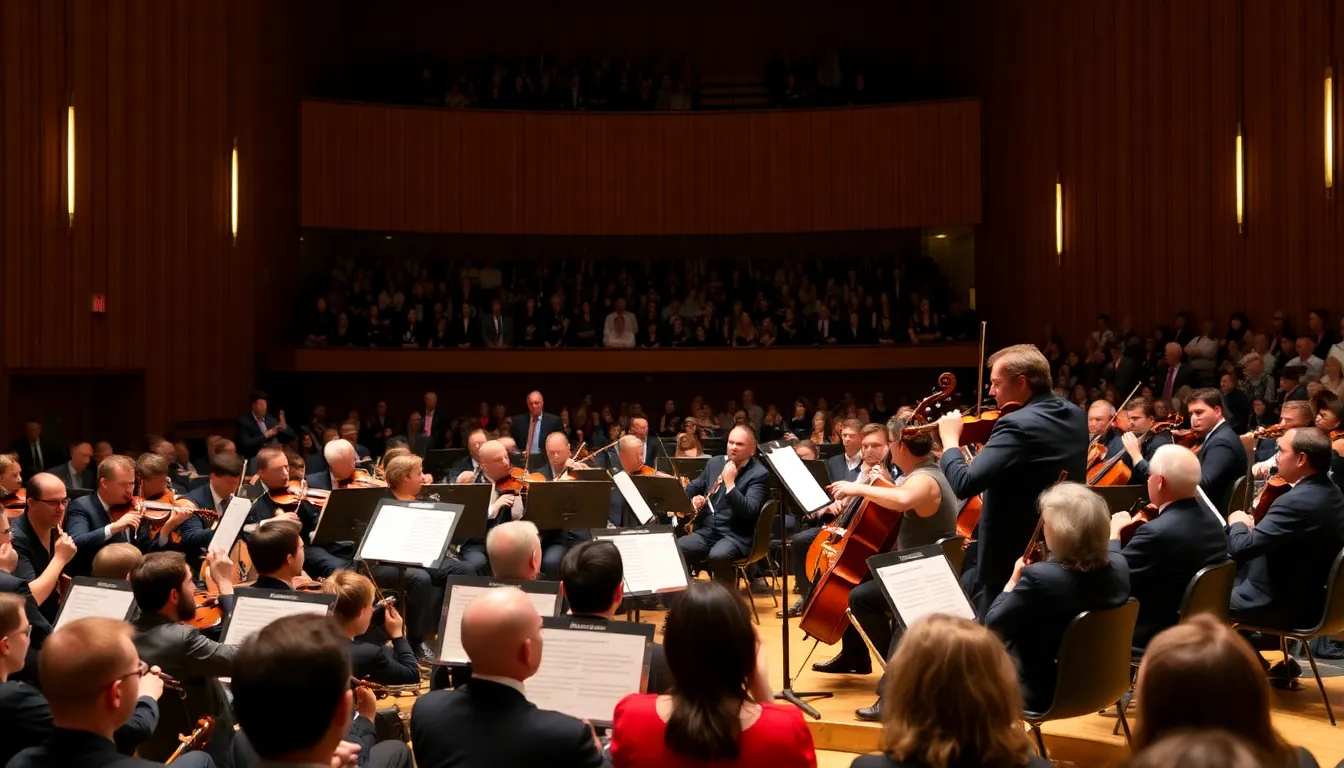
Key factors contributing to the orchestra’s sustained excellence
The Cleveland Orchestra, renowned for its artistic quality and innovative programming, thrives due to a complex interplay of stakeholders, including musicians, management, patrons, and the broader community. Each group has distinct interests that shape the orchestra’s direction and success.
Musicians are at the heart of the orchestra’s artistic output. Their primary interest lies in maintaining high performance standards while ensuring fair compensation and working conditions. Conflicts can arise when budget constraints limit the ability to hire top talent or when negotiations over contracts lead to tensions between musicians and management.
Management plays a crucial role in balancing the financial health of the organization with its artistic ambitions. This often involves navigating trade-offs between ticket pricing, fundraising efforts, and operational costs. Economic pressures, such as fluctuating donations and sponsorships, can impact programming choices and the orchestra’s ability to attract renowned guest artists.
Patrons and sponsors are vital for the orchestra’s funding, and their interests often include high-quality performances and exclusive events. However, their expectations can sometimes conflict with the orchestra’s mission to reach a broader audience, leading to discussions about accessibility versus exclusivity in programming.
- Financial sustainability: The need for diverse revenue streams to support operations.
- Artistic integrity: Balancing popular programming with innovative works that challenge audiences.
- Community engagement: Efforts to broaden audience demographics and outreach initiatives.
- Musician welfare: Ensuring fair treatment and opportunities for the orchestra’s performers.
- Technological adaptation: Embracing digital platforms for performance and audience interaction.
Furthermore, local government support and policies can significantly influence the orchestra’s funding and community involvement. Government grants and cultural initiatives can enhance the orchestra’s outreach but may also impose restrictions on how funds are utilized, creating potential conflicts with the orchestra’s strategic goals.
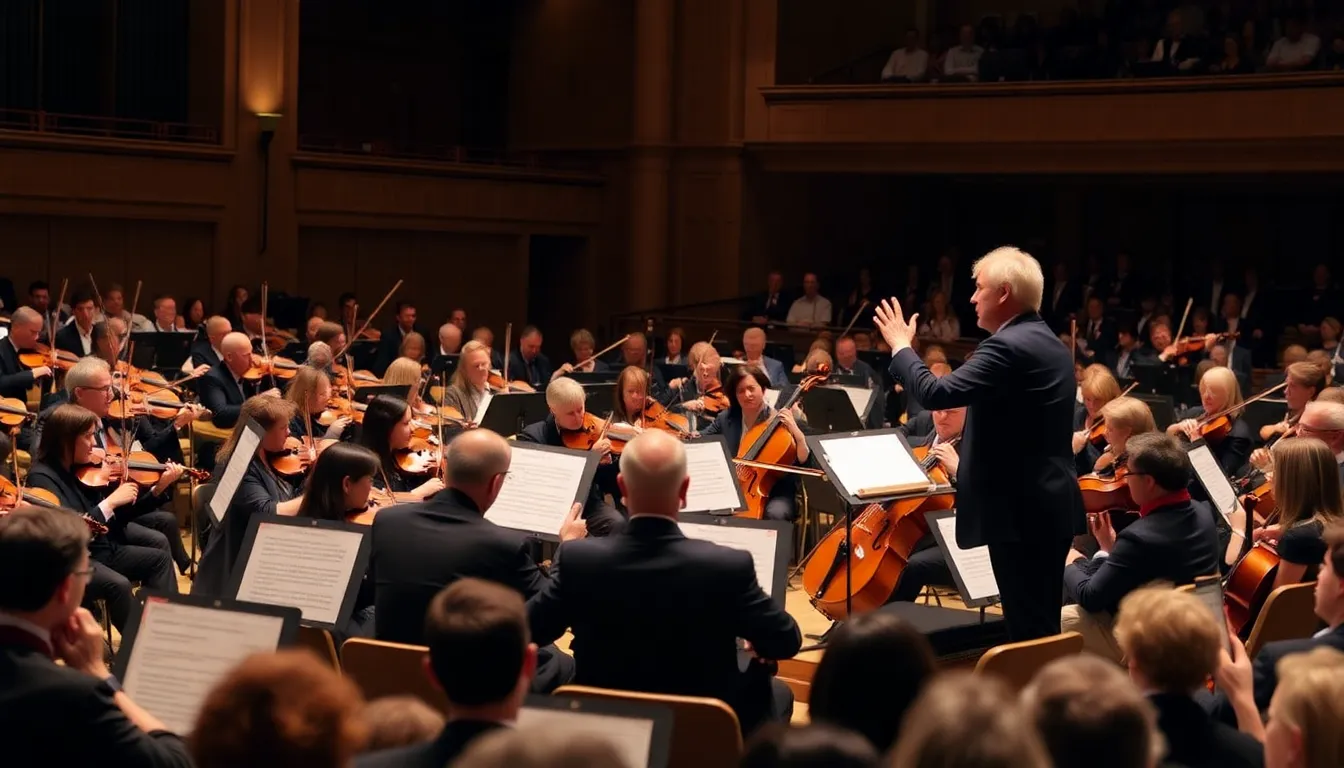
The influence of the Cleveland Orchestra on the local and global music community
The Cleveland Orchestra plays a pivotal role in shaping both the local and global music landscape. Its influence reaches various groups, including musicians, educators, and cultural organizations, as well as the wider community in Cleveland and beyond. The orchestra’s commitment to excellence not only elevates the standard of classical music but also encourages collaboration and innovation within the industry.
In the short term, the orchestra’s performances and outreach programs provide immediate benefits to local businesses, particularly in the hospitality and tourism sectors. Concert-goers often dine at nearby restaurants and stay in local hotels, creating a ripple effect that stimulates the economy. Additionally, the orchestra’s educational initiatives foster a love for music among young people, inspiring the next generation of musicians and audiences.
In the mid-term, the Cleveland Orchestra’s global reputation may lead to increased opportunities for partnerships and collaborations with other renowned institutions. This can enhance the orchestra’s visibility and attract a diverse audience from different regions, further solidifying its status as a leader in classical music. However, there are risks involved; competition from other orchestras and changing cultural preferences could challenge its dominance.
- Economic Growth: Boosts local economy through tourism and dining.
- Educational Impact: Inspires young musicians through outreach programs.
- Global Partnerships: Opportunities for collaboration with other prestigious organizations.
- Competition Risks: Potential decline in audience interest due to changing tastes.
- Community Engagement: Strengthens local cultural identity and pride.
Overall, the Cleveland Orchestra’s influence extends far beyond the concert hall, shaping the cultural and economic landscape of its community while also impacting the global classical music scene. Its ability to adapt and innovate will be crucial in navigating both the opportunities and challenges that lie ahead.
A: The Cleveland Orchestra is renowned for its exceptional sound quality and innovative programming, which sets it apart from other orchestras. A: The orchestra actively participates in community outreach programs, offering educational initiatives and free concerts to foster a love for classical music. A: The Cleveland Orchestra embraces technology by incorporating digital media and live streaming to reach a broader audience and enhance the concert experience. A: The orchestra has been led by several distinguished conductors, including George Szell and Franz Welser-Möst, who have significantly shaped its artistic direction. A: Rigorous audition processes and continuous training for musicians ensure that the Cleveland Orchestra maintains its reputation for excellence.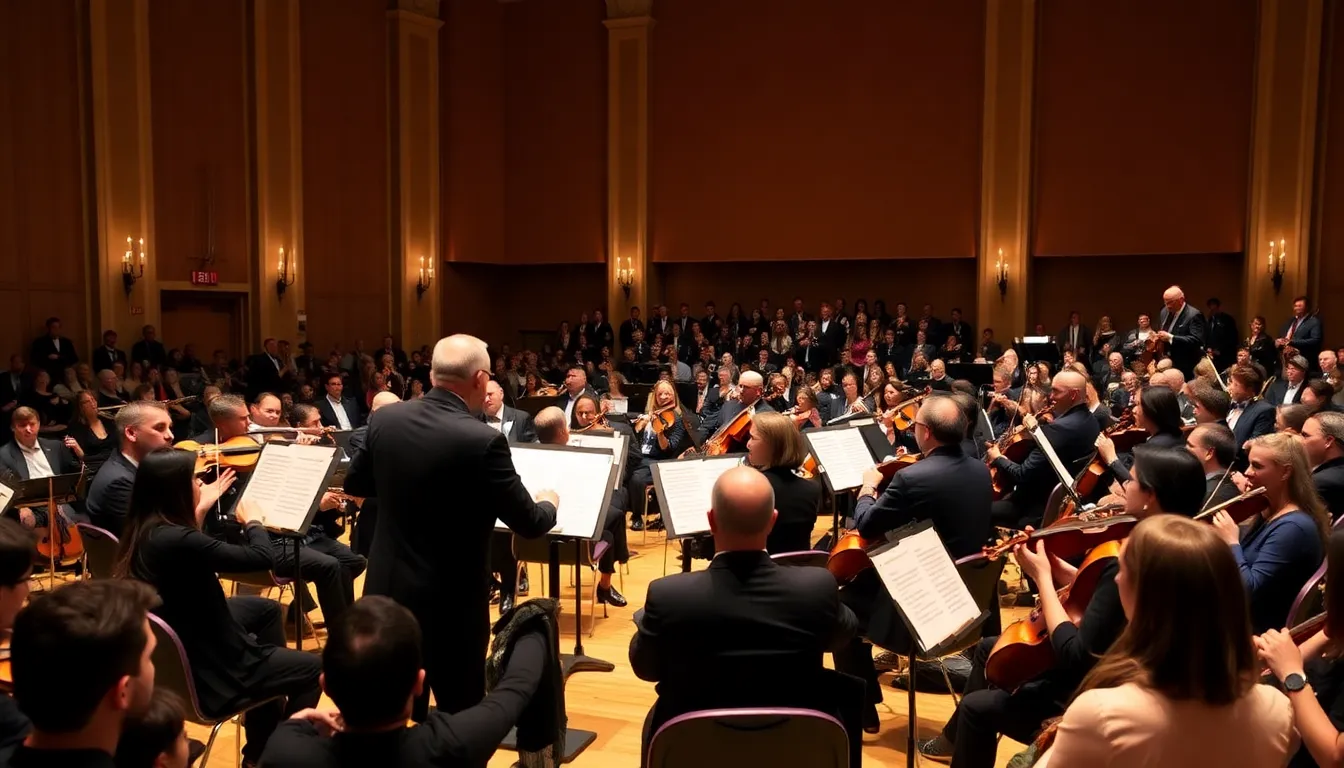
Frequently asked questions about the Cleveland Orchestra
Future outlook and key takeaways for the Cleveland Orchestra
The Cleveland Orchestra’s commitment to innovation and community engagement positions it well for continued success in the evolving landscape of classical music. By leveraging technology and expanding its outreach, the orchestra not only attracts new audiences but also nurtures the next generation of musicians. This proactive approach serves as a model for other institutions aiming to thrive in a competitive cultural environment.
As the orchestra navigates future challenges, its ability to adapt while maintaining artistic excellence will be crucial. Observers should pay attention to how the Cleveland Orchestra balances tradition with modernity, as this will likely influence its trajectory and impact on the broader classical music scene.
- Embrace of Technology: Continued integration of digital platforms will enhance accessibility and engagement with diverse audiences.
- Community Outreach: Expanding educational programs can foster a deeper connection with local communities and inspire future musicians.
- Artistic Innovation: Collaborations with contemporary composers and artists can refresh the repertoire and attract new listeners.
- Sustainability Practices: Implementing environmentally sustainable practices may resonate with a growing audience concerned about climate issues.