


The tariffs, which had been imposed on various goods, have been a point of contention affecting bilateral trade relations. This situation is reminiscent of other international trade agreements, such as the recent agreement that aimed to resolve conflicts and foster cooperation.
Both leaders emphasized the importance of collaboration in their discussions, recognizing the mutual benefits of a more open trade environment. The agreement is expected to not only benefit Canadian exporters but also provide Chinese consumers with a wider range of products at competitive prices.
This announcement comes at a time when global trade dynamics are shifting, and both countries are looking to strengthen their economic positions. Analysts suggest that this development could pave the way for further negotiations on other trade-related issues, potentially leading to a more comprehensive trade agreement in the future.
Background on China-Canada trade relations
China and Canada have maintained a complex relationship characterized by both cooperation and tension. Historically, trade between the two nations has grown significantly since the establishment of diplomatic relations in 1970. In the early 2000s, China emerged as one of Canada’s largest trading partners, with bilateral trade reaching new heights as both countries sought to expand their economic ties.
However, the relationship has been marred by various political and economic disputes. Notably, the 2018 arrest of Huawei executive Meng Wanzhou in Canada led to a diplomatic crisis, resulting in retaliatory measures from China, including the detention of Canadian citizens. This incident highlighted the fragility of their relationship and the impact of global geopolitical tensions on bilateral trade.
Key Milestones in Trade Relations
Several key milestones have shaped the trade dynamics between China and Canada. In 2015, Canada signed a Foreign Investment Promotion and Protection Agreement (FIPA) with China, aimed at enhancing bilateral investment flows. However, subsequent years saw increasing scrutiny over Chinese investments in Canada, particularly in critical sectors such as technology and natural resources.
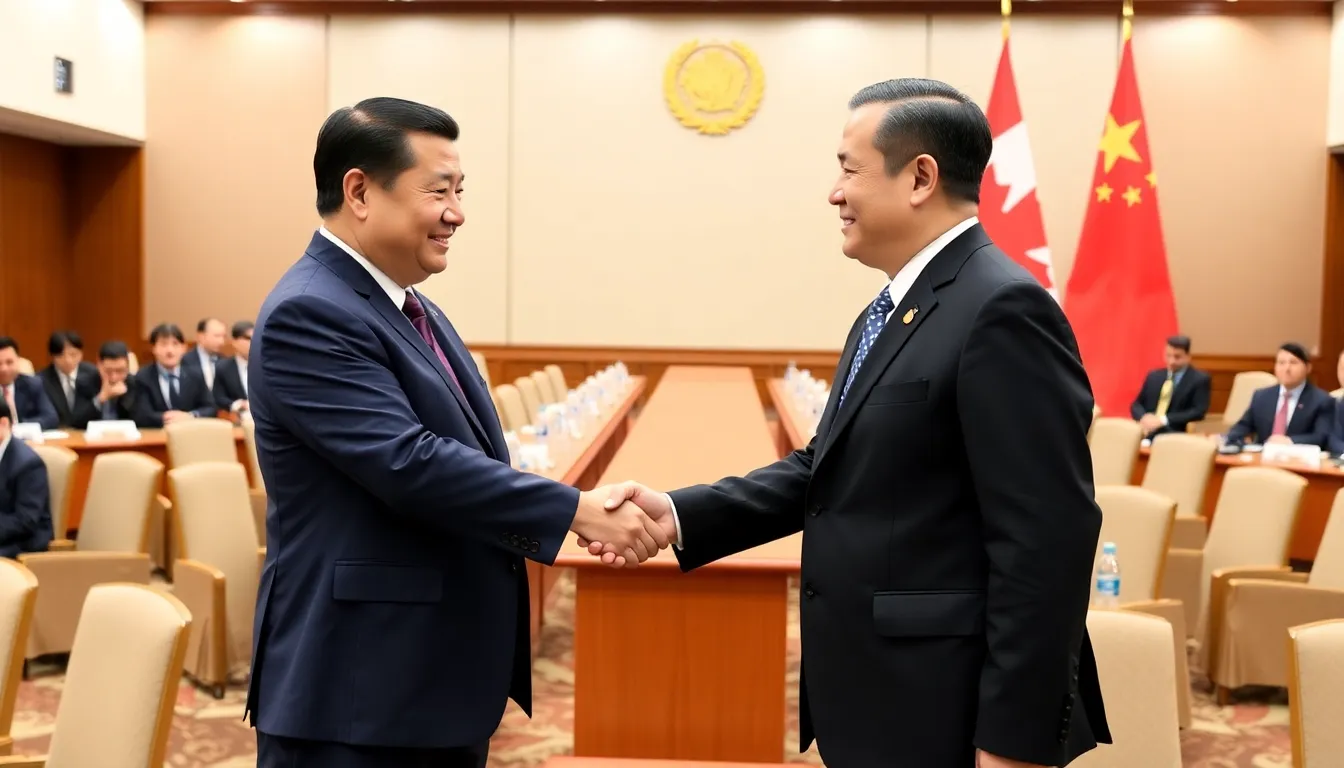
The COVID-19 pandemic further complicated these relations, as both nations grappled with economic recovery and supply chain disruptions. In recent months, there has been a renewed focus on trade negotiations, culminating in the high-stakes meeting between Canadian diplomat Mark Carney and Chinese President Xi Jinping, where both parties agreed to tariff relief as a step towards mending ties akin to previous negotiations that involved significant diplomatic efforts.
Key stakeholders and issues surrounding the tariffs
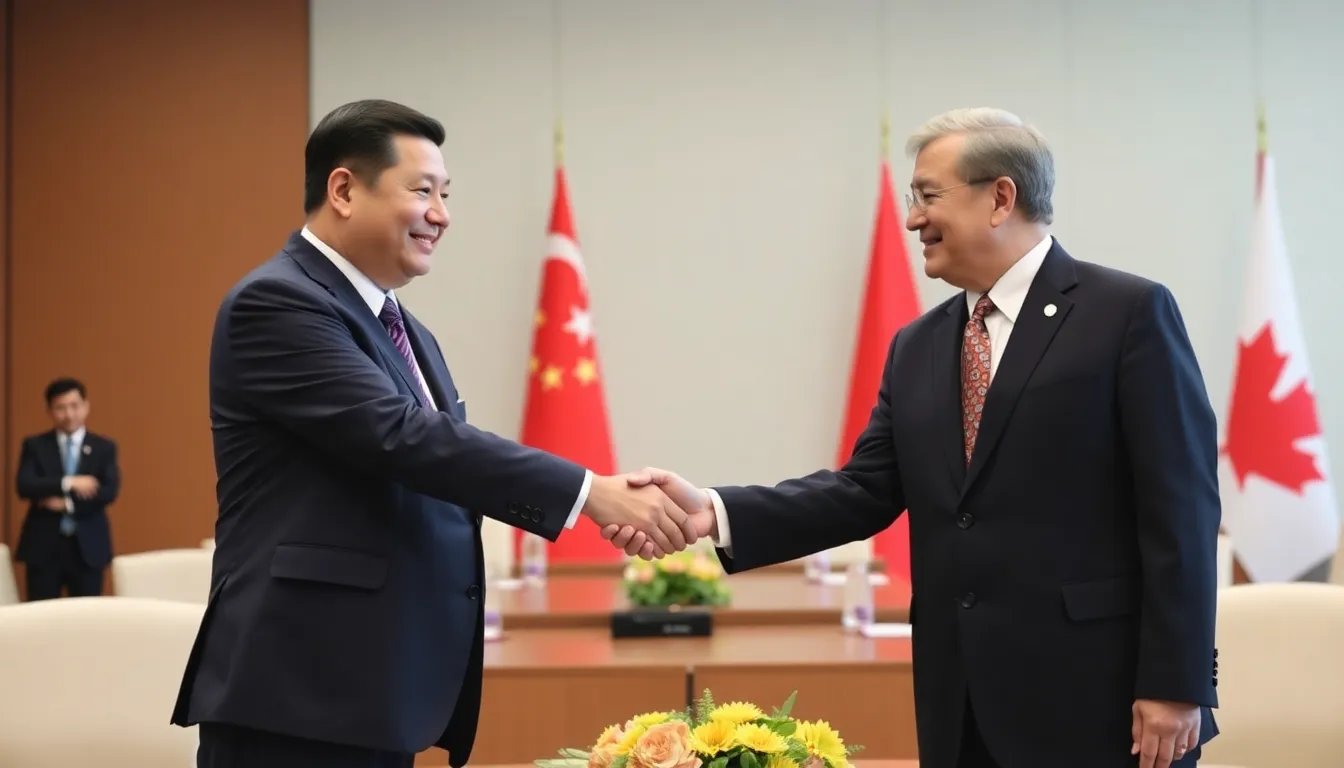
The recent announcement of tariff relief between China and Canada marks a significant development in international trade relations. Key stakeholders in this situation include the governments of China and Canada, represented by President Xi Jinping and former Bank of Canada Governor Mark Carney, who now serves as a key economic advisor. Their interests revolve around stabilizing trade relations and fostering economic growth in the face of rising global tensions.
China, as a major global exporter, seeks to maintain its market access and protect its economic interests. The Chinese government aims to alleviate trade barriers that have been a source of contention, particularly in the context of ongoing trade disputes with other nations. For Canada, the relief of tariffs is crucial for its export-driven economy, which relies heavily on trade with China. Canadian businesses are eager to see reduced costs and increased competitiveness in the Chinese market.
However, the negotiations are not without conflicts and trade-offs. The interests of domestic industries in both countries can create friction. For instance, Canadian farmers may be concerned about increased competition from Chinese imports, while Chinese manufacturers might face pressure from domestic stakeholders to protect local jobs. These conflicting interests highlight the complex dynamics at play in tariff negotiations.
- Economic Impact: The potential for increased trade flows could stimulate growth in both economies, but it may also lead to job losses in sectors that are unable to compete.
- Legal Considerations: Any tariff changes must comply with World Trade Organization (WTO) rules, which adds a layer of complexity to the negotiations.
- Geopolitical Tensions: The broader context of U.S.-China relations and Canada’s position as a middle power complicates the landscape, as external pressures may influence bilateral agreements.
In summary, the meeting between Xi and Carney signifies a pivotal moment in the trade relationship between China and Canada. The balancing act of addressing domestic and international pressures will be crucial as both nations seek to navigate the evolving economic landscape.
Potential impacts on businesses and consumers
The recent announcement of tariff relief between China and Canada is set to influence various sectors significantly. Key industries such as agriculture, manufacturing, and technology are likely to experience immediate effects, similar to the response seen in other sectors that adapted quickly to changes in international relations.
In the short term, consumers may notice a decrease in prices for certain goods that were previously subject to tariffs. This could enhance purchasing power and stimulate economic activity. However, businesses that rely heavily on imports from China may face uncertainty as they navigate the shifting landscape of trade policies.
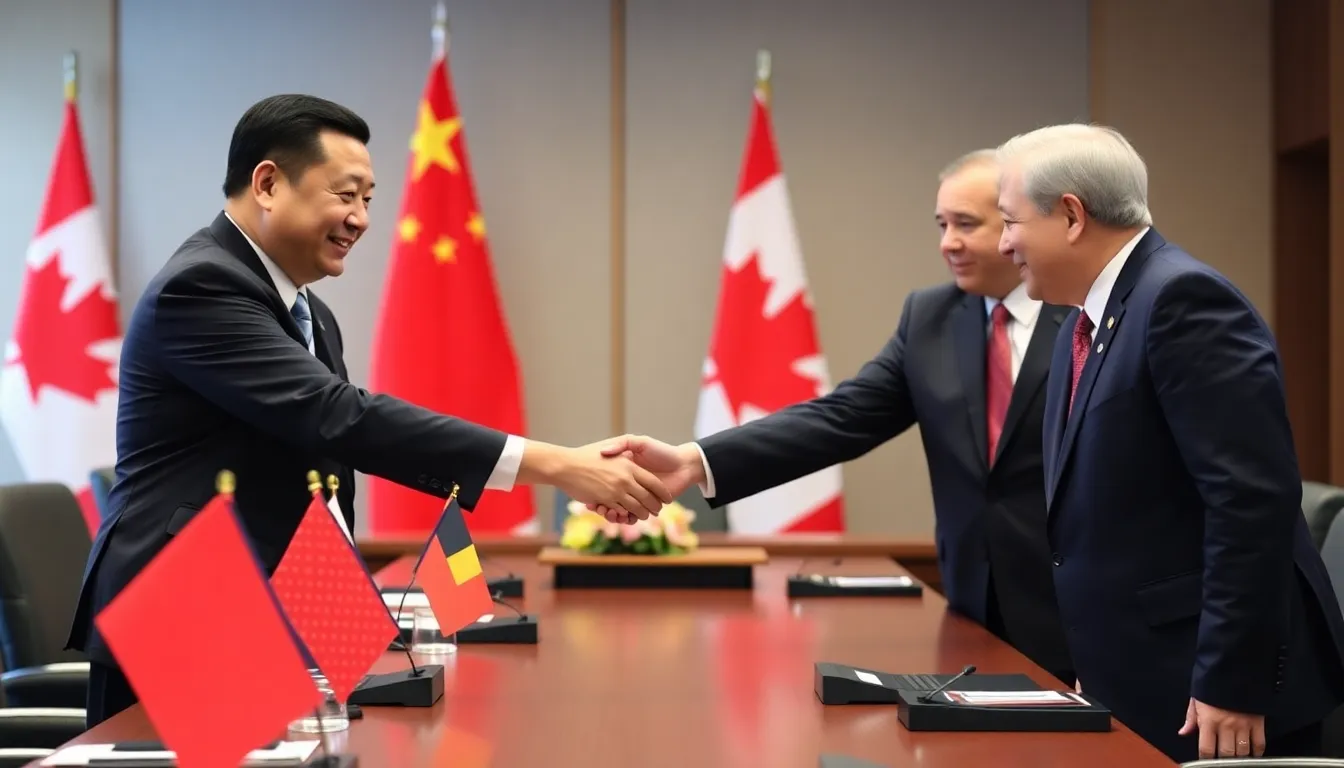
In the mid-term, the easing of tariffs could foster stronger trade relations, encouraging investment and collaboration between Canadian and Chinese companies. This may lead to job creation in sectors poised for growth, such as clean energy and technology. However, companies must remain vigilant to the risks of fluctuating trade policies and geopolitical tensions, which could disrupt these gains.
- Opportunities: Enhanced export potential for Canadian farmers and tech companies.
- Risks: Potential volatility in trade relations and market dynamics.
- Consumer Benefits: Lower prices on goods previously affected by tariffs.
- Job Creation: Growth in sectors like clean energy and technology.
Overall, while the tariff relief presents promising opportunities for growth and collaboration, stakeholders must remain aware of the inherent risks associated with international trade dynamics. The balance between seizing opportunities and managing risks will be crucial for businesses and consumers alike in the coming months.
A: The tariffs relief was a result of a high-stakes meeting between Mark Carney and Xi Jinping, aimed at addressing trade tensions and fostering better economic ties. A: Canadian businesses are expected to benefit from reduced costs on imports from China, potentially leading to lower prices for consumers and increased competitiveness. A: The agreement includes the removal of certain tariffs on goods that have been heavily impacted by previous trade disputes, although specifics are still being finalized. A: Yes, this agreement may set a precedent for other countries, influencing their trade negotiations and relationships with China. A: Consumers may notice lower prices on various goods imported from China, as tariffs are reduced, making products more affordable.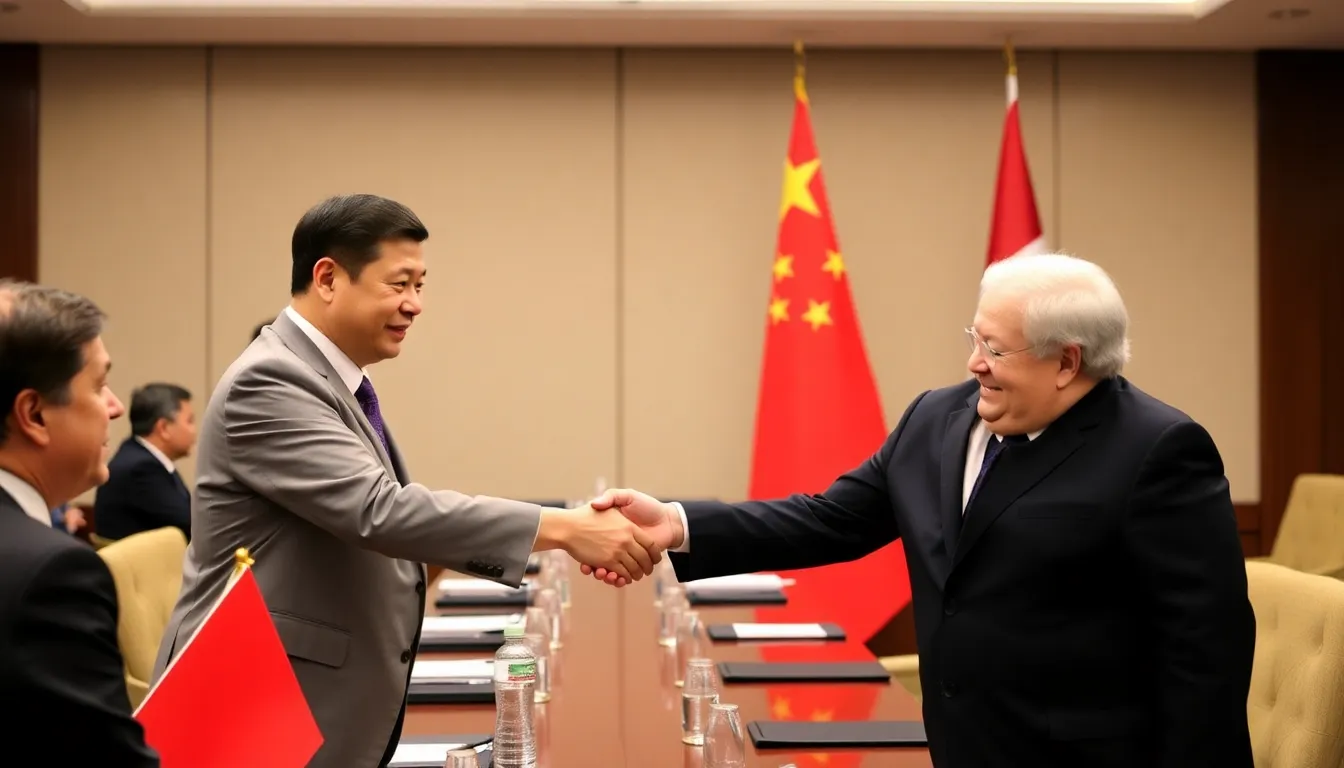
Frequently asked questions about tariffs relief
Key takeaways and future outlook on trade relations
The recent tariff relief announced by China and Canada following the high-stakes meeting between Mark Carney and Xi Jinping marks a significant shift in the diplomatic and economic landscape between the two nations. This development not only reflects a willingness to engage in constructive dialogue but also highlights the potential for a more collaborative approach to trade issues that have long impacted both countries.
As both nations navigate the complexities of their economic interdependence, several implications arise. Stakeholders should remain vigilant as these changes could influence supply chains, investment flows, and bilateral relations in the coming months.
- Monitor the impact of tariff reductions on specific industries, particularly agriculture and technology, which may benefit from increased trade.
- Watch for potential follow-up negotiations that could further enhance trade ties and address outstanding issues between the two countries.
- Consider the broader geopolitical context, as this development may influence Canada’s relationships with other nations, especially in light of its alliances.
- Evaluate how this tariff relief might affect Canadian businesses operating in China and vice versa, particularly in terms of market access and competitiveness.
- Stay informed about public sentiment in both countries, as domestic reactions to trade policies could shape future diplomatic interactions.