


His presence in such a high-profile event underscores the growing acceptance and celebration of Latin music and culture in mainstream entertainment.
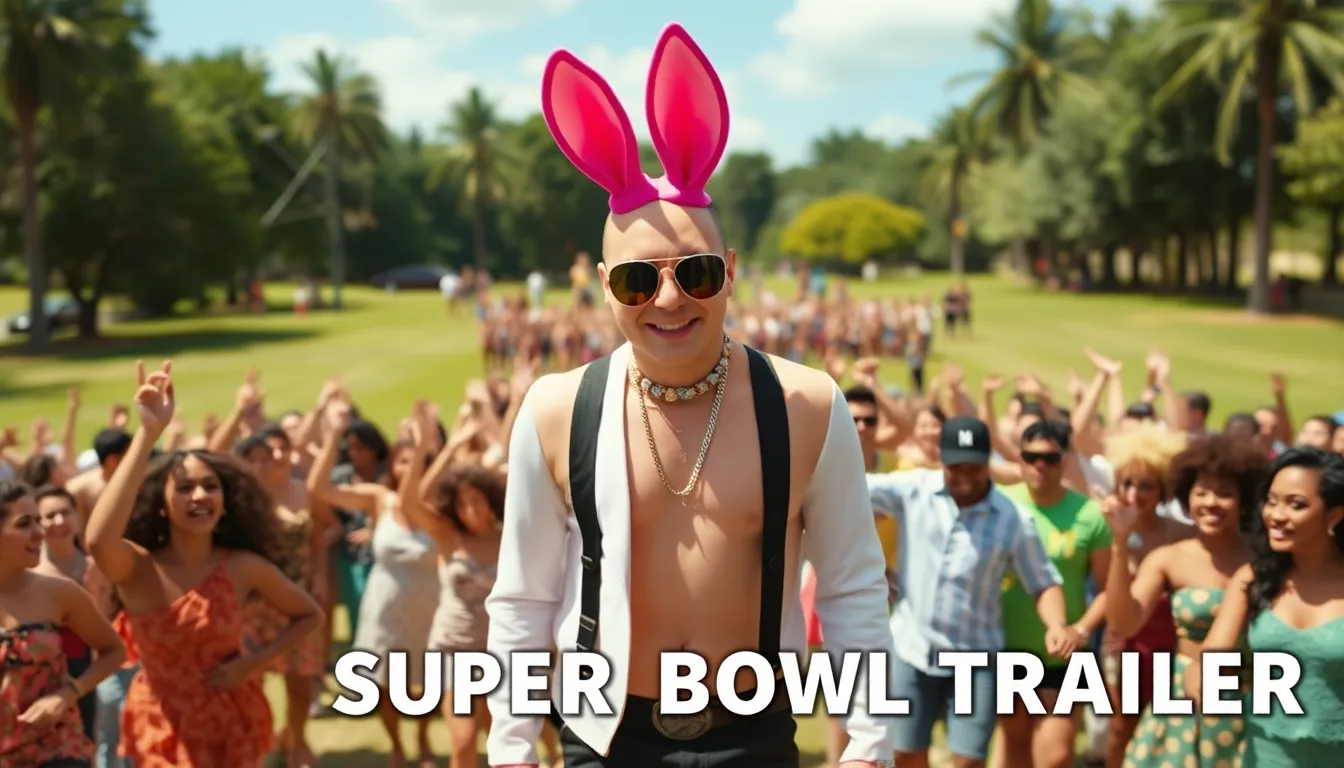
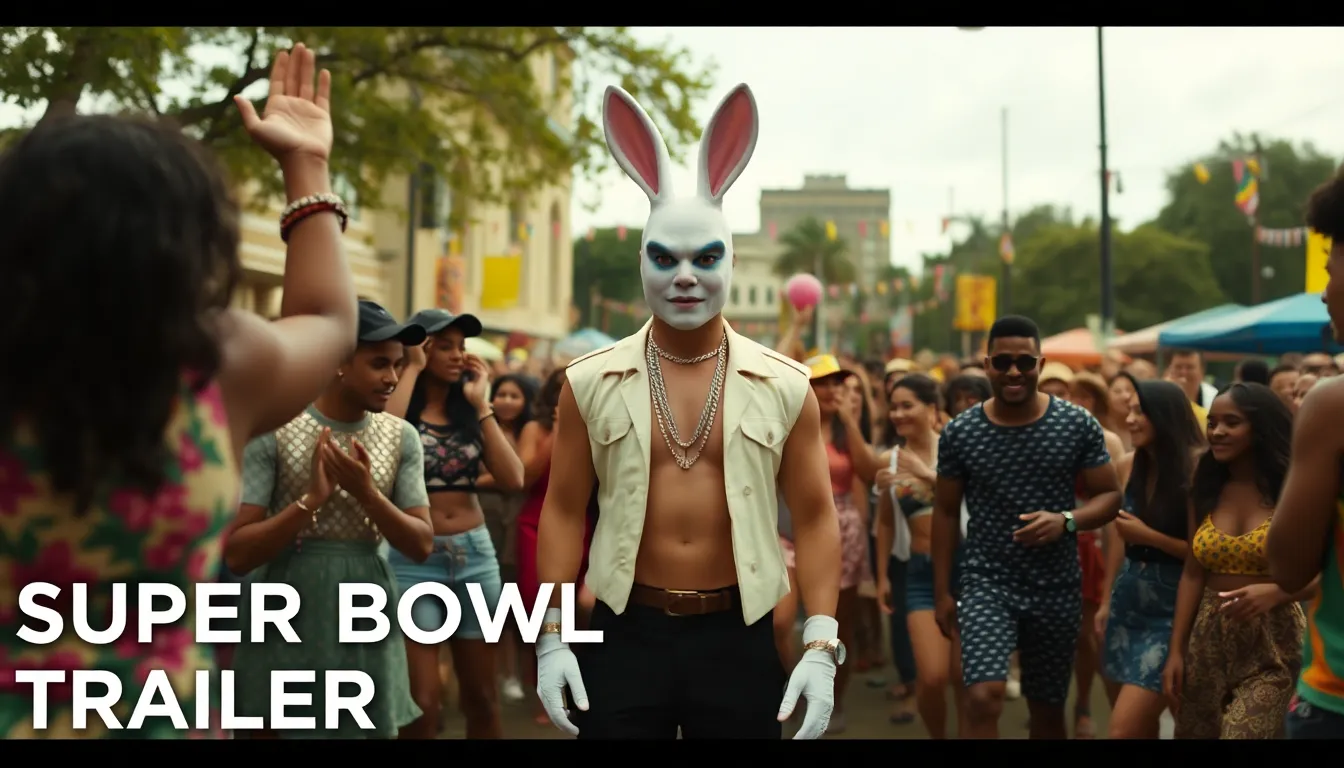
The trailer highlights various dancers from different backgrounds, symbolizing the idea that regardless of our differences, everyone can come together to celebrate life through movement. This theme is particularly relevant in today’s global climate, where division often overshadows unity.
As viewers anticipate the Super Bowl, Bad Bunny’s message serves as a reminder of the power of art to bridge cultural gaps and inspire collective joy. By promoting inclusivity and diversity, he not only entertains but also encourages a dialogue about the significance of cultural representation in the entertainment industry.
The significance of cultural representation in media
This has significant implications for societal attitudes and perceptions, as media is a powerful tool in shaping public opinion and cultural narratives.
In recent years, there has been a notable shift towards greater inclusivity and representation in media, driven by social movements advocating for diversity and equity. This evolution is not only a response to demands for social justice but also reflects changing demographics and consumer preferences. Audiences are increasingly seeking content that resonates with their identities and experiences, prompting creators and brands to embrace a more multicultural approach.
As Latinx and other minority groups continue to grow in influence, brands are keenly aware that embracing diversity can lead to stronger connections with consumers and increased market share.
Key milestones in cultural representation
Several milestones have marked the progress of cultural representation in media. The rise of hip-hop and reggaeton music in the late 20th century brought Latinx culture to the forefront of popular music, paving the way for artists like Bad Bunny to achieve global recognition. Additionally, the success of films and series featuring diverse casts, such as ‘Black Panther’ and ‘Crazy Rich Asians,’ has demonstrated the commercial viability of inclusive storytelling. These moments have collectively contributed to a broader acceptance and celebration of multicultural narratives in mainstream media.
Key stakeholders and their roles in promoting diversity
In the context of Bad Bunny’s new Super Bowl trailer, several key stakeholders play pivotal roles in promoting a multi-cultural message. These stakeholders include artists, production companies, sponsors, and the broader media landscape. Each actor has distinct interests that shape the narrative and impact of the trailer.
Bad Bunny, as the leading artist, serves as both a cultural icon and a voice for underrepresented communities. His interest lies in showcasing Latinx culture and advocating for inclusivity in mainstream media. By delivering a powerful message through his music and visuals, he aims to resonate with a diverse audience while challenging stereotypes.
Production companies and advertising agencies involved in the Super Bowl trailer have a vested interest in appealing to a wide demographic. They recognize that diverse representation can enhance brand loyalty and consumer engagement. However, this also presents a trade-off as they must balance authenticity with commercial viability, ensuring that the representation is meaningful rather than tokenistic.
Sponsors and advertisers, including major corporations, are increasingly aware of the economic benefits of embracing diversity. By aligning their brands with multicultural narratives, they aim to capture the attention of younger, more diverse audiences. Yet, this raises legal and ethical considerations regarding cultural appropriation and the genuine support of the communities they seek to represent.
- Bad Bunny’s role as a cultural ambassador promoting Latinx visibility.
- Production companies balancing authenticity with commercial interests.
- Advertisers leveraging diversity for brand loyalty while navigating ethical concerns.
- The media’s responsibility in accurately portraying multi-cultural narratives.
- Potential backlash from audiences if representation is perceived as insincere.
How this trailer influences audiences and the market
Bad Bunny’s new Super Bowl trailer, featuring the bold message “The World Will Dance,” resonates with a diverse audience, particularly among Latinx communities and younger generations who value multicultural representation. This trailer not only highlights the artist’s influence but also serves as a rallying point for inclusivity in entertainment and beyond.
Industries such as music, advertising, and fashion are likely to see immediate impacts as brands seek to align themselves with the cultural momentum generated by Bad Bunny’s message. The trailer could prompt a surge in collaborations that celebrate multiculturalism, leading to innovative marketing strategies that appeal to a broader demographic.
In the short term, businesses may experience increased engagement from consumers who feel represented and inspired by the trailer’s themes. This could translate into higher sales for brands that successfully integrate similar messages into their campaigns. However, there is a risk of backlash if companies are perceived as opportunistic rather than genuinely supportive of the cultural message.
- Short-term impacts: Increased brand engagement and sales from multicultural marketing.
- Mid-term impacts: Potential shifts in advertising strategies to prioritize inclusivity.
- Risks: Consumer skepticism towards brands that fail to authentically embrace multiculturalism.
- Opportunities: Growth in partnerships between artists and brands that celebrate diversity.
Regions with significant Latinx populations, particularly in the United States, may see a cultural renaissance as local artists and businesses are inspired to embrace and promote their heritage. This could lead to a revitalization of community events and festivals that celebrate cultural diversity, further enhancing local economies.
A: The main message is a celebration of multiculturalism and unity through dance, encouraging people from diverse backgrounds to come together. A: The trailer addresses social issues such as cultural representation and inclusivity, highlighting the importance of diverse voices in mainstream media. A: It may inspire viewers to embrace diversity and promote conversations about cultural appreciation and acceptance. A: The trailer features Bad Bunny prominently, along with various dancers and artists from different cultural backgrounds, showcasing their talents. A: Yes, the message is likely to resonate globally, as it taps into universal themes of unity and celebration of diversity.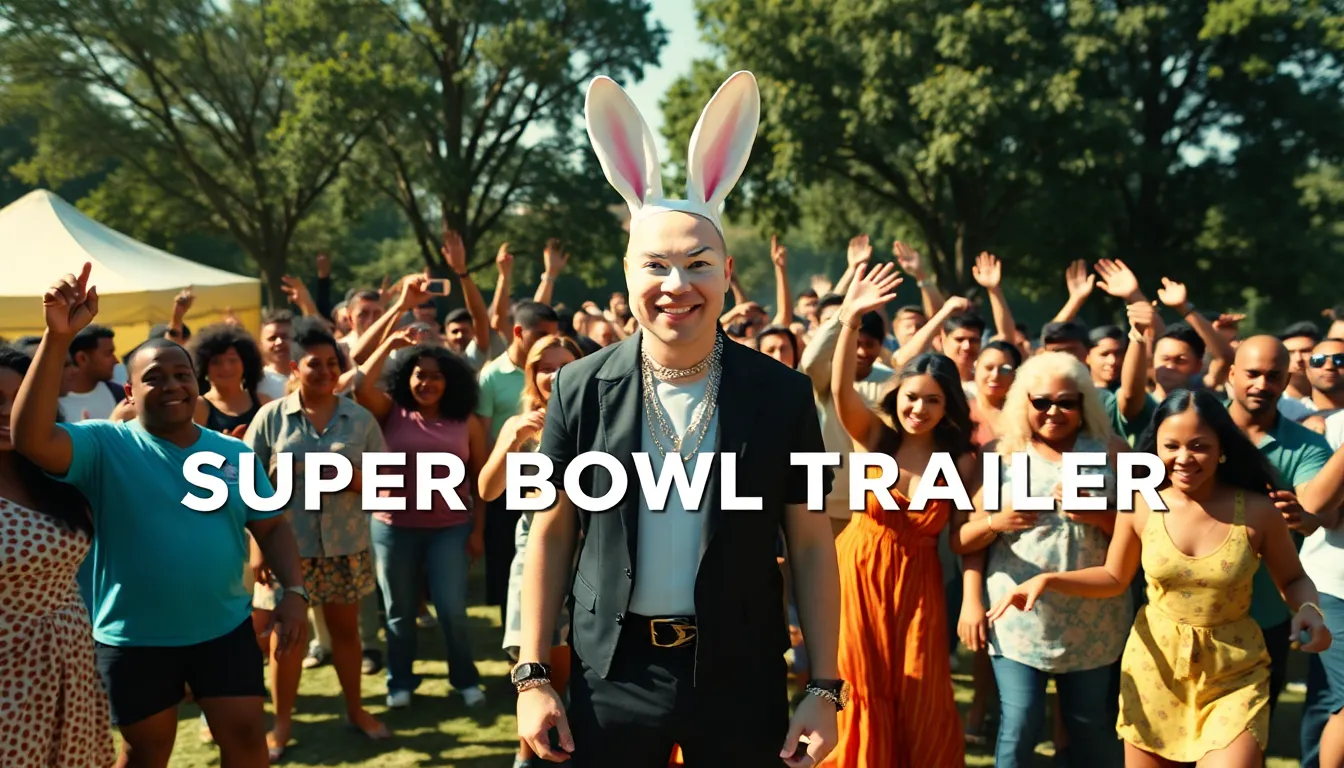
Frequently asked questions about the trailer
Key takeaways and future implications of the message
Bad Bunny’s latest Super Bowl trailer encapsulates a powerful multi-cultural message that resonates deeply in today’s global landscape. As audiences increasingly embrace diversity and inclusivity, the artist’s commitment to showcasing a rich tapestry of cultures through music and dance signifies a shift in mainstream media narratives. This bold statement not only elevates his artistic brand but also sets a precedent for future collaborations and marketing strategies within the entertainment industry.
Looking ahead, the implications of this trailer extend beyond mere entertainment. It highlights the potential for cultural representation to drive consumer engagement, foster community connections, and inspire a new generation of artists to embrace their heritage. As brands and creators navigate this evolving cultural landscape, they must pay attention to the values reflected in their messaging and the diverse audiences they aim to reach.
- The emphasis on multi-cultural themes may encourage more brands to adopt inclusive marketing strategies, appealing to a broader audience.
- Artists and creators could feel empowered to explore and express their cultural identities, leading to richer and more diverse content in the entertainment industry.
- This trend may pave the way for collaborations that blend different cultural elements, enhancing creativity and innovation in music and advertising.
- As audiences become more attuned to cultural narratives, there may be increased demand for authenticity and representation in media.
- Monitoring the reception of such messages can provide insights into shifting consumer preferences and cultural dynamics in the coming years.