


As of mid-October 2023, the number of flu-related hospital admissions has increased markedly compared to previous years. The NHS has indicated that this year’s flu strain is particularly virulent, leading to higher hospitalization rates among vulnerable populations, including the elderly and those with pre-existing health conditions. The situation is exacerbated by ongoing staffing shortages and the lingering effects of the COVID-19 pandemic on healthcare resources.
Local hospitals in major cities, such as London and Manchester, have reported being at or near full capacity, prompting some to implement emergency measures. These measures include diverting patients to other facilities and extending waiting times for non-urgent care. The government is urging the public to consider vaccination and to seek alternative care options when appropriate to alleviate pressure on emergency services.
Experts warn that if the current trend continues, the strain on A&E departments could lead to longer wait times for all patients, potentially compromising the quality of care. The situation underscores the importance of public health initiatives and the need for a coordinated response to manage seasonal flu outbreaks effectively. As the winter months approach, health authorities are closely monitoring the situation and preparing for further challenges ahead.
Recommended Articles
- Flu cases increase following holiday gatherings according to NHS
- Leading Prediction Firms and Their Connection to Donald Trump Jr.
- Understanding the Million Dollar One Point Slam
- Ubisoft appoints Valentine Piedelievre-Eman as CCO in January 2026
- Hospital issues alert over fake doctor-endorsed videos
- Flu cases increase following holiday gatherings according to NHS
- Leading Prediction Firms and Their Connection to Donald Trump Jr.
- Understanding the Million Dollar One Point Slam
- Ubisoft appoints Valentine Piedelievre-Eman as CCO in January 2026
- Hospital issues alert over fake doctor-endorsed videos
Understanding the rise of flu cases in England
The recent surge in flu cases in England has been attributed to a combination of factors that have evolved over the years. Historically, flu seasons have varied in intensity, with significant outbreaks occurring every few years. The 2019-2020 flu season was particularly mild, leading to lower levels of immunity in the population. This lack of immunity has contributed to a more severe flu season this year, as the virus spreads rapidly among those who have not been exposed in recent years.

Political decisions regarding public health policies have also played a crucial role in shaping the current landscape. The COVID-19 pandemic led to unprecedented measures, including lockdowns and social distancing, which significantly altered the dynamics of respiratory virus transmission. As restrictions were lifted, there was a notable rebound effect, with many individuals, particularly children, returning to schools and social settings, creating an ideal environment for the flu virus to spread.
Economically, the strain on the National Health Service (NHS) has been exacerbated by the flu wave. Budget constraints and staffing shortages have left hospitals struggling to cope with the influx of patients. The NHS has faced increasing challenges in managing not only flu cases but also the backlog of treatments and surgeries that were postponed during the pandemic. This has resulted in longer wait times and increased pressure on Accident & Emergency (A&E) departments across the country.
Key Milestones in Flu Management
Over the past decade, there have been several key milestones in how flu is managed in England. The introduction of the annual flu vaccination program aimed at vulnerable populations has been a critical step in reducing flu-related complications. However, vaccine uptake has varied, and misinformation surrounding vaccines has hindered efforts to achieve higher coverage rates. Additionally, public health campaigns have evolved to address the changing nature of flu viruses and the importance of vaccination, particularly in light of the recent challenges posed by the pandemic.
Key stakeholders and issues surrounding the flu outbreak
The recent surge in flu cases has brought together a variety of stakeholders, each with distinct interests and concerns. Key actors include the National Health Service (NHS), healthcare professionals, patients and their families, local government authorities, and public health organizations. Their collective response to the outbreak will shape the healthcare landscape in England.
The NHS is on the front lines, facing overwhelming demand in Accident & Emergency (A&E) departments. The interests of the NHS include managing patient flow, ensuring adequate staffing levels, and maintaining the quality of care. However, the sheer volume of patients poses significant challenges, leading to longer wait times and potential compromises in care quality.

Healthcare professionals, including doctors and nurses, are also critical stakeholders. They are concerned about their own capacity to provide care amid rising patient numbers and the associated stress. Additionally, they advocate for better working conditions and resources to effectively manage the flu wave. The potential for burnout and job dissatisfaction is a pressing issue that could have long-term implications for the healthcare workforce.
- Patient safety: With increased admissions, the risk of overcrowding in A&E could jeopardize patient safety.
- Resource allocation: Balancing resources between flu treatment and other medical needs is a significant challenge.
- Public health messaging: Clear communication from health authorities is essential to guide public behavior during the outbreak.
- Local government support: Local authorities must coordinate with healthcare providers to manage community health resources effectively.
- Economic impact: The flu outbreak may strain local economies, especially if businesses face staff shortages due to illness.
Local government authorities play a vital role in coordinating responses and ensuring that public health measures are in place. Their interests include protecting community health and ensuring that local healthcare systems are not overwhelmed. They may face conflicts in resource allocation, as funds and services are stretched thin during peak flu seasons.
Finally, public health organizations are tasked with monitoring the outbreak and providing guidance on preventive measures. Their focus is on minimizing the spread of the virus and informing the public about vaccination and health practices. However, they must navigate the challenge of public compliance and misinformation, which can hinder effective public health strategies.
Impact of the flu wave on patients and healthcare services
The ongoing flu wave is significantly impacting various groups, particularly vulnerable populations such as the elderly, young children, and individuals with pre-existing health conditions. These groups are experiencing higher rates of hospitalization, leading to increased pressure on healthcare services across England. The flu wave is also affecting healthcare workers, who are facing burnout and staffing shortages as they manage the surge in patient numbers.
Regions with the highest population density, particularly urban areas, are feeling the brunt of this crisis. Emergency departments are overwhelmed, with hundreds of patients arriving daily, causing longer wait times and increased stress on medical staff. This situation is prompting urgent discussions among policymakers about the need for enhanced resources and support for the healthcare system.

Short-term impacts on daily life include longer wait times for medical attention and potential delays in elective procedures as hospitals prioritize flu patients. Businesses may also experience disruptions as employees take sick leave or care for ill family members. In the mid-term, there may be a push for policy changes aimed at improving public health infrastructure and increasing vaccination campaigns to mitigate future outbreaks.
- Healthcare Services: Increased demand leading to strained resources.
- Patients: Longer wait times and potential delays in treatment.
- Businesses: Disruptions due to employee absenteeism.
- Policy Changes: Possible reforms aimed at strengthening healthcare systems.
While the flu wave presents significant risks, there are also potential opportunities for growth in the healthcare sector. Increased demand for flu vaccines and treatments may lead to innovation in pharmaceutical and biotech industries. Additionally, the crisis could spur investments in telehealth and digital health solutions, as patients seek alternative ways to access care without overwhelming traditional healthcare settings.
A: Common symptoms of the flu include fever, cough, sore throat, body aches, and fatigue. It is important to seek medical attention if symptoms worsen. A: To protect yourself, get vaccinated, practice good hygiene like washing hands frequently, and avoid close contact with sick individuals. A: If you suspect you have the flu, rest, stay hydrated, and consider consulting a healthcare provider for advice on treatment and care. A: The flu vaccine is designed to protect against the most common strains of the virus and is generally effective, but its efficacy can vary each season. A: The flu usually lasts about one week, but some symptoms can persist longer, especially in vulnerable populations.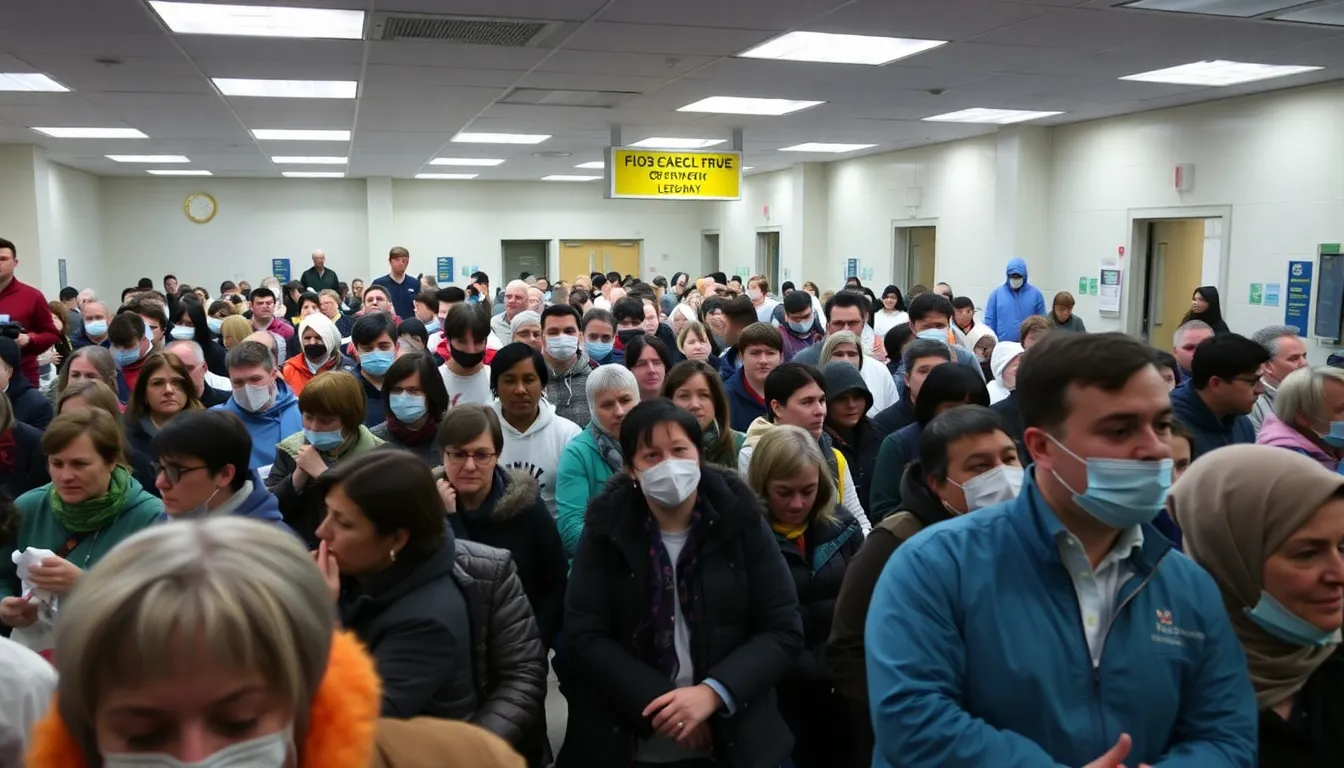
Frequently asked questions about the flu wave
Looking ahead: Key points and future outlook
The current flu wave impacting England’s busiest Accident & Emergency (A&E) departments highlights the ongoing challenges faced by the healthcare system. With hundreds of patients arriving daily, the strain on resources and staff is evident. This situation underscores the importance of preparedness and adaptability within the healthcare framework to manage seasonal surges effectively.
As the flu season progresses, monitoring patient trends and hospital capacities will be crucial. Stakeholders must remain vigilant in addressing the immediate needs of patients while also developing long-term strategies to improve resilience against future outbreaks.
- Increased demand for healthcare services: The current influx of patients may lead to longer wait times and increased pressure on healthcare professionals.
- Importance of vaccination campaigns: Enhanced public health initiatives promoting flu vaccinations could help mitigate the impact of future outbreaks.
- Resource allocation strategies: Hospitals may need to reevaluate resource distribution to ensure adequate staffing and supplies during peak periods.
- Potential for telehealth expansion: Utilizing telehealth services could alleviate some pressure on A&E departments by providing alternative care options for non-emergency cases.