


As of late 2023, players have reported a growing number of amiibo that provide game content that can only be accessed through these figures. For instance, the release of new amiibo for titles like “The Legend of Zelda: Tears of the Kingdom” has raised eyebrows, especially when certain items or characters are locked behind a paywall. This has led to concerns about the increasing commercialization of gaming experiences and the potential alienation of players who may not wish to purchase multiple figures. You can read more about the implications of such trends in the gaming industry.
Critics argue that while amiibo add a layer of interactivity and nostalgia, the necessity of purchasing them for full game access diminishes the overall experience. Nintendo’s strategy appears to prioritize profitability over player satisfaction, as evidenced by the limited availability of certain amiibo and the inflated prices on the secondary market. This situation has prompted discussions within the gaming community about the implications of such practices for future game design and player engagement, which mirrors broader concerns about microtransactions.
Moreover, the ongoing debate highlights a broader issue in the gaming industry regarding microtransactions and DLC content. As companies continue to explore monetization strategies, the balance between rewarding loyal fans and ensuring equitable access to content remains a key concern. The evolution of amiibo unlocks may serve as a case study for how gaming companies navigate this challenging landscape in the years to come, much like the recent trends seen with the growth of interactive toys.
The Background of amiibo and Their Purpose
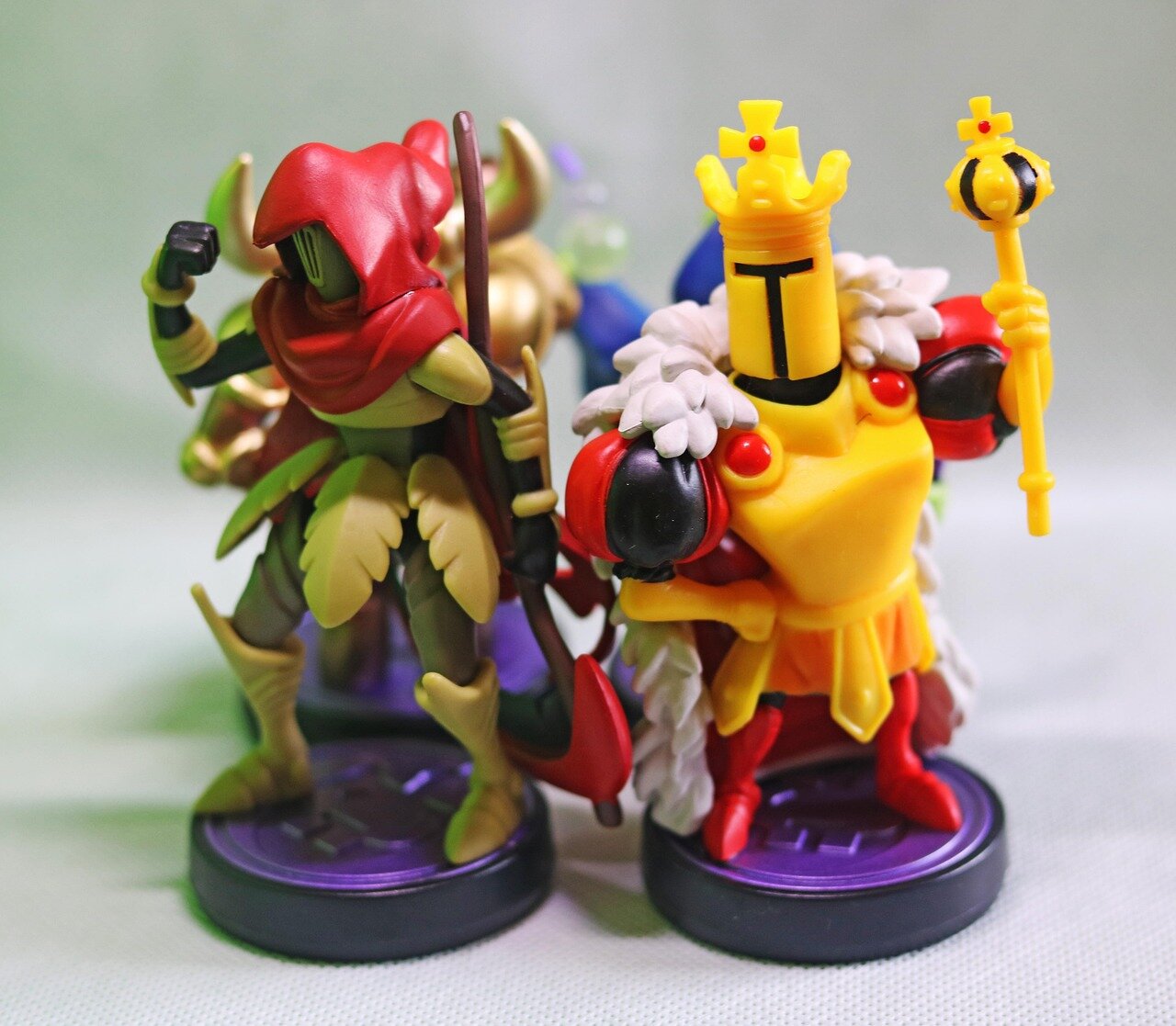
Amiibo, the collectible figurines created by Nintendo, were first introduced in 2014 as part of the company’s strategy to merge physical collectibles with digital gaming experiences. Initially launched alongside the “Super Smash Bros.” series for the Wii U and Nintendo 3DS, amiibo were designed to enhance gameplay by allowing players to unlock special features, characters, and items within their favorite games. This innovative approach not only appealed to gamers but also attracted collectors, leading to a surge in demand for these figures.
The concept of amiibo was rooted in the broader trend of interactive toys and figures that gained popularity in the early 2010s. Companies like Activision with their Skylanders series and Disney with Infinity had already established successful franchises that combined physical toys with digital gaming. Nintendo’s entry into this market was a strategic move to capitalize on this growing trend, while also leveraging its rich history of beloved characters and franchises.
Over the years, amiibo have evolved beyond their initial purpose, with Nintendo expanding their functionality across various titles and platforms. With the release of the Nintendo Switch, amiibo compatibility was integrated into numerous games, allowing players to unlock exclusive content. However, this expansion has also led to a growing concern among fans regarding the increasing complexity and sometimes absurdity of the unlocks associated with these figures.
The Shift in Unlock Mechanisms
As amiibo became more entrenched in the gaming ecosystem, the nature of their unlocks began to shift. What started as simple character enhancements or cosmetic items has transformed into a more convoluted system, where players must often purchase multiple amiibo to access a wide array of content. This has sparked debates within the gaming community about the fairness and accessibility of such practices, with many arguing that it detracts from the overall gaming experience.
Analyzing the Stakeholders Behind amiibo Unlocks
The amiibo phenomenon, which began as a collectible toy line by Nintendo, has evolved into a significant aspect of gaming culture. The primary stakeholders in this scenario include Nintendo, gamers, retailers, and the broader gaming community. Each of these actors has distinct interests that shape the ongoing discourse surrounding amiibo unlocks.
Nintendo, as the creator and distributor of amiibo, aims to drive sales and enhance user engagement within its gaming ecosystem. The company benefits from the collectible nature of amiibo, as it encourages consumers to purchase multiple figures for exclusive in-game content. However, this strategy raises concerns among gamers who feel that the unlocks are becoming increasingly extravagant and, at times, unreasonable.
Gamers represent a diverse group with varying levels of investment in amiibo. While some appreciate the added value and unique content that amiibo unlocks provide, others criticize the practice as a form of monetization that detracts from the overall gaming experience. This divide creates tension between casual players and dedicated collectors, leading to discussions about fairness and accessibility.
- Retailers: They play a crucial role in the distribution of amiibo, but may face challenges in managing inventory and consumer demand.
- Legal Issues: The practice of locking content behind amiibo raises questions about consumer rights and the implications of digital ownership.
- Economic Impact: The resale market for amiibo figures can lead to inflated prices, creating barriers for some consumers while benefiting others.
- Community Response: Online forums and social media platforms serve as venues for gamers to express their opinions, influencing market trends and Nintendo’s future strategies.
As the discussion around amiibo unlocks continues to evolve, it is essential to consider these stakeholders and the complexities of their interests. The interplay between consumer expectations, corporate strategies, and market dynamics will ultimately shape the future of amiibo and its role in gaming culture.
The Impact of amiibo Unlocks on Gamers and the Market
The recent evolution of amiibo unlocks has significant implications for various groups, particularly gamers, retailers, and game developers. Gamers who have invested in amiibo figures may feel both excitement and frustration as they navigate the increasingly complex unlock systems. Retailers may see shifts in consumer purchasing behavior, while developers face new challenges in balancing game content with physical collectibles.
In the short term, the excitement surrounding new amiibo releases can drive sales and boost engagement within the gaming community. However, the confusion over unlocks can lead to dissatisfaction among players, especially if they feel that essential game content is locked behind paywalls. This could result in a decline in player retention and a potential backlash against both amiibo and the games they are associated with.
In the mid-term, businesses may need to adapt their strategies to maintain customer loyalty. This could involve revising pricing models or enhancing the perceived value of amiibo through exclusive content or experiences. On the other hand, if amiibo unlocks become too convoluted, it could deter new players from entering the market, impacting overall sales and engagement.
- Risks: Player frustration leading to decreased sales.
- Opportunities: Increased sales from dedicated fans willing to invest in collectibles.
- Risks: Potential backlash against perceived exploitation of players.
- Opportunities: Enhanced brand loyalty through unique game experiences tied to amiibo.
Ultimately, the ongoing evolution of amiibo unlocks presents both challenges and opportunities for the gaming industry. The balance between offering value and creating frustration will be crucial in determining the future success of amiibo and their impact on the gaming landscape.
A: amiibo are toys-to-life figures created by Nintendo that interact with video games to unlock content and features. A: Many gamers feel that the unlocks have become overly complex or trivial, detracting from the gaming experience. A: amiibo are designed to work across various Nintendo consoles, allowing players to use them for different games and features. A: Yes, Nintendo continues to produce new amiibo figures, often tied to new game releases or anniversaries. A: Yes, amiibo can unlock exclusive in-game content, such as characters, costumes, and levels, depending on the game.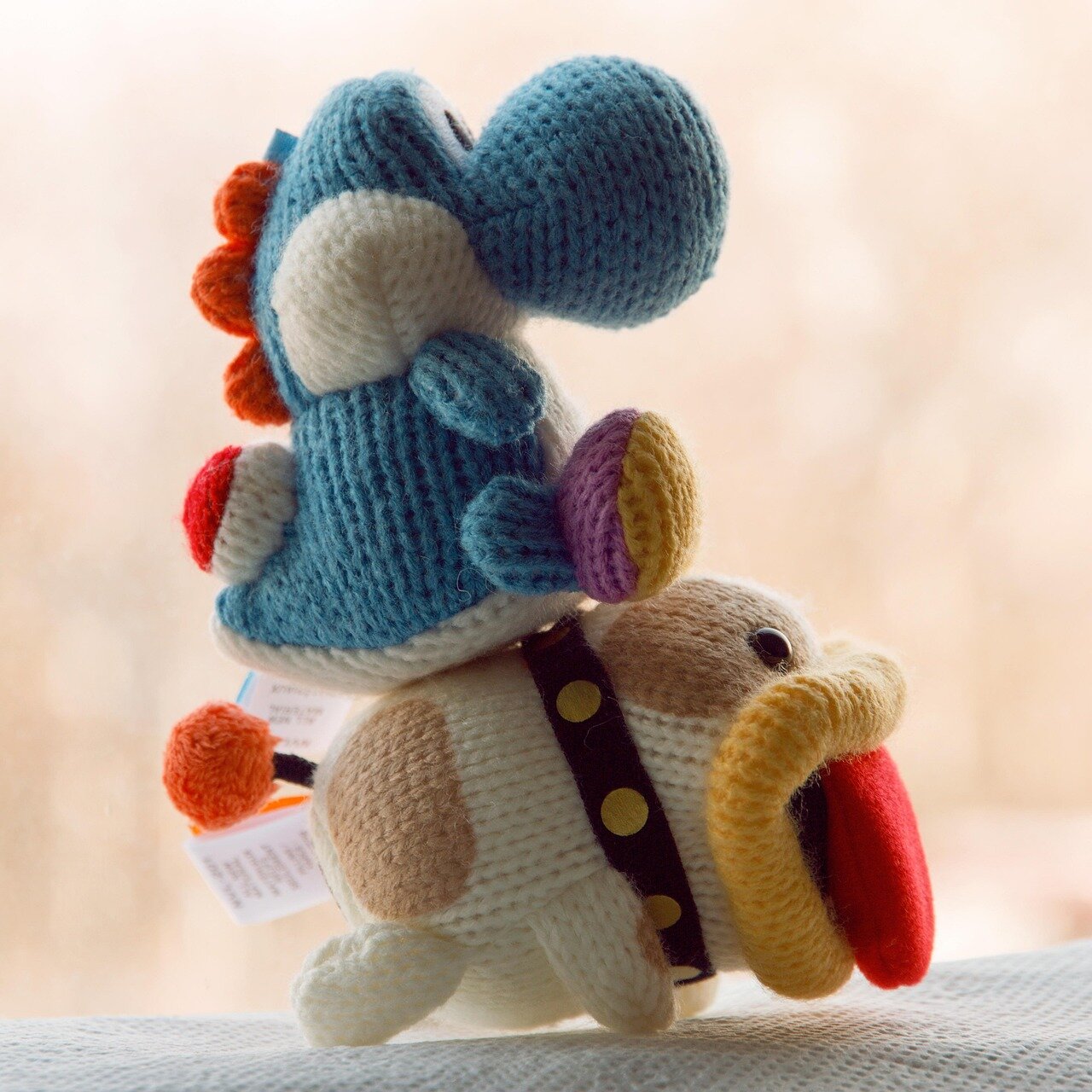
Frequently Asked Questions About amiibo
Key Takeaways and Future Outlook for amiibo
The endurance of amiibo through the transition to new console generations highlights their significant role in Nintendo’s ecosystem. However, the increasing complexity and sometimes arbitrary nature of unlocks associated with these figures raises questions about their long-term appeal and functionality. As the gaming community continues to evolve, so too must the approach to amiibo, ensuring they remain relevant and valuable to players.
Looking ahead, it will be essential for Nintendo to strike a balance between novelty and accessibility. The future of amiibo could hinge on how well they adapt to player expectations and technological advancements, particularly in the realm of digital content and integration across platforms.
- Monitor how amiibo unlocks evolve with future game releases, particularly in terms of player accessibility.
- Watch for potential shifts in consumer sentiment regarding physical collectibles versus digital content.
- Consider the implications of amiibo integration in upcoming Nintendo titles and its impact on gameplay experiences.
- Keep an eye on community feedback regarding the perceived value of amiibo in relation to their unlocks.
- Evaluate how competing platforms respond to amiibo’s success and whether similar models emerge in the industry.