


Gumayusi’s return has sparked discussions about the team’s dynamics and their potential trajectory in the ongoing tournament, highlighting the significance of team chemistry in esports.
This match marks a critical moment in the LCK Cup, showcasing the unpredictability and excitement of competitive League of Legends. T1’s ability to adapt and overcome early setbacks serves as a testament to their skill and teamwork. As the tournament progresses, this victory positions T1 as a strong favorite for the championship title, raising the stakes for their upcoming matches.
The reverse sweep against HLE is a reminder of the high level of competition within the LCK. Fans and analysts alike are eager to see how T1 will build on this momentum in the finals. With the stage set for an intense conclusion to the LCK Cup, all eyes will be on T1 as they vie for glory and redemption following a challenging start to the series.
Understanding the significance of the Gumayusi reunion
This event is not just a simple game; it reflects the evolving landscape of esports in South Korea, where player relationships and team dynamics can significantly impact performance and public interest.
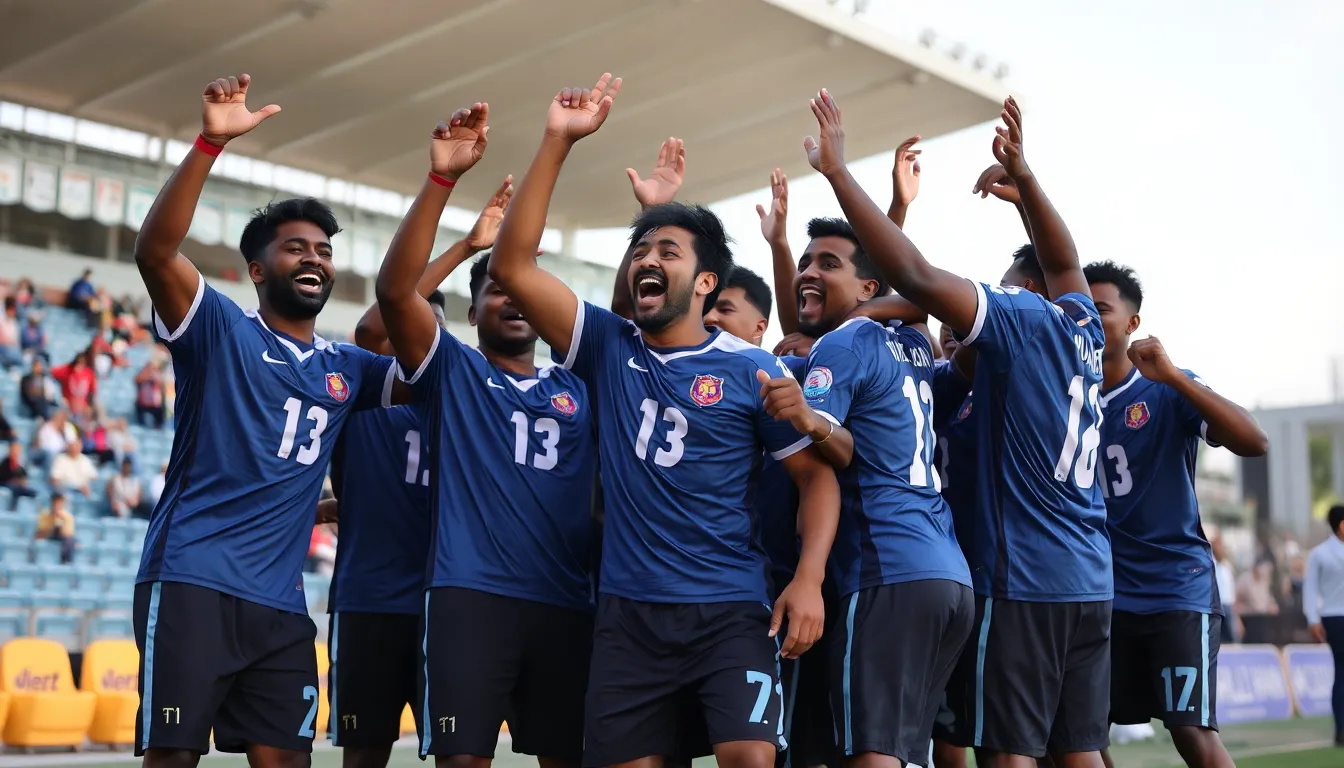
Historically, T1 has been one of the most successful teams in League of Legends, with a rich legacy that includes multiple championships and a roster filled with talent. Gumayusi, who rose to prominence as a key player for T1, has had a storied career that has seen him navigate the pressures of being in the spotlight. His reunion with former teammates at HLE adds a layer of emotional complexity to the competitive scene.
The matchup between T1 and HLE, featuring Gumayusi, was particularly anticipated due to the narrative surrounding his departure and subsequent reunion with familiar faces, reminiscent of how team strategies evolve over time.
The Evolution of Team Dynamics in Esports
In recent years, the esports community has witnessed a shift in how teams are formed and how players interact with one another. Player transfers, strategic partnerships, and the rise of social media have all contributed to a more interconnected environment. The Gumayusi reunion is emblematic of this trend, highlighting how personal relationships can influence team chemistry and performance on the big stage.
As fans and analysts dissect the implications of this reunion, it becomes clear that the emotional narratives behind player movements are just as crucial as the technical skills displayed in-game. The T1 versus HLE match not only showcased high-level gameplay but also served as a reminder of the human stories that lie at the heart of competitive esports.
Key players and strategies that led to the reverse sweep
The recent LCK Cup matchup between T1 and HLE showcased a dramatic turnaround, particularly highlighting the reunion of star player Gumayusi with T1. This event not only captivated fans but also brought various stakeholders into the spotlight, each with distinct interests and strategies.

At the forefront of this match were the players themselves, including Gumayusi, who aimed to prove his worth after his return to T1. His performance was pivotal in shifting the momentum during the series, emphasizing the individual talent that can influence team dynamics. HLE, on the other hand, sought to establish their dominance in the league and secure a victory against a historically strong rival.
Additionally, the coaching staff of both teams played crucial roles in devising strategies that could exploit the opponent’s weaknesses. T1’s coaching team had to adapt quickly after losing the initial games, focusing on enhancing team coordination and communication. This adaptability was essential in executing a successful reverse sweep, showcasing the importance of strategic flexibility in high-stakes matches.
- Player Performance: Individual players like Gumayusi significantly impacted the game’s outcome, highlighting the importance of star talent in crucial moments.
- Coaching Strategies: The ability of coaching staff to adjust tactics in real-time was critical to T1’s success in overcoming early setbacks.
- Fan Engagement: The reunion of Gumayusi with T1 generated considerable excitement among fans, influencing team morale and support.
- Economic Implications: Success in the LCK Cup can lead to increased sponsorships and revenue for teams, making victories even more significant.
- Team Dynamics: The interplay between veteran players and newcomers can create both synergy and conflict, affecting overall performance.
Overall, the reverse sweep not only highlighted the individual brilliance of players but also underscored the intricate web of strategies, interests, and economic factors that shape competitive esports. The LCK Cup serves as a microcosm of the larger esports ecosystem, where every match can have far-reaching implications for teams and their stakeholders.
Implications for T1 and the LCK Cup landscape
The recent reverse sweep by T1 against HLE in the LCK Cup has significant implications for various stakeholders within the esports ecosystem. Fans, players, teams, and sponsors are all affected by this thrilling match, which showcases the competitive nature of the league and its potential for increased viewership and engagement.
In the short term, the match has heightened excitement among fans, potentially leading to increased attendance at future games and higher viewership for broadcasts. This surge in interest can benefit local businesses, particularly those in hospitality and retail sectors, as fans gather to watch matches together. Additionally, the performance of T1 may attract new sponsorship deals, enhancing financial support for the team and the league.

In the mid-term, the outcome of this match could influence player recruitment and team strategies across the LCK. Teams may look to bolster their rosters in response to T1’s demonstrated resilience and skill. This could lead to a more competitive environment, prompting teams to invest in better training facilities and coaching staff to keep pace with the top performers.
- Increased fan engagement: More viewers and attendees at matches.
- Local business growth: Boost in sales for restaurants and merchandise.
- Team dynamics: Shifts in recruitment strategies and player movements.
- Sponsorship opportunities: Potential for new deals and partnerships.
However, there are risks associated with this heightened competition. Teams may overspend in their quest for success, leading to financial instability. Additionally, the pressure on players to perform can result in burnout or mental health challenges, which organizations must address proactively to maintain a healthy competitive environment.
A: The final score was 3-2 in favor of T1, marking a thrilling comeback after being down 0-2. A: Gumayusi played a crucial role in the comeback, demonstrating exceptional skill and teamwork throughout the match. A: This victory boosts T1’s morale and positions them as strong contenders for the LCK Cup title. A: The loss puts HLE in a challenging position, raising questions about their strategy and performance moving forward. A: T1 adjusted their gameplay by focusing on team coordination and utilizing Gumayusi’s strengths effectively.
Frequently asked questions about the match
Key takeaways and future outlook for T1
The recent reverse sweep by T1 against HLE in the LCK Cup not only showcases their resilience but also highlights the potential for growth and adaptation within the team. As Gumayusi reunites with T1, the synergy and chemistry developed during their previous tenure could play a crucial role in enhancing the team’s overall performance. Observers should note how this reunion influences T1’s strategies and in-game dynamics moving forward.
Looking ahead, the implications of this match extend beyond just the immediate results. T1’s ability to perform under pressure and adapt to their opponents’ strategies will be essential as they progress through the tournament. The team’s mental fortitude and strategic flexibility will be key factors to monitor in upcoming matches.
- Watch for the evolving synergy between Gumayusi and the rest of the team, as it may lead to innovative strategies.
- Monitor T1’s adaptability in high-pressure situations, which could define their success in future matches.
- Consider the impact of coaching decisions on T1’s performance, especially in terms of in-game adjustments.
- Pay attention to how T1’s fan engagement and support might influence their morale and performance in the tournament.