


In 2019, former President Donald Trump expressed interest in purchasing Greenland, a move that sparked widespread debate and highlighted the island’s geopolitical significance. Although the idea was met with resistance from both Greenlandic officials and the Danish government, it underscored the growing recognition of Greenland as a valuable asset in the Arctic region. The U.S. has since increased its diplomatic and military presence in Greenland, further emphasizing its strategic importance, which is further explored in Trump’s Shift Towards Imperialism in Greenland.
China has also been active in the region, investing in infrastructure projects and seeking to enhance its presence through economic partnerships. In 2020, a Chinese mining company attempted to secure rights to extract rare earth minerals in Greenland, drawing concerns from Western nations about potential security risks and environmental impacts. This has prompted discussions on how to balance economic development with environmental protection in the fragile Arctic ecosystem.
As global interest in Greenland intensifies, the local population faces the challenge of navigating these external pressures while maintaining their cultural identity and autonomy. Greenland’s government is actively seeking to assert its self-determination and manage foreign investments that could impact its future. The ongoing dialogue about Greenland’s role in international affairs reflects broader themes of climate change, resource competition, and indigenous rights in the Arctic region.
Historical Context of Greenland’s Geopolitical Significance
Greenland, the world’s largest island, has long been a focal point of geopolitical interest due to its strategic location between North America and Europe. Historically, its significance was recognized by various colonial powers, with Denmark establishing control over the island in the early 18th century. This control laid the groundwork for Greenland’s integration into the Danish realm, shaping its political landscape and international relations.
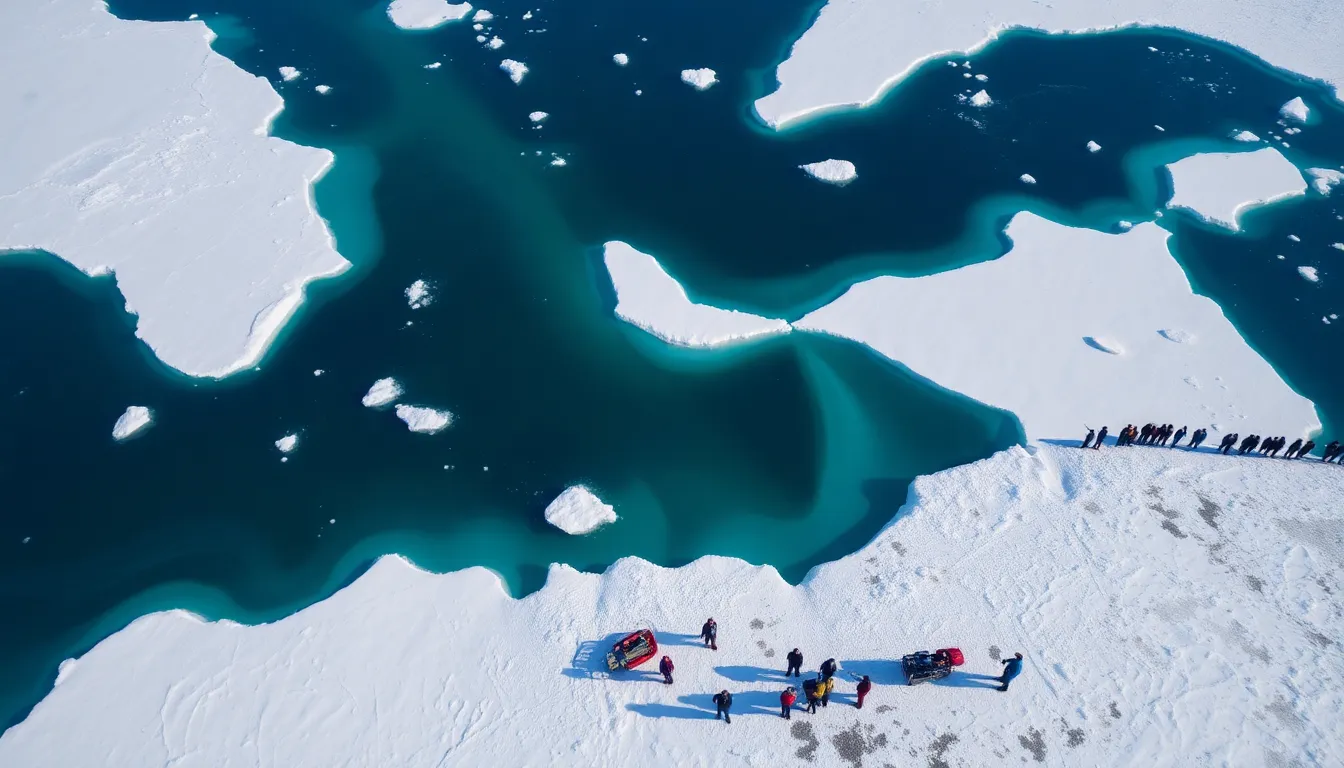
During the Cold War, Greenland’s importance escalated as the United States sought to establish a military presence in the Arctic region. The establishment of Thule Air Base in 1951 marked a significant milestone, allowing the U.S. to monitor Soviet activities in the North. This military installation not only underscored Greenland’s strategic value but also highlighted the island’s role in global power dynamics, drawing attention from other nations interested in Arctic resources and routes.
Economic Interests and Resource Exploration
In recent years, the melting ice due to climate change has opened new opportunities for resource exploration in Greenland. The island is rich in minerals, oil, and gas, attracting international corporations and governments eager to capitalize on these resources. As countries like China and Russia increase their presence in the Arctic, Greenland’s economic potential has become a focal point for international investment and interest, further complicating its geopolitical status.
Moreover, Greenland’s self-governance, established through the Self-Government Act of 2009, has allowed it to pursue its own economic policies and international relations. This autonomy has led to a growing interest from various nations looking to establish partnerships, particularly in the context of climate change and sustainable development, as noted in the ongoing exploration of its geopolitical significance.
Key Stakeholders and Issues Surrounding Greenland
Greenland has become a focal point of international interest due to its vast natural resources, strategic location, and geopolitical significance. Various actors are involved, each with distinct interests that can lead to conflicts and trade-offs.
One of the primary stakeholders is the government of Greenland, which seeks to gain autonomy and control over its resources. The Greenlandic leadership aims to balance economic development with environmental preservation, especially as climate change opens new opportunities for mining and shipping.
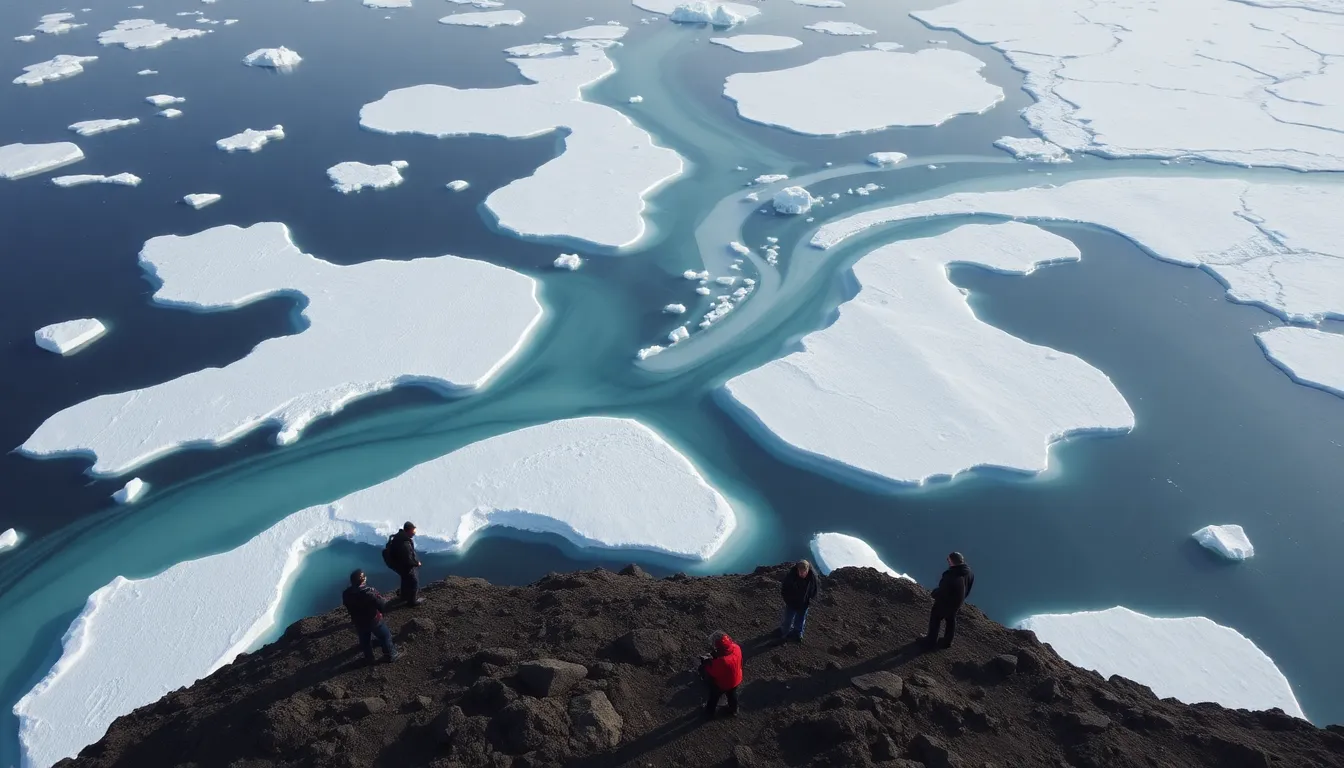
Another key actor is the Kingdom of Denmark, which retains sovereignty over Greenland. Denmark’s interests include maintaining political stability in the region while managing the implications of increased foreign investment and military presence, particularly from countries like the United States and China.
Internationally, countries such as the United States, China, and Russia are vying for influence in Greenland. The U.S. is particularly interested in establishing military bases and securing resources, while China seeks access to minerals and potential shipping routes through the Arctic. These interests can lead to tensions, especially with regard to environmental concerns and indigenous rights.
- Resource Exploitation: Conflicts arise over the extraction of minerals and oil, which can impact local communities and ecosystems.
- Geopolitical Tensions: The strategic location of Greenland has made it a point of contention between major powers, raising concerns about military escalation.
- Indigenous Rights: The rights of the Inuit population must be considered in discussions about resource management and development projects.
- Environmental Concerns: Climate change poses risks to Greenland’s environment, complicating the balance between development and conservation.
- Legal Frameworks: Existing treaties and international laws will shape how stakeholders navigate their interests and conflicts in the region.
The Impact of Global Attention on Greenland’s Residents and Economy
The growing international interest in Greenland is reshaping the lives of its residents and the dynamics of its economy. As countries and corporations vie for influence over the region’s vast natural resources, various groups are finding themselves affected in both immediate and lasting ways.
Indigenous communities, local businesses, and environmental activists are among those directly impacted. The influx of foreign investment and interest can lead to economic opportunities, such as job creation in sectors like mining and tourism. However, these developments may also threaten traditional ways of life and the fragile ecosystem of the Arctic.
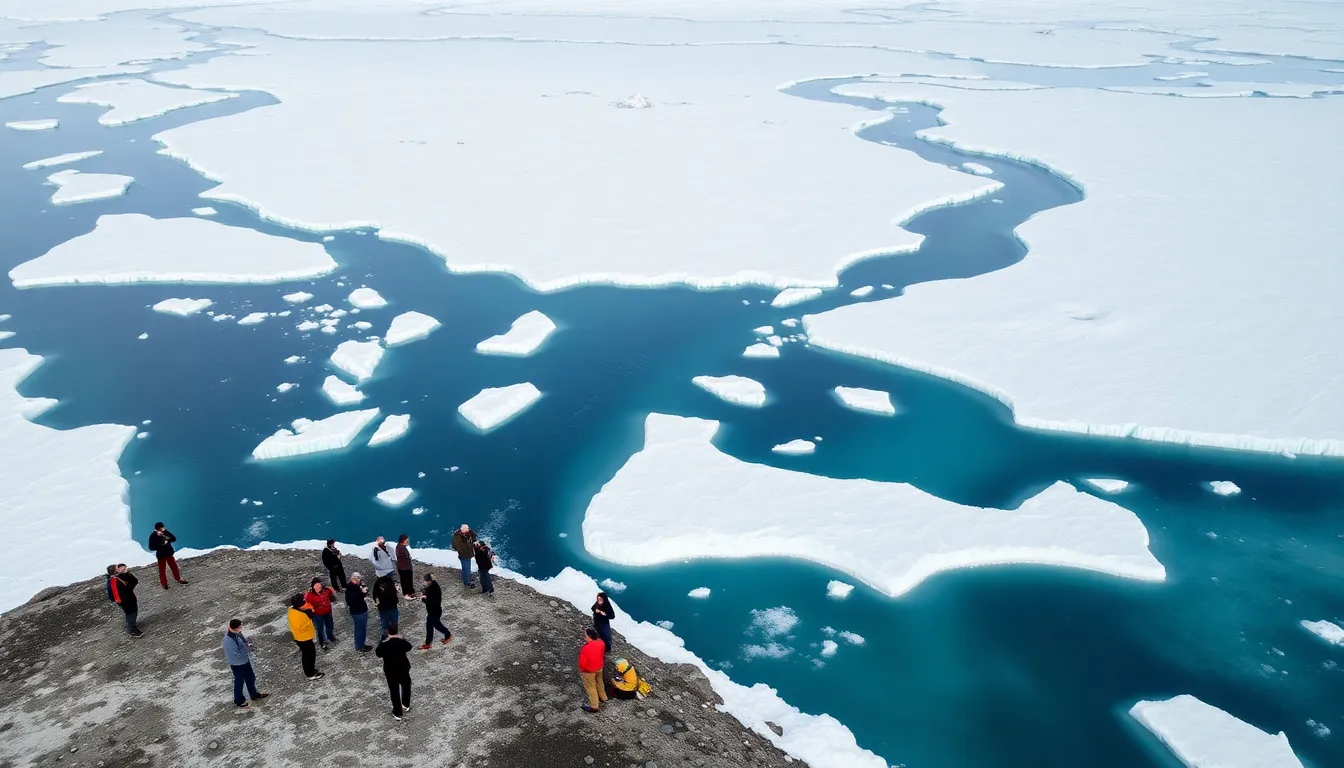
Short-term impacts include an increase in tourism, which can boost local economies but also strain infrastructure and resources. In the mid-term, the potential for mining operations and resource extraction could significantly alter the economic landscape, providing revenue streams for the government while raising concerns about environmental degradation.
- Economic Opportunities: Increased jobs in tourism and mining.
- Environmental Risks: Threats to local ecosystems and traditional lifestyles.
- Policy Changes: Potential shifts in governance and land use regulations.
The international focus on Greenland also raises geopolitical tensions, as nations navigate their interests in the Arctic. This can lead to both collaborative efforts for sustainable development and conflicts over resource control. Ultimately, the balance between leveraging opportunities and safeguarding the environment and local cultures will be crucial for Greenland’s future.
A: Greenland’s location between North America and Europe makes it a key strategic point for military and trade routes. Additionally, its vast natural resources attract international interest. A: Greenland is rich in minerals, oil, and gas. The potential for resource extraction has increased interest from various countries and companies looking to invest. A: Climate change is causing ice melt in Greenland, which opens up new shipping routes and access to resources, further increasing its geopolitical importance. A: The United States, China, and Denmark are among the countries showing significant interest in Greenland due to its strategic location and resources. A: Increased international interest could lead to both opportunities and challenges for Greenland’s indigenous population, including potential economic benefits and cultural impacts.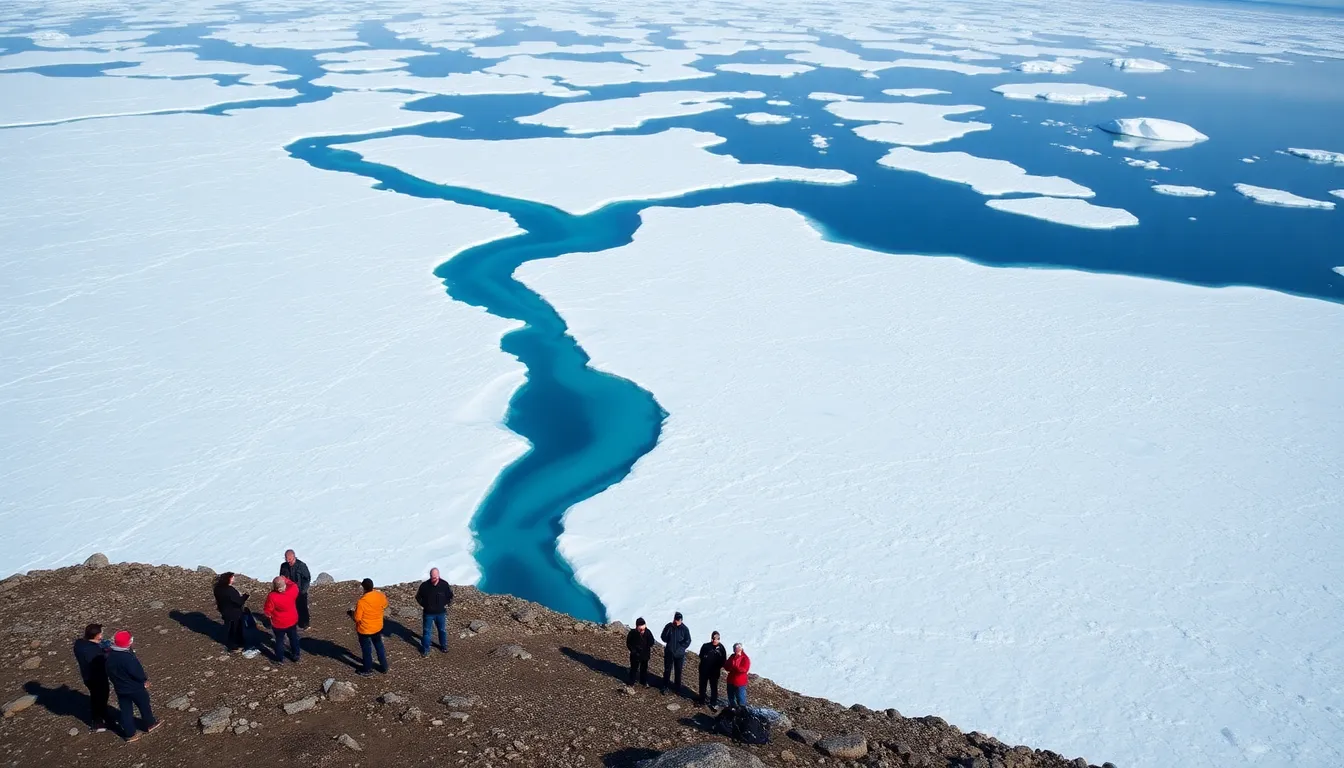
Frequently Asked Questions About Greenland’s Global Interest
Key Takeaways and Future Outlook on Greenland’s Role
The increasing international interest in Greenland stems from a combination of geopolitical strategy, resource potential, and climate change implications. As Arctic ice melts, new shipping routes and access to untapped natural resources are becoming more viable, attracting attention from global powers. This evolving landscape presents both opportunities and challenges for Greenland and its indigenous population, which must navigate the complexities of foreign interest while preserving their cultural heritage and environment.
As nations vie for influence in the Arctic region, the future of Greenland will likely be shaped by international diplomacy, economic partnerships, and environmental stewardship. Observers should remain vigilant about how these dynamics unfold, as they will have lasting implications for global geopolitics and climate policy.
- Geopolitical Tensions: Watch for increased diplomatic engagements and potential conflicts as countries seek to assert their influence in the Arctic.
- Resource Development: Monitor developments in mining and energy sectors, which may attract foreign investments but also raise environmental concerns.
- Indigenous Rights: Pay attention to how Greenland’s indigenous communities respond to external pressures and advocate for their rights and interests.
- Climate Change Impact: Observe the effects of climate change on Greenland’s landscape and how it influences global shipping routes and ecological systems.
- International Cooperation: Look for potential collaborations among Arctic nations aimed at sustainable development and preservation of the region.