


On October 15, 2023, reports emerged indicating that the Taliban had ordered a nationwide internet blackout, citing security concerns amid rising protests against their rule. This decision has been met with widespread criticism, as it hampers communication and access to vital information for the Afghan populace.
While some factions advocate for stricter controls to maintain order, others recognize the importance of digital connectivity for economic stability and international relations, which parallels the recent discussions on governance and leadership dynamics.
The implications of this clash of wills are profound, as the internet shutdown not only affects daily life for Afghans but also poses challenges for humanitarian organizations operating in the region. As the situation evolves, the potential for increased unrest and further isolation of Afghanistan from the global community remains a pressing concern.
Examining the historical background of Taliban governance
The Taliban, an Islamist militant group, first emerged in the early 1990s during Afghanistan’s civil war following the Soviet withdrawal. Their initial rise to power in 1996 was marked by a promise to restore peace and enforce their interpretation of Sharia law. However, their governance was characterized by strict social codes, suppression of dissent, and significant human rights abuses, particularly against women. The group’s rule ended in 2001 when the U.S.-led invasion toppled their regime in response to the September 11 attacks.
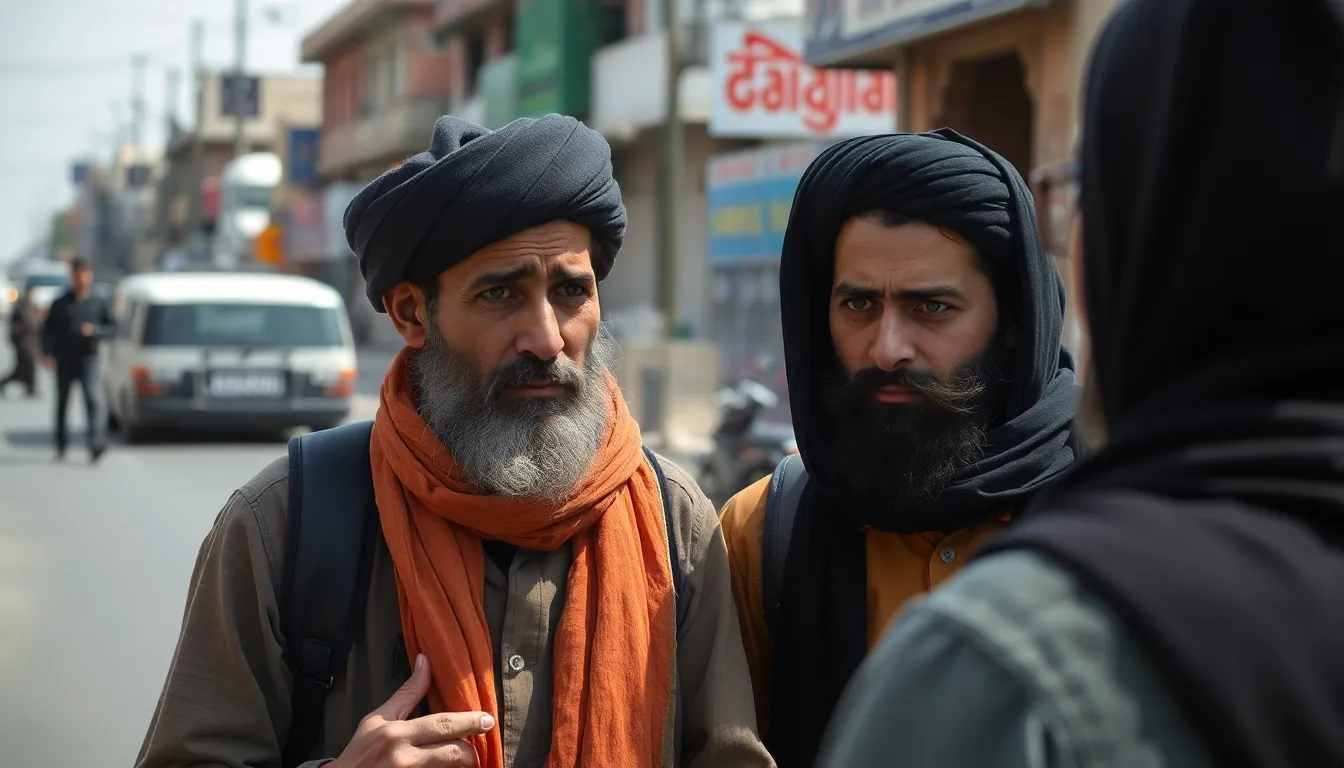
After years of insurgency, the Taliban regained control of Afghanistan in August 2021, following the withdrawal of U.S. and NATO forces. This resurgence has been accompanied by a complex interplay of internal and external pressures, as the group seeks to establish legitimacy while facing significant economic challenges and international isolation. The new Taliban government has struggled to provide basic services and maintain security, leading to widespread humanitarian crises.
In recent months, reports have surfaced about internal divisions within the Taliban regarding the regulation of the internet, leading to a controversial shutdown that has sparked public outcry and international concern, similar to the controversies surrounding calls for accountability in leadership.
Internal Conflicts and Governance Challenges
The internal rift within the Taliban highlights the challenges of governing a diverse faction with varying ideologies. While some leaders advocate for a more moderate approach to governance, including limited engagement with the international community, others remain committed to a hardline stance. This clash of wills not only affects policy decisions, such as the internet shutdown, but also reflects broader struggles over power and influence within the Taliban hierarchy.
Analyzing the key players and their conflicting interests
The ongoing tensions within the Taliban leadership highlight a complex web of interests among various stakeholders. At the forefront are the Taliban’s internal factions, particularly those aligned with hardline ideologies versus those advocating for a more moderate approach. This internal rift is exacerbated by external pressures from international governments and organizations, which complicate the Taliban’s governance and policy decisions, especially regarding internet access and freedom of expression.
Key actors in this scenario include:
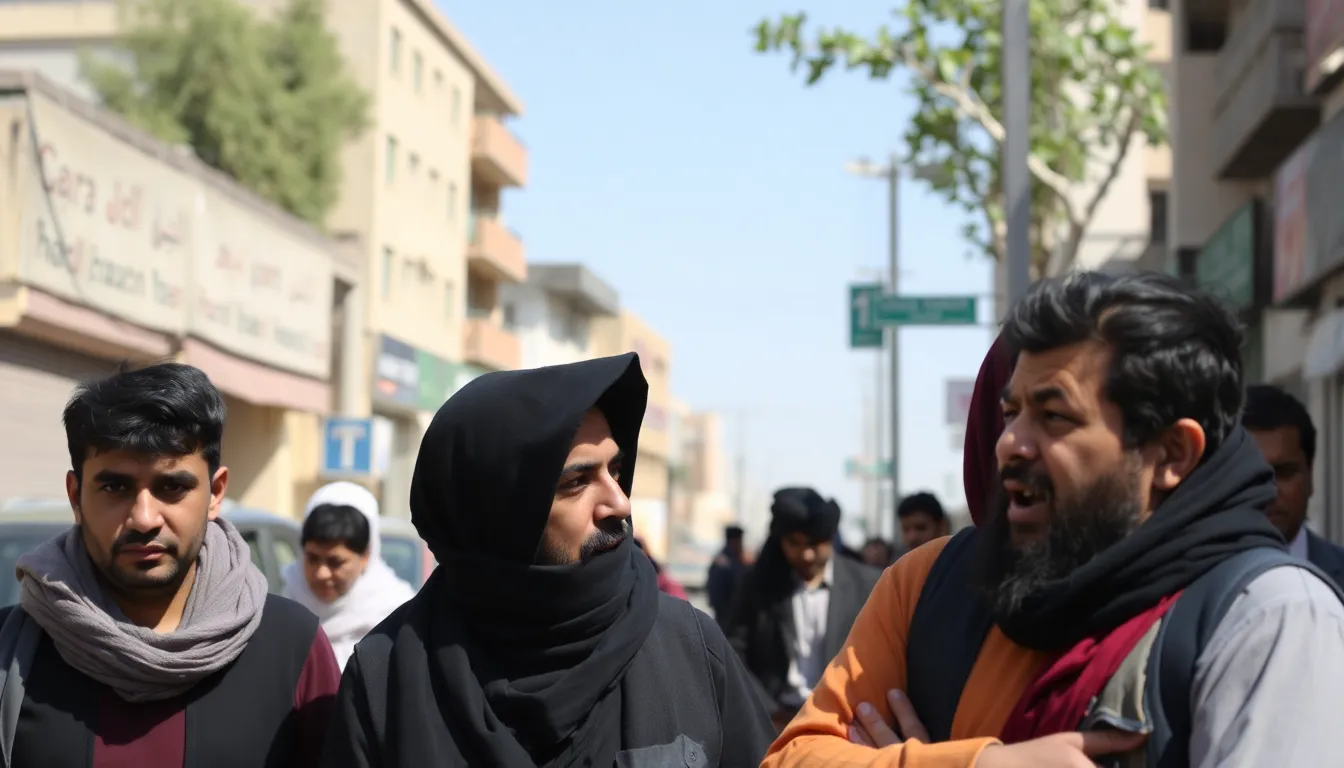
- Taliban Leadership: Comprising hardliners and moderates who have differing views on governance and international relations.
- International Community: Governments and organizations like the United Nations, which are concerned about human rights and the implications of internet censorship.
- Afghan Citizens: The general populace that is caught in the middle of these power struggles, facing restrictions on communication and information access.
One significant conflict arises from the Taliban’s need to maintain control over information while also seeking international legitimacy and aid. Hardliners may advocate for strict internet censorship to suppress dissent, while moderates might push for a more open approach to attract foreign support. This internal disagreement reflects broader ideological divides that could impact the Taliban’s stability and governance.
Afghanistan’s economy, already fragile, relies heavily on digital communication for trade and connectivity, which is crucial as seen in the global context where economic opportunities can shift dramatically.
In summary, the clash of wills within the Taliban and the surrounding geopolitical dynamics create a precarious situation. The interplay between internal factions, international expectations, and the needs of Afghan citizens illustrates the complexities of governance in a post-conflict society.
Assessing the impact on Afghan citizens and businesses
The recent internet shutdown in Afghanistan, driven by internal conflicts within the Taliban leadership, has far-reaching implications for various groups within the country. Citizens, businesses, and organizations that rely on digital connectivity are particularly affected, facing immediate disruptions in their daily activities and operations.
In the short term, the internet blackout hampers communication for individuals and families, making it difficult to stay in touch with loved ones or access vital information. Businesses, especially those in the tech and e-commerce sectors, face significant challenges as they are cut off from online customers and suppliers. This disruption can lead to financial losses and a potential decline in consumer trust.
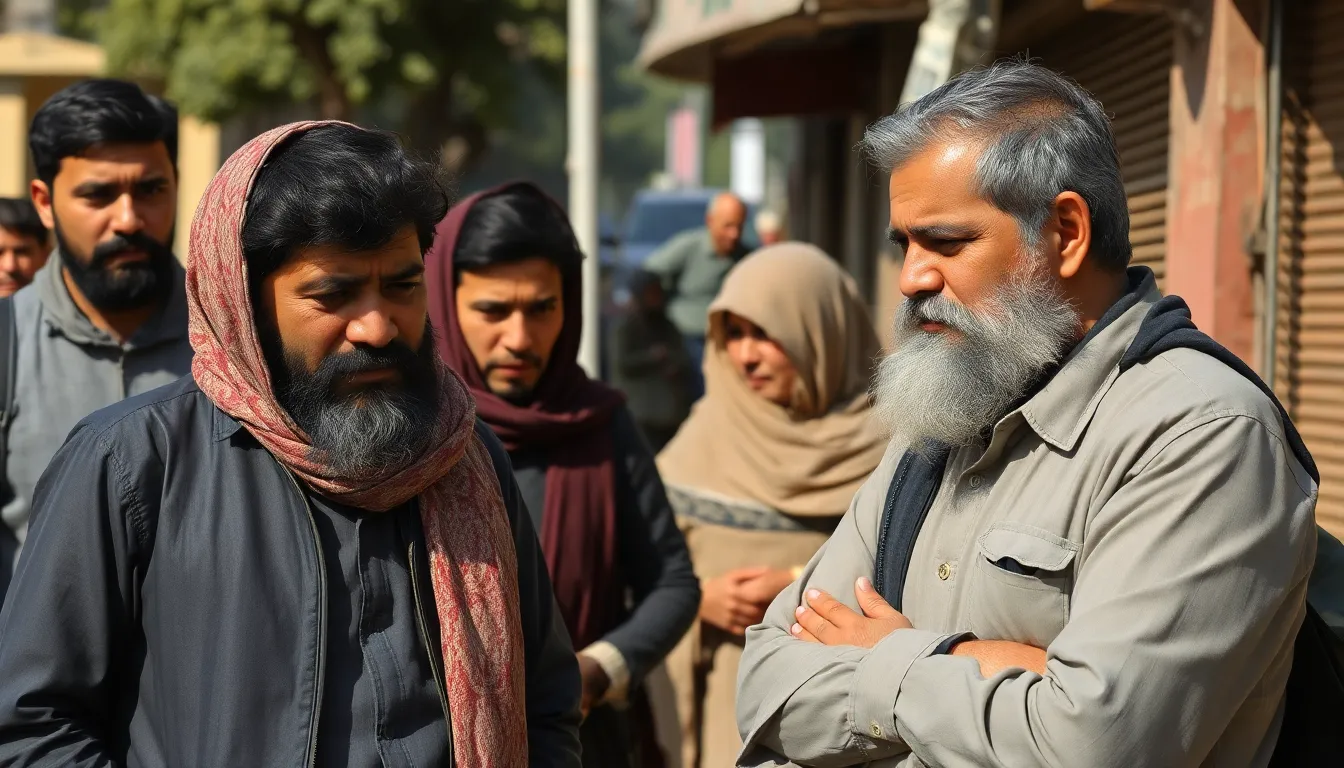
Mid-term impacts may include a slowdown in economic growth as businesses struggle to adapt to the loss of internet services. The education sector, which increasingly relies on online resources, may see a decline in learning opportunities for students. Moreover, the absence of digital communication can hinder humanitarian efforts and the delivery of essential services.
- Risks: Increased isolation of Afghan citizens, economic downturn for businesses, and disruption of essential services.
- Opportunities: Potential for local businesses to innovate alternative communication methods and the rise of offline commerce.
Overall, the clash of wills within the Taliban not only affects the political landscape but also poses significant challenges for everyday life in Afghanistan. The current situation necessitates urgent attention and potential intervention from international stakeholders to mitigate the adverse effects on the Afghan populace.
A: The internet shutdown was initiated due to internal conflicts within the Taliban leadership, particularly regarding control over information and communication. A: The shutdown has severely limited access to information, hampering communication for individuals and businesses, which rely on the internet for various services. A: The rift may lead to further instability within the Taliban, affecting their governance and potentially leading to more stringent controls over media and communication. A: Yes, international organizations have expressed concern over the human rights implications of the shutdown, calling for the restoration of internet access. A: The ongoing internal conflicts may hinder progress towards stability and development, impacting Afghanistan’s socio-economic landscape.
Frequently asked questions about the Taliban’s internet policies
Key takeaways and future outlook on Taliban leadership dynamics
The recent revelations regarding the internal conflicts within the Taliban highlight significant fractures in its leadership, particularly surrounding the controversial decision to shut down internet access. This move appears to be a reflection of deeper ideological rifts, as factions within the group vie for control and influence over governance and public policy. Understanding these dynamics is crucial for predicting the Taliban’s future behavior and its implications for Afghanistan and the broader region.
As the Taliban navigates these internal challenges, the potential for shifts in policy and governance approaches becomes apparent. Observers should remain vigilant about how these leadership struggles might affect the group’s stance on issues such as human rights, economic management, and international relations.
- Monitor the impact of leadership conflicts on Taliban governance and policy decisions.
- Watch for potential changes in internet access and media freedoms as factions assert their influence.
- Consider the implications of these internal disputes on Afghanistan’s international relations and aid prospects.
- Evaluate how public sentiment within Afghanistan may shift in response to leadership instability.
- Anticipate potential realignments or splintering within the Taliban as different factions push their agendas.