


This situation has raised concerns about the financial stability and mental well-being of those laid off. The union argues that the sudden job losses have left many without adequate resources or a safety net, making it imperative for the company and local government to step in with interim relief measures. For more insights into similar labor issues, check out Victorian Residents Face Urgent Fire Warnings and NSW Hate Speech Measures.
In a statement released on October 15, union representatives highlighted the need for severance packages, job placement assistance, and mental health support for the displaced employees. They emphasized that these measures are essential to help workers transition during this challenging period.
The union has called for a meeting with Rockstar’s management to discuss potential solutions and ensure that workers’ rights are upheld. As discussions continue, the situation remains a focal point for both the gaming industry and labor rights advocates.
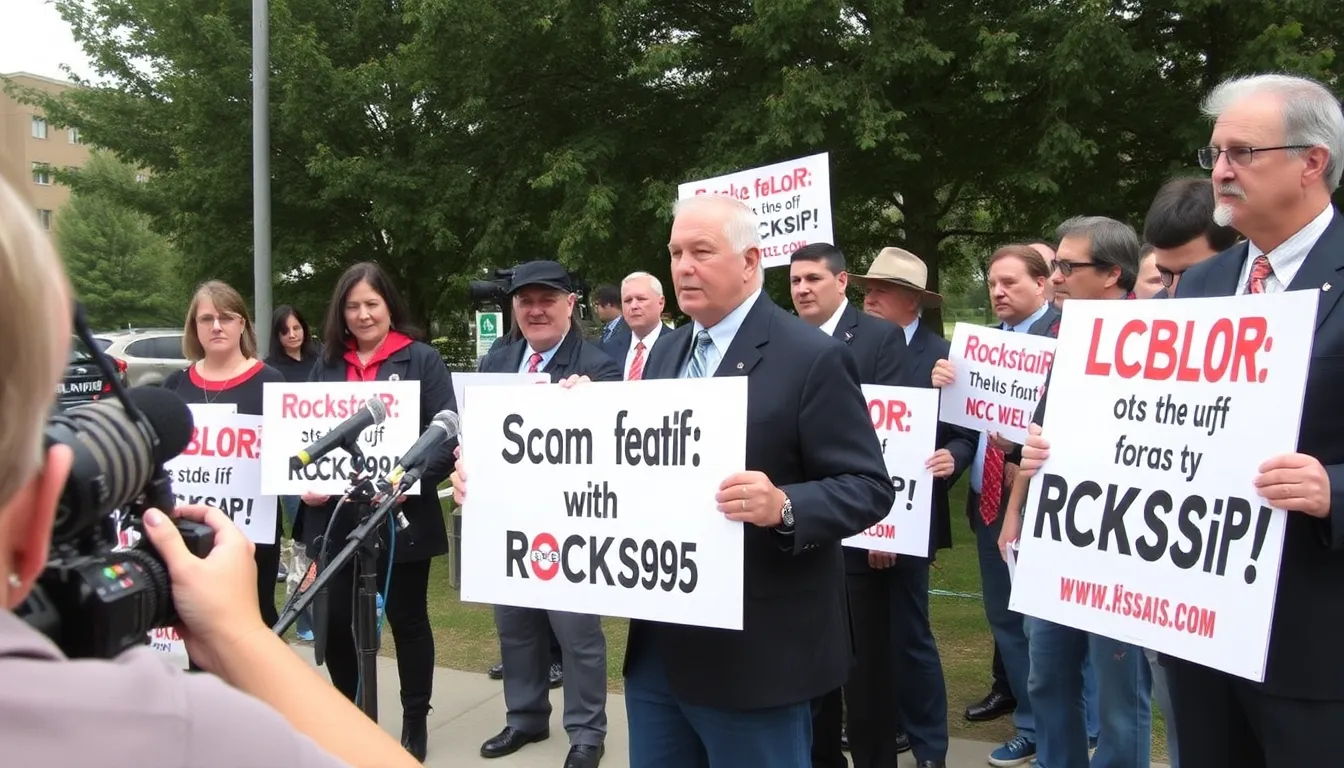
Understanding the background of the Rockstar layoffs
The recent layoffs at Rockstar Games have sent shockwaves through the gaming industry, drawing attention to the broader issues of job security and labor rights within the tech sector. Historically, the gaming industry has been marked by rapid growth and significant profits, yet it has also faced scrutiny over its labor practices. The layoffs, which affect a substantial number of employees, highlight the precarious nature of employment in a field that is often perceived as glamorous but can be volatile.
In the years leading up to these layoffs, Rockstar Games, a subsidiary of Take-Two Interactive, enjoyed considerable success with blockbuster titles that generated billions in revenue. However, this success has not shielded the company from the economic pressures that have impacted many sectors, particularly in the wake of the COVID-19 pandemic. The gaming industry experienced a surge in demand during lockdowns, but as the world began to reopen, many companies, including Rockstar, had to reassess their staffing needs and operational costs.
The union representing the affected employees has stepped forward to request interim relief, a move that underscores the growing trend of labor organization within the gaming industry. In recent years, there have been several high-profile cases of unionization efforts at various game studios, driven by concerns over working conditions, job security, and the need for a collective voice in negotiations with management. This context is crucial for understanding the significance of the current situation at Rockstar, particularly in light of the article Exploring the viral Chinese app Are You Dead that explores the impact of digital trends on workforce dynamics.
Key Milestones in Labor Movements in Gaming
Several milestones have marked the evolution of labor movements in the gaming industry. Notably, the formation of the Game Workers Unite organization in 2018 aimed to support employees seeking better working conditions. Additionally, the success of unionization efforts at companies like Activision Blizzard and the recent strike by workers at Raven Software have set precedents that may influence the outcome of the current situation at Rockstar. These events illustrate a growing recognition of the need for collective bargaining power in an industry often characterized by intense competition and high employee turnover.
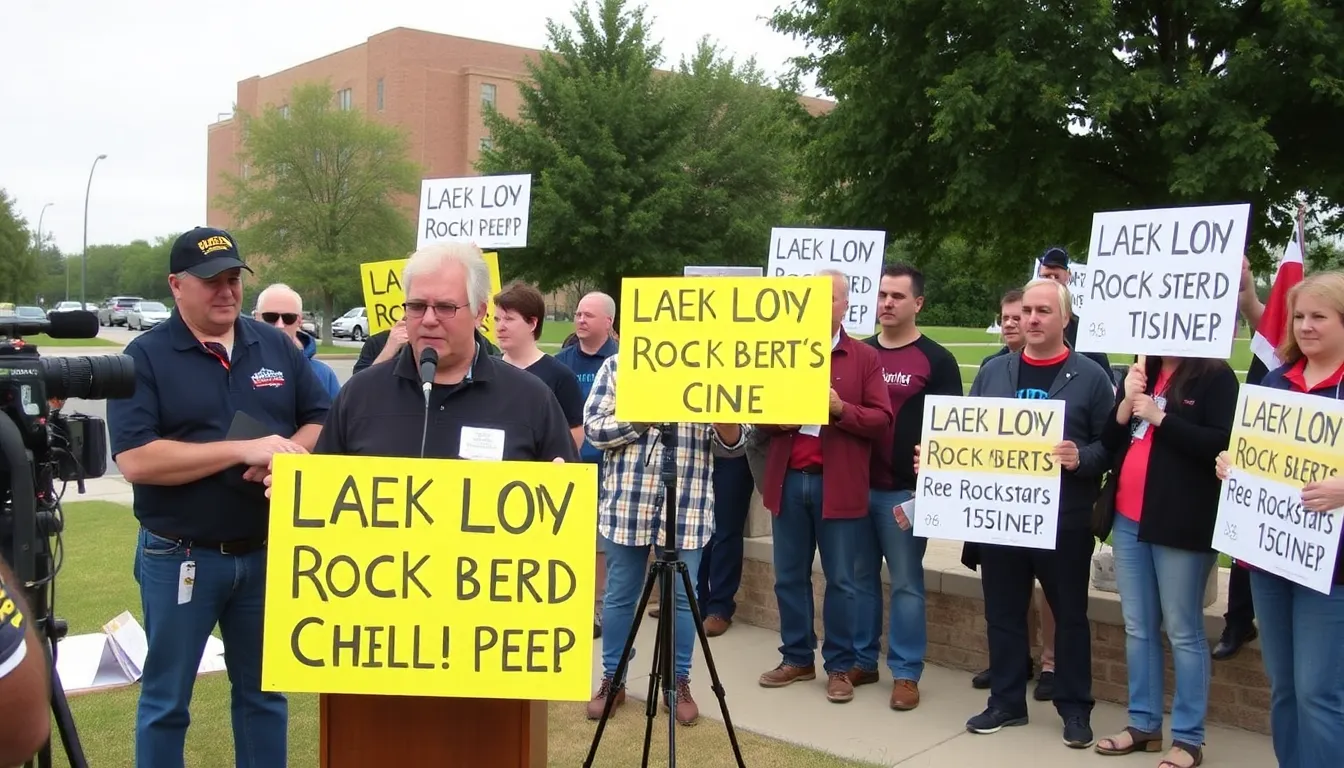
Examining the key stakeholders and issues involved
The recent layoffs at Rockstar have stirred significant concern among various stakeholders, including employees, the company itself, labor unions, and government entities. Each of these groups has distinct interests that contribute to the complexity of the situation. Employees affected by the layoffs are primarily concerned with job security and financial stability, while the company aims to streamline operations and reduce costs amidst economic pressures.
Labor unions, representing the workforce, are advocating for interim relief measures to support those impacted by the layoffs. Their interests lie in ensuring fair treatment and adequate compensation for employees, which they argue is essential for maintaining morale and trust within the organization. On the other hand, the company may view these demands as a potential hindrance to necessary restructuring efforts.
Government agencies may also play a role in this scenario, particularly if there are implications for employment laws or regulations. For instance, if the layoffs violate any labor laws, the government may need to intervene, which could lead to legal challenges for Rockstar. This intersection of interests creates a landscape where conflicts and trade-offs are inevitable.
- Employee Interests: Job security and financial compensation.
- Company Interests: Cost reduction and operational efficiency.
- Union Interests: Fair treatment and support for laid-off workers.
- Government Interests: Enforcement of labor laws and regulations.
- Legal Issues: Potential violations of employment laws leading to disputes.
As these stakeholders navigate their respective interests, the outcome will likely hinge on negotiations between the union and Rockstar, as well as any legal ramifications that may follow. The situation underscores the delicate balance between corporate objectives and employee rights, highlighting the need for constructive dialogue among all parties involved. The implications extend beyond Rockstar, reflecting broader trends that can be observed through various sectors, much like the developments seen in recent gaming titles that have shaped the industry.
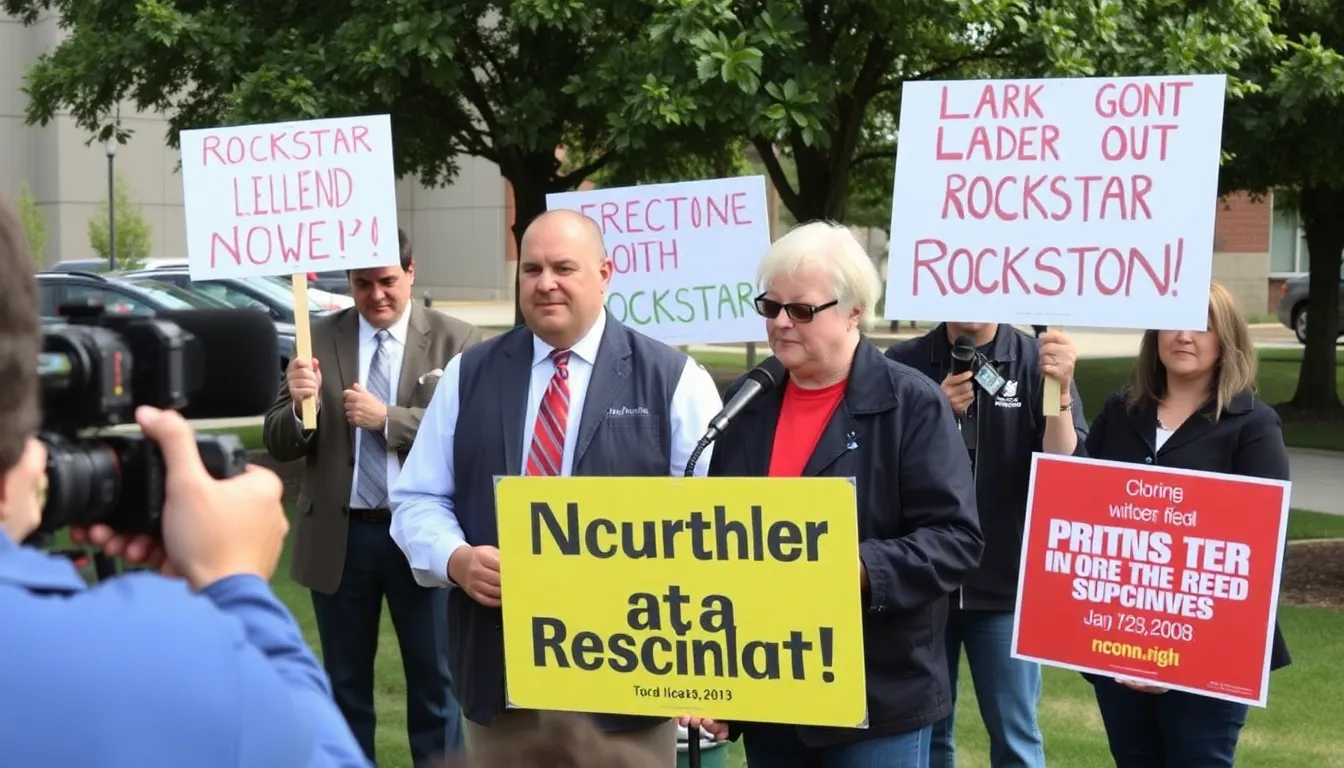
Assessing the impact on affected employees and the industry
The recent layoffs at Rockstar Games have sent shockwaves through the gaming industry, affecting not only the employees directly impacted but also the broader ecosystem surrounding video game development. The layoffs primarily target roles within the company’s studios, which means that developers, artists, and support staff are among those facing uncertainty. Additionally, the ripple effects may extend to local economies, particularly in regions where Rockstar has a significant presence, such as California and the UK.
In the short term, affected employees are likely to experience financial strain, leading to increased stress levels and potential mental health issues. This situation can also disrupt the talent pipeline within the gaming industry, as experienced professionals may seek opportunities elsewhere or even leave the industry altogether. Businesses that rely on Rockstar for contracts or partnerships may also feel the impact, leading to a slowdown in project timelines and innovation.
Mid-term effects may include shifts in hiring practices across the gaming sector, as companies reassess their workforce needs in light of economic uncertainties. There could be a tightening of budgets, resulting in fewer new projects being greenlit and a potential slowdown in industry growth. However, this situation also presents opportunities for smaller studios and indie developers to attract talent that may be looking for new avenues after leaving larger corporations.
- Financial strain: Affected employees may face immediate economic challenges.
- Talent drain: Experienced professionals might leave the industry, impacting future projects.
- Market shifts: Smaller studios may benefit from the influx of skilled workers.
- Policy changes: The layoffs could prompt discussions on labor rights and job security in the tech industry.
As the industry navigates these changes, stakeholders will need to consider both the risks and opportunities that arise from this situation. The potential for innovation and growth in smaller companies could reshape the landscape of the gaming industry, while the challenges faced by laid-off employees highlight the need for stronger support systems and policies to protect workers in times of economic uncertainty.
Frequently asked questions regarding the layoffs
A: The union’s request for interim relief was prompted by the sudden layoffs at Rockstar, which left many employees without immediate support.
A: Reports indicate that a significant number of employees were laid off, though exact figures are still being confirmed.
A: The union is requesting financial assistance, job placement services, and mental health support for the affected employees.
A: Rockstar has acknowledged the layoffs but has not yet publicly addressed the union’s request for interim relief.
A: Long-term effects may include a shift in the labor market, potential talent loss for Rockstar, and increased scrutiny on company policies.