


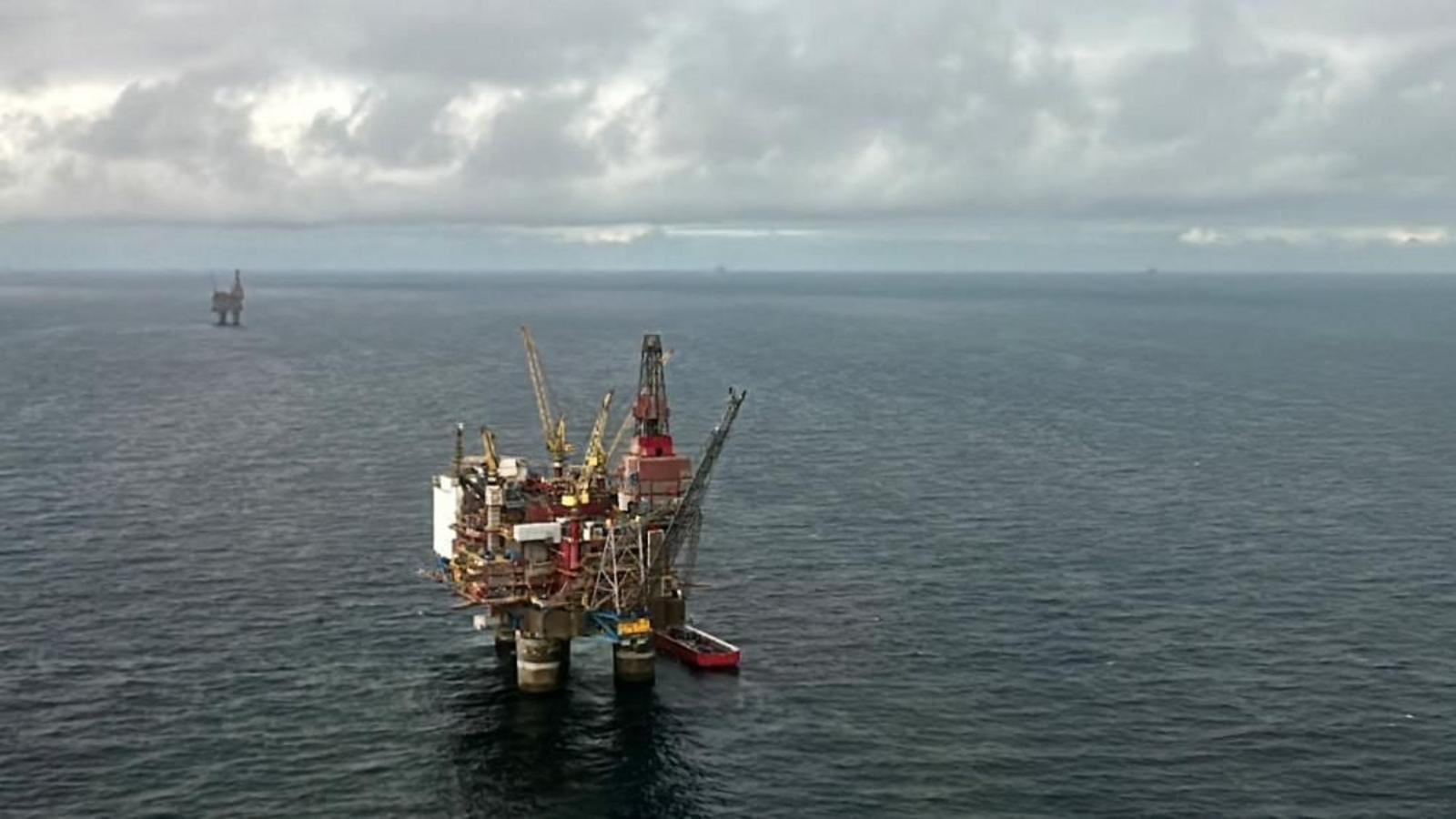
As part of this initiative, Labour aims to allow new licenses for oil and gas exploration in the North Sea, which is expected to bolster domestic production. The party argues that enhancing local energy supplies is essential for reducing reliance on imported fossil fuels, especially in light of geopolitical tensions that have affected energy markets. For more context, see related discussions on social media bans.
Critics of the plan, including environmental advocacy groups, warn that further drilling could undermine the UK’s climate commitments and hinder progress toward net-zero emissions by 2050. They argue that investing in fossil fuel extraction contradicts the urgent need for sustainable energy solutions and could exacerbate climate change impacts. This contrast is similar to the concerns raised in other industries, such as film partnerships that impact cultural narratives.
Supporters within the energy sector, however, contend that the initiative could create jobs and stimulate economic growth in coastal regions reliant on the oil and gas industry. The Labour leadership has stated that the plan includes measures to ensure that environmental protections are upheld, although the specifics of these safeguards remain a point of contention.

The proposal is set to be a focal point in the upcoming parliamentary debates, scheduled for early next month, as lawmakers weigh the potential economic benefits against the environmental risks associated with increased fossil fuel extraction in a rapidly changing energy landscape.
Understanding the historical context of North Sea drilling
The North Sea has been a significant site for oil and gas exploration since the late 1960s, when the first commercial discoveries were made. This marked the beginning of a new era for the UK economy, transforming it into one of the leading oil producers in Europe. The discovery of the Forties Oil Field in 1970 was particularly pivotal, leading to a surge in investment and development in the region, which has since become a critical component of the UK’s energy landscape.
Over the decades, the political landscape surrounding North Sea drilling has evolved considerably. Initially, the UK government embraced the potential of North Sea oil, viewing it as a means to bolster national revenues and reduce reliance on imported energy. However, as environmental concerns grew in the 1990s and 2000s, the focus shifted towards sustainability and reducing carbon emissions, leading to increased scrutiny of fossil fuel extraction.
In recent years, the debate over North Sea drilling has intensified, particularly in the context of climate change and the UK’s commitment to achieving net-zero emissions by 2050. The Labour Party’s new plan to allow more drilling reflects a complex balancing act between energy security, economic growth, and environmental responsibilities. This shift comes amid rising energy prices and geopolitical tensions that have prompted calls for increased domestic production, similar to shifts seen in the entertainment industry.

Key milestones in North Sea drilling policy
Several key milestones have shaped the policy surrounding North Sea drilling. The introduction of the Oil Taxation Act in 1975 established a framework for taxation that incentivized exploration and production. More recently, the 2015 Paris Agreement highlighted the global commitment to climate action, influencing UK policy towards a gradual phase-out of fossil fuels. However, the ongoing energy crisis has led to renewed discussions about the role of domestic oil and gas production in ensuring energy independence.
Key stakeholders and their positions on the drilling plan
The debate over the Labour party’s new plan to allow more drilling in the North Sea involves a variety of stakeholders, each with distinct interests and potential conflicts. Key actors include the UK government, environmental organizations, energy companies, and local communities.
The UK government, under Labour leadership, aims to balance energy security and economic growth by promoting domestic oil and gas production. This initiative is seen as a response to rising energy prices and the need for a stable supply as the country transitions to greener energy sources. However, this plan raises concerns about the long-term commitment to climate goals.
Environmental organizations, such as Greenpeace and the World Wildlife Fund, oppose the drilling expansion, arguing that it contradicts the UK’s climate commitments and exacerbates the climate crisis. They advocate for a rapid transition to renewable energy and emphasize the potential ecological damage drilling could cause in the North Sea.

Energy companies, on the other hand, support the Labour plan as it offers opportunities for increased investment and job creation in the sector. They argue that with proper regulations and technology, drilling can be conducted safely and sustainably, providing a necessary bridge while renewable energy sources are further developed.
- The UK government seeks to enhance energy security and economic stability.
- Environmental groups highlight the risks to biodiversity and climate goals.
- Energy companies focus on job creation and investment opportunities.
- Local communities may experience both economic benefits and environmental concerns.
- Legal challenges may arise regarding compliance with environmental regulations.
Potential impacts on local communities and the environment
The recent Labour plan to allow more drilling in the North Sea is set to impact a variety of groups, particularly local communities, environmental organizations, and the energy sector. Coastal towns and cities, which often rely on tourism and fishing, may experience significant changes in their economic landscape.
In the short term, the increased drilling activities could lead to job creation within the oil and gas industry, benefiting workers and businesses directly involved in these sectors. However, this shift may also disrupt established industries such as fishing and tourism, which could face challenges due to potential environmental degradation and increased marine traffic.

Mid-term impacts may include shifts in local economies as communities adapt to the new energy landscape. Increased investment in infrastructure and services to support drilling operations could stimulate growth, but it also poses risks of over-dependence on fossil fuels, especially as the global shift towards renewable energy continues.
- Job Opportunities: Potential for new jobs in drilling and support services.
- Environmental Risks: Increased pollution and threats to marine ecosystems.
- Economic Shifts: Changes in local economies, with both positive and negative effects.
- Policy Changes: Possible adjustments in environmental regulations and energy policies.
Moreover, environmental groups are likely to mobilize against the plan, raising concerns about climate change and the long-term sustainability of fossil fuel extraction. This opposition could lead to heightened public discourse and potential policy changes, affecting how energy production is managed in the UK moving forward.
A: The main goal is to increase energy production by allowing more drilling in the North Sea, aiming to enhance energy security. A: The plan has raised concerns about potential relaxations in environmental regulations, which critics argue could lead to ecological damage. A: Key stakeholders include the Labour party, environmental groups, local communities, and energy companies. A: Increased drilling could lead to job creation in the energy sector and boost local economies through increased investment. A: Local communities may face both economic opportunities and environmental risks, leading to a complex balance of benefits and drawbacks.
Frequently asked questions about the new drilling plan
Outlook on the future of North Sea drilling under Labour
The recent announcement from the Labour party regarding increased drilling in the North Sea marks a significant shift in the UK’s energy policy. This move is likely to have far-reaching implications for both the energy sector and the broader economy. As the government seeks to balance energy security with environmental concerns, the decisions made in the coming months will be crucial in shaping the future landscape of the UK’s energy resources.
Stakeholders, including energy companies, environmental groups, and local communities, will need to navigate this evolving scenario. The potential for job creation and economic benefits must be weighed against the environmental impact and the urgency of transitioning to renewable energy sources. Observing how these dynamics play out will provide valuable insights into the effectiveness of the Labour plan.
- Increased investment in oil and gas exploration may lead to short-term job growth in the sector.
- Environmental groups are likely to ramp up their advocacy efforts, potentially leading to legal challenges and public protests.
- The government’s approach could influence future energy policies, especially regarding the transition to renewable energy sources.
- Monitoring fluctuations in global oil prices will be essential, as they will impact the profitability of new drilling initiatives.
- Community engagement and local stakeholder input will be critical in determining the social license for new drilling projects.