


The deadline for teams to finalize their driver line-ups is fast approaching, with many teams already announcing their plans for the upcoming season. Tsunoda’s future is in limbo as he weighs his options, especially with the potential of a new engine partnership that could reshape the competitive grid. His performance in the remaining races of the current season may heavily influence Honda’s decision regarding his contract. For further details on team movements, check out the Transfers in January 2026 Overview.
Honda’s collaboration with Red Bull, set to begin in 2026, raises questions about Tsunoda’s place in this evolving dynamic. While he has shown promise in his F1 career, the emergence of new talent and the strategic shifts within teams could impact his chances of securing a seat. The situation highlights the competitive nature of Formula 1, where driver contracts and partnerships are pivotal for career progression.
As discussions continue, Tsunoda’s management is likely exploring various scenarios, including potential negotiations with other teams. The outcome of these talks could define not only Tsunoda’s future but also the direction of Honda’s involvement in the sport. With the clock ticking, the next few weeks will be crucial for all parties involved.
Understanding the background of Honda’s involvement in Formula 1
Honda’s journey in Formula 1 has been marked by significant highs and lows since its debut in the 1960s. Initially entering the sport as a constructor, Honda withdrew in 1968 but returned in the late 1980s as an engine supplier, powering teams like McLaren to multiple championships. This period solidified Honda’s reputation in the sport, showcasing its engineering prowess and commitment to innovation.
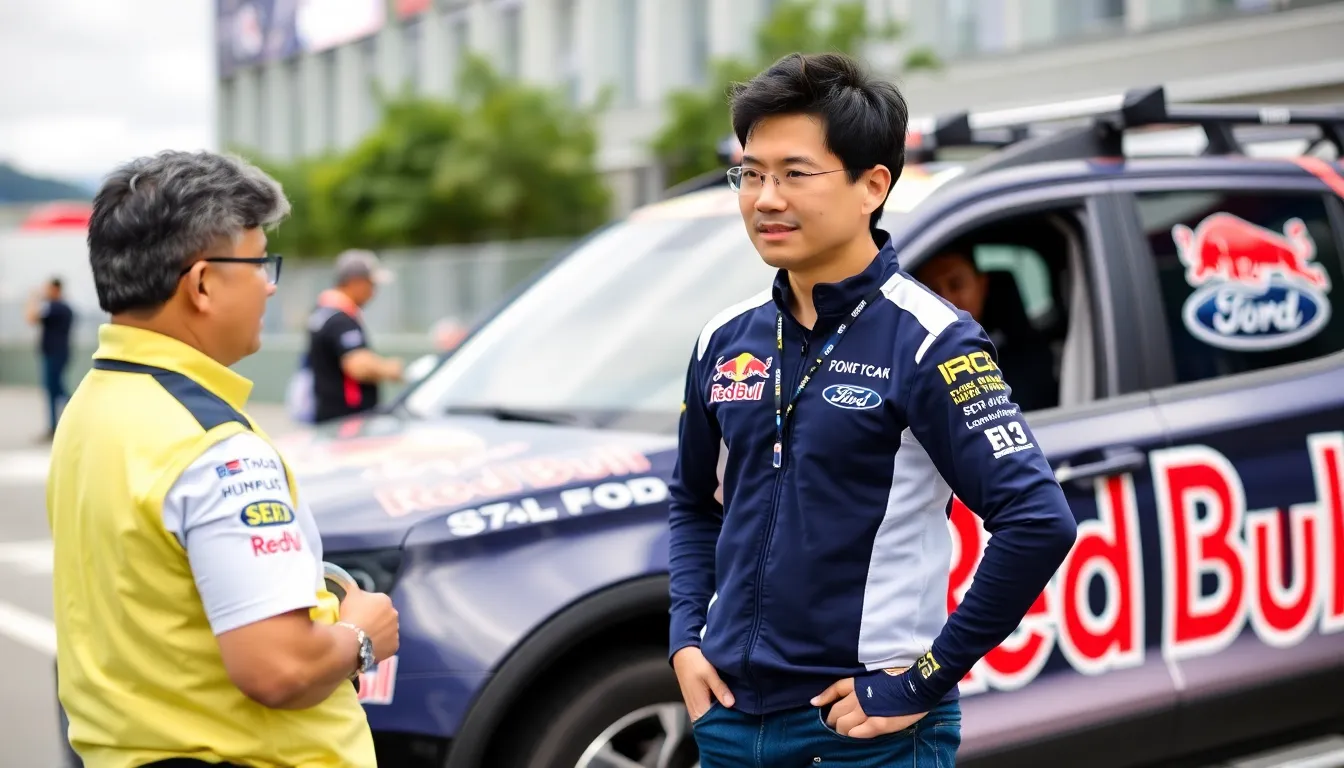
However, the landscape of Formula 1 began to shift in the 2000s, with increasing competition and the emergence of new manufacturers. Honda faced challenges, leading to another withdrawal in 2008. After a brief hiatus, Honda re-entered F1 in 2015, partnering with McLaren again. This partnership, however, was fraught with difficulties, resulting in poor performance and eventual separation in 2018, which marked a turning point for Honda. The competitive nature of these partnerships highlights the significance of strategic planning, which is crucial as teams navigate upcoming changes.
In 2019, Honda found a new lease on life by teaming up with Red Bull Racing and its sister team, AlphaTauri. This collaboration proved fruitful, culminating in Max Verstappen’s victory at the 2021 Italian Grand Prix and ultimately contributing to Red Bull’s championship success in 2022. Honda’s resurgence in F1 has been characterized by a focus on hybrid technology and performance efficiency, aligning with global automotive trends towards sustainability.
The Current Situation with Yuki Tsunoda
As of 2023, Yuki Tsunoda, the Japanese driver racing for AlphaTauri, finds himself at a crossroads regarding his future with Honda. Despite his potential and the backing of Honda, uncertainty looms over his contract for the 2026 season as Honda prepares to transition to a new partnership with Ford. This shift raises questions about Tsunoda’s role within the team and the strategic direction of Honda’s F1 involvement, especially as they aim to balance performance with their evolving corporate identity. For insights on corporate strategy, see the article on Ubisoft’s recent CCO appointment.
The interplay of these factors highlights the dynamic nature of F1, where driver contracts, manufacturer partnerships, and technological advancements continuously reshape the competitive landscape. As Honda navigates this transition, the decisions made in the coming months will be crucial for Tsunoda’s career and the future of Honda in Formula 1.
Key issues surrounding Tsunoda’s contract negotiations
The ongoing negotiations regarding Yuki Tsunoda’s contract for the 2026 season have raised several critical issues involving multiple stakeholders. Tsunoda, currently a driver for AlphaTauri, is at the center of discussions that also involve Red Bull Racing, Ford, and Honda. Each party has distinct interests that shape the dynamics of these negotiations.
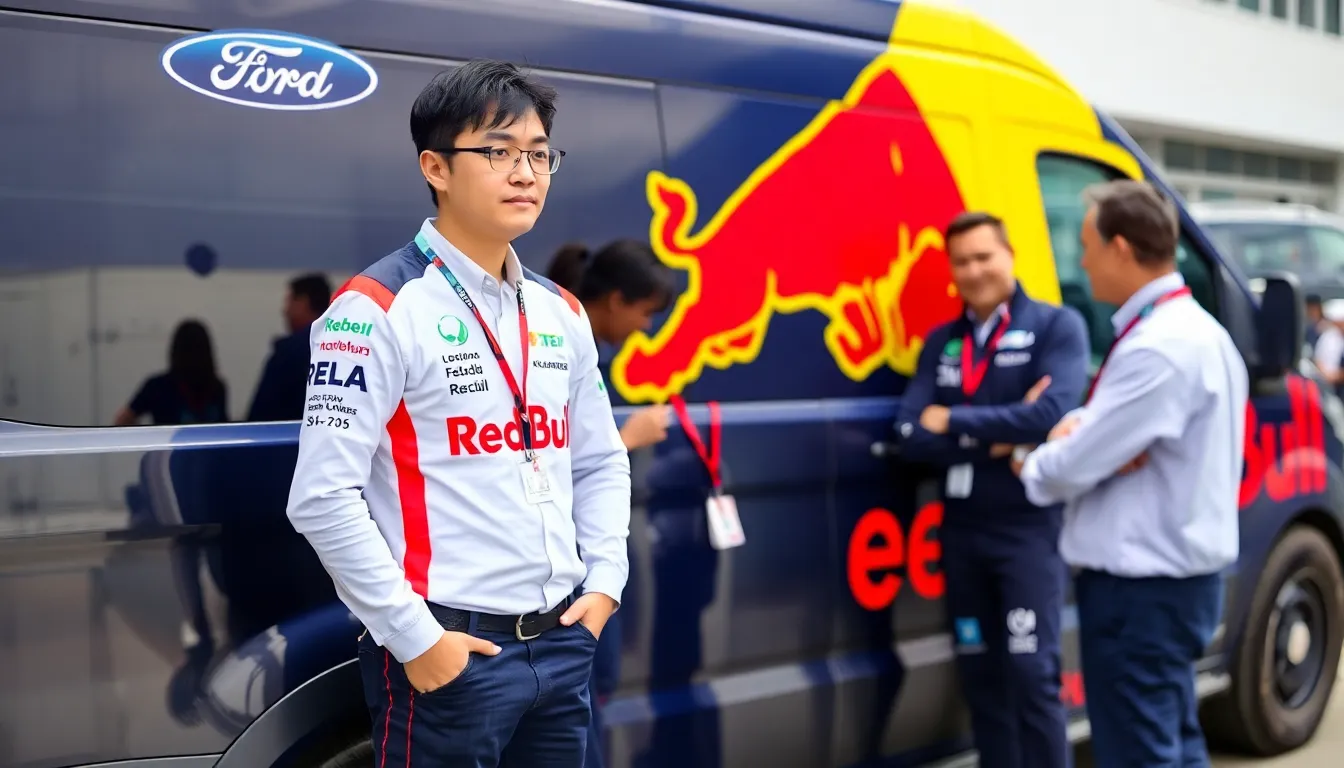
One of the primary stakeholders, Red Bull Racing, is keen to solidify its driver lineup as it transitions to a new partnership with Ford. This shift not only affects the technical aspects of the car but also the branding and marketability of the team. Meanwhile, Honda, which has been a significant player in Tsunoda’s career, is evaluating its future involvement in Formula 1, making Tsunoda’s contract a crucial element in its strategic planning.
In this context, several key issues emerge:
- Driver Performance and Potential: Tsunoda’s performance in the current season will heavily influence his market value and the terms of any potential contract.
- Team Dynamics: The relationship between Tsunoda and Red Bull’s management could impact negotiations, especially if they perceive a need for a more experienced driver.
- Financial Considerations: The economic implications of signing Tsunoda versus other potential candidates must be weighed, particularly in light of the new regulations and budget caps in Formula 1.
- Brand Strategy: Both Red Bull and Honda are likely to consider how their partnership with Tsunoda aligns with their brand image and marketing strategies.
As these negotiations unfold, the interplay of these factors will not only determine Tsunoda’s future in Formula 1 but also shape the competitive landscape as teams adjust to the evolving dynamics of the sport.
Potential implications for Tsunoda and the Red Bull-Ford team
The ongoing uncertainty surrounding Yuki Tsunoda’s contract with Honda for the 2026 season has significant implications not only for the driver himself but also for the Red Bull-Ford team and the broader motorsport community. Various stakeholders, including fans, sponsors, and automotive manufacturers, are closely monitoring the situation.
In the short term, the delay in signing Tsunoda could lead to increased speculation and pressure on the Red Bull-Ford team to finalize their driver lineup. This uncertainty may affect team morale and performance, as drivers and engineers alike may be distracted by the ongoing negotiations. Furthermore, sponsors may become hesitant to invest if they perceive instability within the team.
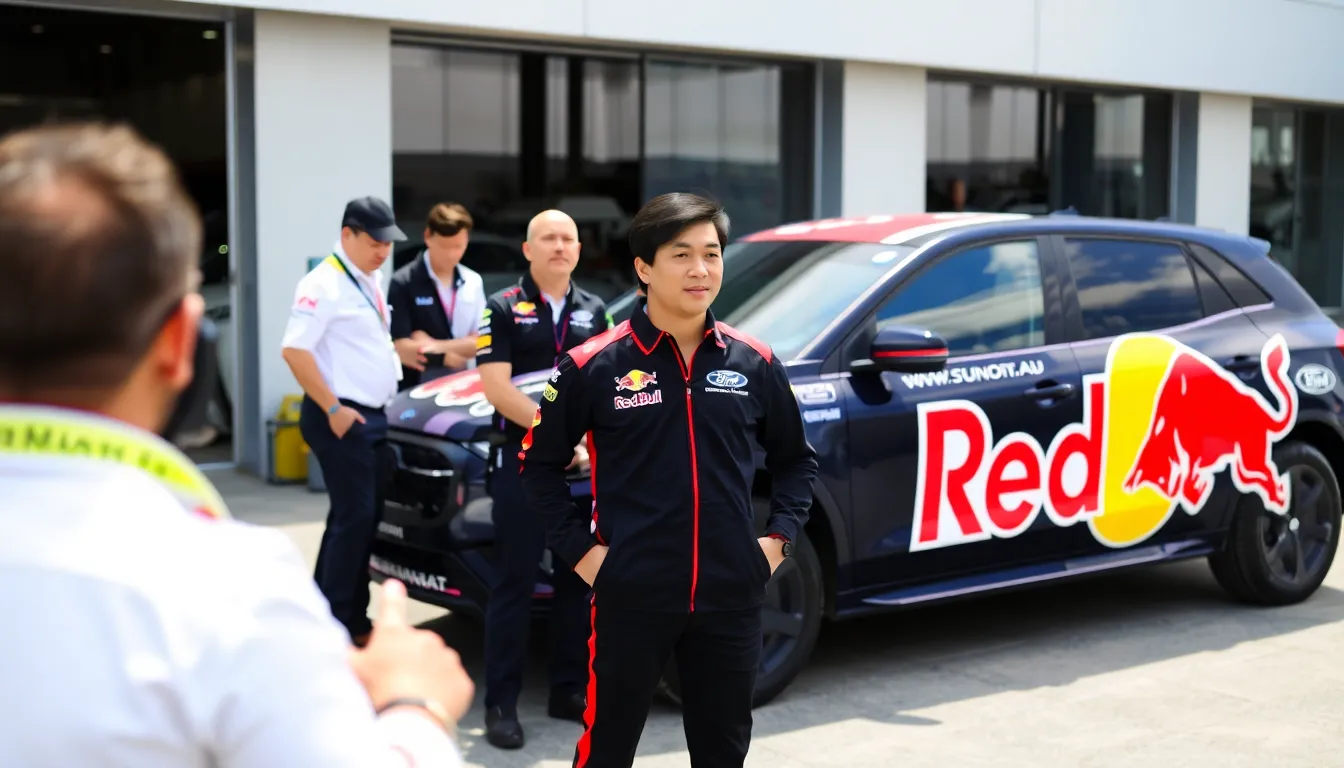
Mid-term impacts could extend to the automotive industry, particularly for Honda and Ford. If Tsunoda remains unsigned, it may hinder Honda’s marketing strategies aimed at promoting their involvement in Formula 1. Conversely, if the contract is finalized, it could enhance brand visibility and strengthen partnerships within the motorsport sector.
- Risks: Potential loss of sponsorships, decreased team morale, and negative media attention.
- Opportunities: Strengthened brand partnerships, increased fan engagement, and potential for performance boosts if Tsunoda signs.
Additionally, the impact on fans cannot be overlooked. Tsunoda has garnered a dedicated following, particularly in Japan, and any uncertainty regarding his future could affect fan engagement and loyalty. This situation presents both a challenge and an opportunity for the Red Bull-Ford team to enhance their outreach and connection with the audience.
A: The negotiations are ongoing, and various factors, including team dynamics and performance expectations, are influencing the delay. A: The transition may impact his role within the team, as Red Bull shifts focus towards Ford’s involvement, potentially altering driver lineups. A: While there is no official deadline, teams typically aim to finalize contracts before the start of the new season to ensure stability. A: Honda’s involvement in F1 is crucial, and Tsunoda’s contract status may influence their strategic decisions moving forward. A: Yes, there are several drivers being evaluated, which adds pressure on Tsunoda to secure his position.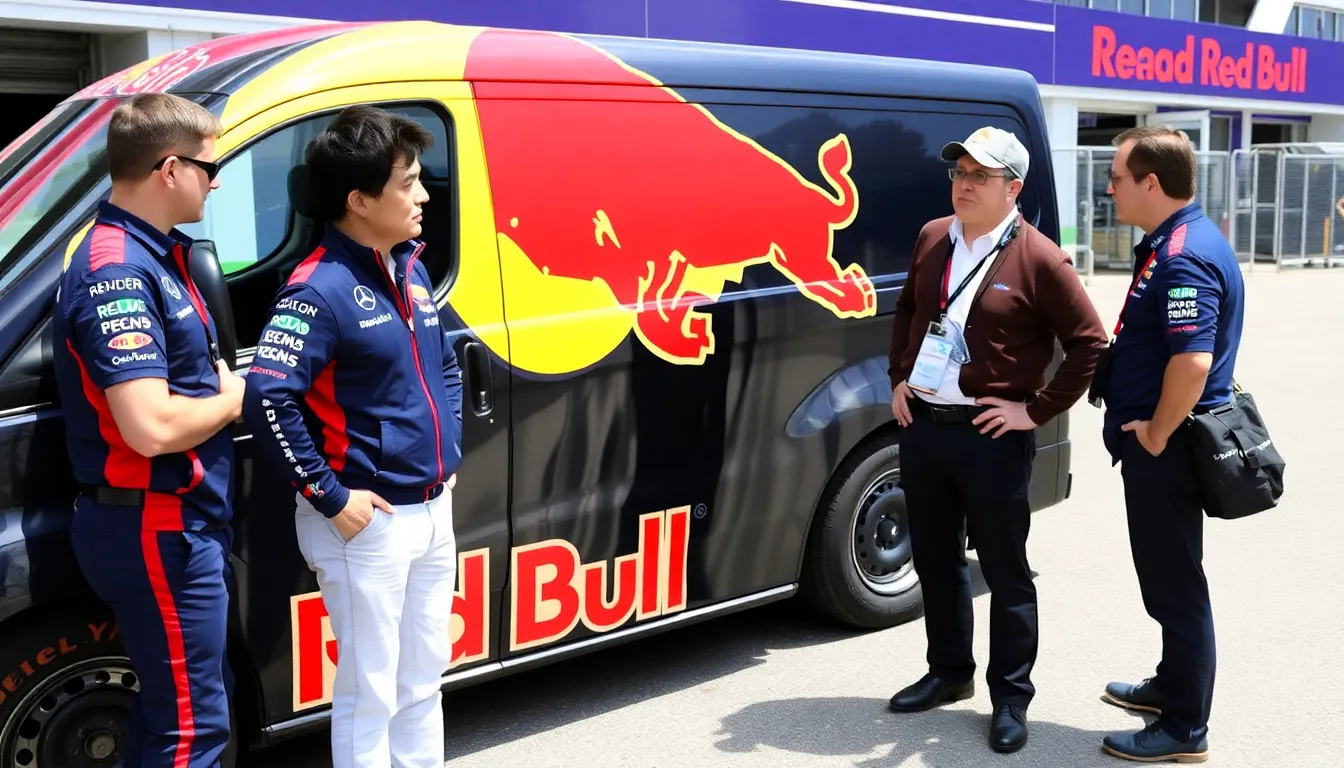
Frequently asked questions about Tsunoda’s contract status
Outlook on Tsunoda’s future and Honda’s role in F1
The uncertainty surrounding Yuki Tsunoda’s contract status for 2026, particularly in the context of Honda’s evolving partnership with Red Bull-Ford, highlights a pivotal moment in both his career and the broader landscape of Formula 1. As Honda transitions from its previous role, the implications for Tsunoda could be significant, influencing his competitive standing and future opportunities within the sport.
As teams begin to solidify their line-ups for the 2026 season, Tsunoda’s ability to secure a contract will be closely monitored. His performance in the upcoming races will likely play a crucial role in negotiations, and the dynamics of the Red Bull-Ford collaboration may further affect his prospects. Observers should keep an eye on how these factors unfold in the coming months.
- Tsunoda’s performance in the remaining races of the season will be critical for his contract negotiations.
- The impact of Honda’s transition to Red Bull-Ford could reshape team dynamics and driver opportunities.
- Watch for potential interest from other teams if Tsunoda remains unsigned as the 2026 season approaches.
- The evolving technology landscape in F1 may influence Honda’s strategic decisions regarding driver partnerships.
- Monitor how Tsunoda adapts to the pressures of contract uncertainty and what it means for his development as a driver.