


The sanctions had been in place since early 2023, impacting the team’s preparations for international competitions, including the Africa Cup of Nations qualifiers. With the lifting of these sanctions, the national team is now set to resume its training and participation in upcoming matches, which is crucial for their competitive standing in the region.
Officials from the Gabonese Football Federation expressed relief at the government’s decision, highlighting the importance of unity and support for the national team. Aubameyang, a key figure in Gabonese football, is expected to play a vital role in rallying the team as they aim to improve their performance on the international stage.
This move not only restores normalcy for the players but also reflects a broader effort by the government to foster a positive environment for sports in Gabon. As the team prepares for its next fixtures, the lifting of sanctions is seen as a pivotal moment that could influence their success in future tournaments.
Understanding the background of the sanctions
The recent decision by Gabon’s government to lift sanctions on the national football team and star player Pierre-Emerick Aubameyang marks a significant shift in the country’s approach to sports governance and national pride. Historically, Gabon’s football scene has been a source of national unity and international representation, but it has also been marred by political tensions and economic challenges. The sanctions were initially imposed in response to a series of underwhelming performances by the national team, coupled with allegations of mismanagement and lack of support from the government.
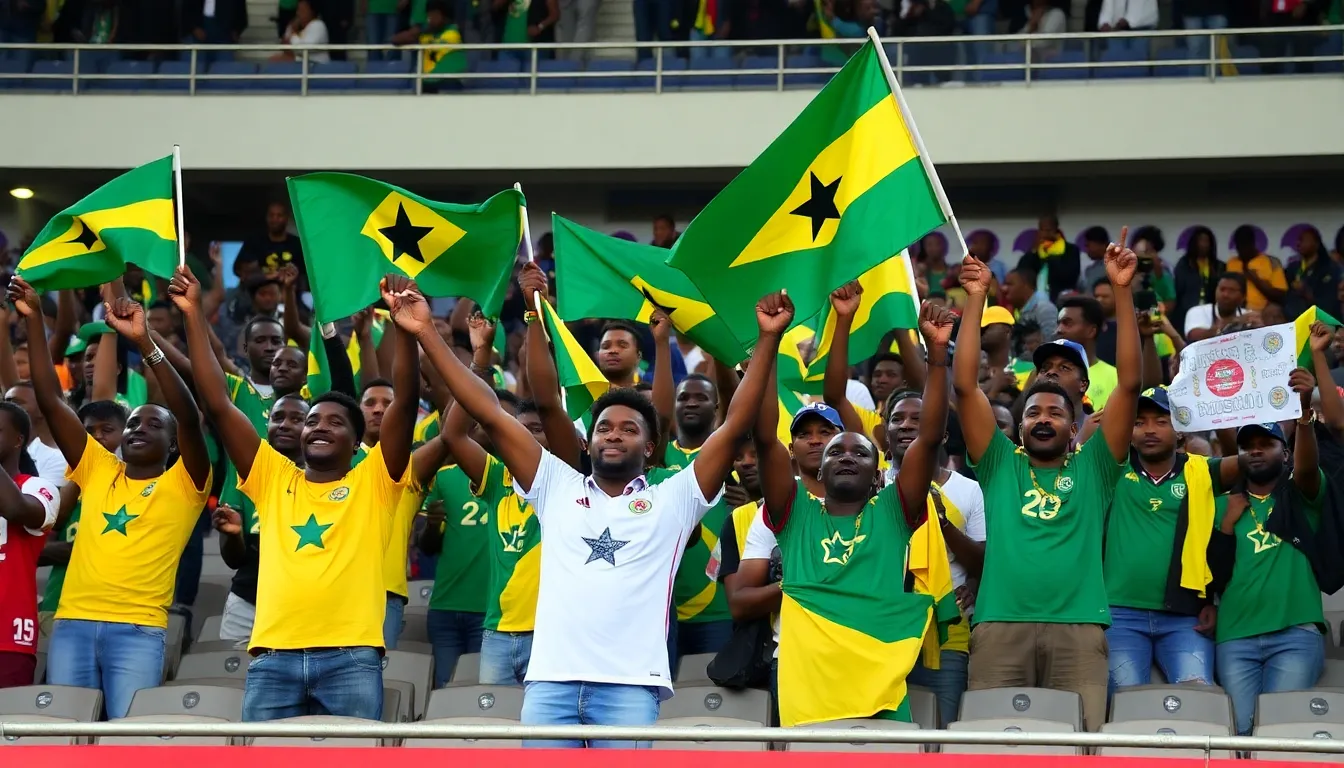
In 2017, Gabon hosted the Africa Cup of Nations, a major tournament that showcased the country’s potential as a footballing nation. However, the event also exposed underlying issues, including poor infrastructure and inadequate funding for sports development. Following the tournament, the government faced criticism for its inability to support the team adequately, leading to a decline in performance and morale among players. This environment set the stage for the eventual sanctions against the team, as officials sought to hold players accountable for what was perceived as a lack of commitment.
The lifting of the sanctions comes after a period of negotiation and dialogue between the government, the football federation, and the players. Key milestones in this process included a series of meetings aimed at addressing the players’ grievances, as well as a renewed commitment from the government to invest in sports infrastructure and training programs. The decision to reinstate the team and its captain is seen as a move to restore national pride and improve the country’s image on the international stage.
The Role of Pierre-Emerick Aubameyang
Aubameyang, a prominent figure in Gabon’s football history, has played a crucial role in advocating for the team and its players. His international success has drawn attention to the challenges faced by Gabonese footballers, and his influence has been instrumental in the negotiations leading to the lifting of sanctions. As a global ambassador for the sport, Aubameyang’s return to the national team is expected to reinvigorate the squad and inspire a new generation of players, while also highlighting the importance of support from the government and the public.
Key stakeholders and issues surrounding the decision
The recent decision by Gabon’s government to lift sanctions on the national football team and its star player, Pierre-Emerick Aubameyang, has significant implications for various stakeholders. This move comes after a period of tension between the government and the football association, highlighting the complex interplay of politics, sports, and national pride.
Among the primary actors in this scenario are the Gabonese government, the Gabonese Football Federation (Fegafoot), and Aubameyang himself. The government’s interest lies in restoring national unity and pride through sports, especially as the country prepares for upcoming international competitions. In contrast, Fegafoot aims to ensure the smooth functioning of the national team, which is crucial for maintaining its reputation and securing funding and support from international bodies.
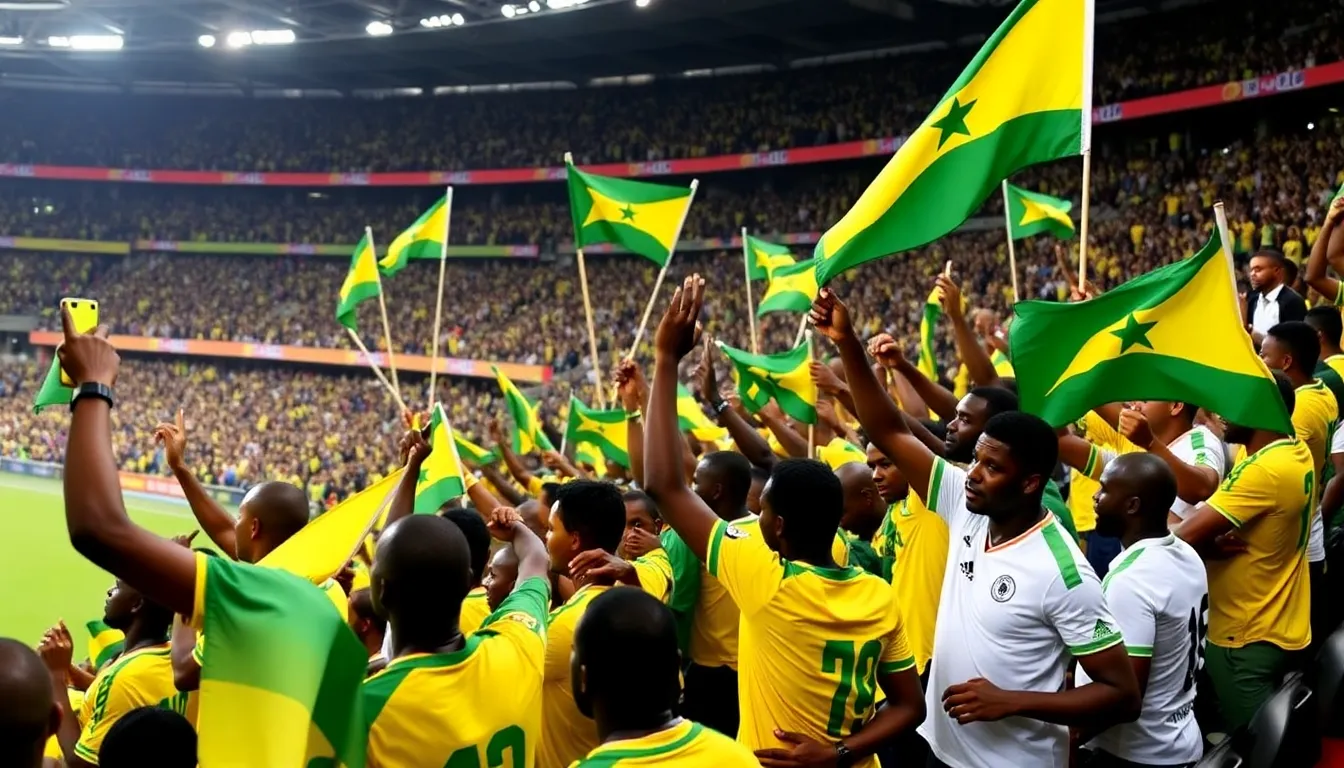
Aubameyang, as a prominent figure in Gabonese football, has a vested interest in both his personal career and the success of the national team. His return to the fold is seen as a potential catalyst for improved performance and morale within the squad. However, this situation also raises questions about the broader implications for governance and accountability within the sports sector in Gabon.
- Political implications: The lifting of sanctions may be viewed as a strategic move by the government to enhance its image and foster goodwill among citizens.
- Economic factors: Successful performance in international tournaments can lead to increased sponsorship and investment in Gabonese football.
- Legal considerations: The resolution of conflicts between the government and the football association may set precedents for future governance in sports.
- Public sentiment: The reaction from fans and the public will play a crucial role in shaping the future of football in Gabon.
As these stakeholders navigate their interests, the decision to lift sanctions reflects a broader trend of using sports as a tool for political and social cohesion in Gabon. The outcomes of this decision will likely resonate beyond the football pitch, influencing the relationship between the government and its citizens.
Impact on players and the football market
The lifting of sanctions on Gabon’s national football team and star player Pierre-Emerick Aubameyang has significant implications for various stakeholders in the football ecosystem. Players, clubs, and fans are among the most directly affected groups, as this decision alters the dynamics of the sport in the region.
In the short term, players will likely experience increased morale and motivation, knowing that they can represent their country without the burden of sanctions. This could lead to improved performance in international competitions and qualifiers, positively impacting their careers and marketability. Clubs that employ these players may also benefit from their enhanced visibility and performance on the international stage.
Mid-term impacts could include a revitalization of Gabon’s football industry, with potential investments flowing into local clubs and infrastructure. The government’s decision may attract sponsors and partners looking to capitalize on the renewed interest in Gabonese football. However, there are risks associated with this newfound attention, including the possibility of increased pressure on players and management to perform at higher levels.
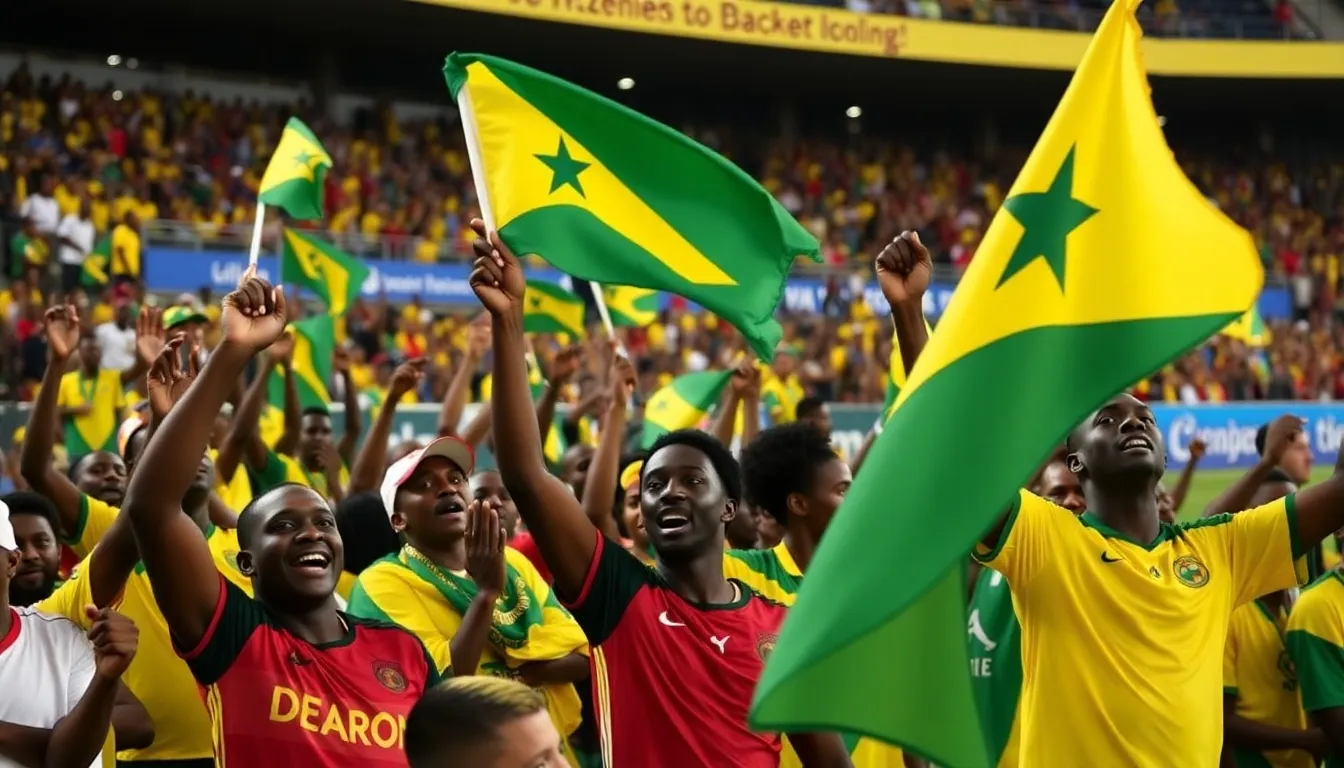
- Increased player morale: Enhanced motivation could lead to better performances.
- Investment opportunities: Potential influx of sponsors and funding for local clubs.
- Market visibility: Improved visibility for Gabonese players in international markets.
- Pressure and expectations: Risks of heightened scrutiny and expectations on players.
Furthermore, the lifting of sanctions may also influence policy decisions within Gabon’s sports administration. The government might prioritize football development initiatives, aiming to build a stronger national team and improve local talent pipelines. This shift could create a more robust football culture in Gabon, fostering community engagement and youth participation in the sport.
A: The sanctions were imposed due to internal disputes and management issues within the national football federation, affecting team performance. A: Lifting the sanctions allows Aubameyang to participate fully in national team activities, enhancing his chances to represent Gabon in upcoming competitions. A: The removal of sanctions could boost team morale and cohesion, potentially leading to improved performance in international fixtures. A: Currently, there are no publicized conditions, but the government may monitor the team’s management to ensure stability. A: Fans and players have expressed relief and optimism, viewing this as a positive step towards rebuilding the national team’s reputation.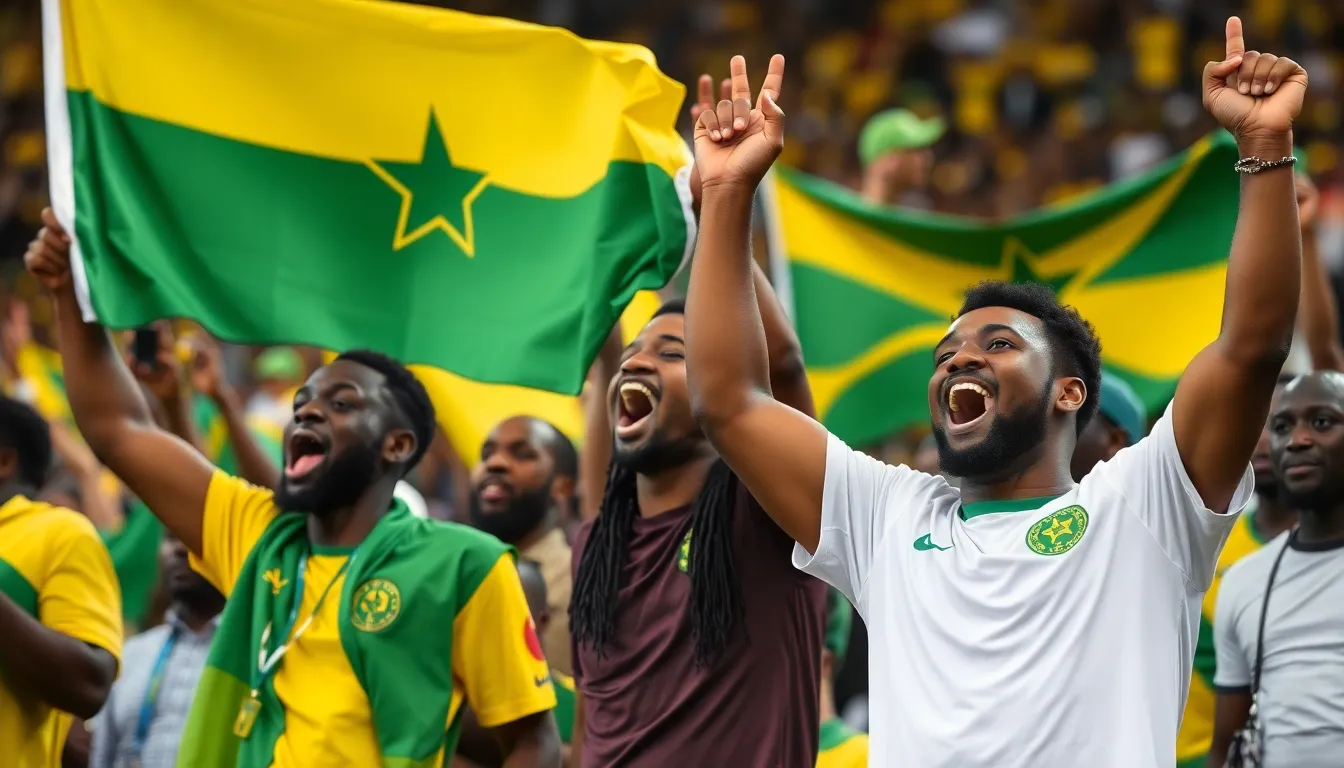
Frequently asked questions about the sanctions
Outlook for Gabon’s football after lifting sanctions
The recent decision by Gabon’s government to lift sanctions on the national football team and star player Pierre-Emerick Aubameyang marks a significant turning point for the country’s football landscape. This move not only restores normalcy for the players and coaching staff but also signals a renewed commitment to the development of the sport in Gabon. The implications of this decision could resonate beyond immediate gameplay, influencing both team morale and international relations in the world of football.
As Gabon prepares for upcoming competitions, the focus will likely shift to rebuilding team dynamics, enhancing training programs, and fostering a supportive environment for players. Observers will be keenly watching how this change impacts team performance and the broader football culture in Gabon.
- Team Cohesion: The lifting of sanctions is expected to improve team morale and cohesion, which could lead to better performances in future matches.
- Aubameyang’s Role: As a key player, Aubameyang’s reintegration into the squad may provide both leadership and inspiration for younger players.
- Investment Opportunities: With sanctions removed, there may be increased interest from sponsors and investors looking to support Gabon’s football initiatives.
- International Relations: This decision could enhance Gabon’s reputation in international football, potentially leading to more favorable partnerships and collaborations.
- Fan Engagement: The return of normalcy may rekindle fan interest and support, crucial for the growth of football in the nation.