


In early October 2023, Argentina’s government announced a series of measures aimed at bolstering the peso’s value and restoring investor confidence. These measures include a tighter monetary policy and increased foreign reserves, which are critical for stabilizing the currency in the face of rampant inflation, currently estimated at over 140% annually. For more insights on economic measures, check this article on bankers’ resurgence.
Key players in this situation include the Argentine government led by President Javier Milei and the U.S. Treasury, which has expressed support for Argentina’s efforts. The U.S. has emphasized the importance of these reforms not only for Argentina’s economy but also for broader regional stability in South America.
The implications of this strategy are significant, as a stable peso could facilitate trade, attract foreign investment, and ultimately improve the living standards of Argentine citizens. As the situation unfolds, both domestic and international observers will be closely monitoring the effectiveness of these measures and their impact on the country’s economic recovery.
Background on Argentina’s economic challenges
Argentina has a long history of economic instability characterized by high inflation, currency devaluation, and a series of sovereign debt crises. Over the past two decades, the country has faced recurring economic turmoil, which has severely impacted its citizens’ purchasing power and overall quality of life. The peso has lost significant value against major currencies, leading to a lack of confidence in the national currency and prompting many Argentinians to seek alternative forms of savings, such as the US dollar.

The economic crisis intensified in 2018 when Argentina sought a $57 billion bailout from the International Monetary Fund (IMF), marking one of the largest loans in the institution’s history. This agreement came with strict austerity measures aimed at reducing fiscal deficits, but these measures have often led to social unrest and political backlash, as citizens protested against cuts to social services and rising poverty levels.
Political Landscape and Policy Responses
The political landscape in Argentina has also played a crucial role in shaping its economic policies. The election of President Alberto Fernández in 2019 brought a shift towards more interventionist economic policies, which included price controls and renegotiation of debt terms. However, these measures have had mixed results, and the country continues to grapple with inflation rates exceeding 100%, further complicating the economic recovery process.
In recent months, the US has recognized Argentina’s efforts to stabilize its economy, particularly through innovative financial instruments aimed at attracting investment. The term ‘homerun deal’ reflects the optimism surrounding Argentina’s potential to recover from its economic malaise, especially in light of new agreements that may bolster the peso and restore investor confidence. This development echoes trends in various sectors, such as advancements in online safety for children, which can be explored further in our article about Roblox’s safety measures.
As Argentina navigates its complex economic landscape, the interplay of historical challenges, political decisions, and international relations will be critical in determining the future of its currency and overall economic health.
Key stakeholders and issues surrounding the peso bet
The recent U.S. endorsement of Argentina’s peso bet as a ‘homerun deal’ has brought together various stakeholders, each with distinct interests. Key actors include the U.S. government, the Argentine government, international investors, and financial institutions. The U.S. aims to promote economic stability in Argentina, which aligns with broader geopolitical interests in the region. For more on how international relationships shape economies, take a look at our overview of Edita Schubert’s artistic approach.

The Argentine government, led by President Javier Milei, is keen on revitalizing its economy and restoring confidence in the peso. This initiative represents a significant shift in economic policy, aiming to attract foreign investment and stabilize the currency. However, the move has sparked debates about its long-term sustainability and potential impacts on inflation and public spending.
International investors are also critical stakeholders, as their confidence in the peso bet will influence the success of this initiative. While some view it as a lucrative opportunity, others express concerns over Argentina’s historical economic volatility and the risks associated with currency speculation.
- Economic Stability: The U.S. seeks to ensure that Argentina’s economic recovery does not destabilize regional markets.
- Investor Confidence: Attracting foreign investment is crucial for Argentina, but risks must be carefully managed.
- Policy Implications: The Argentine government’s approach may face scrutiny regarding its impact on inflation and fiscal policy.
- Geopolitical Interests: U.S. involvement reflects a broader strategy to strengthen ties with Latin America amidst global economic shifts.
- Legal Framework: The success of the peso bet may depend on the clarity and stability of Argentina’s legal and regulatory environment.
In summary, the interplay between these stakeholders highlights the complexities of the peso bet initiative, with potential for both significant gains and challenges ahead. The outcome will depend on balancing immediate economic needs with long-term stability and growth prospects for Argentina.
Impact of the deal on Argentina and global markets
The recent endorsement of Argentina’s peso bet as a ‘homerun deal’ by U.S. officials has significant implications for various groups, industries, and regions. Argentina’s economy, which has been grappling with inflation and currency devaluation, stands to benefit from this deal. The agricultural sector, a cornerstone of Argentina’s economy, may experience immediate positive effects, as increased investment and stability could lead to enhanced exports.
In the short term, everyday life for Argentine citizens may see fluctuations as the peso stabilizes. Prices of goods and services could become more predictable, alleviating some financial pressure on households. However, there may also be risks, such as potential inflationary spikes if currency stabilization is not managed effectively.

Mid-term impacts could extend to the business environment, with foreign investments likely to flow into Argentina, particularly in technology and infrastructure sectors. This could create job opportunities and stimulate economic growth, but it also poses risks of increased competition for local businesses.
- Opportunities: Increased foreign investment in agriculture and technology.
- Risks: Potential inflation spikes affecting consumer prices.
- Impact on daily life: More stable currency may lead to predictable pricing.
- Business environment: Increased competition could challenge local enterprises.
Globally, the deal may influence investor sentiment towards emerging markets, potentially leading to a reevaluation of risk in Latin America. Countries with similar economic challenges might look to Argentina’s experience as a model, which could shift investment strategies across the region.
A: The term ‘homerun deal’ suggests that the US views Argentina’s strategy as highly successful and beneficial, potentially leading to significant economic gains. A: This deal could stabilize the peso and attract foreign investment, which may help improve Argentina’s overall economic situation. A: Risks include potential backlash from local markets and the possibility of inflation if not managed properly. A: Key stakeholders include the Argentine government, US financial institutions, and international investors looking to capitalize on the peso’s fluctuations. A: Sustainability will depend on Argentina’s ability to implement effective economic policies and maintain investor confidence.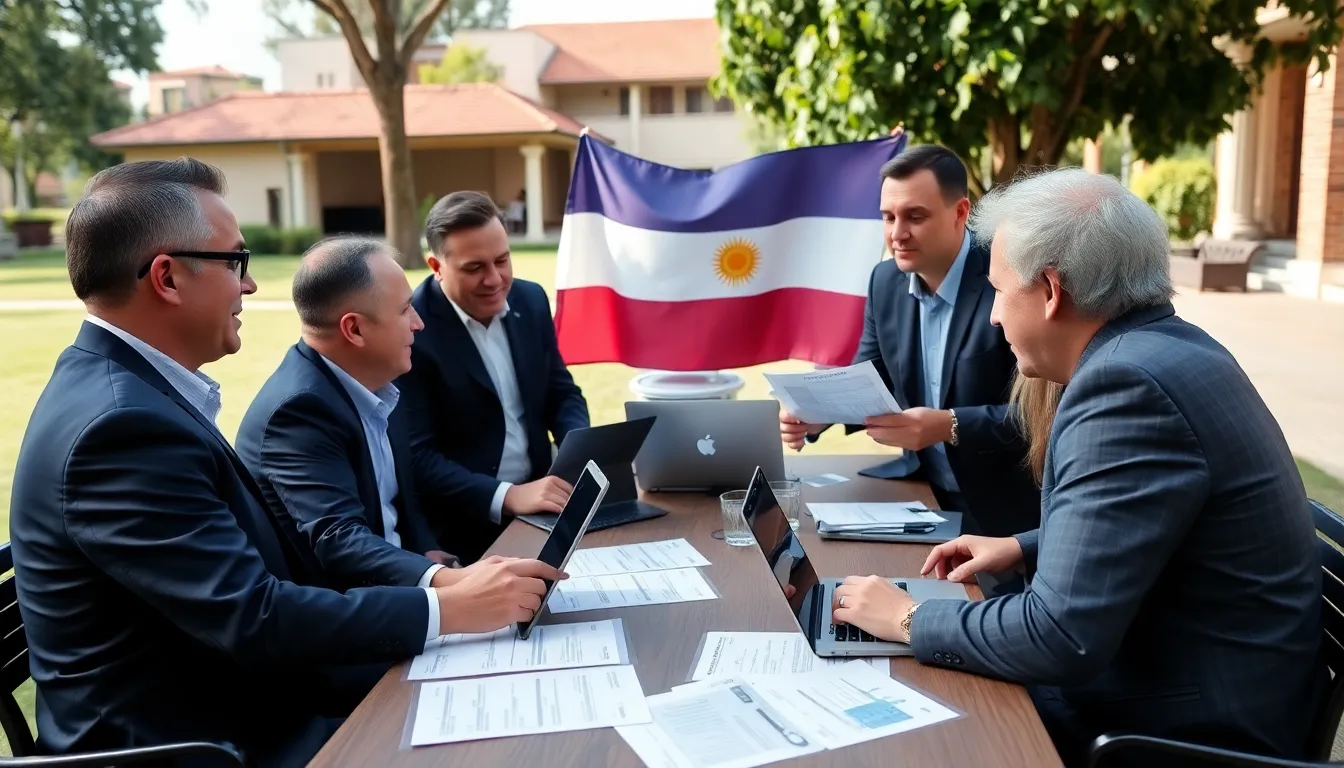
Frequently asked questions about the peso deal
Insights and outlook on Argentina’s financial future
The recent endorsement of Argentina’s peso bet by U.S. officials highlights a significant shift in perception regarding the country’s economic stability. This endorsement not only reflects confidence in Argentina’s financial strategies but also suggests potential opportunities for investors looking to engage with emerging markets. As the country navigates its complex economic landscape, the implications of this deal could resonate across various sectors.
Monitoring the evolving dynamics between the U.S. and Argentina will be crucial. Investors should pay attention to policy changes, economic indicators, and international relations that may influence the stability of the peso and broader economic conditions. The success of this ‘homerun deal’ could set a precedent for future investments in Argentina and similar markets.
- Investor Confidence: The U.S. endorsement may attract more foreign investment, bolstering Argentina’s financial markets.
- Policy Implications: Watch for potential shifts in economic policy that could arise from this deal, impacting inflation and currency stability.
- Market Sentiment: The response from local and international investors will be key in shaping the future of the peso and Argentina’s economic health.
- Regional Impact: This deal could influence neighboring countries, prompting them to reassess their own economic strategies.
- Long-term Outlook: The sustainability of this financial arrangement will depend on Argentina’s ability to implement effective economic reforms.