


On October 15, 2023, IMSA announced that it would limit the amount of data shared with teams regarding BoP decisions. This move aims to streamline the process and prevent teams from gaining an unfair advantage through excessive data analysis. However, many teams argue that this lack of transparency hinders their ability to compete effectively and undermines the spirit of fair competition.
Additionally, the introduction of new hybrid technology in 2026 has complicated the BoP landscape. Manufacturers are investing heavily in developing competitive hybrid systems, and the uncertainty around BoP adjustments has created apprehension about their return on investment. As teams prepare for the race, the ongoing debate over BoP fairness and transparency remains a critical issue that could impact performance and strategy on race day.
The situation has led to calls for IMSA to revisit its communication strategies and engage more openly with teams regarding BoP criteria. Stakeholders are concerned that without a collaborative approach, the integrity of the race could be compromised. As the Daytona 24 Hours draws nearer, the implications of these decisions will be closely monitored by teams, fans, and industry experts alike.
Background on IMSA and Balance of Performance
The International Motor Sports Association (IMSA) has been a cornerstone of North American sports car racing since its inception in 1969. Over the years, IMSA has evolved to include various classes of racing, each featuring different manufacturers and technologies. The concept of Balance of Performance (BoP) was introduced to ensure competitive parity among these diverse entries, allowing for a more exciting and unpredictable racing environment.
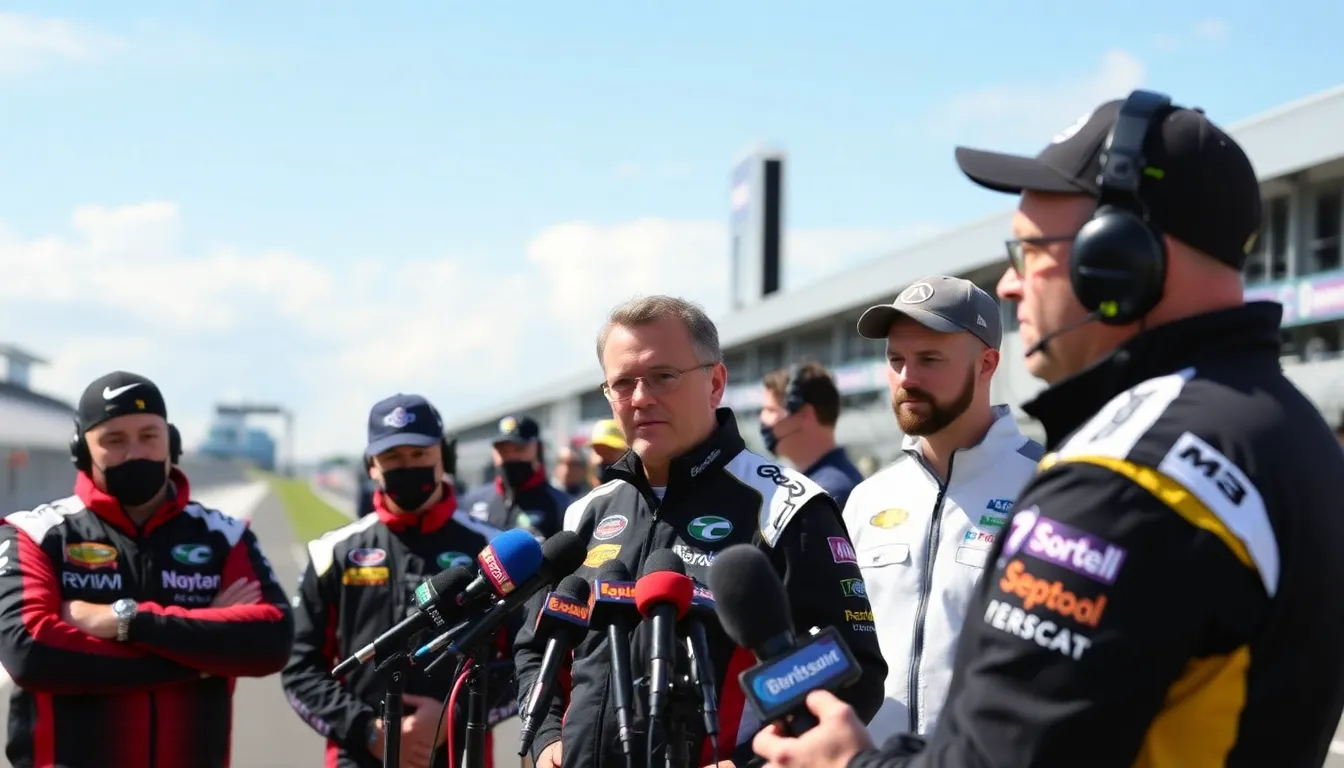
BoP is a set of regulations that aims to equalize the performance of different cars by adjusting their weight, engine power, and aerodynamic characteristics. This system has been a point of contention among teams and manufacturers, as it can significantly impact race outcomes. Historically, the implementation of BoP has led to both thrilling races and heated debates, as teams often feel that the adjustments favor certain manufacturers over others.
The Evolution of BoP Regulations
Since its introduction, BoP has undergone several revisions to address concerns from teams and fans alike. Key milestones include the adoption of data-driven approaches to performance adjustments, which have aimed to make the process more transparent and fair. However, as the complexity of racing technology has increased, so too have the challenges associated with maintaining a balanced competition. The 2026 Daytona 24 Hours is poised to be a critical moment in this ongoing evolution, as IMSA seeks to refine its approach amidst growing pressures from manufacturers.
The political landscape surrounding IMSA has also shifted, with manufacturers increasingly voicing their opinions on BoP decisions. This has led to a more pronounced influence of economic factors, as teams often rely on manufacturer support for funding and resources. The delicate balance between maintaining competitive integrity and satisfying manufacturer demands has become a focal point for IMSA, particularly as it prepares for the high-stakes environment of the Daytona 24 Hours.
As IMSA continues to navigate these challenges, the implications of its BoP decisions extend beyond the racetrack. The relationships between teams, manufacturers, and the governing body are being tested, with the potential to reshape the future of sports car racing in North America. The 2026 Daytona 24 Hours will not only serve as a showcase for the latest technology and talent but also as a critical juncture in the ongoing discussion about performance balance in the sport.
Key stakeholders and issues in the BoP discussion
The Balance of Performance (BoP) in endurance racing, particularly for events like the Daytona 24 Hours, involves various stakeholders with differing interests. Key players include the International Motor Sports Association (IMSA), race teams, manufacturers, and fans. Each group has unique perspectives that shape the ongoing discussions surrounding BoP regulations.
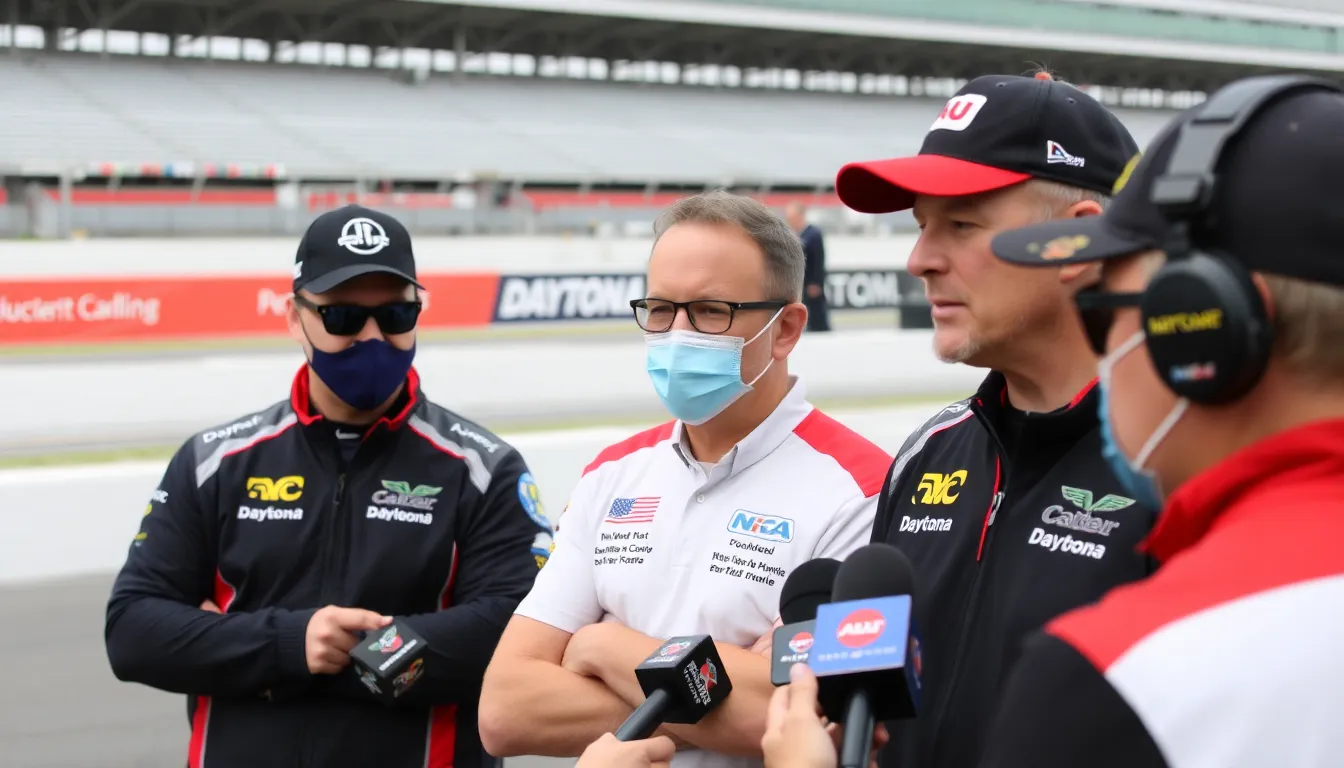
IMSA, as the governing body, aims to ensure competitive racing while maintaining safety and compliance with regulations. Their interest lies in creating a level playing field that encourages participation from a diverse range of manufacturers and teams. However, their decisions can lead to conflicts with teams that feel disadvantaged by BoP adjustments, often leading to disputes over performance adjustments that may favor one manufacturer over another.
Race teams and manufacturers, on the other hand, are primarily focused on maximizing their competitive edge. They invest significant resources in developing their vehicles and expect that their performance will be recognized and rewarded. When IMSA implements BoP changes, teams may argue that these adjustments undermine their efforts and investment, leading to tensions between the governing body and teams striving for success.
- Performance Disparities: Teams may experience varying levels of performance due to BoP adjustments, which can lead to dissatisfaction and claims of unfair treatment.
- Economic Implications: BoP decisions can impact sponsorship and funding for teams, as performance directly correlates with visibility and marketability.
- Legal Considerations: Disputes arising from BoP changes can lead to potential legal challenges, as teams seek to contest decisions that they perceive as detrimental.
- Fan Engagement: The perception of fairness in racing affects fan engagement and attendance, making it crucial for IMSA to balance competitive integrity with audience expectations.
In summary, the ongoing BoP discussions for the 2026 Daytona 24 Hours highlight the complex interplay among stakeholders, where the interests of IMSA, teams, and manufacturers must be carefully navigated to foster a competitive yet fair racing environment. Each decision made in the BoP context carries significant implications, not only for the teams involved but also for the overall health of the sport.
Impact of BoP decisions on teams and competition
The Balance of Performance (BoP) adjustments for the 2026 Daytona 24 Hours significantly affect various stakeholders in the motorsport community. Teams participating in the event, manufacturers of racing vehicles, and sponsors are all directly impacted by the decisions made by the International Motor Sports Association (IMSA). Additionally, fans and the broader automotive industry may feel the effects as well.
In the short term, teams may face challenges in adapting their strategies and vehicle configurations to comply with the new BoP regulations. This could lead to increased costs as teams invest in research and development to optimize their performance within the new parameters. Moreover, the uncertainty surrounding performance levels may affect sponsorship deals and team morale as they navigate these changes.
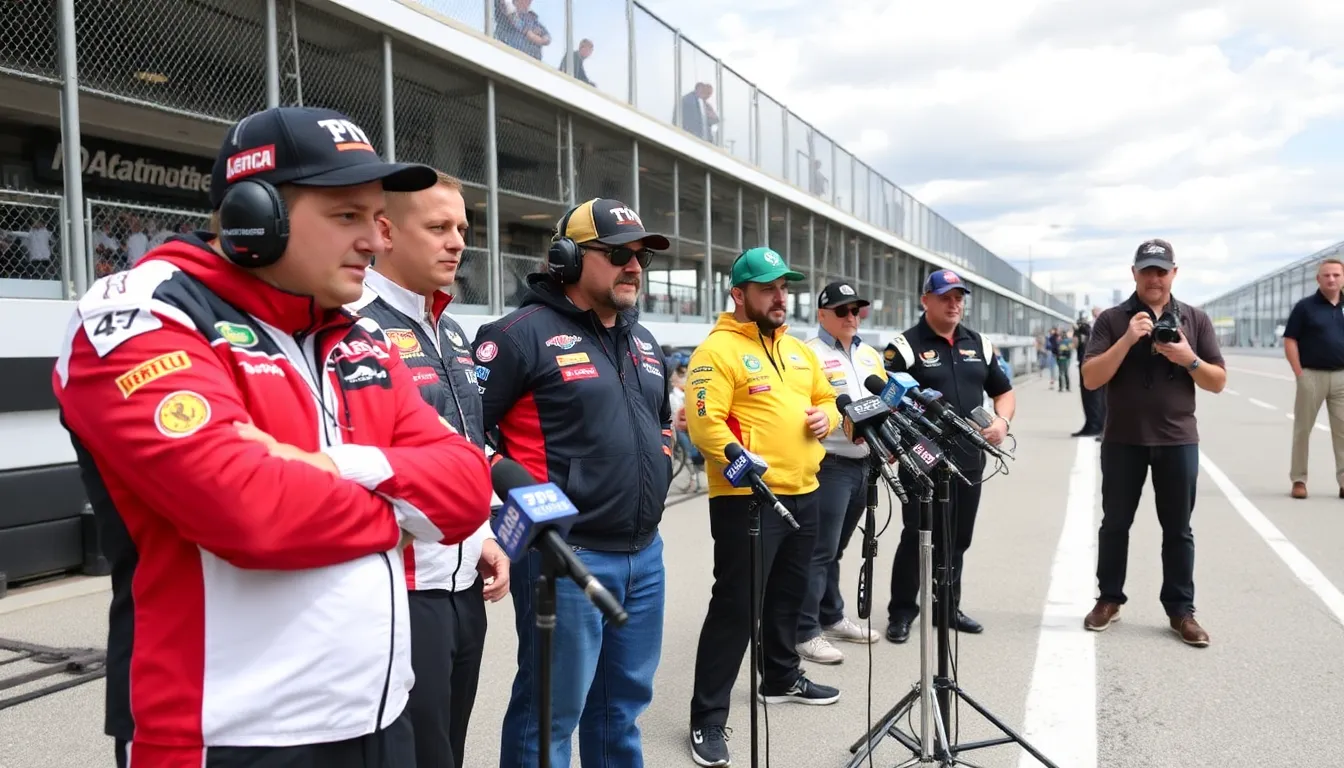
Mid-term impacts could include shifts in competitive dynamics among teams. Manufacturers that successfully adapt to BoP changes may gain a competitive edge, leading to potential market advantages in both motorsport and consumer automotive sectors. Conversely, teams struggling to adjust may face declining performance and financial difficulties, leading to a potential reshuffling of team lineups or even departures from the sport.
- Increased costs: Teams may incur higher expenses related to vehicle modifications and testing.
- Competitive balance: The BoP can level the playing field, increasing competition and viewer interest.
- Sponsorship impacts: Changes in team performance may affect current and future sponsorship opportunities.
- Market opportunities: Manufacturers that excel under new regulations may capture greater market share.
Overall, while the BoP decisions pose risks to teams and their financial stability, they also present opportunities for innovation and enhanced competition within the sport. The long-term effects on the automotive industry and motorsport culture will depend on how effectively teams and manufacturers respond to these challenges.
A: The Balance of Performance (BoP) is a set of regulations designed to ensure fair competition among different car models in endurance racing. It adjusts parameters like weight and power to level the playing field. A: IMSA has taken a firm stance to manage communications about BoP to maintain competitive integrity and avoid public disputes that could undermine the sport’s image. A: BoP can significantly influence a team’s race strategy, as adjustments in performance can change how teams approach qualifying and race execution, impacting tire choices and fuel management. A: Teams are primarily concerned about transparency and consistency in how BoP adjustments are made, as well as the potential for favoritism towards certain manufacturers. A: The BoP is typically reviewed before major races, with adjustments made based on performance data from prior events, ensuring that all competitors have a fair chance.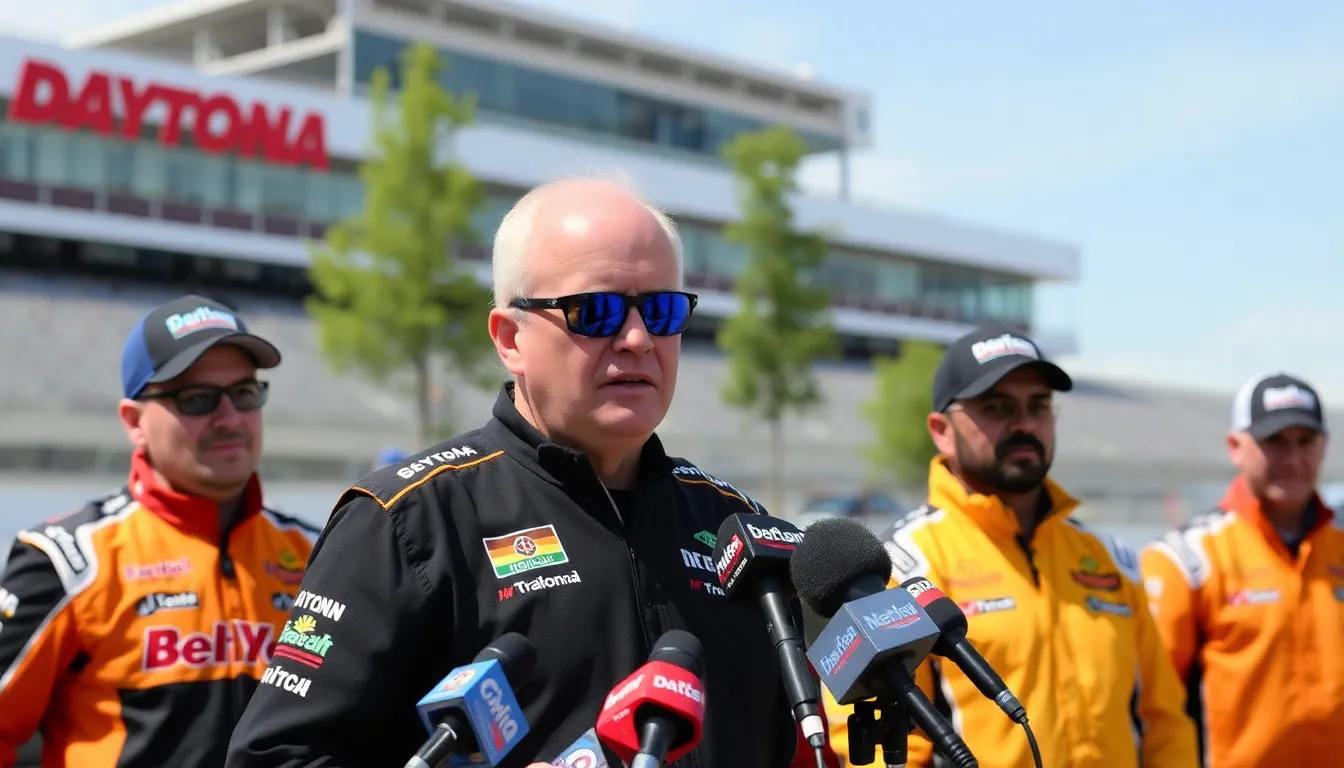
Frequently asked questions about the BoP analysis
Key takeaways and future outlook for the Daytona 24 Hours
The recent Balance of Performance (BoP) adjustments for the 2026 Daytona 24 Hours have sparked significant discussions within the IMSA community. As teams grapple with the implications of these changes, the focus shifts towards how they will affect competitive dynamics and team strategies in the upcoming race. The decision by IMSA to limit team input on BoP adjustments signifies a move towards a more standardized approach, which could reshape the landscape of endurance racing.
Looking ahead, teams will need to adapt quickly to the new regulations and optimize their performance within the constraints set by IMSA. The evolving nature of BoP will require strategic planning and innovation, as teams strive to maintain competitiveness while adhering to the new standards.
- Monitor how teams adapt their strategies in response to the new BoP regulations.
- Watch for potential shifts in manufacturer dominance as performance levels are recalibrated.
- Pay attention to the reactions of teams regarding IMSA’s control over BoP, as this could influence future regulations.
- Consider the impact of these changes on fan engagement and viewership, particularly if certain teams consistently outperform others.
- Evaluate the long-term implications for endurance racing as IMSA continues to refine its approach to BoP and team participation.