


This development comes after Djokovic’s intense schedule in 2023, where he secured his 24th Grand Slam title at the US Open. Despite his remarkable achievements, the rigorous demands of professional tennis have taken a toll, prompting concerns about his fitness as he prepares to defend his title in Melbourne. For more on player injuries, see this article about Watson’s withdrawal due to injury.
Djokovic’s withdrawal also raises questions about his training regimen and overall health as he approaches a critical phase in the tennis calendar. With the Australian Open set to begin on January 15, 2024, fans and analysts alike are keenly observing how this decision may impact his performance and readiness for the Grand Slam event.
As one of the sport’s leading figures, Djokovic’s condition will be closely monitored in the coming weeks. His ability to recover and regain peak form will be crucial not only for his own aspirations but also for the competitive landscape of men’s tennis in the new season.
Understanding Djokovic’s recent performance and health
Novak Djokovic, one of the most successful tennis players in history, has faced a series of challenges that have impacted his performance and participation in tournaments. His recent withdrawal from the Adelaide tournament has raised questions about his physical readiness, which has been a recurring theme in his career, particularly in the context of injuries and health issues.
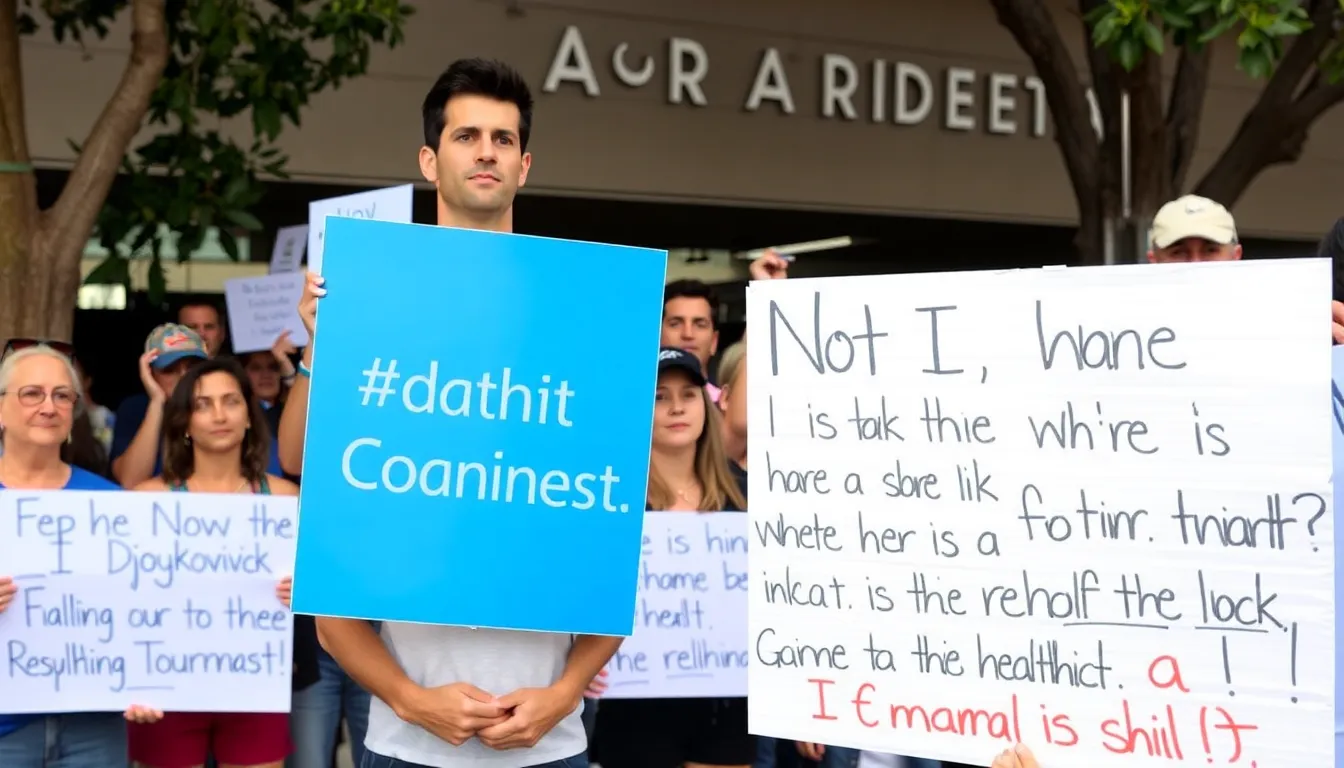
The backdrop to Djokovic’s current situation includes his tumultuous 2022 season, where he faced significant hurdles due to his vaccination status against COVID-19. This led to his deportation from Australia prior to the Australian Open, a decision that not only affected his immediate career but also sparked widespread debate over the intersection of sports, public health, and individual rights. These events have contributed to a complex relationship between Djokovic and the Australian public, which he has been trying to mend, much like the situation discussed in this article about Australia’s deportation of a British man.
In addition to the pandemic-related obstacles, Djokovic has also dealt with various physical ailments throughout his career. Injuries have plagued him at critical moments, such as during the 2021 French Open and the 2022 Wimbledon, where he struggled to maintain his peak performance. His recent comments about not being “quite physically ready” suggest that he is still grappling with the aftereffects of these issues, which can be exacerbated by the intense physical demands of the sport. As he continues to navigate these challenges, it echoes the tribulations faced by other players in the sport.
The Economic Impact of Athlete Health
The economic implications of an athlete’s health are significant, particularly for someone with Djokovic’s profile. Sponsorship deals, ticket sales, and television rights can all be affected by a player’s availability. As Djokovic continues to navigate his physical challenges, the broader economic landscape of professional tennis is also at stake, highlighting the interconnectedness of athlete performance and the financial viability of the sport.
Ultimately, Djokovic’s situation is a reminder of the fragility of elite athletic performance, where even the slightest health concerns can lead to significant consequences, both on and off the court. As he works towards regaining his form, the tennis world watches closely, understanding that his journey is not just about winning titles, but also about overcoming personal and professional hurdles.
Key issues surrounding Djokovic’s fitness and competition readiness
Novak Djokovic, a central figure in professional tennis, has recently faced scrutiny regarding his physical readiness for the Adelaide tournament. As a top-ranked player, his performance not only impacts his career but also the broader landscape of the sport. The key stakeholders in this situation include Djokovic himself, his coaching team, the Australian Open organizers, and the ATP (Association of Tennis Professionals).
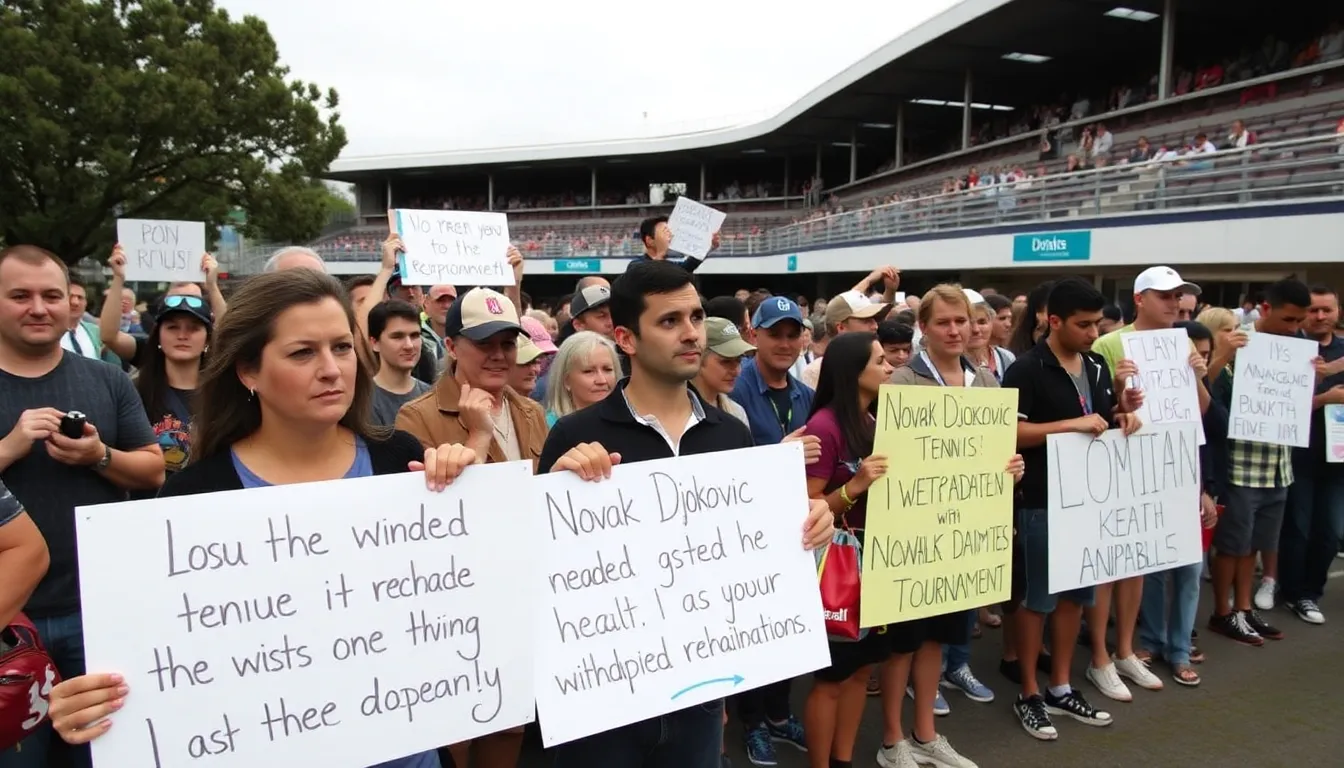
Djokovic’s interests are primarily focused on maintaining peak performance and securing victories in major tournaments. However, his recent admission of not being “quite physically ready” raises concerns about his ability to compete at the highest level. This situation puts pressure on him to balance recovery and training while preparing for upcoming matches.
The Australian Open organizers have a vested interest in ensuring that the tournament features its best players, as their participation attracts fans and media attention. The absence of a star player like Djokovic could lead to diminished interest and potential financial implications. Additionally, the ATP must consider the competitive integrity of the tournament, as the presence of top players is crucial for maintaining the sport’s reputation.
- Potential impact on Djokovic’s ranking and seed position in future tournaments.
- Financial ramifications for tournament organizers if key players are unable to compete.
- Legal considerations regarding player health and the responsibilities of tournament organizers.
- Trade-offs between immediate competition readiness and long-term career sustainability for athletes.
- The role of media narratives in shaping public perception of player fitness and readiness.
Conflicts may arise between Djokovic’s desire to compete and the need for adequate recovery, which could lead to further discussions about player health standards in professional sports. The balance between competitive spirit and physical well-being remains a critical issue in the ongoing dialogue about athlete management and support.
Implications for Djokovic and the tennis community
The recent announcement of Novak Djokovic’s withdrawal from the Adelaide tournament due to not being “quite physically ready” has significant implications for various stakeholders within the tennis community. This includes fellow players, sponsors, and fans who eagerly anticipate his participation in high-profile events.
One of the most immediate impacts is felt by fellow competitors who may view Djokovic’s absence as an opportunity to gain ranking points and recognition. The tournament’s dynamics shift, potentially altering the outcomes and strategies employed by other players. This could lead to a more unpredictable competitive landscape, especially for those vying for top positions in the ATP rankings.
Moreover, the sponsors and advertisers associated with the Adelaide tournament may experience short-term setbacks. With Djokovic being a major draw, his absence could lead to decreased ticket sales and lower viewership ratings. This could affect revenue streams for event organizers, prompting them to rethink marketing strategies and promotional activities.
- Short-term impacts: Decreased ticket sales and viewership.
- Mid-term impacts: Potential shifts in player rankings and sponsorship dynamics.
- Opportunities: Emerging players may gain visibility and recognition.
On a broader scale, Djokovic’s situation highlights the ongoing challenges faced by athletes in managing their physical health. This could prompt discussions within the tennis community about the importance of wellness and injury prevention, possibly leading to new policies or initiatives aimed at supporting player health. Additionally, it may encourage emerging talent to seize the moment and step into the spotlight, fostering a new generation of competitive players.
A: Djokovic stated that he is not quite physically ready to compete, which led to his decision to withdraw from the tournament. A: This withdrawal raises concerns about his fitness, which could impact his performance in future tournaments. A: Yes, Djokovic has previously dealt with injuries and fitness concerns that have affected his participation in various events. A: Depending on his performance in upcoming tournaments, his ranking could be impacted if he continues to miss events. A: The tennis community has expressed concern for Djokovic’s health and hopes for his swift return to competitive form.
Frequently asked questions about Djokovic’s situation
Looking ahead: Djokovic’s prospects for the season
As Novak Djokovic steps back from the Adelaide tournament, the implications for his season are significant. The decision to withdraw highlights ongoing concerns regarding his physical readiness, which could impact his performance in upcoming Grand Slam events. Observers will be keen to see how this affects his training regimen and overall strategy as he aims to reclaim his top form.
With the Australian Open on the horizon, Djokovic’s ability to recover and adapt will be crucial. His withdrawal serves as a reminder of the physical demands of the sport, especially for a player of his caliber. The coming weeks will be pivotal in determining whether he can regain competitive edge and maintain his status as one of the sport’s elite.
- Monitor Djokovic’s training updates for signs of recovery and fitness improvements.
- Watch for his performance in the lead-up tournaments as indicators of form and readiness.
- Consider the psychological effects of this setback on his confidence and competitive mindset.
- Evaluate how this impacts his seeding and matchups in the Australian Open draw.
- Keep an eye on rival players and their strategies in light of Djokovic’s current situation.