


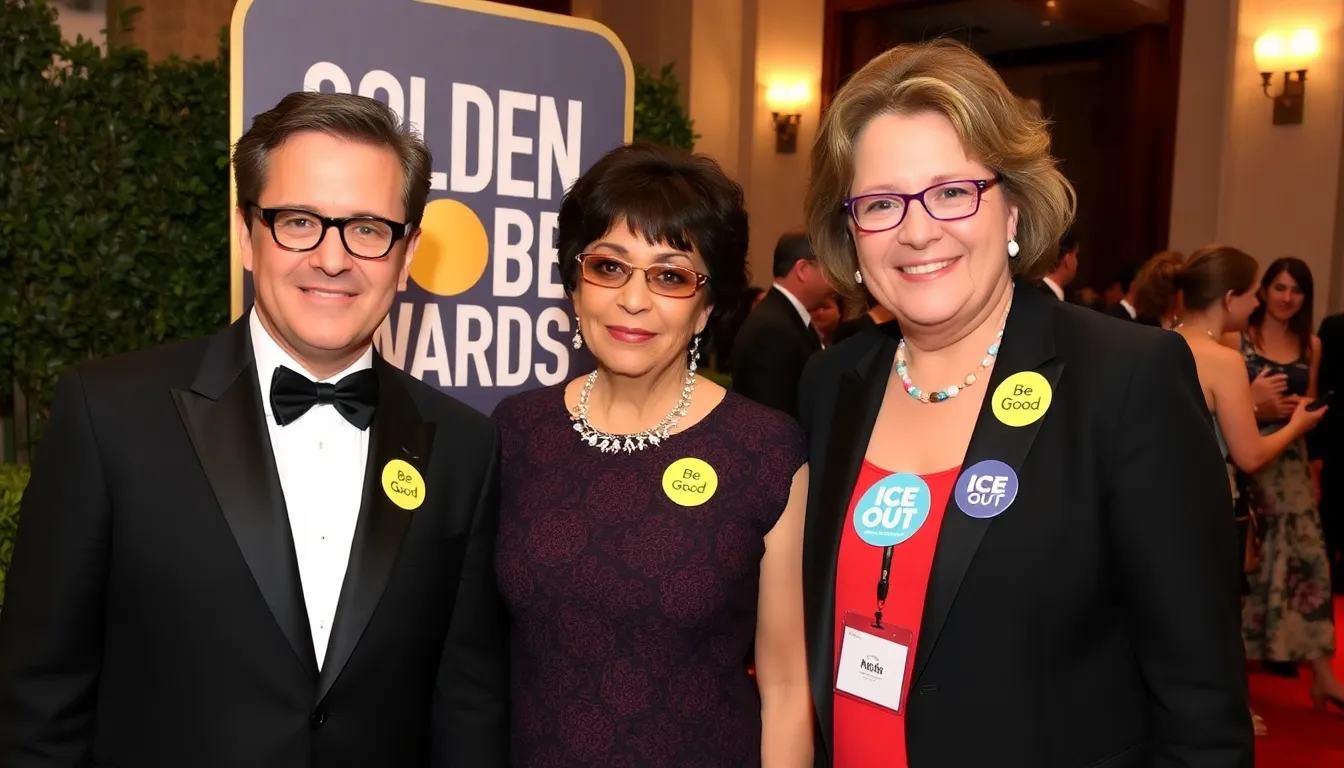
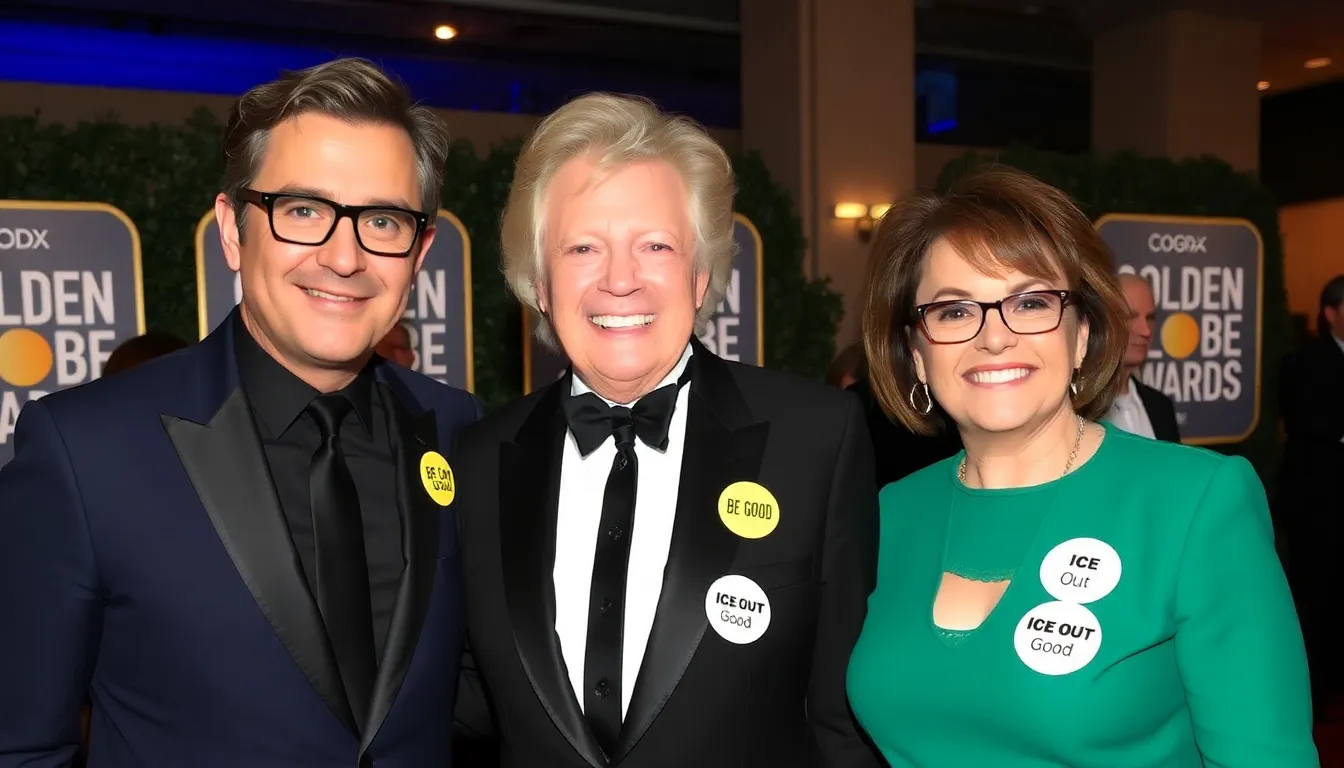
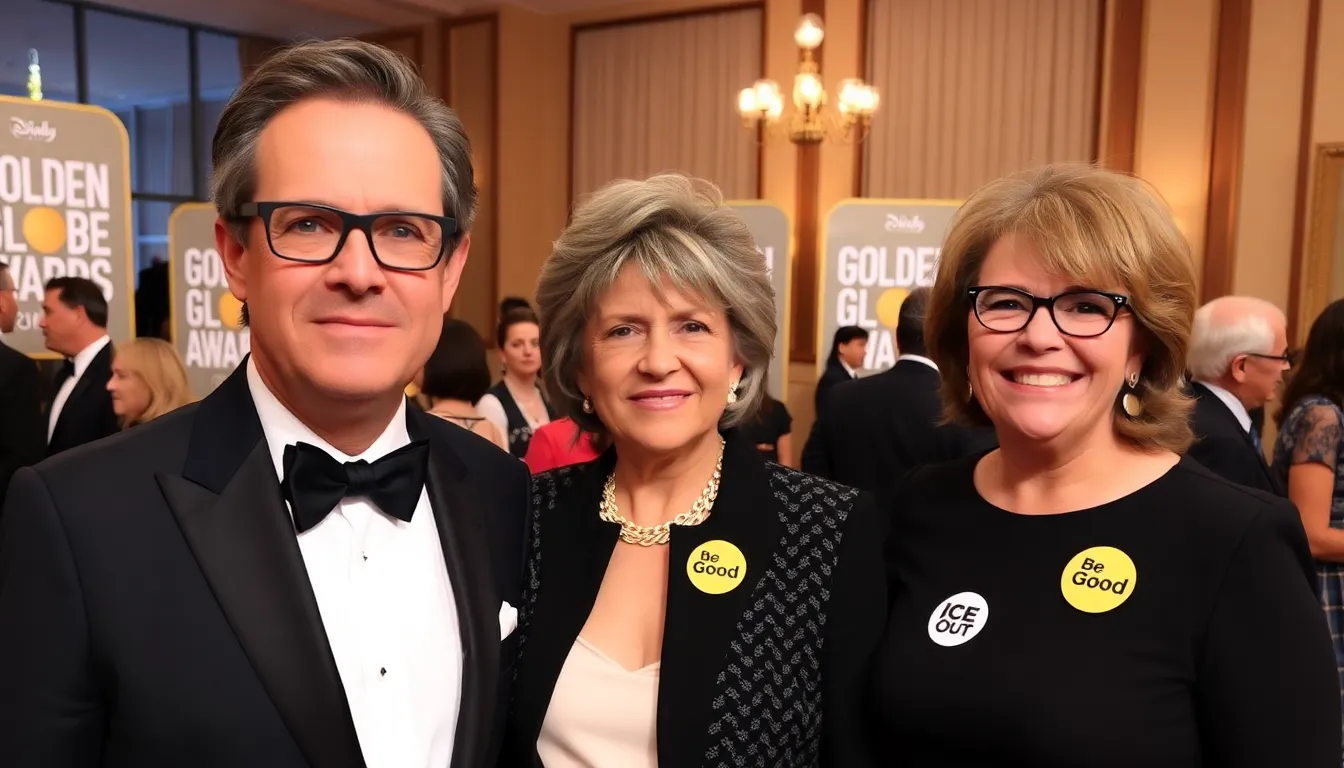
The Golden Globes, held on January 10, 2023, served as a platform for these celebrities to draw attention to the impact of immigration policies on families. By wearing these pins, they aimed to spark conversations about the need for reform and the human stories behind the statistics often discussed in political circles. You can read more about the social implications of such events here.
This act of solidarity comes amid increasing scrutiny of the Immigration and Customs Enforcement (ICE) agency, which has faced criticism for its practices and the consequences they have on vulnerable communities. The choice of such a poignant tribute at a high-profile event underscores the intersection of entertainment and activism.
Mark Ruffalo, known for his advocacy on various social issues, has been vocal about the need for compassion in immigration policies. Similarly, Jean Smart and Wanda Sykes have used their platforms to advocate for marginalized voices, making their presence at the Golden Globes a significant moment in the ongoing dialogue about immigration rights.
Understanding the background of Renée Macklin Good’s tragic story
Renée Macklin Good’s death at the hands of an ICE agent has ignited a conversation about the consequences of aggressive immigration enforcement in the United States. The Immigration and Customs Enforcement (ICE) agency was established in 2003, following the events of September 11, to enhance national security and enforce immigration laws. However, over the years, its operations have increasingly come under scrutiny for their impact on communities and individuals, particularly those who are undocumented or have tenuous legal status.
The political climate surrounding immigration has shifted dramatically over the past two decades, with policies oscillating between strict enforcement and calls for reform. The rise of anti-immigrant sentiment, particularly during election cycles, has led to heightened enforcement actions and an increase in deportations. This environment has fostered fear among immigrant communities, who often feel targeted and vulnerable. Renée Macklin Good’s story exemplifies the tragic outcomes that can arise from these policies, highlighting the human cost of a system that many argue is in dire need of reform.
The Impact of ICE Policies
ICE’s approach to immigration enforcement has been marked by controversial tactics, including workplace raids and the targeting of individuals in their homes. These actions have led to numerous incidents of violence and loss of life, raising ethical questions about the methods employed by the agency. The case of Renée Macklin Good is not an isolated incident; it reflects a broader pattern of tragedies linked to ICE’s aggressive enforcement strategies. Activists and advocates have long argued for a reevaluation of these practices, calling for policies that prioritize community safety and human rights over punitive measures.
Public outcry following Renée’s death has prompted renewed discussions about the need for comprehensive immigration reform. Advocates are pushing for legislative changes that would protect vulnerable populations and ensure accountability for agents involved in fatal incidents. The visibility brought by celebrities like Mark Ruffalo, Jean Smart, and Wanda Sykes at events such as the Golden Globes serves to amplify these calls for justice and reform, reminding society of the urgent need to address the systemic issues within immigration enforcement. For further insights on the effects of advocacy in shaping policies, check out this article.
Examining the implications of celebrity activism on immigration policies
In recent years, celebrity activism has gained significant traction, particularly in the realm of immigration reform. The appearance of actors like Mark Ruffalo, Jean Smart, and Wanda Sykes at the Golden Globes wearing ‘Be Good’ and ‘ICE Out’ pins highlights a growing awareness and concern regarding immigration enforcement practices in the United States. Their actions not only honor the memory of Renée Macklin Good, a mother tragically killed by an ICE agent, but also serve to amplify calls for policy changes. You can explore similar themes of justice and policy reform in our piece on safe methods for reflection.
The main actors involved in this issue include the celebrities themselves, who leverage their platforms to advocate for social justice, and organizations such as immigrant rights groups that seek to influence immigration policies. On the other side, government entities like the Immigration and Customs Enforcement (ICE) and policymakers who support current immigration enforcement practices represent conflicting interests. While activists aim for humane treatment and reform, government officials often prioritize national security and border control.
Key issues at the heart of this activism include the legal ramifications of ICE’s enforcement actions, the economic implications of immigration policies, and the societal impact of these issues on immigrant communities. The conflict arises when the need for security is pitted against the rights and safety of individuals, particularly those who are vulnerable.
- Legal Issues: The legality of ICE’s actions and the accountability of agents involved in incidents of violence.
- Economic Concerns: The potential impact of immigration reform on labor markets and economic growth.
- Social Justice: The role of public sentiment and activism in shaping immigration policies.
- Cultural Influence: How celebrity endorsements can sway public opinion and political action.
As these celebrities continue to advocate for change, the intersection of their influence and the complex landscape of immigration policy will likely evolve, prompting further discussion and action from both sides of the debate.
The impact of celebrity involvement on public perception of immigration enforcement
The participation of celebrities like Mark Ruffalo, Jean Smart, and Wanda Sykes in the Golden Globes, wearing pins to honor Renée Macklin Good, brings significant attention to the issue of immigration enforcement and its consequences. This event underscores the plight of families affected by aggressive immigration policies, particularly those impacted by the actions of ICE agents. The visibility of such high-profile figures can mobilize public sentiment and influence various groups, including immigrant communities, advocacy organizations, and policymakers.
In the short term, the immediate effect of this celebrity involvement is an increase in media coverage regarding immigration issues. This heightened visibility can lead to greater public awareness about the personal stories behind immigration statistics, fostering empathy and support for reform. Additionally, it may galvanize grassroots movements and advocacy groups that focus on immigration rights, encouraging more people to engage in activism or support related initiatives.
In the mid-term, the sustained focus on immigration enforcement could lead to policy changes at local, state, or federal levels. Lawmakers may feel pressured to address the concerns raised by constituents who resonate with the emotional narratives highlighted by celebrities. This could result in the introduction of legislation aimed at reforming immigration enforcement practices or enhancing protections for vulnerable populations.
- Risks: Increased polarization around immigration issues, potentially leading to backlash from opposing groups.
- Opportunities: Enhanced collaboration between advocacy organizations and the entertainment industry to promote social justice initiatives.
- Risks: Potential for superficial engagement if celebrity involvement does not translate into sustained action or policy change.
- Opportunities: Creation of platforms for immigrant voices, allowing for more diverse narratives to emerge in mainstream media.
Overall, the involvement of celebrities in highlighting the tragic consequences of immigration enforcement not only affects public perception but also holds the potential to drive significant shifts in policy and community engagement. As these narratives gain traction, they may inspire a more compassionate approach to immigration issues, ultimately influencing the landscape of immigrant rights and protections.
A: They wore the pins to honor Renée Macklin Good, who was tragically killed by an ICE agent, and to raise awareness about the injustices faced by immigrant families. A: The pins say ‘Be Good’ and ‘ICE Out’, symbolizing a call for compassion and a demand for the removal of ICE, which has been criticized for its aggressive enforcement tactics. A: Celebrity activism can significantly shape public discourse and awareness, drawing attention to critical social issues and encouraging conversations around policy changes. A: The Golden Globes provide a high-profile platform for celebrities to voice their beliefs and advocate for social justice, reaching a wide audience. A: Yes, various organizations continue to advocate for immigration reform and justice for victims of ICE actions, often supported by celebrity endorsements.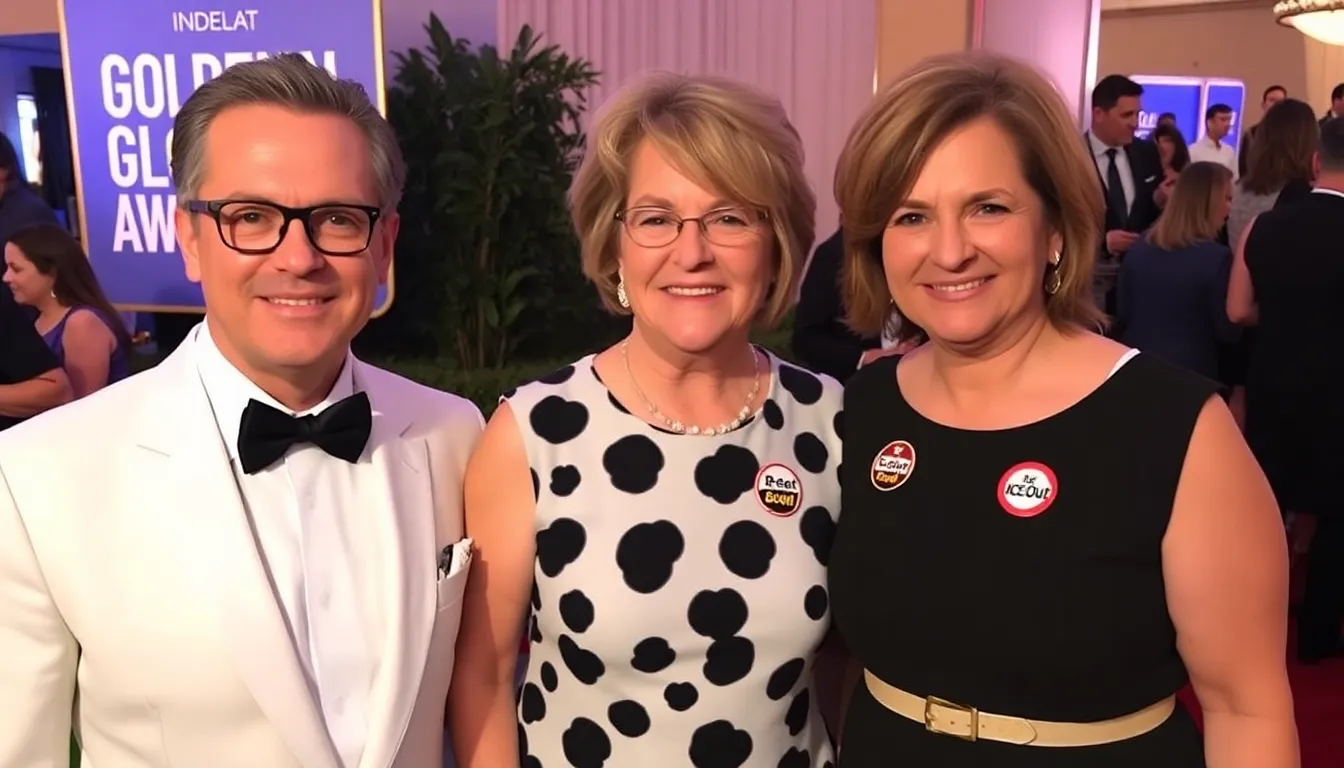
Frequently asked questions about the Golden Globes advocacy
Key takeaways and future implications of this advocacy
The presence of Mark Ruffalo, Jean Smart, and Wanda Sykes at the Golden Globes wearing ‘Be Good’ and ‘ICE Out’ pins highlights a growing movement within Hollywood to address social justice issues, particularly those surrounding immigration enforcement and its consequences. This powerful display of solidarity not only honors the memory of Renée Macklin Good but also serves as a call to action for audiences and policymakers alike to reconsider the implications of immigration policies on families and communities.
As celebrities leverage their platforms to raise awareness, it is essential to monitor how this advocacy influences public perception and legislative changes. The engagement of high-profile figures can catalyze broader discussions about accountability and reform in immigration practices, potentially leading to significant shifts in societal attitudes and government actions.
- The visibility of social justice issues at major events like the Golden Globes can inspire similar actions in other industries, encouraging a culture of advocacy.
- Continued celebrity involvement may lead to increased funding and support for organizations working to protect the rights of immigrant families.
- Public response to these advocacy efforts could influence future legislation, particularly in areas related to immigration reform and law enforcement oversight.
- The emotional resonance of personal stories, like that of Renée Macklin Good, can humanize complex policy issues and engage a wider audience in advocacy efforts.
- As awareness grows, there may be a shift in the entertainment industry towards more inclusive narratives that reflect the challenges faced by marginalized communities.