


In his reflections, Cave described the narrative as both “devastating” and “life-affirming,” highlighting the complex emotions surrounding the human experience of bereavement. The song he crafted serves as a musical embodiment of these themes, aiming to capture the essence of the story’s haunting yet uplifting journey. For more on the impact of such stories, check out the article on Kevin O’Leary’s insights.
The collaboration between Cave and the film’s director, which began earlier this year, has been marked by a shared vision of portraying the paradox of grief. As audiences engage with the film, they are invited to confront their own feelings of loss while also discovering moments of beauty and hope within the narrative.
This artistic endeavor not only showcases Cave’s musical talents but also emphasizes the importance of storytelling in processing emotional experiences. As “Train Dreams” continues to resonate with viewers, it stands as a testament to the power of art in navigating the complexities of life and death.

Understanding the Story Behind Train Dreams
The title song for ‘Train Dreams,’ a poignant adaptation of Denis Johnson’s novella, emerges from a rich tapestry of American literary and musical traditions. This story, set against the backdrop of the early 20th century, explores themes of loss, memory, and the human condition, deeply resonating with the societal changes and emotional landscapes of that era. Nick Cave, known for his profound lyricism, encapsulates these themes in his composition, drawing on the historical context that shaped both the novella and the music it inspired. For additional context on storytelling’s influence, see this related piece.
Historically, the early 1900s in America was a time of significant transformation, marked by industrialization and the expansion of the railroad system. This period not only altered the physical landscape but also impacted the emotional and cultural fabric of society. The railroad became a symbol of progress and, paradoxically, a harbinger of disconnection and loss, themes that are central to both Johnson’s work and Cave’s musical interpretation.
Economically, the era was characterized by stark contrastswhile the industrial boom created wealth for some, it also led to widespread displacement and hardship for many. The stories of those who lived through this tumultuous time often reflect a struggle to find meaning amidst chaos, a sentiment that resonates deeply in Cave’s lyrics. His ability to weave these historical nuances into the fabric of his music allows listeners to connect with the broader human experience of grief and resilience.
The Paradox of Grief and Life
In discussing the emotional weight of ‘Train Dreams,’ Cave highlights the paradox of grief as both devastating and life-affirming. This duality is not only a hallmark of the human experience but also a recurring motif in literature and music. By confronting loss through his art, Cave invites audiences to explore their own narratives of sorrow and healing, ultimately suggesting that within grief lies the potential for profound personal growth and connection. If you’re interested in exploring themes of hope and resilience further, consider reading about Kyrgios’ journey.
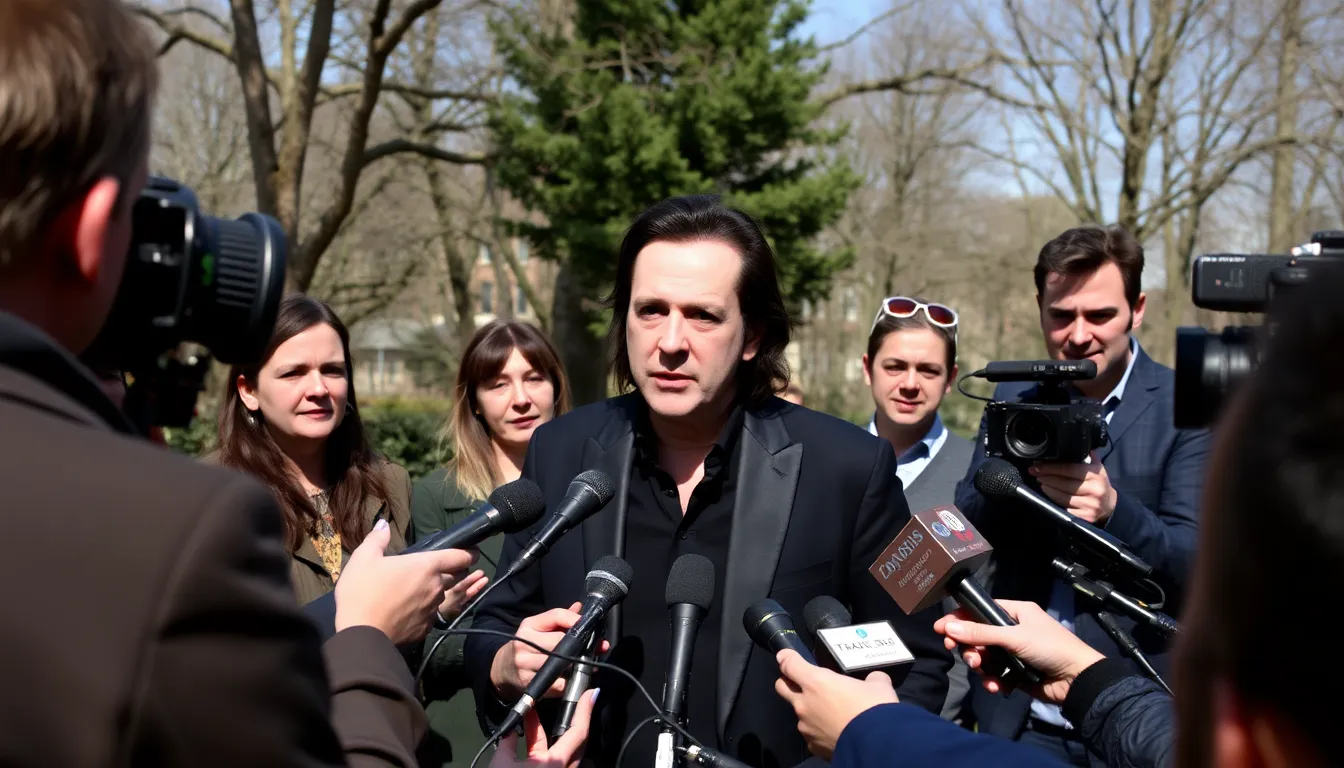
Key Themes and Stakeholders in the Narrative
In the context of Nick Cave’s involvement with the title song for ‘Train Dreams,’ several key stakeholders emerge, each with unique interests and perspectives. These stakeholders include the artist himself, the film production team, the audience, and the broader cultural community. Each group plays a significant role in shaping the narrative surrounding the project.
Nick Cave, as the primary artist, is deeply invested in conveying the emotional weight of the story through his music. His interest lies in exploring the themes of grief and resilience, which resonate throughout the film. Cave’s artistic vision aims to create a soundtrack that not only complements the visuals but also enhances the overall emotional experience for the audience.
The film production team, including directors and producers, has a vested interest in ensuring that the music aligns with the film’s narrative and emotional tone. They must navigate the complexities of artistic collaboration, balancing Cave’s creative input with the logistical and budgetary constraints of film production. This often leads to trade-offs in terms of artistic direction and financial resources.
- Audience Reception: The audience plays a crucial role in the success of the film and its music. Their emotional response can influence future projects and the artists involved.
- Cultural Impact: The themes of grief and life-affirmation in Cave’s work contribute to broader discussions about mental health and emotional expression in society.
- Legal Considerations: Copyright and licensing issues may arise as Cave’s music is integrated into the film, necessitating careful legal navigation.
- Economic Factors: The financial success of the film can impact the viability of similar projects, influencing future collaborations between artists and filmmakers.
Conflicts may arise between artistic integrity and commercial viability, as both Cave and the production team seek to balance their respective interests. The challenge lies in creating a work that is both commercially successful and artistically meaningful, reflecting the complex interplay of grief and hope that defines the story.
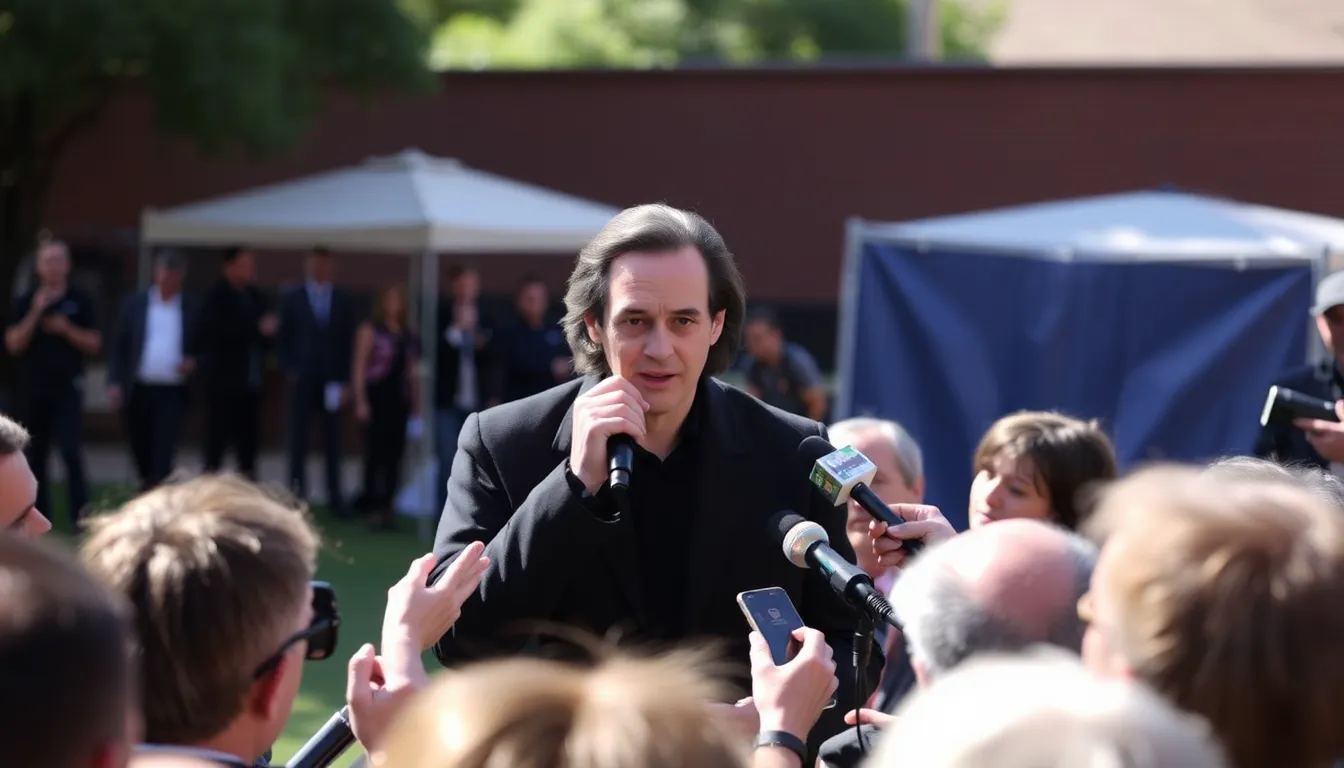
The Impact of Music on Grief and Healing
Nick Cave’s involvement in creating the title song for ‘Train Dreams’ resonates deeply with various groups, particularly those who have experienced loss. This connection extends to families, mental health professionals, and the broader music community, all of whom are affected by the themes of grief and healing that the song encapsulates.
In the short term, individuals grappling with grief may find solace in the song, fostering a sense of community among those who share similar experiences. This could lead to increased engagement in support groups and mental health initiatives, as people seek out resources that help them process their emotions. Additionally, the music industry may see a surge in interest in songs that address similar themes, encouraging artists to explore and express the complexities of grief through their work.
In the mid-term, the impact on daily life could manifest in more open conversations about mental health and grief, potentially influencing public policy related to mental health services. As awareness grows, businesses that provide therapeutic services, such as counseling and music therapy, may experience increased demand. This could also lead to collaborations between artists and mental health organizations, creating opportunities for workshops and community events that promote healing through music.
- Risks: The commercialization of grief may lead to insensitivity in how such themes are approached in music and media.
- Opportunities: Artists can use their platforms to raise awareness about mental health, creating a supportive environment for those in need.
- Risks: Overemphasis on grief in popular culture could overshadow other important narratives in music.
- Opportunities: Increased collaboration between musicians and mental health advocates can foster innovative approaches to healing.
Ultimately, the intersection of music and grief, as exemplified by Cave’s work, has the potential to create lasting impacts on both individuals and communities, encouraging a more compassionate dialogue around the complexities of loss and recovery.

Frequently Asked Questions About Train Dreams
A: Nick Cave was inspired by the profound themes of loss and resilience in the story. He aimed to capture the emotional complexity of grief through music.
A: The song embodies the paradox of grief, showcasing both the devastation of loss and the beauty of life that persists. It serves as a musical representation of the narrative’s emotional journey.
A: Cave refers to the idea that grief can be both painful and transformative. It highlights how sorrow can lead to deeper appreciation for life and connections with others.
A: While there are no confirmed projects, Cave has expressed interest in continuing to explore literary themes through his music.
Key Takeaways and Future Perspectives on Grief
Nick Cave’s reflections on writing the title song for ‘Train Dreams’ illuminate the intricate relationship between grief and creativity. His insights reveal that while grief can be profoundly devastating, it also possesses the potential to inspire profound artistic expression. This duality serves as a reminder that within the depths of sorrow, there lies an opportunity for healing and growth, as well as a deeper understanding of the human experience.
As artists and audiences engage with narratives surrounding loss, it becomes essential to recognize the transformative power of grief. The exploration of such themes not only fosters empathy but also encourages individuals to confront their own experiences with loss, ultimately leading to a more nuanced appreciation of life’s complexities.
- Embrace the Paradox: Acknowledge that grief can coexist with beauty and creativity, offering a path to healing.
- Art as a Medium: Utilize artistic expression as a tool for processing emotions and sharing personal stories of loss.
- Foster Community Support: Engage in conversations about grief within communities to build understanding and solidarity.
- Encourage Open Dialogue: Create safe spaces for discussing grief, allowing individuals to share their experiences and insights.
- Seek Inspiration: Look for inspiration in narratives that explore the complexities of grief, recognizing their potential to uplift and affirm life.