


The Museum Prinsenhof Delft, which showcases the evolution of Delftware, has reported increased visitor numbers, particularly during the summer months; this venue is pivotal for understanding the city’s rich ceramic heritage.
Additionally, the city is actively engaging with contemporary artists who are reinterpreting traditional techniques and designs. This blending of old and new is evident in various galleries and pop-up exhibitions throughout Delft. Notable collaborations have emerged, with local artisans partnering with international designers to create unique pieces that appeal to modern sensibilities.
As the demand for authentic Delftware persists, local artisans are also facing challenges related to sustainability and production costs. Many workshops are exploring eco-friendly practices to minimize their environmental impact while maintaining the quality that Delftware is known for. This focus on sustainability is becoming increasingly important to consumers, particularly younger generations.
The future of Delft’s blue ceramics appears promising, with ongoing efforts to preserve traditional craftsmanship while embracing innovation. As the city prepares for upcoming events, including the annual Delft Blue Festival, stakeholders are optimistic about the continued relevance of this iconic art form in both local and global contexts.
The historical significance of Delft and its ceramics
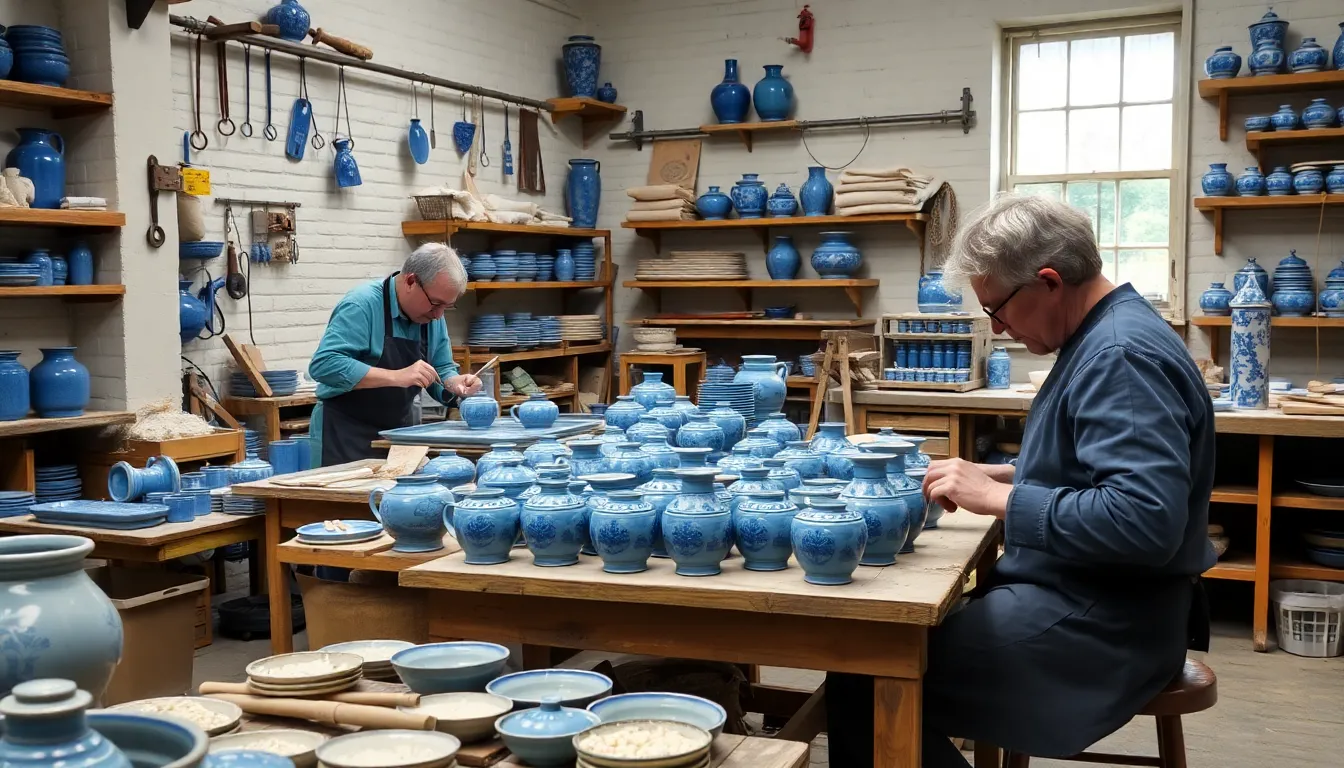
Delft, a charming city located in the Netherlands, is renowned for its distinctive blue ceramics, commonly known as Delftware, and its unique style reflects centuries of artistic evolution.
Throughout the 17th century, Delft emerged as a significant player in the European ceramics market. The city’s potters, such as the famous De Porceleyne Fles factory, gained recognition for their exquisite hand-painted designs, which often featured intricate scenes of Dutch landscapes, flora, and fauna. This period, known as the Dutch Golden Age, saw an increase in wealth and cultural exchange, which further fueled the demand for Delftware both domestically and abroad.
The impact of trade and innovation
The economic success of Delft’s ceramic industry was closely tied to the city’s strategic location and its access to trade routes. As a hub for commerce, Delft benefited from the influx of materials and ideas, which allowed local artisans to innovate and refine their techniques. The introduction of new colors and motifs, influenced by global trade, helped to elevate Delftware to a status symbol among the European elite.
However, the decline of the Dutch economy in the 18th century, coupled with the rise of industrial production methods, posed challenges for traditional potters. Many workshops struggled to compete with mass-produced ceramics, leading to a decrease in the quality and craftsmanship that had defined Delftware. Despite these challenges, the city has managed to preserve its rich heritage through museums and ongoing artisan practices, ensuring that the legacy of Delft’s blue ceramics continues to thrive in contemporary culture.
Today, Delftware is not only a testament to the city’s artistic history but also a symbol of Dutch identity, aligning with the broader appreciation for handcrafted goods that tell compelling stories.
Key stakeholders in Delft’s ceramic industry
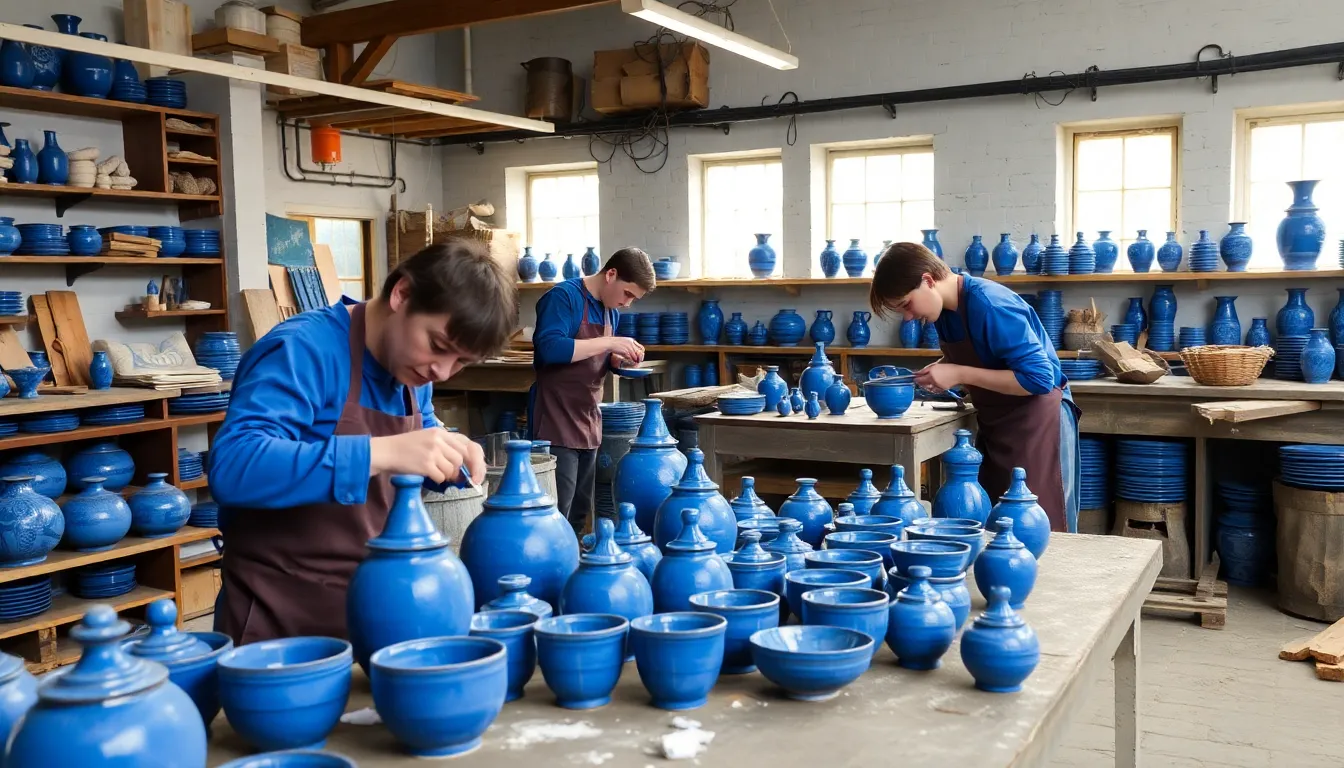
Delft’s renowned ceramic industry, particularly famous for its blue pottery, involves a diverse array of stakeholders, each with distinct interests and influences. These stakeholders include local artisans, manufacturers, cultural institutions, government bodies, and tourists. Understanding their roles is essential to grasp the dynamics of this historic craft.
Artisans and local manufacturers are at the heart of Delft’s ceramic production. Their primary interest lies in preserving traditional techniques while also innovating to meet modern market demands. This balance can lead to conflicts, as some artisans may resist changes that threaten the authenticity of their craft, while others may see adaptation as essential for survival in a competitive global market.
Moreover, cultural institutions, such as museums and galleries, play a pivotal role in promoting Delft’s ceramics. They are invested in the preservation of heritage and education about the art form. However, they often face challenges in securing funding and support, leading to potential trade-offs between showcasing traditional works and promoting contemporary artists.
- Local government initiatives aimed at tourism development can conflict with artisan interests if regulations limit production methods.
- Economic pressures from international markets may push local manufacturers to lower costs, impacting quality and craftsmanship.
- Efforts to promote sustainable practices can create tension among stakeholders who prioritize tradition over modern environmental concerns.
Lastly, tourists represent a significant economic force in Delft’s ceramic industry. Their interest in authentic experiences can drive demand for traditional products, yet this can also lead to commercialization that some artisans may view as detrimental to the craft’s integrity. Balancing tourist expectations with the preservation of artistic heritage remains a critical issue for all stakeholders involved.
How Delft’s ceramics influence local and global markets
Delft’s iconic blue ceramics have a profound impact on various groups, industries, and regions, extending far beyond the city limits. Artisans, manufacturers, and retailers in the ceramics sector are directly affected, as the demand for authentic Delftware drives their production and sales. Additionally, local tourism businesses, including hotels, restaurants, and shops, benefit from the influx of visitors drawn to the city’s rich cultural heritage.
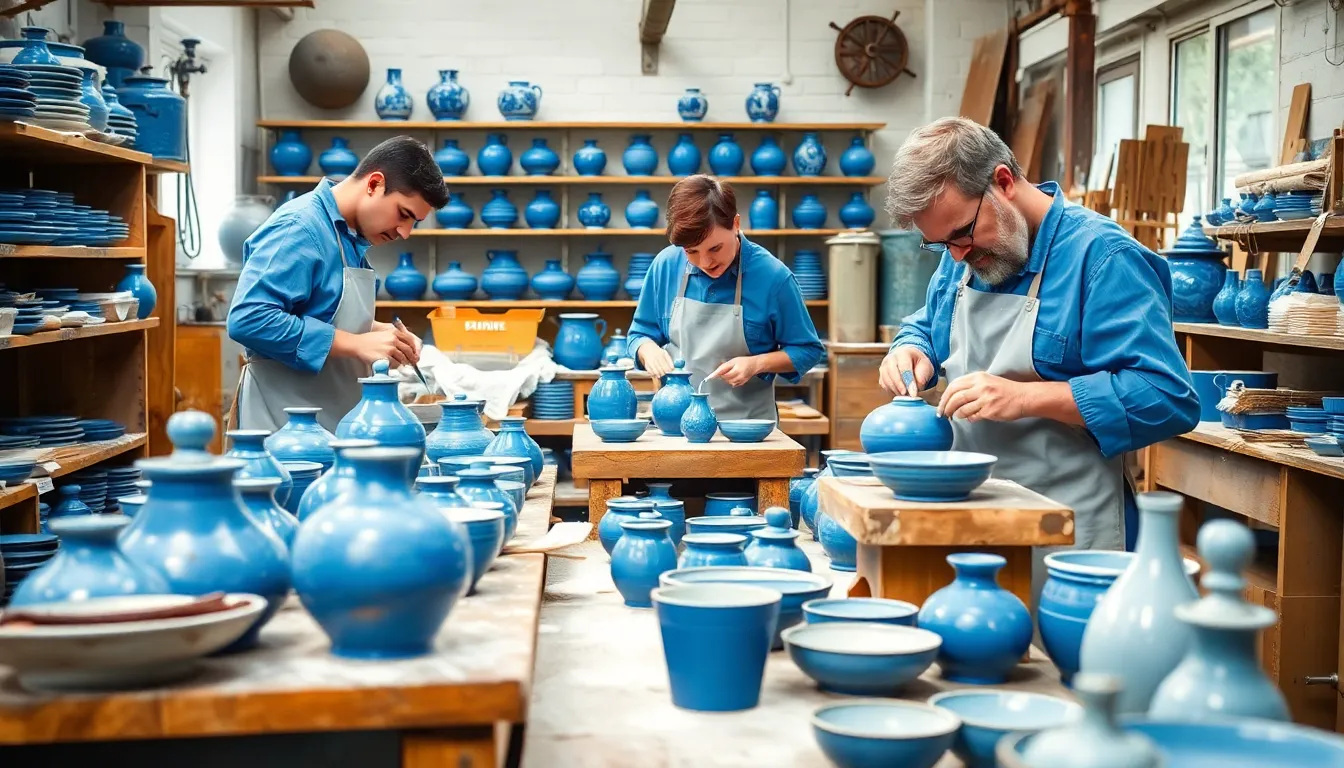
In the short term, the surge in interest in Delft’s ceramics can lead to increased foot traffic in local shops and galleries, boosting sales and creating temporary employment opportunities. However, this can also result in supply chain pressures as businesses strive to meet demand. The rise in popularity might also attract new competitors, both locally and internationally, which could challenge existing artisans and manufacturers.
In the mid-term, the potential for growth in the ceramics market can lead to investments in local infrastructure and education. Workshops and training programs may emerge to cultivate new talent in the craft, fostering a new generation of artisans. This shift could enhance the city’s reputation as a center for ceramic arts, attracting international collaborations and exhibitions.
- Tourism Growth: Increased visitors can lead to higher revenue for local businesses.
- Cultural Preservation: The demand for authentic Delftware promotes the preservation of traditional crafting techniques.
- Market Competition: New entrants may challenge established businesses, necessitating innovation and adaptation.
- Job Creation: Increased production can lead to new employment opportunities in various sectors.
While there are risks associated with heightened competition and potential over-commercialization, the opportunities for economic growth and cultural enrichment present a promising outlook for Delft and its world-renowned ceramics. The balance between preserving heritage and embracing modern market dynamics will be crucial in shaping the future of this iconic industry.
A: Delftware refers to the blue and white pottery made in Delft, characterized by its intricate designs and historical significance. A: Many ceramic factories in Delft offer guided tours, allowing visitors to see the production process and learn about the history of the craft. A: Yes, Delft hosts various events and festivals throughout the year that celebrate its rich ceramic heritage, attracting both locals and tourists. A: Delft is home to beautiful canals, historic buildings, and museums, making it a vibrant destination for culture and history enthusiasts. A: Yes, many retailers offer authentic Delftware online, but it’s important to ensure they are reputable sellers to avoid counterfeit products.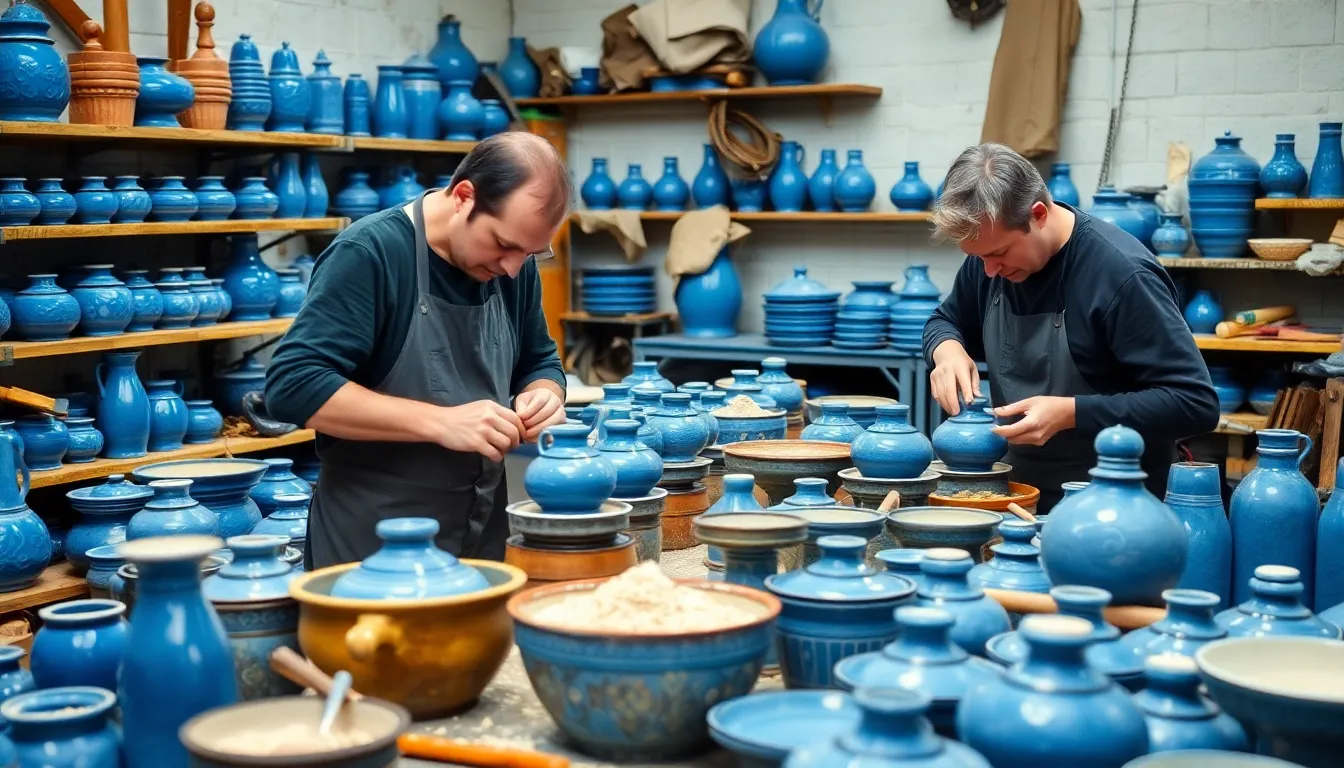
Frequently asked questions about Delft and its ceramics
Key insights and future outlook for Delft
Delft stands as a remarkable intersection of history and modernity, particularly renowned for its iconic blue ceramics. As the city continues to embrace its rich cultural heritage while fostering innovation, visitors and residents alike can expect a vibrant blend of tradition and contemporary artistry. The ongoing interest in sustainable practices within the ceramics industry also highlights Delft’s commitment to environmental stewardship, paving the way for future developments in craftsmanship and design.
As Delft evolves, it presents unique opportunities for cultural tourism, local artisans, and international collaborations. Observers should pay attention to how the city balances its historical significance with the demands of modern commerce and sustainability, ensuring that its legacy of blue ceramics remains relevant in an ever-changing world.
- Monitor the growth of sustainable practices in the ceramics industry as local artisans adapt to eco-friendly methods.
- Watch for increased cultural tourism initiatives that highlight Delft’s historical significance and artistic heritage.
- Consider the impact of international collaborations on the local economy and the global perception of Delft’s craftsmanship.
- Evaluate how modern design trends are influencing traditional blue ceramics and attracting a younger demographic.