


Local conservationists, including the Bat Conservation Trust, have been actively working to monitor and protect these species. They highlight the importance of green spaces and natural habitats, which are crucial for the survival of bats. Events such as bat walks and educational workshops are being organized to raise awareness and encourage community involvement.
In addition to habitat preservation efforts, there is a growing interest in bat-friendly initiatives among residents. Many homeowners are now installing bat boxes and creating wildlife gardens to support local populations. This grassroots movement reflects a broader recognition of the role bats play in pest control and pollination.
Despite these positive developments, challenges remain. Climate change and pollution continue to threaten bat habitats, complicating conservation efforts. As the situation evolves, ongoing research and community engagement will be essential to ensure the survival of these important nocturnal creatures.
The background of bat conservation efforts in urban areas
Bat conservation has gained significant attention over the past few decades, particularly in urban environments where these creatures face increasing threats from habitat loss and urban development. Historically, bats have been misunderstood and often vilified, leading to widespread extermination efforts. However, growing awareness of their ecological importance has sparked a shift towards conservation and protection initiatives.
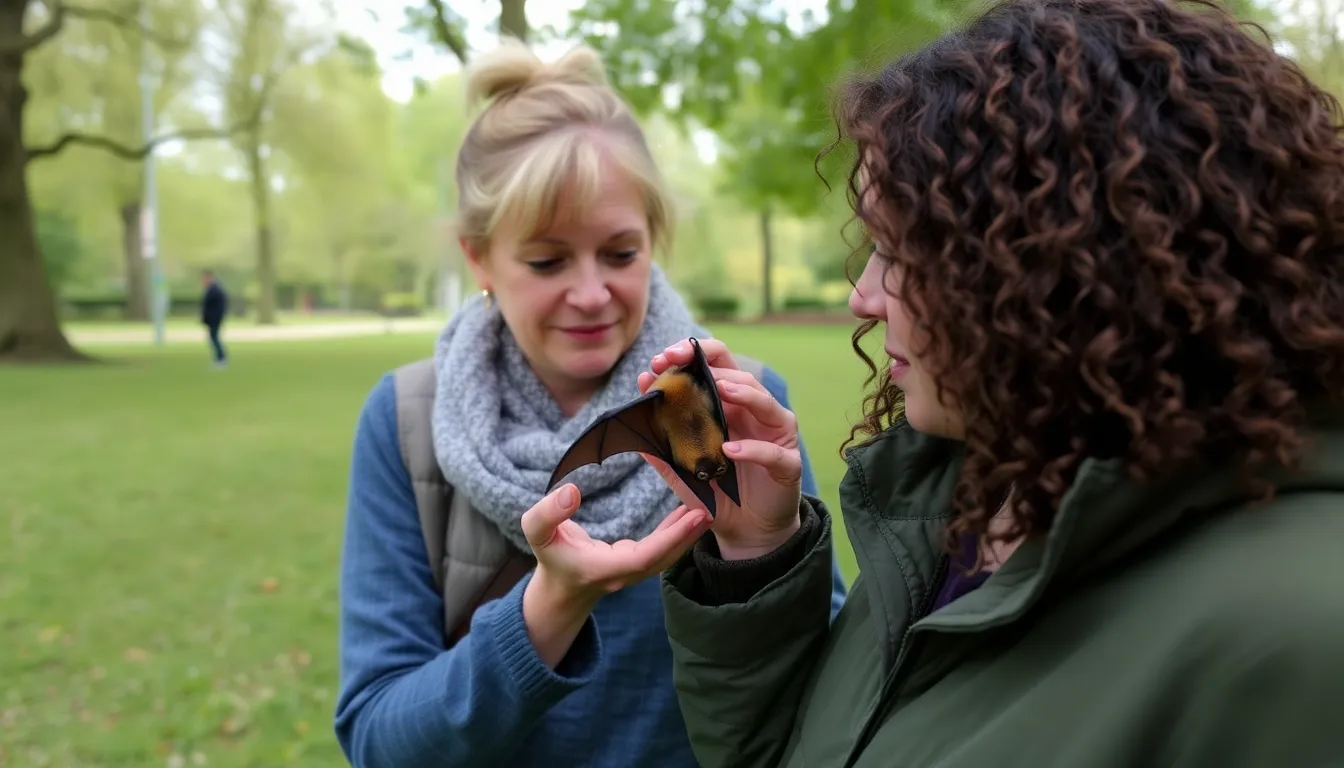
In the UK, the late 20th century marked a turning point for bat conservation. The introduction of the Wildlife and Countryside Act in 1981 provided legal protection for all bat species, recognizing their role in pest control and pollination. This legislation was a response to declining bat populations due to habitat destruction, pesticide use, and the loss of roosting sites. As urban areas expanded, the need for effective conservation strategies became increasingly urgent.
Key milestones in bat conservation
One of the critical milestones in bat conservation was the establishment of the Bat Conservation Trust (BCT) in 1991, which aimed to promote the study and protection of bats across the UK. The BCT has played a pivotal role in raising public awareness, providing resources for bat surveys, and advocating for policies that support bat-friendly urban planning. Additionally, the introduction of the Biodiversity Action Plan in 1994 further emphasized the need to protect bat habitats and monitor populations.
Recent years have seen a surge in community-led conservation efforts, where local residents engage in bat monitoring and habitat restoration projects. These initiatives not only contribute to the conservation of bats but also foster a sense of community and environmental stewardship. The rise of citizen science programs has enabled individuals to participate actively in data collection, helping researchers understand bat behavior and distribution in urban settings.
As urbanization continues to encroach upon natural habitats, the challenge remains to balance development with conservation. The story of the Bat Woman of North London highlights the ongoing efforts of individuals who dedicate their lives to protecting these elusive creatures, illustrating the profound connection between urban residents and the wildlife that shares their environment.
Key stakeholders in bat conservation and their roles
In the context of bat conservation in North London, several key stakeholders play significant roles. These include local wildlife organizations, government bodies, researchers, and the community. Each of these actors has distinct interests that contribute to the broader conservation efforts.

Local wildlife organizations, such as the Bat Conservation Trust, are dedicated to the protection of bat species and their habitats. Their primary interest lies in raising awareness and advocating for policies that support bat conservation. They often engage in educational programs to inform the public about the ecological importance of bats and the threats they face.
Government bodies, including local councils and environmental agencies, are responsible for enforcing wildlife protection laws and managing land use. Their interests often involve balancing conservation efforts with urban development and economic growth. This can lead to conflicts when development projects threaten bat habitats.
Researchers and academics contribute to the understanding of bat ecology and behavior. Their work is crucial in identifying key issues such as habitat loss, disease, and climate change impacts on bat populations. However, their findings may sometimes challenge existing policies or highlight the need for more stringent protections, leading to potential tensions with stakeholders focused on economic development.
- Urban Development vs. Conservation: The push for new housing and infrastructure can encroach on bat habitats.
- Public Awareness: Increasing community engagement is essential for successful conservation efforts.
- Legal Protections: Existing laws may need updates to better protect bat species in changing environments.
- Research Funding: Adequate funding for bat research is critical to inform conservation strategies.
- Climate Change: Addressing the impacts of climate change on bat populations is a growing concern.
The impact of bat conservation on local ecosystems and communities
The conservation efforts surrounding the bat population in North London have far-reaching implications for various groups, including local residents, environmental organizations, and businesses within the tourism and agricultural sectors. As these initiatives gain momentum, the positive and negative impacts on daily life and local economies are becoming increasingly evident.
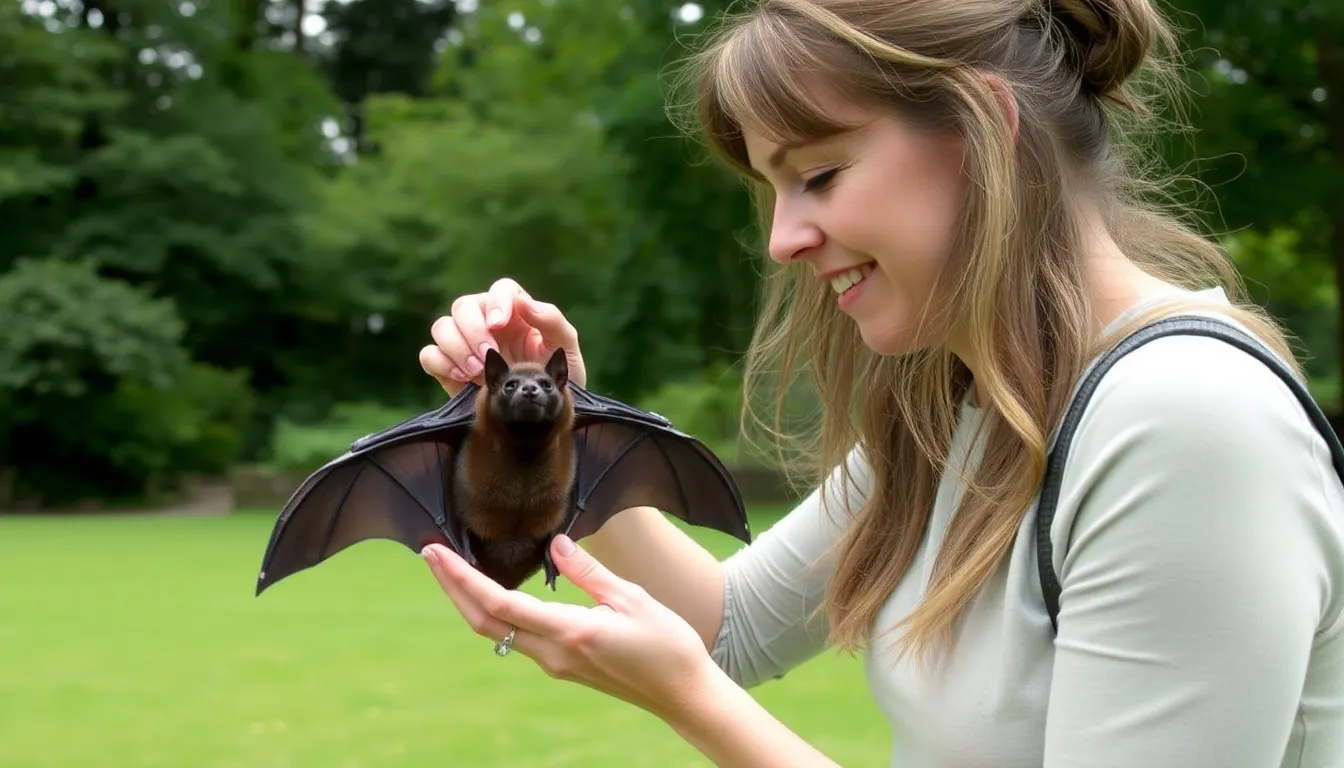
In the short term, residents may experience changes in their immediate environment as bat habitats are preserved and enhanced. This could lead to improved biodiversity, which benefits local ecosystems. However, there may also be restrictions on land use and development, leading to potential frustration among property developers and homeowners who wish to modify their properties.
In the mid-term, businesses that rely on outdoor activities, such as ecotourism and nature walks, could see a boost in patronage as awareness of bat conservation grows. This presents an opportunity for local economies to capitalize on increased interest in wildlife and environmental education. Conversely, industries such as agriculture may face challenges due to the need for sustainable practices that align with conservation efforts, potentially increasing operational costs.
- Positive impacts: Enhanced biodiversity and ecosystem health.
- Economic opportunities: Growth in ecotourism and related industries.
- Challenges: Restrictions on land use affecting development projects.
- Increased awareness: Greater community engagement in conservation efforts.
- Potential risks: Strain on agricultural practices and increased costs.
Ultimately, the interplay between bat conservation and community interests highlights the need for balanced approaches that consider both environmental sustainability and economic viability. The ongoing dialogue among stakeholders will be crucial in shaping policies that protect these vital species while also supporting local livelihoods.
A: Bats play a crucial role in pest control, pollination, and seed dispersal, contributing to the health of ecosystems. A: You can help by creating bat-friendly habitats, supporting local conservation organizations, and spreading awareness about their importance. A: Bats face threats from habitat loss, pollution, and climate change, which can significantly impact their populations. A: Yes, North London is home to several bat species, including the common pipistrelle and the noctule bat, each with unique behaviors and habitats. A: Observing bats can be done safely by using bat detectors during dusk or dawn and maintaining a respectful distance from their roosting sites.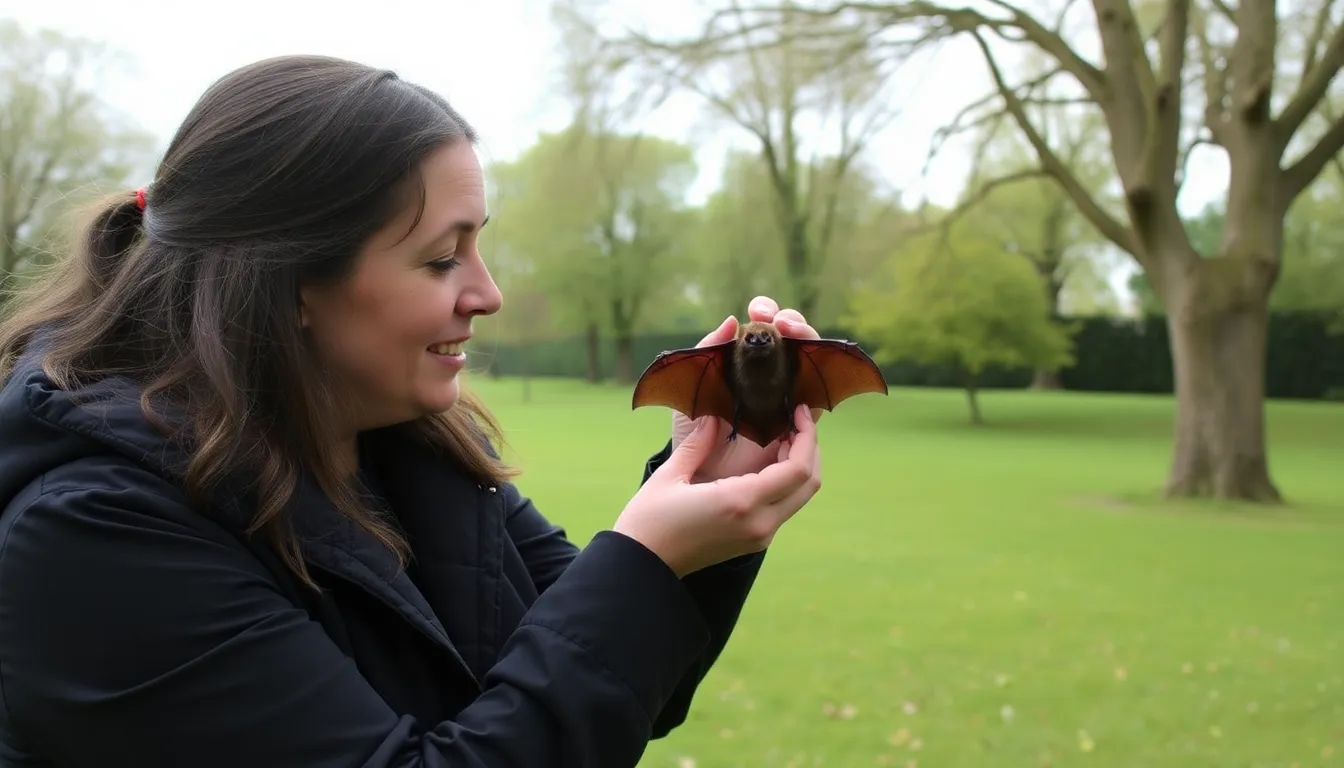
Frequently asked questions about bats and conservation
Key insights and future outlook on bat conservation efforts
The story of the Bat Woman of North London sheds light on the intricate relationship between urban environments and wildlife conservation. As urbanization continues to encroach on natural habitats, the efforts of individuals like her are crucial in fostering awareness and promoting the importance of biodiversity. The unique experiences of observing bats in their natural behaviors not only enrich our understanding of these creatures but also highlight the need for sustainable practices in urban planning.
Looking ahead, the integration of bat conservation into community initiatives could pave the way for a more harmonious coexistence between humans and wildlife. Engaging local populations in conservation efforts can lead to innovative solutions and a greater appreciation for the ecological roles that bats play.
- Community Engagement: Initiatives that involve local residents in bat conservation can enhance awareness and foster a sense of responsibility towards wildlife.
- Urban Planning: Future city developments should consider wildlife corridors and habitats to support bat populations and other wildlife.
- Research Opportunities: Continued research into bat behaviors and their ecological contributions can inform better conservation strategies.
- Public Education: Educational programs about the benefits of bats can help dispel myths and encourage protective measures.