


The Artemis II crew consists of four astronauts: NASA’s Reid Wiseman, Victor Glover, and Christina Koch, along with Canadian Space Agency’s Jeremy Hansen. These astronauts bring a wealth of experience and expertise to the mission, with Koch being the first woman to participate in a lunar mission. Their journey will include a flyby of the Moon, testing the Orion spacecraft’s systems and capabilities, which are essential components of the Artemis program.
As preparations continue, NASA is conducting various tests and simulations to ensure the success of the mission. This includes evaluating the spacecraft’s performance and the astronauts’ training. The Artemis program aims not only to explore the Moon but also to set the stage for future missions to Mars and beyond.
The Artemis II mission is crucial for demonstrating the technologies and systems required for sustained human presence on the lunar surface. With the launch date approaching, NASA emphasizes the importance of international collaboration and partnerships in achieving its ambitious goals in space exploration.
Understanding the significance of the Artemis program
The Artemis program represents NASA’s ambitious return to the Moon, aiming to establish a sustainable human presence there by the end of the decade. This initiative is not just about exploration; it is a critical step in preparing for future missions to Mars. The program is named after Artemis, the twin sister of Apollo, symbolizing a new era of lunar exploration that builds on the legacy of the Apollo missions from the 1960s and 70s.
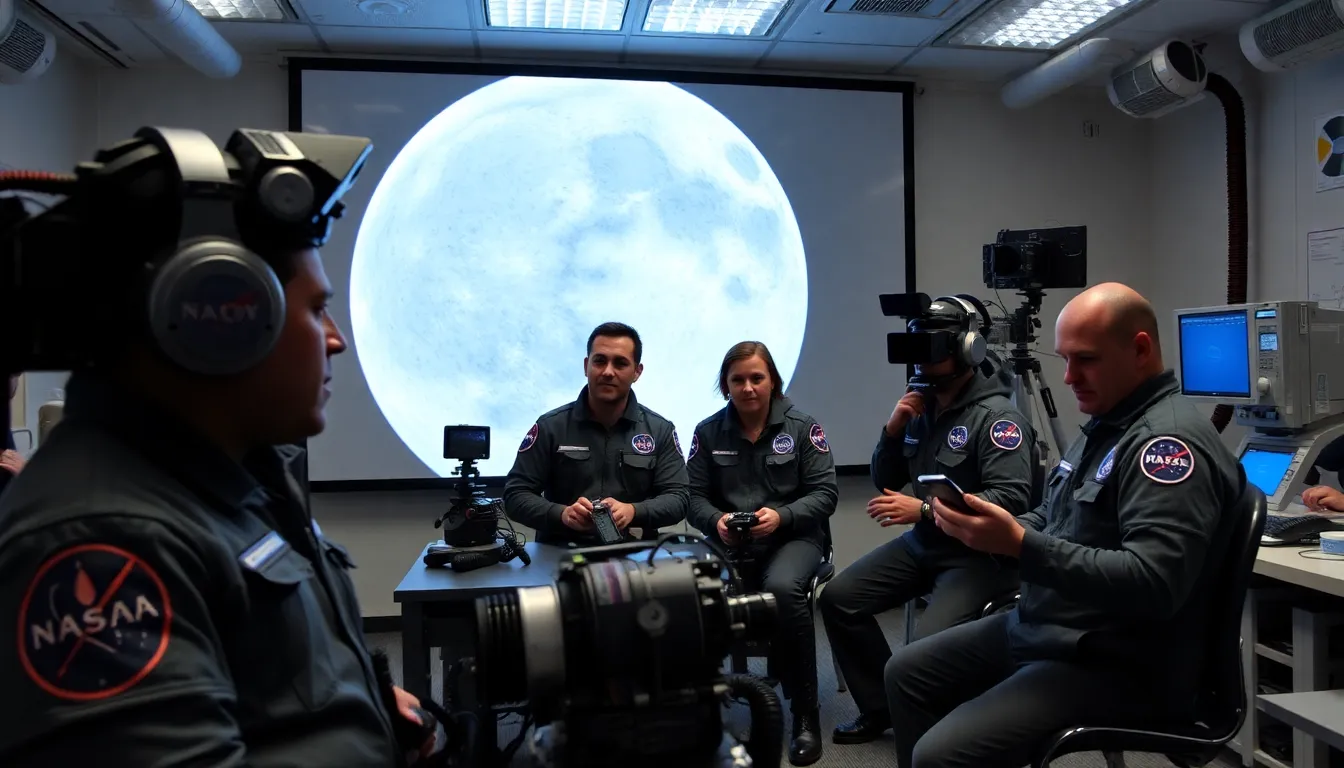
The historical context of lunar exploration dates back to the Cold War, when the Space Race was a significant aspect of U.S.-Soviet rivalry. The Apollo 11 mission in 1969 marked the first time humans set foot on the Moon, a feat that showcased American ingenuity and technological prowess. However, after Apollo, lunar missions dwindled, and the focus shifted toward other priorities, including the development of the Space Shuttle and the International Space Station, which are part of NASA’s evolving space exploration strategies.
In recent years, renewed interest in the Moon has emerged, driven by advancements in technology, international collaboration, and the potential for economic opportunities in lunar resources. The Artemis program is not only a U.S. endeavor; it involves partnerships with various countries and private companies, reflecting a global approach to space exploration. This collaboration is essential for sharing costs, expertise, and the vision of a sustainable human presence beyond Earth.
Key milestones leading to Artemis II
The Artemis program has already achieved significant milestones, including the successful launch of the Artemis I mission, which tested the Space Launch System (SLS) and the Orion spacecraft without a crew on board. Following this, Artemis II will mark the first crewed mission of the program, set to launch in the coming years. This mission aims to take astronauts on a journey around the Moon, testing systems and preparing for future lunar landings, integral to the overarching goals of sustainable lunar exploration.
Key stakeholders and the importance of the Artemis II crew
The Artemis II mission, part of NASA’s ambitious plan to return humans to the Moon, involves various stakeholders, each with distinct interests and objectives. Key players include NASA, the U.S. government, international space agencies, private aerospace companies, and the scientific community. Understanding their roles is crucial in assessing the broader implications of this mission.
NASA serves as the primary agency responsible for the Artemis program, aiming to demonstrate sustainable lunar exploration and prepare for future missions to Mars. The U.S. government supports this initiative not only for scientific advancement but also for fostering international cooperation and maintaining leadership in space exploration. Additionally, the success of Artemis II could bolster political support for future funding.
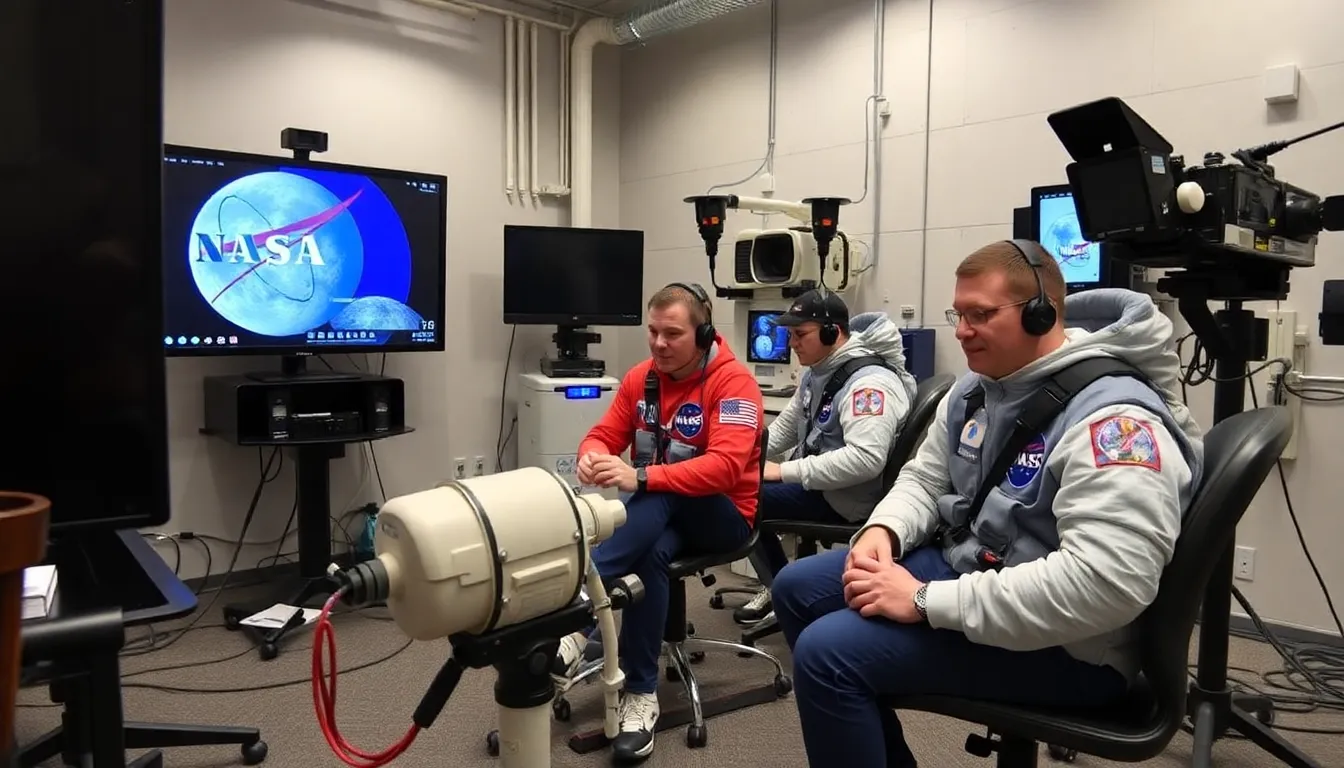
International partners, such as the European Space Agency (ESA) and the Canadian Space Agency (CSA), play significant roles in the mission. Their involvement underscores the collaborative nature of modern space exploration, where shared resources and expertise can lead to more successful outcomes. However, differing national priorities can sometimes create tensions regarding resource allocation and mission objectives.
Private aerospace companies, including SpaceX and Boeing, are also integral stakeholders. Their participation in the Artemis program reflects a growing trend towards public-private partnerships in space exploration. While these collaborations can enhance innovation and reduce costs, they may also lead to conflicts over intellectual property and profit-sharing arrangements.
- Funding and budget constraints: The financial backing from the government is essential for the success of the Artemis II mission, with potential trade-offs in budget allocations for other scientific endeavors.
- Technological advancements: The mission could accelerate developments in space technology, benefiting both governmental and commercial sectors.
- International collaboration: The involvement of multiple countries may enhance diplomatic relations but could also lead to disagreements over mission priorities.
- Public interest and support: The Artemis II crew’s composition and mission success could significantly influence public perception and support for future space initiatives.
In summary, the Artemis II mission encapsulates a complex interplay of interests among various stakeholders, each navigating their objectives while contributing to a shared vision of lunar exploration and beyond. The outcomes of this mission could have lasting implications for space policy, international relations, and technological progress.
How the mission will influence space exploration and technology
The Artemis II mission, as part of NASA’s broader Artemis program, is set to significantly impact various groups and industries involved in space exploration and technology. The mission’s launch will not only inspire the next generation of scientists and engineers but also bolster the economy surrounding the aerospace sector. Key stakeholders include government agencies, private aerospace companies, educational institutions, and international partners.
In the short term, the mission will create a surge in demand for skilled labor in the aerospace industry, leading to job creation in engineering, manufacturing, and research. This demand will particularly benefit regions with established aerospace hubs, such as Florida, Texas, and California. Local economies are expected to experience a boost as businesses cater to the influx of workers and visitors associated with the launch.
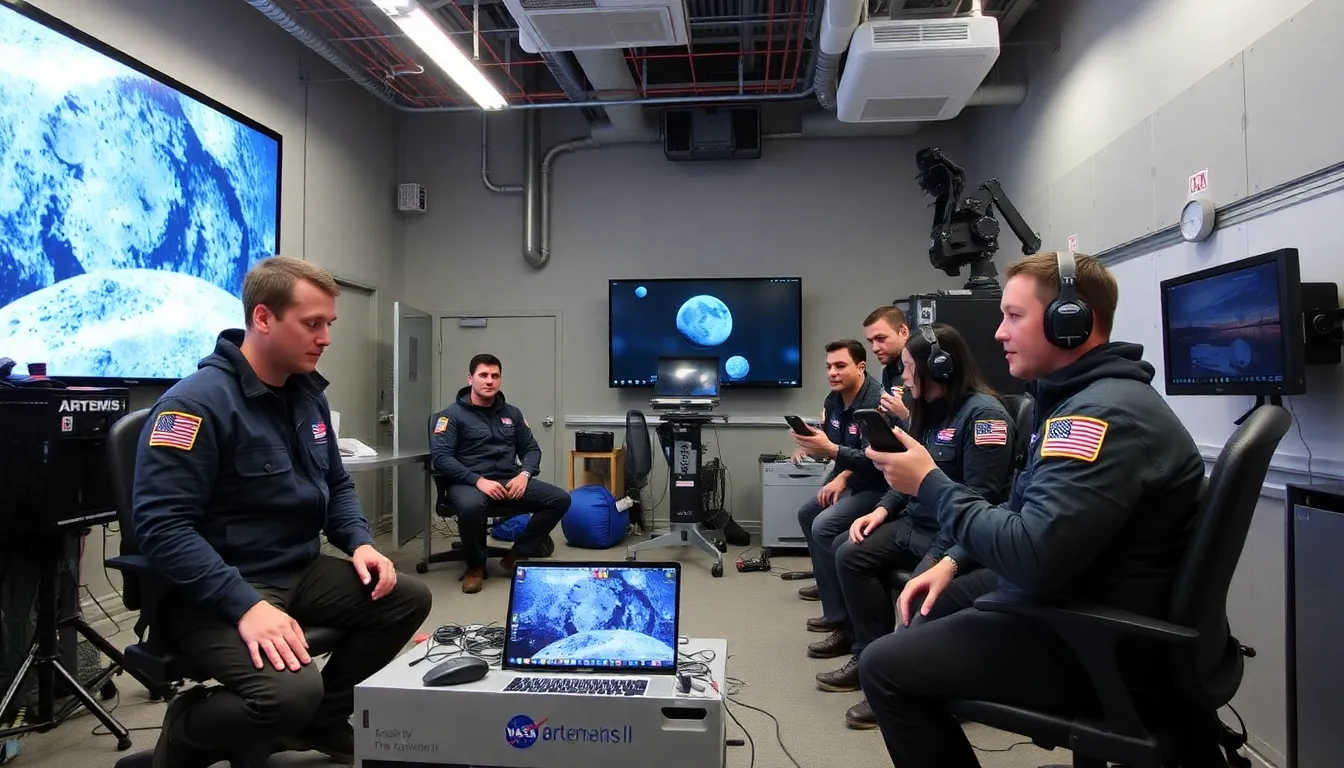
Mid-term impacts could include advancements in technology that arise from the mission, which may spill over into other industries. Innovations in materials science, robotics, and telecommunications developed for Artemis II could find applications in sectors such as healthcare, automotive, and renewable energy. Furthermore, successful execution of the mission may lead to increased funding and support for future space exploration initiatives, fostering a more robust space economy.
- Job creation: Increased demand for skilled professionals in aerospace and related fields.
- Economic boost: Local economies benefiting from tourism and related services during the mission.
- Technological advancements: Innovations that could enhance various industries beyond space exploration.
- International collaboration: Opportunities for partnerships with other countries in space exploration efforts.
While the Artemis II mission presents numerous opportunities, there are also risks involved. The potential for delays or budget overruns could impact public perception and support for future missions. Additionally, the environmental impact of rocket launches and the associated carbon footprint are concerns that may lead to increased scrutiny from policymakers and the public.
A: The NASA Moon mission is set to launch on November 2024, marking a significant milestone in lunar exploration. A: The Artemis II crew consists of four astronauts, including a mix of seasoned space travelers and newcomers to the lunar mission. A: The goal of the Artemis II mission is to conduct a crewed flight around the Moon and test systems for future lunar landings. A: Unlike previous missions, Artemis II will be the first to carry astronauts beyond low Earth orbit since the Apollo program. A: The mission will test new spacecraft technologies, including the Orion spacecraft and the Space Launch System rocket.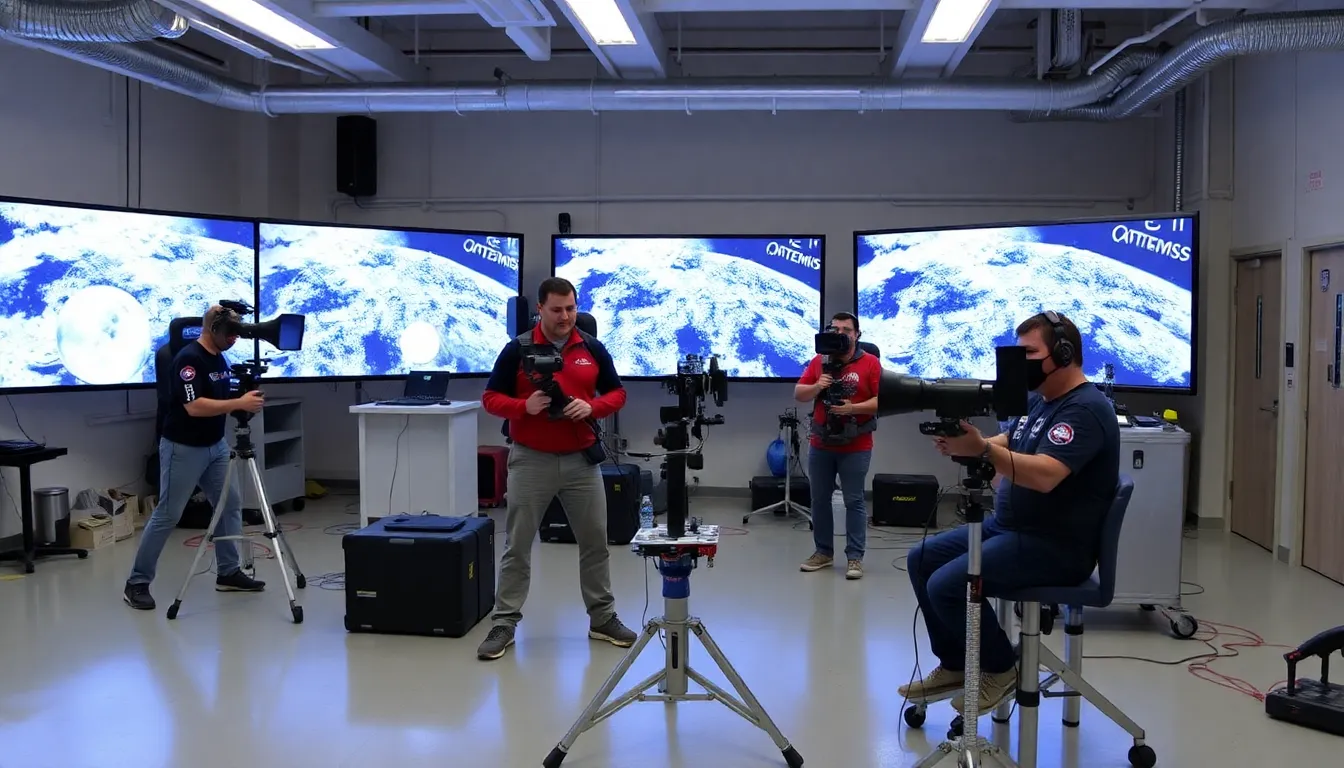
Frequently asked questions about the Artemis II mission
Looking ahead to the future of lunar exploration
The Artemis II mission represents a significant step in NASA’s ambitious plans for lunar exploration and beyond. As the first crewed mission in the Artemis program, it not only aims to test critical technologies needed for future lunar landings but also paves the way for sustained human presence on the Moon. The selection of a diverse and skilled crew underscores NASA’s commitment to inclusivity and collaboration in space exploration.
As we look to the future, the implications of this mission extend far beyond the Moon. The insights gained from Artemis II will inform subsequent missions, including the planned lunar base and potential Mars exploration. Observers should pay close attention to the mission’s outcomes, as they will shape the trajectory of human spaceflight for years to come.
- The success of Artemis II will enhance international partnerships in space exploration, fostering collaboration among nations.
- Technological advancements tested during the mission could lead to innovations applicable in various fields on Earth.
- Public interest in lunar exploration may increase, potentially influencing funding and support for future missions.
- The mission’s crew dynamics and experiences will provide valuable insights into the psychological and social aspects of long-duration spaceflight.
- Data collected during Artemis II will be crucial for planning sustainable lunar habitats and preparing for future Mars missions.