


The proposed expansion will increase the stadium’s capacity by nearly 10,000 seats, allowing Leeds United to accommodate more fans during home matches. This decision comes at a time when the club is looking to bolster its presence in the Premier League and improve its financial standing. For more on the club’s ambitions, you can read our article on how clubs like Manchester City have transformed their stadiums.
Local officials have expressed their support for the project, highlighting its potential to boost the local economy through increased matchday revenue and tourism. The construction is set to begin in early 2024, with an expected completion date in time for the 2025-2026 season. This timeline aims to minimize disruptions for the club and its supporters during the ongoing football seasons.
In addition to the increased seating capacity, the expansion plans include enhanced facilities for fans, including improved hospitality options and accessibility features. This focus on fan experience reflects the club’s commitment to creating a welcoming environment for all attendees. The project is anticipated to further solidify Leeds United’s status as a key player in English football.
Understanding the significance of Elland Road in Leeds United’s history
Elland Road has been the home of Leeds United since the club’s formation in 1919, making it a cornerstone of the club’s identity and a symbol of pride for its supporters. Over the decades, the stadium has witnessed numerous highs and lows, from the club’s glory days in the 1970s, when they won multiple league titles and reached the European Cup final, to the struggles of relegation and financial turmoil in the early 2000s. The stadium itself has evolved, with expansions and renovations reflecting the changing needs of the club and its fanbase.
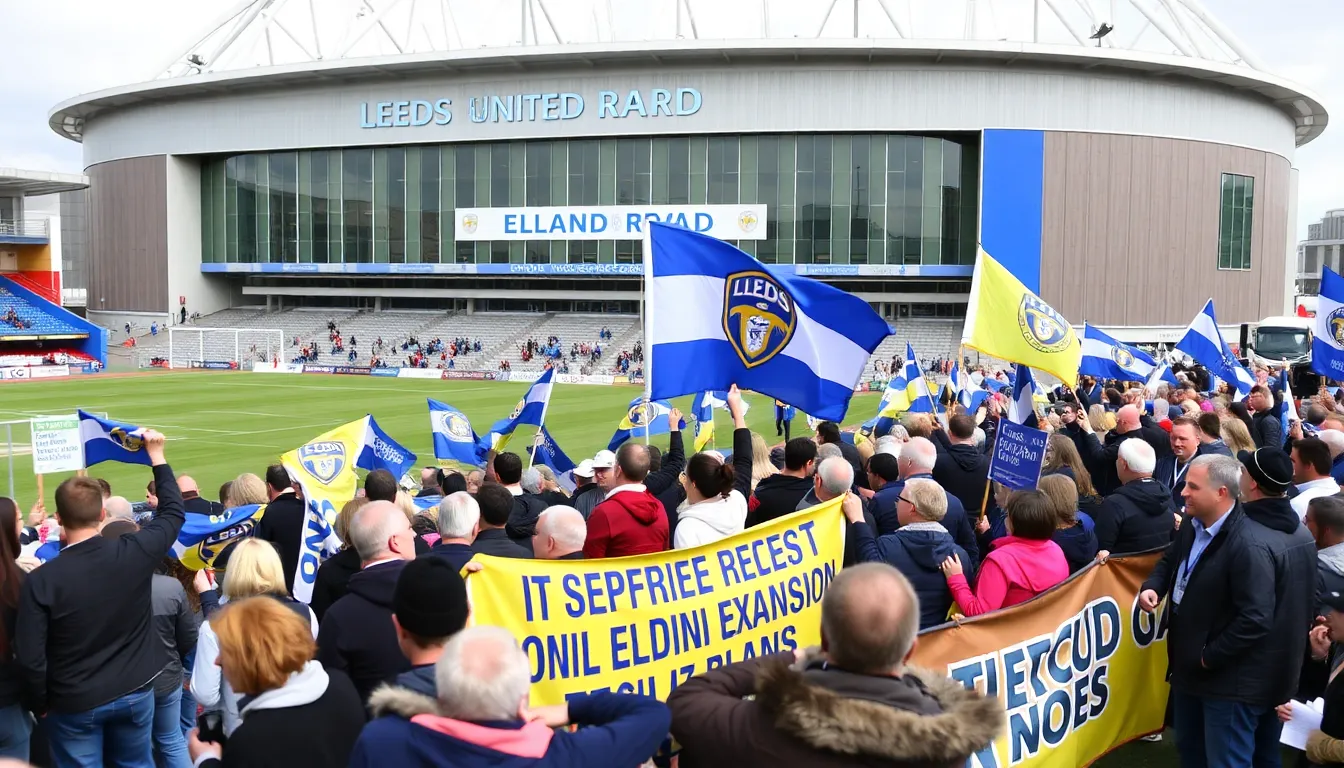
The recent approval for the expansion of Elland Road marks a significant milestone in the club’s history, as it aims to increase the stadium’s capacity and modernize facilities. This decision comes in the context of a broader trend in English football, where clubs are investing heavily in their infrastructures to enhance the matchday experience and generate additional revenue. You can learn about similar expansions in our piece on Tottenham Hotspur’s redevelopment.
Historical Context of Stadium Expansions
Historically, stadium expansions have often been driven by both on-field success and off-field economic considerations. For instance, clubs like Manchester City and Tottenham Hotspur have undertaken significant redevelopment projects that have transformed their stadiums into state-of-the-art venues. Leeds United’s decision to expand Elland Road reflects a similar ambition, aiming to position the club as a competitive force in the Premier League while also addressing the growing demand from fans.
In addition to economic factors, the social aspect of community and fan engagement plays a crucial role in the expansion plans. Leeds United has a passionate fanbase, and the club’s leadership understands the importance of fostering a strong connection with supporters. By expanding Elland Road, the club aims to create a more inclusive environment that welcomes families and enhances the overall matchday atmosphere, ensuring that every fan feels at home.
As the approval for the expansion moves forward, it is essential to consider the implications for the local economy as well. Increased capacity at Elland Road is expected to boost local businesses on match days and create job opportunities during the construction phase and beyond. This development aligns with Leeds United’s broader vision of being a pivotal player in the revitalization of the surrounding area, contributing to the city’s growth and development.
Key stakeholders involved in the Elland Road expansion project
The recent approval for the expansion of Leeds United’s Elland Road stadium has brought various stakeholders into the spotlight, each with distinct interests and concerns. Key actors include the club’s management, local government authorities, fans, and residents of the surrounding area. Understanding their motivations is crucial for grasping the broader implications of this development.

Leeds United’s management, led by its ownership group, is primarily focused on enhancing the club’s revenue streams through increased matchday capacity and improved facilities. This expansion is expected to not only bolster the club’s financial stability but also elevate its status in the Premier League and beyond. However, this ambition is not without its challenges, as it must align with community interests and regulatory requirements.
Local government authorities play a significant role in the approval process, balancing the economic benefits of the expansion against potential disruptions to the neighborhood. The expansion is anticipated to create jobs and stimulate local business, yet it also raises concerns about traffic congestion and the impact on local residents. The council’s decision reflects a trade-off between economic development and community welfare.
- Community Impact: Residents are concerned about noise, traffic, and the overall impact on their quality of life during and after construction.
- Financial Considerations: The project requires significant investment, and stakeholders must consider the return on investment in terms of increased revenue versus potential costs.
- Regulatory Compliance: The expansion must adhere to zoning laws and environmental regulations, which could pose legal challenges if not properly managed.
Fans of Leeds United are another critical stakeholder group, whose support is vital for the club’s success. While many fans welcome the expansion for the promise of better facilities and increased capacity, there are concerns regarding ticket prices and accessibility. The club must navigate these sentiments to maintain a loyal fanbase while pursuing its financial goals.
Potential impacts of the stadium expansion on fans and the local economy
The approval of Leeds United’s Elland Road expansion is set to have significant implications for various groups, including fans, local businesses, and the broader community. As the stadium capacity increases, it will not only enhance the matchday experience for supporters but also contribute to the economic vibrancy of the surrounding area.
In the short term, fans can expect improved facilities and an enhanced atmosphere during home matches. This expansion may also attract more visitors from outside the region, boosting local hospitality, retail, and transport sectors. Increased foot traffic on match days could lead to higher revenue for local pubs, restaurants, and shops.

However, there are risks associated with this expansion. Construction disruptions may temporarily impact local businesses and traffic patterns. Additionally, if the increased capacity does not translate into higher attendance or if the team underperforms, the anticipated economic benefits may not materialize as expected.
In the mid-term, the expansion could create opportunities for job creation within the local economy, ranging from construction jobs to permanent positions in stadium operations and hospitality. The presence of a larger stadium may also encourage further investment in the area, leading to new developments and amenities.
- Increased matchday attendance and tourism
- Enhanced local business opportunities
- Job creation in various sectors
- Potential traffic and construction-related disruptions
- Long-term investment in community infrastructure
Overall, the expansion of Elland Road presents a unique opportunity to revitalize the local economy while also posing challenges that must be navigated carefully to ensure that the benefits are maximized for all stakeholders involved.
A: The expansion aims to increase the stadium’s capacity to approximately 50,000 seats, enhancing the matchday experience for fans. A: Construction is anticipated to begin in early 2024, with completion expected by the start of the 2025 season. A: While ticket prices may see adjustments, the club aims to keep them affordable to ensure accessibility for all fans. A: Yes, the expansion will include upgraded facilities such as new hospitality areas, improved concourses, and enhanced fan zones. A: The project is expected to create jobs and stimulate the local economy by attracting more visitors to the area.
Frequently asked questions about the Elland Road expansion
Looking ahead: What the Elland Road expansion means for Leeds United
The recent approval for the expansion of Elland Road marks a significant milestone for Leeds United, offering both immediate benefits and long-term potential for the club. This development not only aims to enhance the matchday experience for fans but also positions Leeds United to compete more effectively in the increasingly competitive landscape of English football. As the club prepares for this transformation, several implications emerge that could shape its future trajectory.
Increased capacity and improved facilities will likely attract a larger fan base, contributing to higher matchday revenues and enhanced commercial opportunities. Moreover, the expansion can serve as a catalyst for community engagement, strengthening the club’s ties with local supporters and businesses. As Leeds United embarks on this journey, monitoring the progress and outcomes of the expansion will be essential for understanding its impact on the club’s ambitions.
- Increased Revenue Potential: A larger stadium capacity could lead to higher ticket sales and improved matchday income.
- Enhanced Fan Experience: Upgraded facilities may attract more fans and improve overall satisfaction during matches.
- Community Engagement: The expansion could foster stronger relationships with local businesses and supporters, enhancing the club’s community presence.
- Competitive Edge: Improved infrastructure may help Leeds United attract better talent and compete more effectively in the Premier League.
- Long-term Vision: This expansion aligns with the club’s broader strategy for growth and sustainability in the years to come.