


The launch of these light therapy boxes is a collaborative project involving the Northern Ireland Libraries and local health organizations. By providing access to these resources, officials aim to promote mental wellness and encourage individuals to take proactive steps in managing their mental health.
Each library is equipped with user-friendly light therapy boxes that emit bright light, mimicking natural sunlight. Users are encouraged to spend a few minutes each day using the boxes, which can help improve mood and energy levels, especially during the winter months when daylight is limited.
This initiative is significant not only for its immediate benefits but also for raising awareness about mental health issues in the community. By making light therapy accessible to everyone, Northern Ireland aims to foster a supportive environment where individuals can seek help and resources for their mental health needs.
Understanding the need for light therapy in Northern Ireland
In recent years, the importance of mental health has gained significant recognition across the globe, and Northern Ireland is no exception. The region has faced unique social and political challenges, particularly in the aftermath of the Troubles, which have contributed to a legacy of mental health issues among its population. The introduction of light therapy boxes in all libraries serves as a proactive response to these challenges, aiming to improve mental well-being through accessible therapeutic solutions.

Recognizing the need for effective interventions, health authorities and community organizations have increasingly advocated for the implementation of light therapy as a viable treatment option, particularly for Seasonal Affective Disorder (SAD).
The Role of Libraries as Community Hubs
Libraries in Northern Ireland have long served as essential community hubs, providing not only access to books but also a range of services that cater to the needs of local residents. By placing light therapy boxes in these libraries, the initiative leverages existing infrastructure to promote mental health awareness and support. This move aligns with a growing trend of integrating wellness initiatives into public spaces, highlighting the role of libraries as safe and supportive environments for individuals seeking help.
By investing in preventative measures such as light therapy, Northern Ireland aims to reduce these costs in the long term while improving the quality of life for its residents, reflecting a broader commitment to mental health that has been gaining traction in recent years.
In summary, the decision to place light therapy boxes in all libraries in Northern Ireland is a multifaceted response to historical, social, and economic factors. By addressing the mental health needs of the community in an innovative and accessible way, this initiative represents a significant step forward in promoting well-being and resilience among the population.
Exploring the stakeholders involved in the light therapy initiative
The initiative to place light therapy boxes in all Northern Ireland (NI) libraries involves a variety of stakeholders, each with distinct interests and potential impacts. Key actors include government agencies, public health organizations, library services, and the community at large. Understanding their motivations and concerns is crucial for a comprehensive analysis of this program.
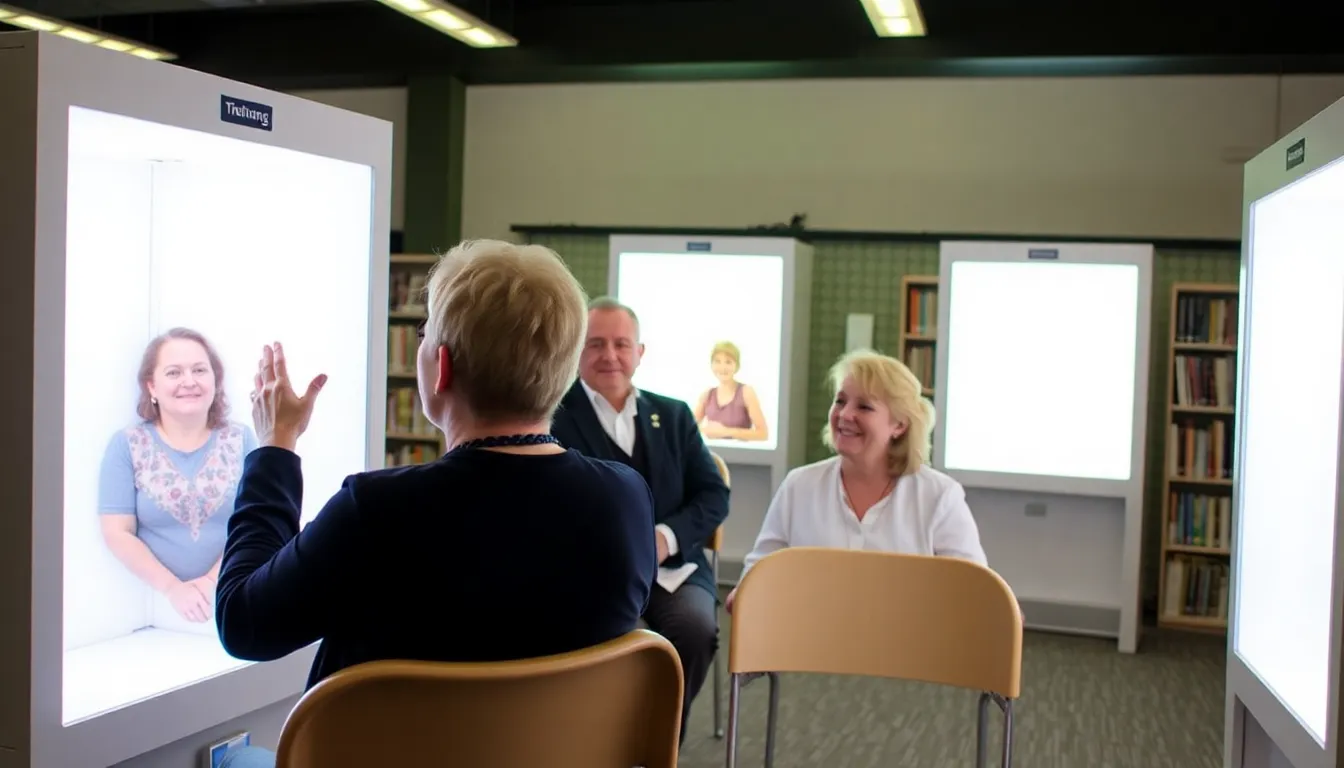
The Northern Ireland Executive, particularly the Department of Health, is a primary stakeholder. Their interest lies in addressing mental health issues, particularly Seasonal Affective Disorder (SAD), which affects many in the region during the darker months. By endorsing this initiative, they aim to promote mental well-being and reduce healthcare costs associated with untreated mental health conditions.
Public libraries, as the venues for the light therapy boxes, also have a vested interest. They seek to enhance their services and attract more visitors. However, they must balance this initiative with existing resources and the potential need for staff training to manage the equipment and assist users effectively.
- Community Health Organizations: These groups may support the initiative for its potential health benefits but could raise concerns about accessibility and the effectiveness of light therapy.
- Local Government: They must consider the economic implications, such as funding for the boxes and ongoing maintenance costs, while also weighing public demand for such services.
- Users: The community members who will utilize the therapy boxes represent a diverse group, with varying levels of awareness about light therapy and its benefits.
Conflicts may arise between stakeholders regarding funding and resource allocation. For instance, while the Department of Health may advocate for widespread implementation, local governments might face budget constraints that limit their ability to support the initiative fully. Additionally, there may be legal considerations regarding liability and user safety when operating light therapy equipment in public spaces.
The potential benefits for library users and the community
The introduction of light therapy boxes in all Northern Ireland libraries is set to positively impact various groups, particularly those affected by Seasonal Affective Disorder (SAD) and other mood-related conditions. This initiative will directly benefit library users who may struggle with mental health issues during the darker months, providing them with an accessible resource to improve their well-being.
Additionally, communities around the libraries will experience a ripple effect. Local businesses may see increased foot traffic as more individuals visit libraries not only to use the therapy boxes but also to engage with other services and programs offered. This can lead to a revitalization of local economies, especially in areas that may have been underserved.

In the short term, the immediate impact on daily life will be noticeable as individuals begin to integrate light therapy into their routines. People may find it easier to manage their moods, leading to improved productivity and social interaction. In the mid-term, libraries may evolve into community wellness hubs, influencing local policy to prioritize mental health resources in public spaces.
- Increased access to mental health resources
- Boost in local business activity
- Potential changes in community health policies
However, there are risks associated with this initiative. The effectiveness of light therapy can vary among individuals, and there may be concerns about the proper usage and safety of the equipment. Libraries will need to ensure proper training and guidelines are established to maximize benefits while minimizing risks.
On the other hand, this initiative presents opportunities for partnerships between libraries and mental health organizations. Collaborative programs can be developed to educate the public about mental health, further enhancing the role of libraries as community support centers. Overall, the introduction of light therapy boxes has the potential to create a more supportive environment for mental health across Northern Ireland.
A: Light therapy boxes are devices that emit bright light to help alleviate symptoms of seasonal affective disorder and improve mood. They are designed to mimic natural sunlight. A: Users can simply visit their local library and reserve a time to use the light therapy box. Staff will provide guidance on how to use it effectively. A: Light therapy is generally considered safe, but some individuals may experience mild side effects such as eye strain or headaches. It’s advisable to consult a healthcare provider if you have concerns. A: Most recommendations suggest using the light therapy box for about 20 to 30 minutes each day, preferably in the morning for optimal results. A: No, the use of light therapy boxes in Northern Ireland libraries is free for all patrons.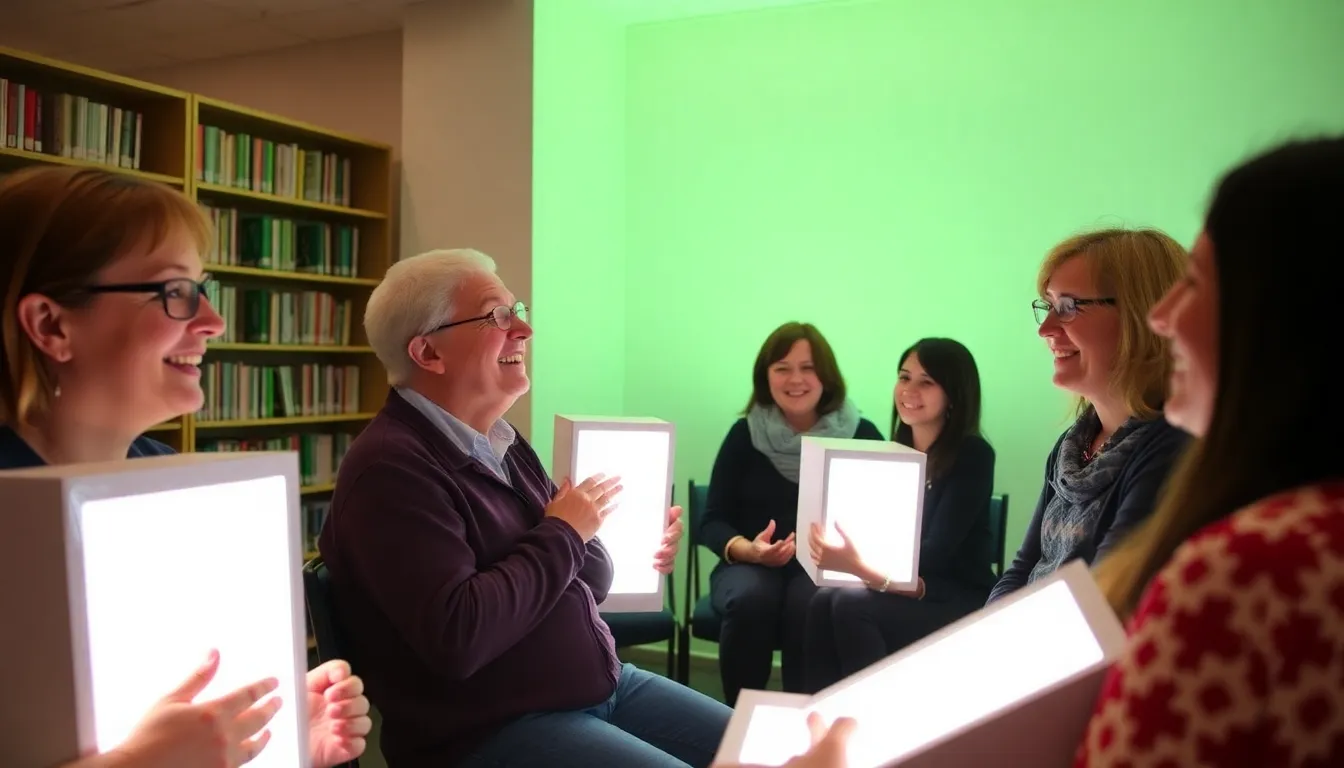
Frequently asked questions about light therapy boxes
Looking ahead: the future of light therapy in libraries
The introduction of light therapy boxes in all Northern Ireland libraries marks a significant step towards promoting mental well-being and enhancing community resources. As public spaces increasingly cater to mental health needs, this initiative not only provides immediate benefits to patrons but also sets a precedent for similar programs in other regions. The integration of light therapy in libraries could reshape the way communities approach mental health support, encouraging a culture of openness and proactive care.
In the coming months, it will be essential to monitor how these light therapy boxes are utilized and their impact on library visitors. The success of this initiative could lead to expanded offerings and partnerships with mental health organizations, further enriching the services provided by libraries as vital community hubs.
- Increased awareness of mental health resources may lead to higher library attendance and engagement.
- Potential partnerships with mental health professionals could enhance the effectiveness of the light therapy program.
- Feedback from users will be crucial in refining the implementation and ensuring accessibility for all community members.
- Future expansions of this model could include mobile light therapy units for outreach in underserved areas.
- Monitoring the long-term effects on users’ mental health will provide valuable data for future initiatives.