


In 2023, various municipalities across the United States have initiated programs encouraging residents to recycle their trees. For instance, cities like San Francisco and New York have set up designated drop-off locations where trees can be collected and repurposed into mulch or compost. These efforts are part of a broader push to reduce landfill waste and promote sustainable practices, contributing to a larger conversation about environmental responsibility.
Moreover, several non-profit organizations have emerged, offering innovative solutions for tree reuse. Some groups have started initiatives that turn discarded trees into habitat for local wildlife or use them in erosion control projects along coastlines. These efforts highlight the potential for Christmas trees to contribute positively to the environment beyond their initial use.
The rise in tree repurposing also reflects a cultural shift towards sustainability and mindfulness in consumer behavior. As awareness of climate change grows, more individuals are seeking ways to minimize their ecological footprint, even during festive seasons. This change in perspective is encouraging families to think critically about their holiday traditions and their impact on the planet.
Understanding the environmental impact of Christmas tree disposal
Each holiday season, millions of Christmas trees are purchased and displayed in homes across the globe. However, once the festivities conclude, the fate of these trees often leads to significant environmental concerns. Historically, the disposal of Christmas trees has been a largely overlooked issue, with many trees ending up in landfills, where they contribute to methane emissions as they decompose. This issue has spurred interest in how recycling initiatives, similar to community-focused programs, can be implemented to address these concerns.

In the early 2000s, environmental awareness began to rise, prompting communities to seek more sustainable alternatives for tree disposal. Municipalities started implementing recycling programs, allowing residents to drop off their trees for chipping or composting. This shift marked a pivotal moment in the conversation around Christmas tree sustainability, highlighting the need to rethink how we approach holiday traditions.
The rise of eco-friendly practices
As the green movement gained momentum, various organizations and local governments began promoting the idea of reusing Christmas trees. Initiatives such as tree recycling programs and community events encouraged families to consider the environmental impact of their holiday choices. These efforts not only reduced waste but also provided valuable resources for local parks and wildlife habitats, showcasing the potential benefits of reimagining the life cycle of a Christmas tree.
In recent years, the trend has evolved further with the emergence of alternative options, such as renting live trees or opting for artificial trees made from recyclable materials. The economic implications of these choices have begun to reshape the Christmas tree market, as consumers increasingly prioritize sustainability over tradition. This evolving landscape reflects broader societal shifts towards environmentally conscious living, making the Christmas tree industry a microcosm of changing consumer values.
Key stakeholders in the Christmas tree recycling movement
The Christmas tree recycling movement involves a diverse array of stakeholders, each with distinct interests and motivations. Among the primary actors are local governments, environmental organizations, and consumers. Local governments are often responsible for managing waste and promoting sustainability initiatives, making them crucial players in the recycling process.
Environmental organizations advocate for eco-friendly practices and the reduction of landfill waste. They emphasize the importance of recycling Christmas trees as a means to promote sustainability and reduce carbon footprints. These groups often collaborate with municipalities to facilitate tree recycling programs and raise public awareness.
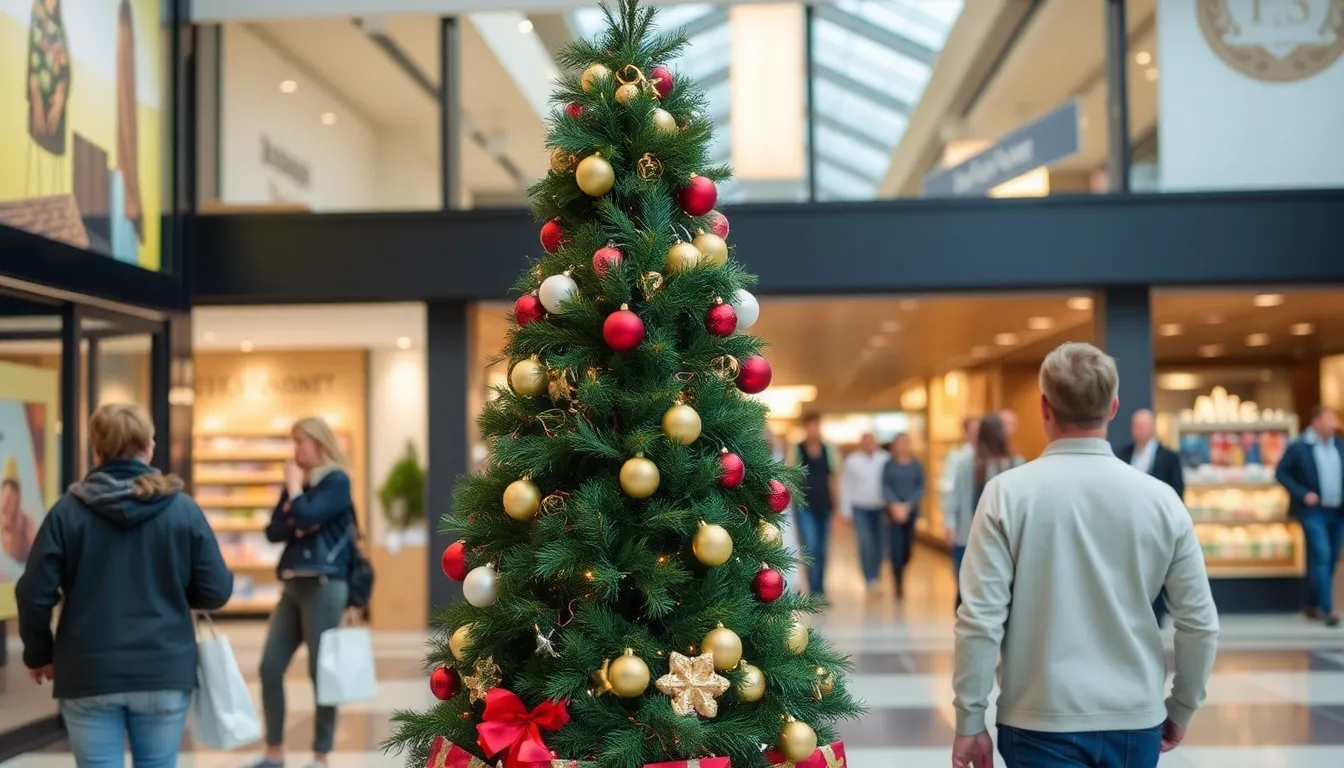
Consumers also play a vital role, as their choices directly influence the demand for recycled tree services. Many people are becoming increasingly environmentally conscious, seeking ways to ensure their holiday traditions do not contribute to ecological harm. This shift in consumer behavior can drive local governments and businesses to expand recycling options.
- Local Governments: Focused on waste management and sustainability.
- Environmental Organizations: Advocate for eco-friendly practices and public awareness.
- Consumers: Influence demand for recycling services through their choices.
- Businesses: Involved in providing recycling solutions and services.
- Community Groups: Engage in organizing local recycling events and initiatives.
Conflicts may arise between these stakeholders, particularly concerning the costs associated with recycling programs. Local governments often face budget constraints, which can limit the scope of recycling initiatives. Additionally, businesses involved in tree disposal may prioritize profit over sustainable practices, leading to tension between economic interests and environmental goals.
Legal issues can also play a role, as regulations surrounding waste management and recycling vary by region. Stakeholders must navigate these laws to ensure compliance while striving to promote effective recycling practices. The balance between economic viability and environmental responsibility remains a critical challenge in the Christmas tree recycling movement.
How repurposed Christmas trees benefit communities
The trend of repurposing Christmas trees is impacting various groups, including local communities, environmental organizations, and businesses involved in waste management and recycling. As more people seek sustainable options for post-holiday disposal, the demand for innovative solutions is growing. This shift not only helps to reduce waste but also fosters a sense of community engagement and environmental responsibility.
In the short term, communities are seeing immediate benefits from programs that collect and repurpose Christmas trees. Many municipalities have initiated curbside pickup services, turning discarded trees into mulch or compost for local parks and gardens. This practice not only enhances green spaces but also reduces landfill waste, contributing to a cleaner environment.
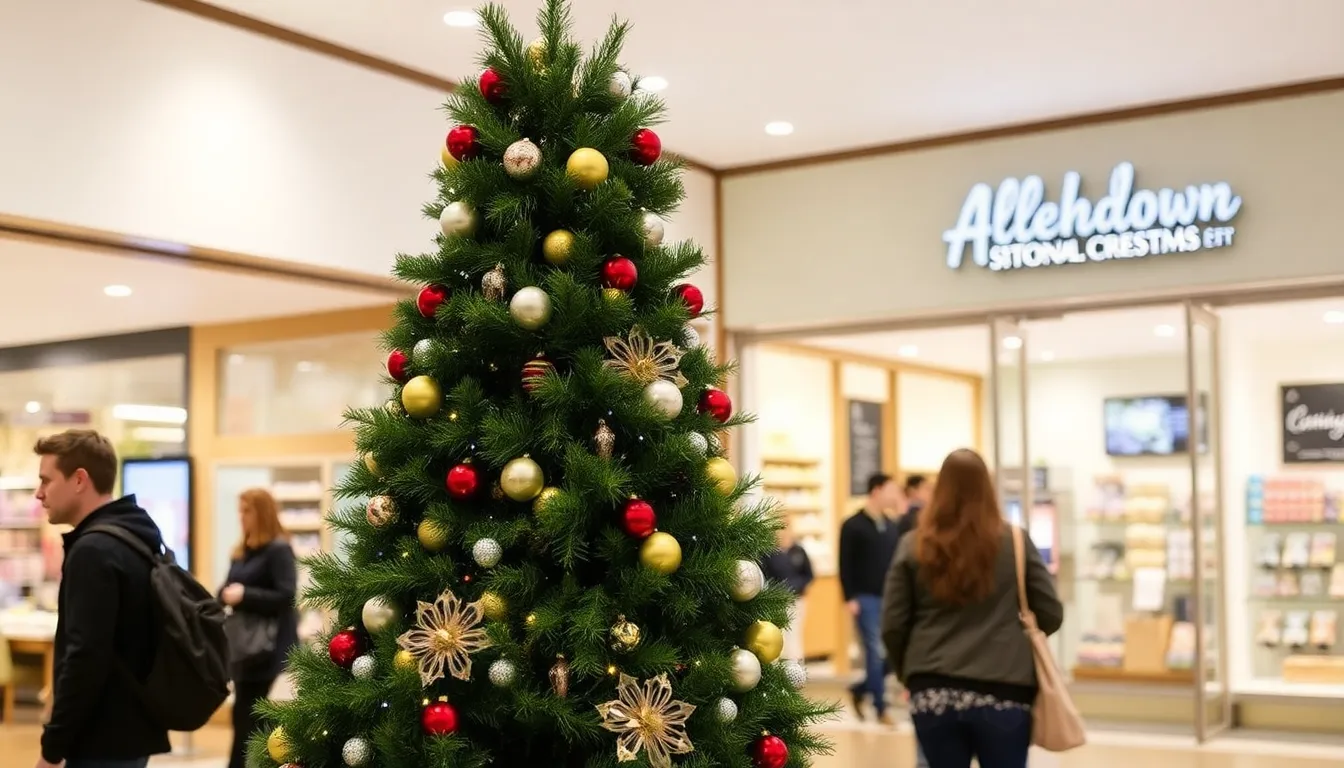
In the mid-term, businesses in the recycling and landscaping industries stand to gain from the increased focus on sustainability. Companies that specialize in recycling organic materials are likely to see a rise in demand for their services, leading to potential job creation and economic growth in these sectors. Moreover, local businesses that incorporate repurposed materials into their products may find new markets and customer bases.
- Environmental Impact: Reduced landfill waste and improved soil health.
- Community Engagement: Increased participation in local sustainability initiatives.
- Business Opportunities: Growth in recycling and landscaping services.
However, there are risks associated with this trend. Not all regions have the infrastructure to support effective tree recycling programs, which could lead to uneven benefits across communities. Additionally, if not managed properly, the influx of repurposed materials could overwhelm local recycling facilities, creating logistical challenges. Balancing these risks with the potential for positive change will be crucial as communities adapt to this growing movement.
A: After the holiday season, many Christmas trees are collected for recycling, where they can be turned into mulch or compost, helping to enrich soil. A: Artificial Christmas trees can be recycled, but the process is different from natural trees. Some local recycling programs accept them, while others may require special disposal. A: You can repurpose your Christmas tree by turning it into mulch for your garden, using branches for natural decorations, or even creating bird feeders. A: Yes, many communities offer tree recycling programs during January, where residents can drop off their trees at designated locations for proper disposal. A: Recycling Christmas trees reduces landfill waste, provides organic material for landscaping, and promotes environmental sustainability.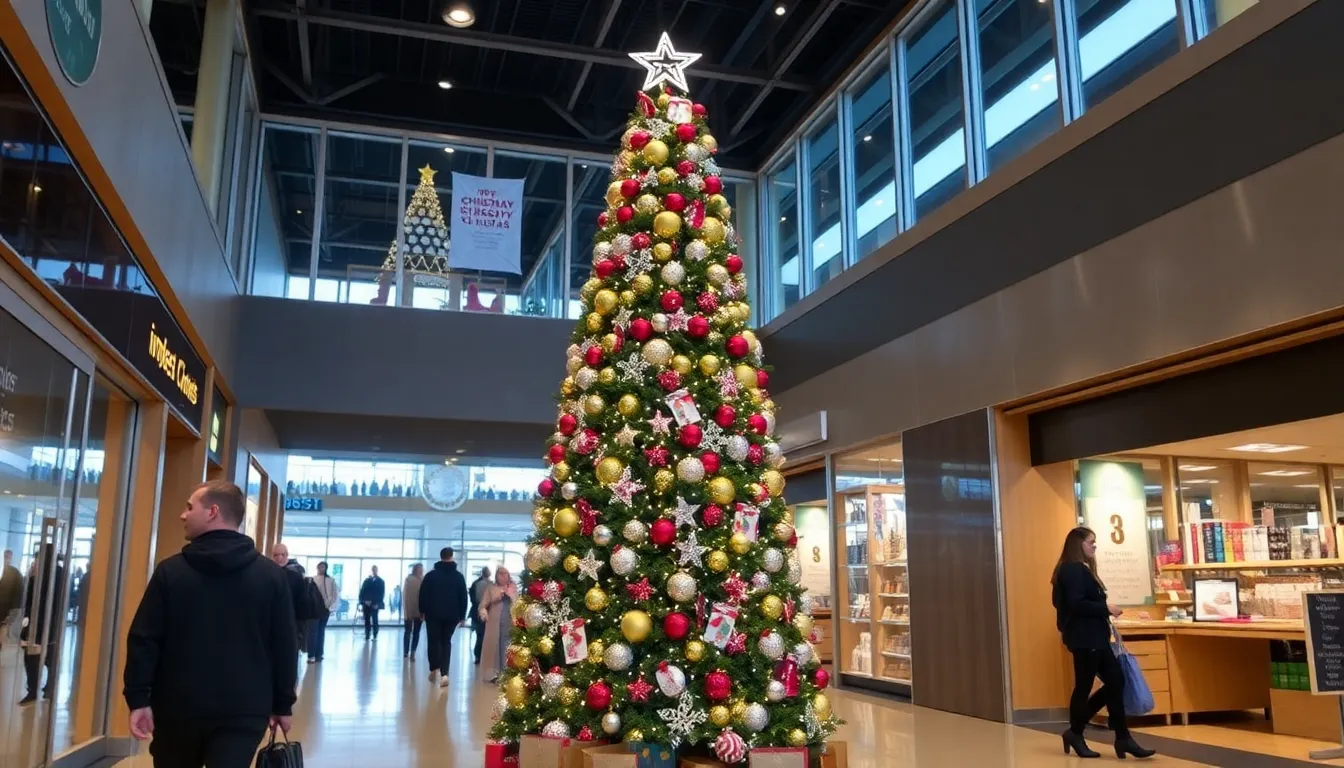
Frequently asked questions about Christmas tree recycling
Looking ahead: The future of Christmas tree sustainability
As the holiday season approaches, the evolving practices surrounding Christmas tree cultivation and disposal highlight a growing commitment to sustainability. The shift towards eco-friendly options, such as renting live trees or utilizing biodegradable materials, not only benefits the environment but also enriches the festive experience for consumers. This trend reflects a broader societal push towards responsible consumption and environmental stewardship.
Looking forward, it will be essential to monitor how these innovations impact both the economy and the ecological landscape. The integration of technology in tree farming and recycling initiatives could further enhance sustainability efforts while also appealing to a more environmentally conscious consumer base.
- Expect an increase in rental services for live Christmas trees, promoting a circular economy.
- Watch for advancements in biodegradable ornaments and decorations that minimize waste.
- Observe the growth of community-based recycling programs for post-holiday tree disposal.
- Consider the role of technology in improving tree farming practices and reducing carbon footprints.
- Stay informed about consumer preferences shifting towards sustainable holiday practices.