


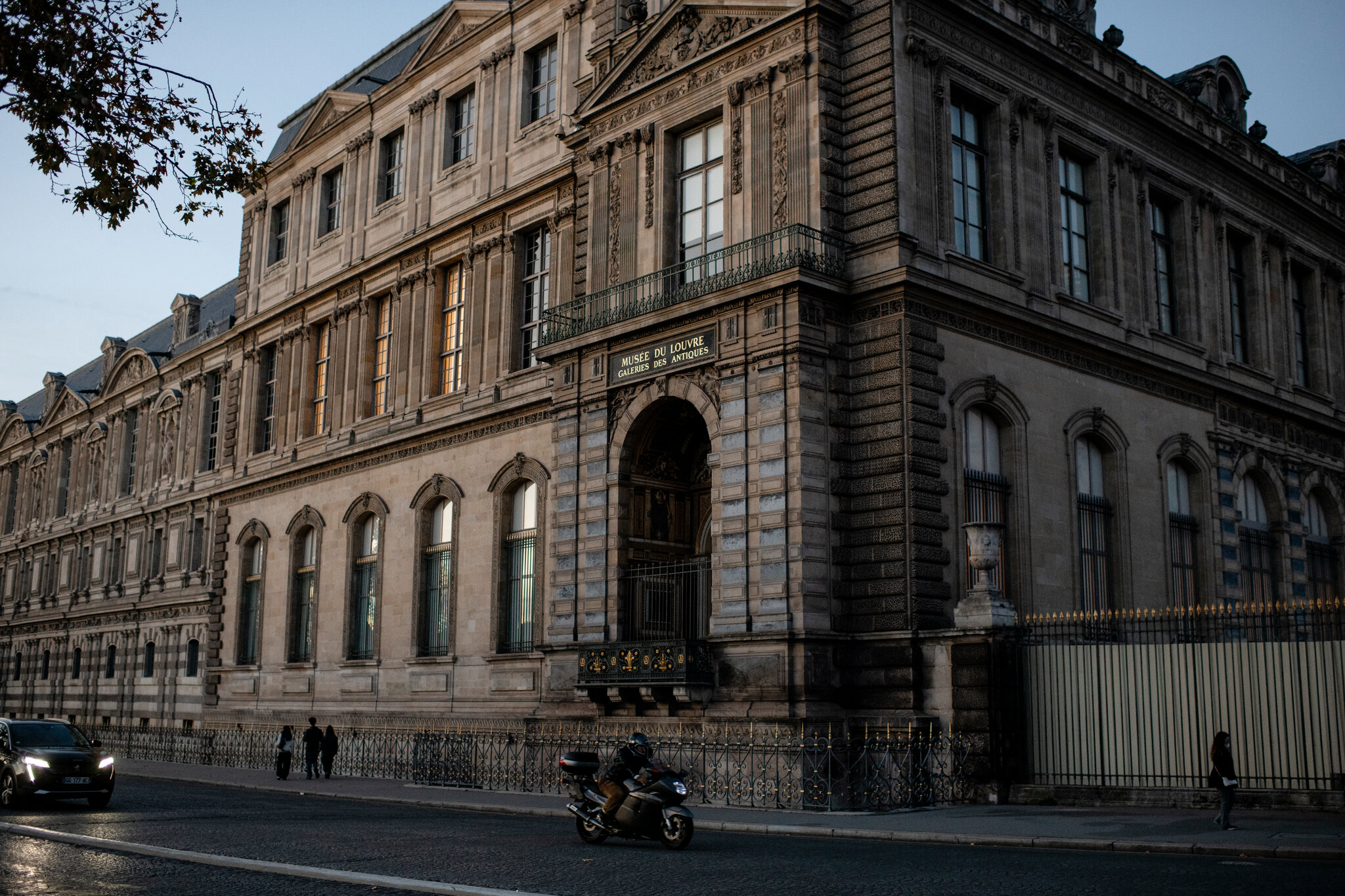
The Louvre heist involved the theft of several valuable artworks, stirring considerable public interest and concern regarding security measures at one of the world’s most renowned museums. The latest suspects, whose identities have not been disclosed, are believed to have connections to the original perpetrators, raising questions about the extent of the criminal network involved. This incident highlights the ongoing need for enhanced security measures.
Authorities have stated that the investigation is ongoing and that they are pursuing additional leads. The police are utilizing surveillance footage and witness testimonies to piece together the events leading up to the theft, which has drawn international attention due to the cultural significance of the stolen pieces.

The arrests underscore the challenges faced by law enforcement in tackling art theft, a crime that often crosses international borders. As the investigation unfolds, experts warn that the recovery of the stolen artworks may take time, emphasizing the need for continued vigilance in protecting cultural heritage.
The background of the Louvre heist and its significance in art theft
The Louvre Museum, located in Paris, France, is not only one of the largest art museums in the world but also a historic symbol of cultural heritage. Established in 1793, the museum houses thousands of works of art, including masterpieces by Leonardo da Vinci, Michelangelo, and Rembrandt. The significance of the Louvre extends beyond its vast collection; it represents the intersection of art, history, and national pride, making it a prime target for art theft.
Art theft has a long and storied history, with the Louvre experiencing its own infamous incidents. One of the most notable cases occurred in 1911 when the painting “Mona Lisa” was stolen by an Italian handyman named Vincenzo Peruggia. Peruggia believed that the painting belonged in Italy and successfully hid it for over two years before being caught trying to sell it. This event not only heightened security measures at the Louvre but also sparked a global fascination with art crime.
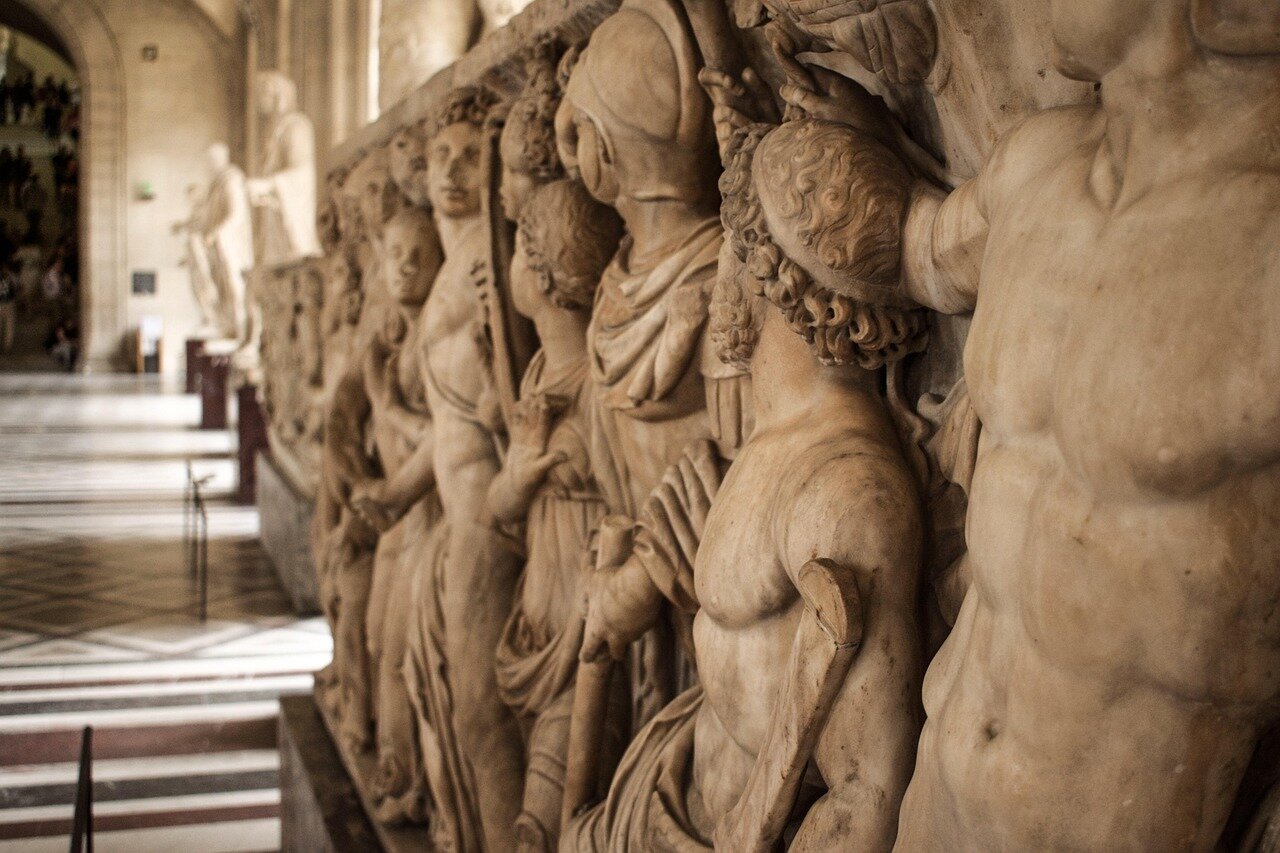
Recent Developments in Art Theft
In recent years, the rise of organized crime syndicates has posed new challenges for art institutions worldwide. The Louvre’s high-profile status has made it a focal point for such criminal enterprises. The recent arrest of four individuals in connection with a planned heist at the museum underscores the ongoing threat to cultural institutions. These arrests are part of a broader trend of increased vigilance and collaboration among law enforcement agencies to combat art theft.
The economic implications of art theft are significant, as stolen artworks can command millions on the black market. The Louvre’s collection, valued in the billions, represents not only artistic legacy but also substantial financial assets. This reality has led to heightened security measures, including advanced surveillance technology and international cooperation to recover stolen works. Understanding the historical context of art theft helps to illuminate the complexities surrounding the Louvre heist and its potential ramifications for the art world.
Key stakeholders involved in the Louvre heist investigation
The investigation into the Louvre heist has brought together various stakeholders, each with distinct interests and implications. The primary actors include law enforcement agencies, the Louvre Museum, art collectors, and the broader public, all of whom play critical roles in addressing the aftermath of this high-profile crime.
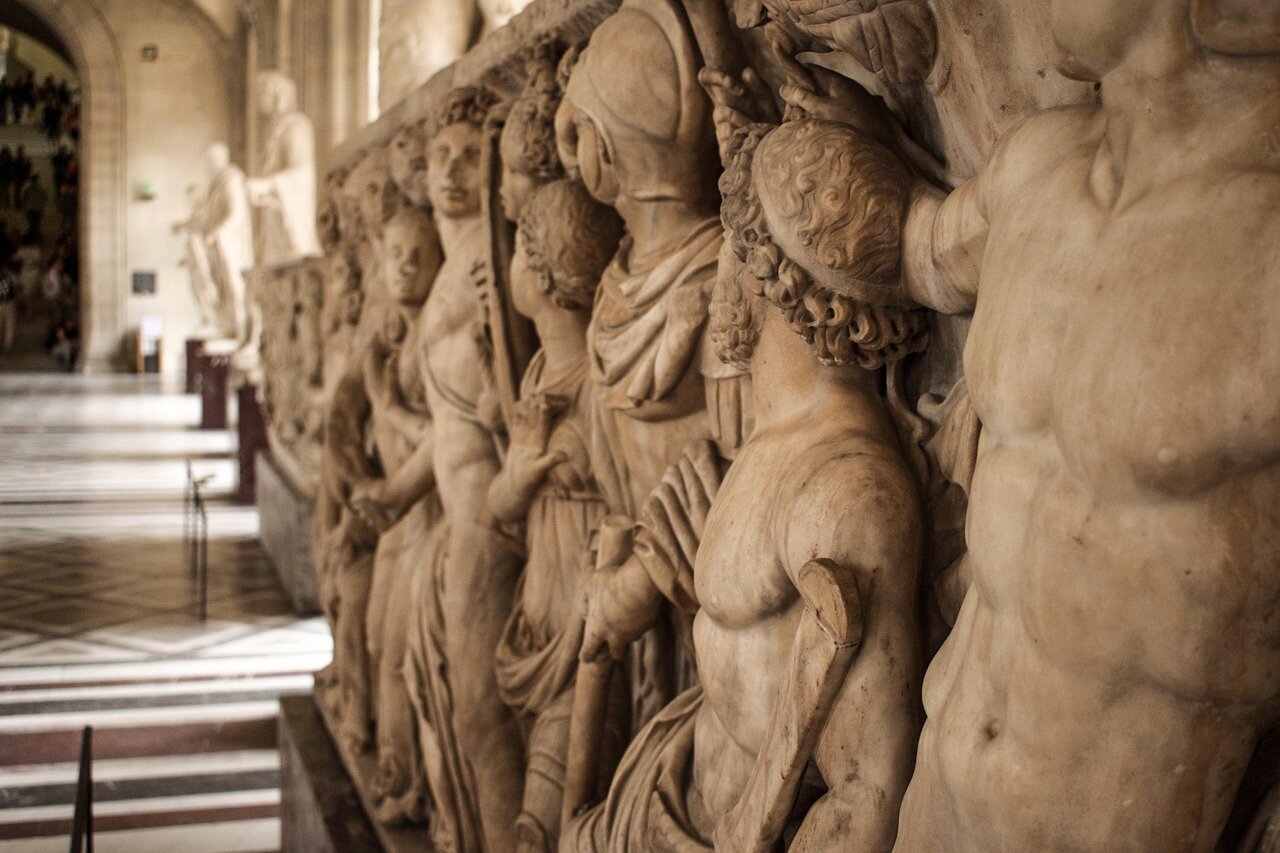
Law enforcement agencies, including the French police and Interpol, are at the forefront of the investigation. Their primary interest lies in apprehending the suspects and recovering the stolen artworks. The complexity of international art theft adds layers to their efforts, as they must navigate legal jurisdictions and cooperate with other nations to pursue leads effectively.
The Louvre Museum itself is a significant stakeholder, as the heist directly impacts its reputation and financial stability. The museum has a vested interest in recovering the stolen pieces, not only to restore its collection but also to maintain public trust and ensure visitor safety. The incident raises questions about security measures and the museum’s ability to protect invaluable cultural assets, similar to the concerns addressed in the ongoing LAPD investigation.
- Art collectors and dealers: They are concerned about the potential devaluation of art pieces and the implications for the art market.
- Legal experts: They analyze the case from a legal standpoint, considering the implications of international law and the prosecution of art theft.
- The public: Citizens have a vested interest in cultural heritage and may feel a sense of loss or outrage over the crime, influencing public discourse around art security.
Furthermore, the investigation highlights key legal and economic issues, such as the challenges of prosecuting art theft across borders and the need for enhanced security protocols in cultural institutions. The interplay between law enforcement and the art world raises questions about how to balance the protection of cultural heritage with the rights of collectors and dealers. As the investigation unfolds, these stakeholders will continue to navigate the complexities of the heist’s aftermath, shaping the broader narrative surrounding art theft and security in the modern age.
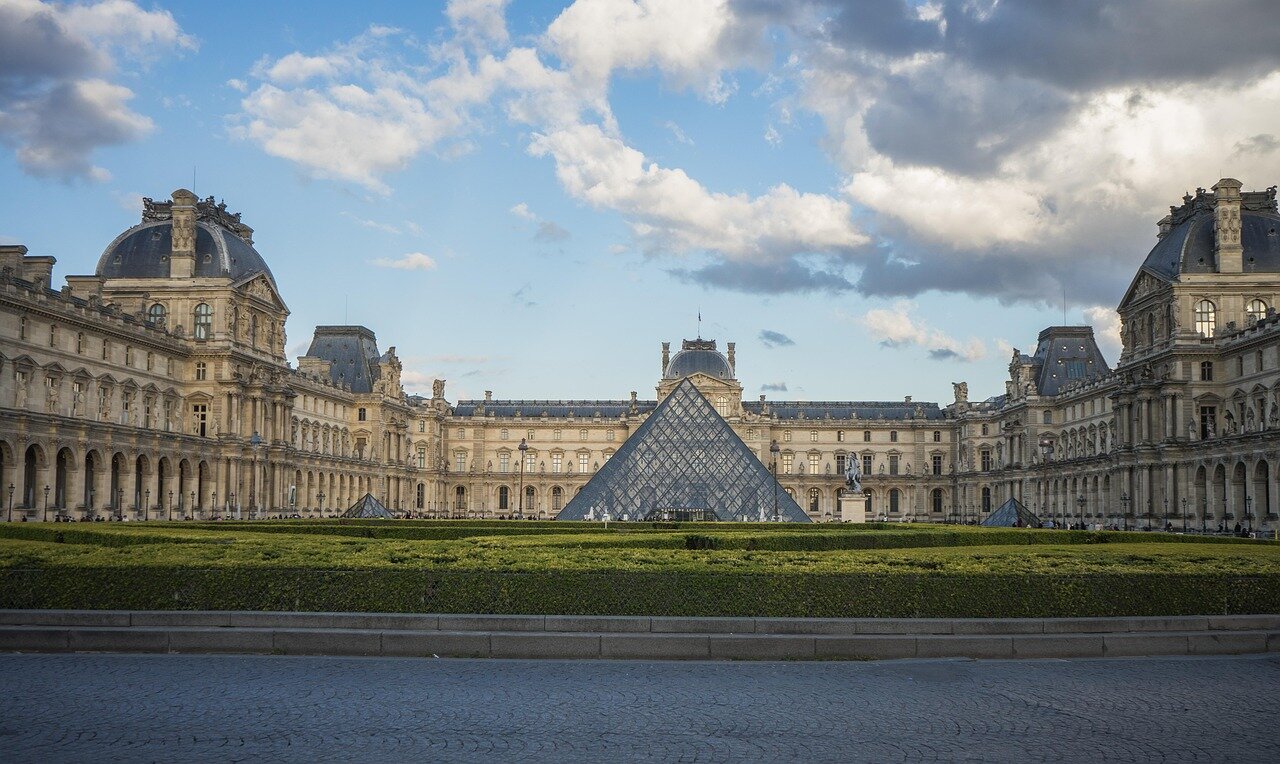
The impact of the arrests on the art community and security measures
The recent arrests in connection with the Louvre heist have sent ripples through the art community, affecting artists, collectors, and institutions alike. The heightened attention on art theft has led to increased anxiety among art owners and galleries, prompting them to reassess their security protocols. This situation underscores the vulnerabilities that even the most prestigious institutions face, making it imperative for all stakeholders to remain vigilant.
In the short term, art galleries and museums may experience a surge in security investments, with many opting to upgrade surveillance systems and hire additional security personnel. This could lead to increased operational costs, which may be passed on to consumers through higher ticket prices or membership fees. Additionally, the fear of theft could deter potential visitors, impacting foot traffic and revenue for these establishments.
Mid-term implications may include a shift in policy regarding art exhibition and lending practices. Institutions might become more stringent in their loan agreements, potentially limiting the circulation of art pieces for exhibitions. This could hinder collaborations between museums and reduce the accessibility of art to the public, impacting cultural exchange and education.

- Increased security measures: Art institutions may invest heavily in security upgrades.
- Visitor hesitance: Potential visitors may be deterred from attending exhibitions.
- Policy changes: Stricter loan agreements could limit art accessibility.
However, these challenges also present opportunities for the security industry. Companies specializing in art security solutions may find new markets for their services, driving innovation and development in this niche sector. Additionally, the heightened focus on art theft could lead to increased public interest in art preservation, fostering a greater appreciation for cultural heritage and the importance of safeguarding it.
A: The Louvre heist involved the theft of several valuable artworks, including pieces by renowned artists. The exact items taken are still under investigation. A: Authorities utilized surveillance footage and tips from the public to identify and locate the suspects involved in the heist. A: In response to the heist, the Louvre has announced plans to upgrade its security systems, including increased surveillance and better access control. A: As of now, none of the stolen artworks from the Louvre heist have been recovered, and investigations are ongoing. A: The arrested suspects face serious charges related to theft and conspiracy, which could lead to significant prison sentences if convicted.
Frequently asked questions about the Louvre heist and recent arrests
Insights on the future of art security following the Louvre heist
The recent arrests linked to the Louvre heist underscore a growing trend in the art world where security measures are being reevaluated and upgraded. As high-profile thefts continue to challenge institutions, the implications for art security are profound, necessitating a more proactive approach to safeguarding cultural assets. The art community must now grapple with the balance between accessibility and security, as well as the evolving tactics employed by criminals.
In light of these developments, stakeholders in the art world, from museum officials to collectors, must remain vigilant and adaptable. The Louvre incident serves as a reminder that art theft is not just a matter of loss but also a challenge to the integrity and preservation of cultural heritage. Moving forward, the focus will likely shift towards enhanced collaboration between institutions, law enforcement, and technology providers to mitigate risks.
- Increased investment in advanced security technologies, such as AI surveillance and biometric access controls, may become standard practice in major art institutions.
- Collaboration between museums and law enforcement agencies is likely to strengthen, leading to improved intelligence sharing and rapid response protocols.
- Art insurance policies may evolve to include more comprehensive coverage for theft and damage, reflecting the heightened risks associated with high-profile artworks.
- Public awareness campaigns may be initiated to educate visitors about the importance of art security and their role in protecting cultural heritage.
- Future art exhibitions may incorporate innovative display methods that deter theft while enhancing the visitor experience.