


Countries such as Mexico and Argentina have criticized the U.S. for what they describe as unilateral actions that exacerbate the humanitarian crisis in Venezuela, which has sparked a broader debate on the impact of foreign intervention. The U.N. estimates that over 7 million Venezuelans are in need of assistance, a situation that many believe has been worsened by external pressures, including economic sanctions imposed by the U.S.
In a notable statement, the Mexican ambassador to the U.N. called for a “multilateral approach” to support Venezuela, urging the U.S. to work collaboratively with regional partners. This sentiment was echoed by other nations, reflecting a shift towards prioritizing dialogue and cooperation over confrontation.
The ongoing tensions underscore a broader debate about the effectiveness of U.S. foreign policy in Latin America. As allies express their discontent, the implications for future diplomatic relations and regional stability remain uncertain, raising questions about the U.S.’s role in international governance.
Understanding the geopolitical landscape surrounding Venezuela
Venezuela has long been a focal point of geopolitical tension in Latin America, particularly due to its vast oil reserves, which are among the largest in the world. The country’s political landscape has been tumultuous, with the rise of Hugo Chávez in the late 1990s marking a significant shift towards socialism and anti-American sentiment. Chávez’s policies of wealth redistribution, nationalization of key industries, and his open criticism of U.S. foreign policy altered the dynamics of both regional and international relations.
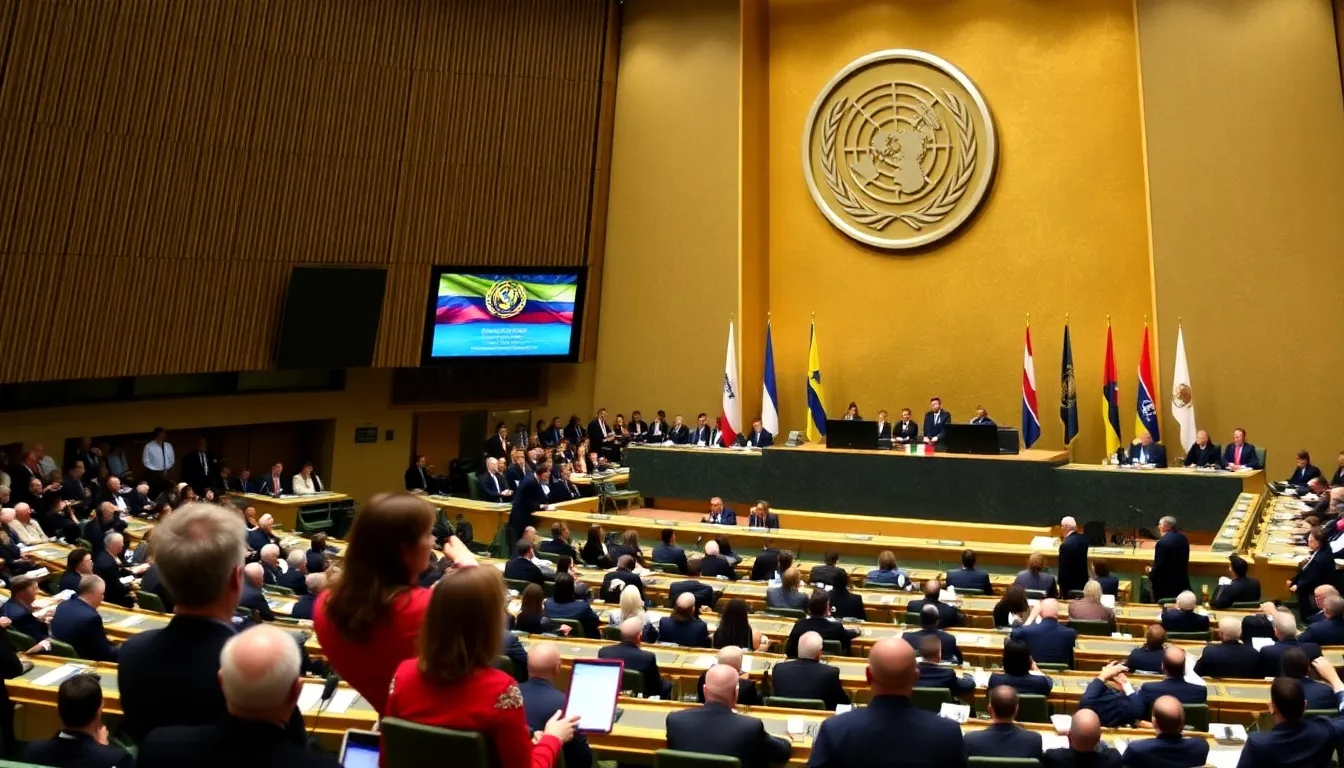
Following Chávez’s death in 2013, Nicolás Maduro ascended to the presidency, inheriting a nation already plagued by economic challenges, including hyperinflation, food shortages, and a collapsing healthcare system. The political opposition, fueled by widespread discontent, began to gain momentum, leading to a series of protests and a contested presidential election in 2018 that many countries, including the U.S., deemed illegitimate. This election further polarized the country and prompted a humanitarian crisis that saw millions of Venezuelans fleeing to neighboring countries.
International Response and Sanctions
This recognition was accompanied by a series of economic sanctions aimed at crippling Maduro’s government, including restrictions on oil exports, which significantly impacted Venezuela’s economy, already weakened by years of mismanagement. Such sanctions have raised questions about the effectiveness of international sanctions in addressing humanitarian crises.
However, these sanctions have been met with criticism from various allies and international organizations, who argue that they exacerbate the suffering of the Venezuelan people rather than promote political change. The situation has led to a complex debate over the efficacy and morality of foreign intervention, with some countries advocating for dialogue and negotiation rather than punitive measures.
As the humanitarian crisis deepens, the geopolitical implications of U.S. actions in Venezuela continue to unfold, influencing relationships with regional allies and adversaries alike. The situation remains a critical point of contention at the United Nations, where even traditional allies have begun to voice concerns over the consequences of U.S. policy in the region.
Key stakeholders and their positions on U.S. intervention
The situation in Venezuela has garnered international attention, particularly regarding the role of the United States and its allies. Several key stakeholders are involved, each with distinct interests and perspectives on U.S. actions in the region.
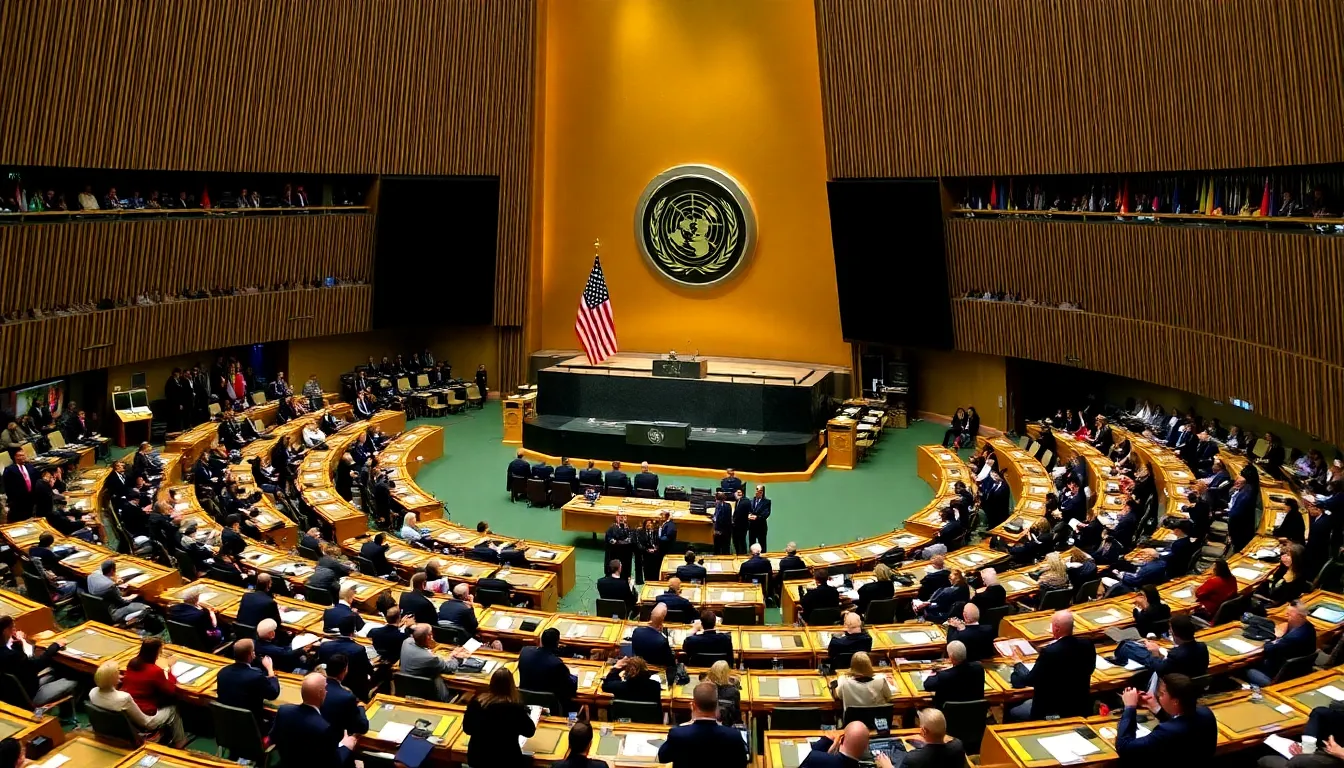
Firstly, the U.S. government, under its current administration, has positioned itself as a promoter of democracy and human rights in Venezuela. It argues that intervention is necessary to support the opposition against President Nicolás Maduro’s regime, which is accused of authoritarianism and human rights violations. The U.S. seeks to stabilize the region and curb the influence of adversarial nations, such as Russia and China, in Latin America.
On the other hand, the Venezuelan government, led by Maduro, vehemently opposes U.S. intervention, framing it as imperialistic aggression. Maduro’s administration claims that the U.S. is undermining Venezuela’s sovereignty and exacerbating the humanitarian crisis. This narrative resonates with some segments of the population, who view foreign intervention as a threat to national identity and autonomy.
Additionally, various Latin American countries play a crucial role in this dynamic. Nations such as Mexico and Argentina have expressed concern over U.S. actions, advocating for diplomatic solutions rather than military intervention. These countries emphasize regional stability and the importance of respecting Venezuela’s sovereignty, highlighting the potential for conflict that could arise from external interference, sparking debates similar to those seen in the cultural impact of foreign intervention.
- U.S. Government: Advocates for democracy and human rights, viewing intervention as necessary.
- Venezuelan Government: Claims U.S. actions are imperialistic and threaten national sovereignty.
- Latin American Allies: Promote diplomatic solutions, cautioning against military intervention.
- International Organizations: Call for humanitarian assistance while urging respect for sovereignty.
- Opposition Groups: Seek support from the U.S. to challenge the Maduro regime, but face internal divisions.
Legal and economic issues also complicate the situation. The U.S. has imposed sanctions on Venezuela, targeting its oil industry, which is a critical source of revenue for the country. These sanctions aim to weaken Maduro’s government but have also raised concerns about their impact on the civilian population, leading to a humanitarian crisis. Critics argue that such measures may exacerbate the suffering of ordinary Venezuelans, while supporters claim they are necessary to pressure the regime.
The implications for Venezuela and U.S. foreign relations
The recent condemnation of U.S. actions in Venezuela by allies at the U.N. highlights a growing rift in international relations. Various groups, including Venezuelan citizens, local businesses, and international stakeholders, are feeling the consequences of these diplomatic tensions. The situation is particularly dire for those directly affected by U.S. sanctions, which have exacerbated the already challenging economic conditions in Venezuela.
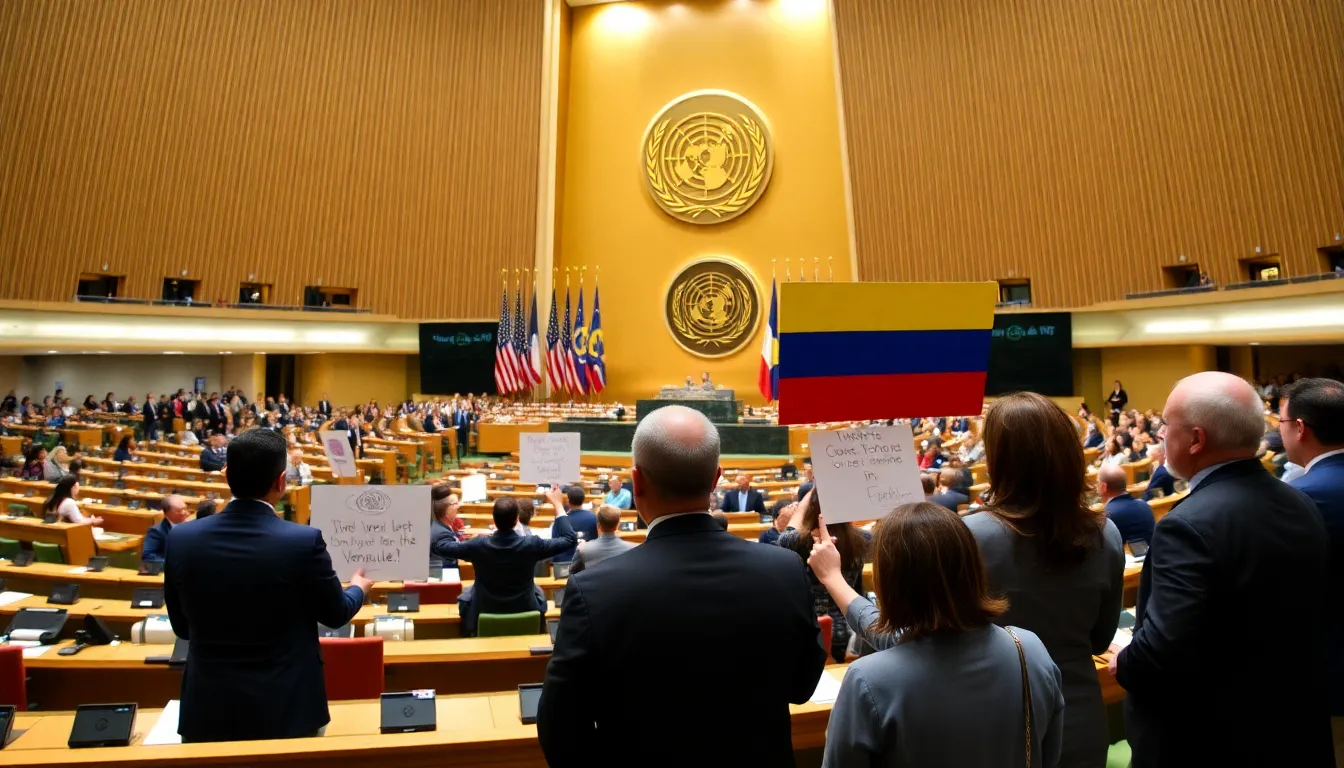
In the short term, the daily lives of Venezuelans are increasingly impacted by shortages of basic goods and services. The sanctions have led to a decline in imports, affecting industries such as food, healthcare, and energy. This has resulted in heightened inflation and unemployment, making it difficult for families to access essential resources. Additionally, the U.S. government’s stance may lead to further isolation of Venezuela on the global stage, complicating humanitarian aid efforts.
Mid-term impacts are likely to manifest in shifts in foreign investment and trade relationships. As U.S. allies express disapproval of its actions, countries may reconsider their economic ties with both the U.S. and Venezuela. This could lead to a realignment of trade partnerships, with nations seeking to fill the void left by U.S. withdrawal. However, this situation also presents opportunities for countries willing to engage with Venezuela, potentially leading to new markets for goods and services.
- Increased hardship for Venezuelan citizens due to economic sanctions.
- Potential realignment of global trade partnerships affecting industries.
- Opportunities for countries willing to invest in Venezuela.
- Heightened diplomatic tensions impacting U.S. foreign relations.
As the international community continues to scrutinize U.S. actions, the ripple effects will be felt across various sectors. The interplay between humanitarian needs and geopolitical strategies will shape the future landscape for both Venezuela and its foreign relations, with implications that extend beyond immediate economic concerns.
A: The U.S. has faced criticism for its sanctions and support for opposition groups, which many argue exacerbate the humanitarian crisis in Venezuela. A: Even traditional allies have voiced concerns, suggesting that U.S. policies may not align with their diplomatic strategies or humanitarian principles. A: The ongoing criticism may pressure the U.S. to reconsider its approach, potentially leading to a shift in policy that could benefit Venezuela’s stability. A: Some nations advocate for dialogue and diplomatic solutions rather than sanctions, emphasizing the need for a collaborative approach to resolve the crisis. A: The backlash against U.S. actions could strain relationships with allies and affect its standing in international forums.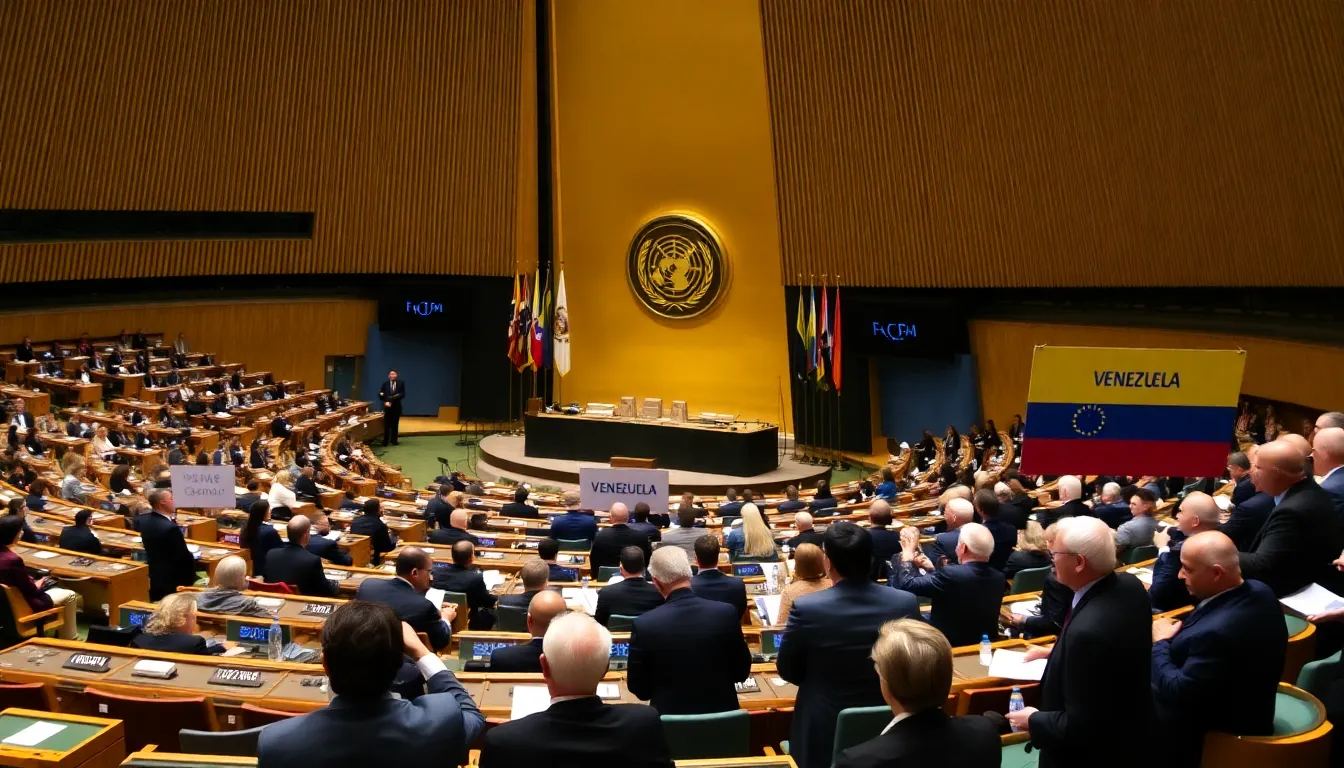
Frequently asked questions about U.S. actions in Venezuela
Future outlook on U.S.-Venezuela relations and international response
The recent U.N. discussions have highlighted a growing rift between the United States and its traditional allies regarding its approach to Venezuela. As international condemnation mounts, the implications for U.S. foreign policy and its relationships in the region are significant. The U.S. must navigate a complex landscape where its actions are increasingly scrutinized, not just by adversaries but also by partners who may be reevaluating their support.
Looking ahead, the dynamics of U.S.-Venezuela relations will be shaped by both domestic pressures and international responses. The potential for a shift in strategy is evident, as the U.S. may need to consider more collaborative approaches that take into account the perspectives of its allies and the broader implications for regional stability.
- Watch for potential shifts in U.S. policy towards more diplomatic engagement with Venezuela in response to international criticism.
- Monitor how Latin American countries adjust their foreign policies in light of U.S. actions and their own national interests.
- Consider the impact of U.S. sanctions on Venezuela’s humanitarian situation and the potential for increased global advocacy for a more humanitarian approach.
- Keep an eye on the responses from key international organizations, as they may influence the U.S. stance and actions moving forward.
- Evaluate the long-term effects of these developments on U.S. credibility and influence in the region.