


Schwartz, known for his work on acclaimed musicals such as “Wicked” and “Godspell,” expressed his discontent with the Kennedy Center’s recent actions and policies. In a public statement, he emphasized, “There’s no way I would set foot in it now,” highlighting a growing sentiment among artists regarding the need for accountability and change within established cultural institutions.
Schwartz’s withdrawal is not just a personal statement; it reflects broader concerns among artists and audiences about the role of such institutions in promoting inclusivity and diversity. For more on how artists are navigating these changes, read about Djokovic’s recent decision to end his association with a player union.
This development is significant as it may influence other artists to reassess their affiliations with the Kennedy Center and similar organizations. As the arts community continues to grapple with these issues, Schwartz’s decision serves as a pivotal moment in the ongoing dialogue about the future of cultural institutions in America.
Understanding the Background of Schwartz’s Decision
Stephen Schwartz, a prominent figure in the world of musical theater, has made headlines by withdrawing from the Kennedy Center’s 2026 lineup, citing deep-seated concerns about the institution’s current climate. His decision reflects not only personal sentiments but also a larger discourse surrounding the arts, politics, and institutional accountability in the United States. The Kennedy Center, a symbol of American culture, has faced scrutiny over its leadership and governance, raising questions about its commitment to inclusivity and artistic integrity.
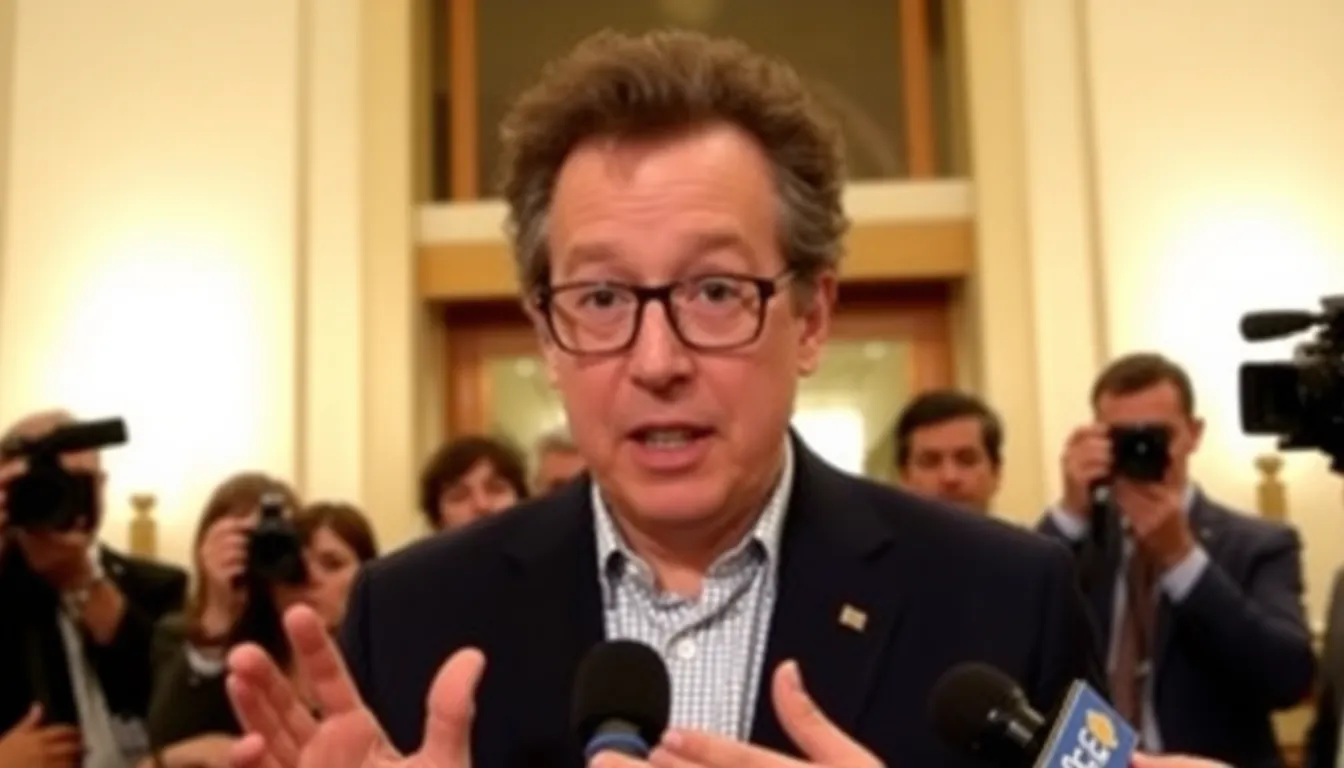
Critics argue that the Kennedy Center has fallen short in this regard, leading to a growing divide between artists and the institution. This echoes sentiments from Guillermo del Toro’s journey in challenging established norms in the arts.
In recent years, several high-profile artists have voiced their concerns about the Kennedy Center’s direction. This includes calls for more diverse voices in leadership roles and programming, as well as a reevaluation of how artistic decisions are made. Schwartz’s withdrawal can be seen as part of a broader movement among artists who are demanding accountability and change from major cultural institutions.
The Impact of Artistic Integrity
Schwartz’s stance highlights the importance of artistic integrity in shaping the cultural landscape. The decision to step back from the Kennedy Center lineup serves as a reminder of the responsibilities that come with artistic prominence. It underscores the need for institutions to not only showcase diverse talent but also to engage in meaningful dialogue about the issues facing the arts community. As artists like Schwartz take a stand, they pave the way for future conversations about the role of culture in society.
Analyzing the Implications of Schwartz’s Statement
Stephen Schwartz’s decision to withdraw from the Kennedy Center’s 2026 lineup has sparked significant discussion among various stakeholders, including artists, arts organizations, and the broader public. His statement reflects deep-seated concerns regarding the political and cultural climate surrounding the venue, which can impact not only his career but also the arts community at large.
One of the primary actors in this scenario is the Kennedy Center itself, which serves as a prestigious platform for artistic expression. The Center’s leadership may face challenges in addressing the concerns raised by Schwartz, particularly in terms of maintaining its reputation and attracting diverse talent. Additionally, the implications of Schwartz’s withdrawal could extend to potential financial repercussions, as high-profile artists often draw larger audiences and sponsorships.
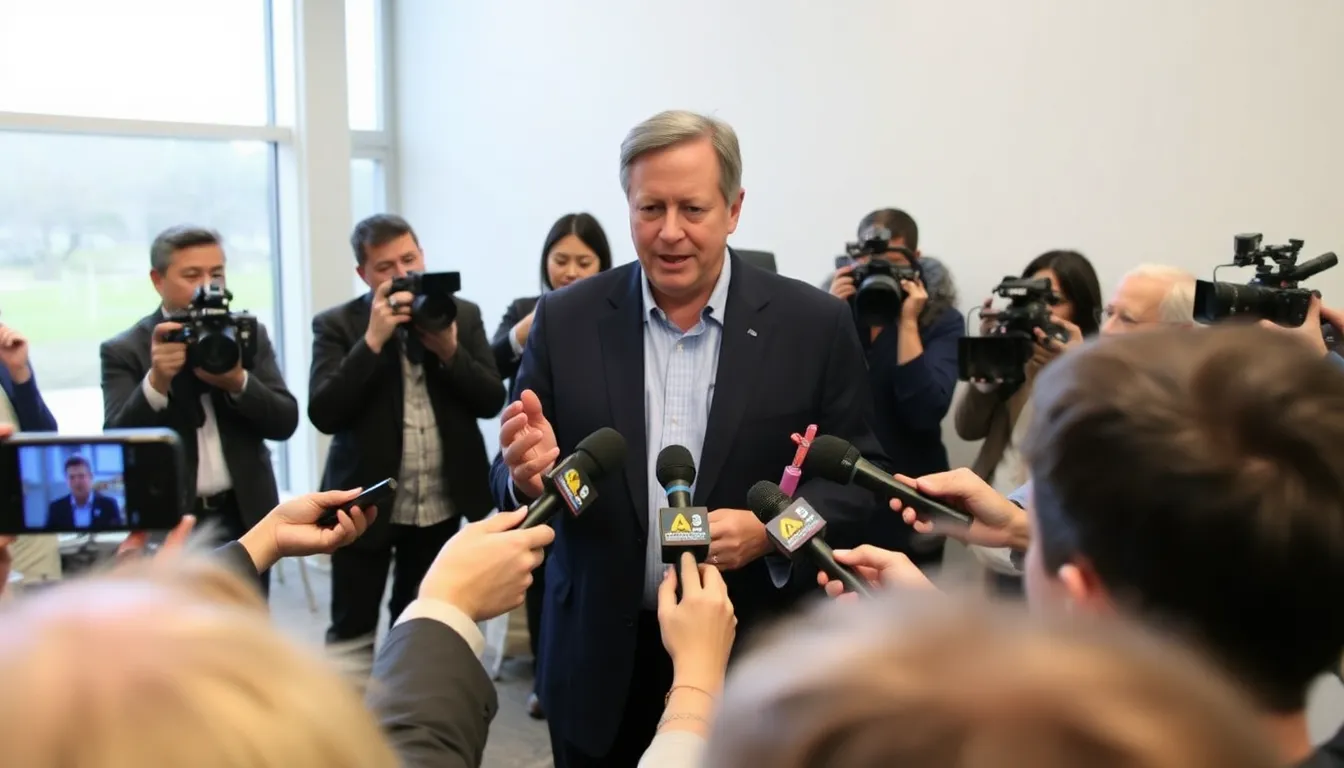
Moreover, Schwartz’s stance resonates with a growing number of artists and audiences who are increasingly vocal about their expectations for inclusivity and representation in the arts. This shift in sentiment may lead to a broader reevaluation of programming decisions and partnerships at major cultural institutions.
- Audience Reaction: The public’s response to Schwartz’s withdrawal could influence ticket sales and future programming decisions.
- Political Climate: The current political environment may lead to further polarization within the arts community, impacting collaborations and funding opportunities.
- Legal Considerations: Potential legal ramifications could arise if artists feel their rights to free expression are being compromised.
- Economic Impact: The financial stability of the Kennedy Center may be challenged if key artists continue to withdraw.
- Cultural Shifts: Schwartz’s decision may ignite discussions about the role of cultural institutions in reflecting societal values.
The interconnectedness of artistic expression, institutional integrity, and societal values is undeniable. Similar discussions are taking place in various fields, as seen in the recent situation involving Thailand and its diplomatic decisions.
Impact on the Arts Community and Future Events
The decision by Stephen Schwartz to withdraw from the Kennedy Center’s 2026 lineup sends ripples through the arts community, affecting not only the performers and production teams involved but also the broader cultural landscape. This withdrawal may lead to a reassessment of programming choices at the Kennedy Center, as they navigate the implications of this high-profile departure.
In the short term, the immediate impact will be felt by local artists, theater companies, and production staff who were looking forward to the exposure and opportunities that such a prominent event would provide. The absence of Schwartz’s work could lead to a diminished audience turnout and reduced ticket sales, affecting the financial stability of the venue and its associated businesses.
Mid-term impacts may include a shift in public perception of the Kennedy Center, potentially deterring other artists from participating in future events. This could result in a more cautious approach to programming, as the center reassesses its relationships with artists and stakeholders. Furthermore, there could be a broader conversation about the values and practices within the arts community, prompting discussions on inclusivity and accountability.
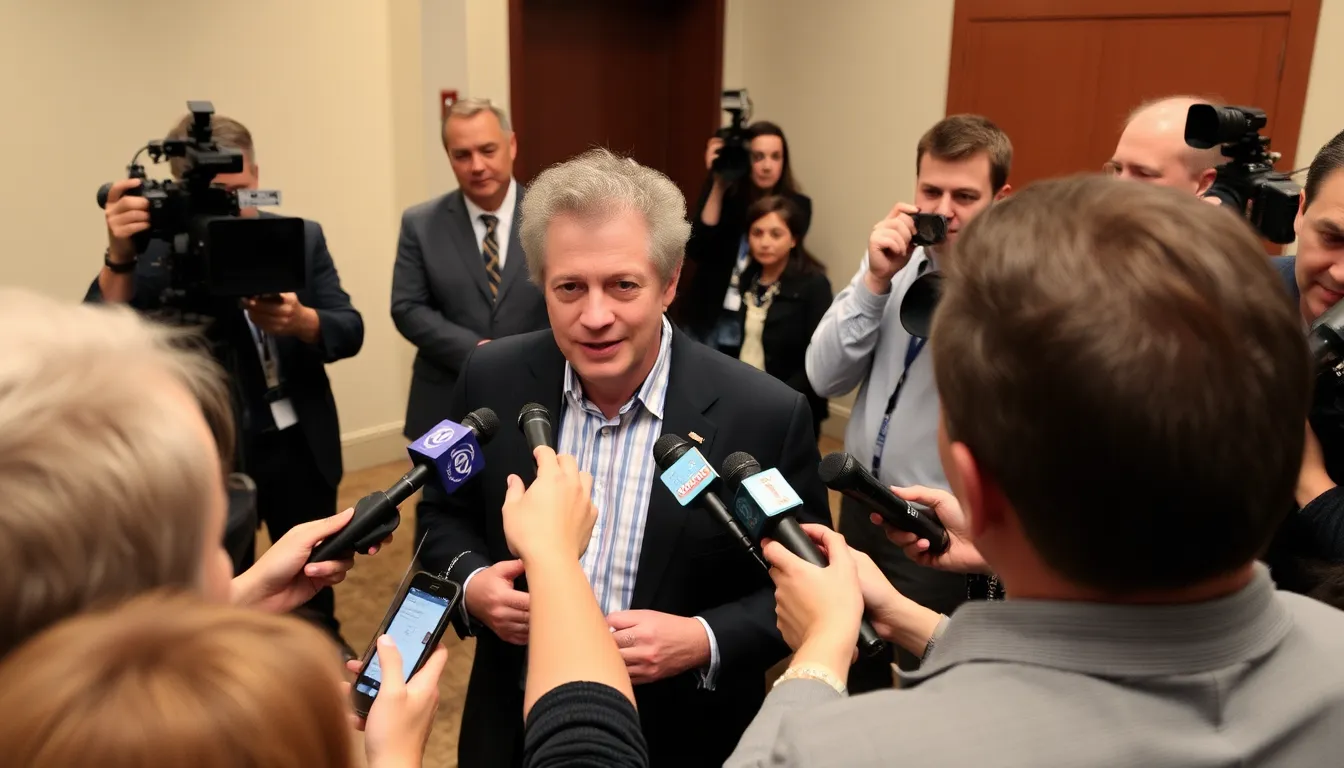
- Local artists may face reduced opportunities for collaboration and exposure.
- Potential decline in ticket sales and revenue for the Kennedy Center and local businesses.
- Increased scrutiny on the Kennedy Center’s programming and artist relations.
- Opportunity for new voices to emerge in the arts community as programming shifts.
While risks are evident, there may also be opportunities for innovation within the arts sector. Emerging artists and alternative productions may seize the moment to fill the void left by Schwartz, potentially leading to a more diverse array of performances and a reimagined artistic direction for the Kennedy Center. This could ultimately enrich the cultural fabric of the region and foster a more inclusive environment for future events.
A: Stephen Schwartz stated that he would not set foot in the Kennedy Center now due to concerns about the organization’s direction and management. A: Schwartz’s withdrawal could signal potential challenges for the Kennedy Center in attracting other artists and maintaining its reputation. A: The arts community has expressed mixed feelings, with some supporting Schwartz’s stance while others are concerned about the implications for future collaborations. A: It remains unclear if Schwartz will engage in other performances in 2026, as he has not made any public announcements regarding alternative events. A: The main issues include management decisions, artistic direction, and the overall environment for artists, which have been points of contention.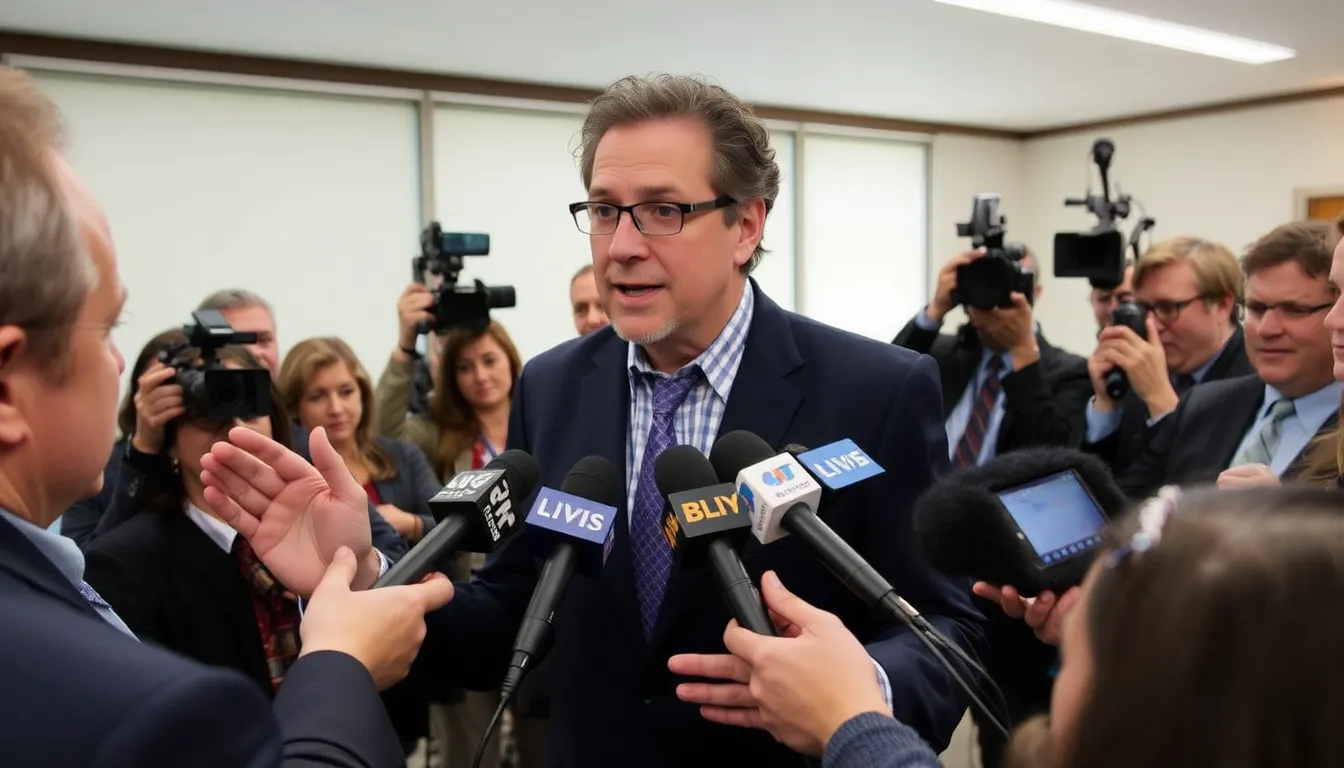
Frequently Asked Questions about Schwartz’s Withdrawal
Key Takeaways and Future Outlook on the Situation
Stephen Schwartz’s decision to withdraw from the Kennedy Center’s 2026 lineup underscores significant tensions within the arts community regarding institutional accountability and artistic integrity. His statement reflects a broader sentiment among artists who are increasingly vocal about their values and the environments in which they choose to work. This situation raises questions about the future of collaborations between artists and major cultural institutions, particularly in light of ongoing discussions about diversity, equity, and inclusion.
As the arts landscape continues to evolve, stakeholders must consider the implications of such withdrawals on funding, audience engagement, and the overall reputation of institutions like the Kennedy Center. The response from the public and other artists will be crucial in shaping future partnerships and programming decisions.
- Monitor how other artists respond to Schwartz’s withdrawalwill they follow suit or support the Kennedy Center?
- Watch for potential changes in programming at the Kennedy Center as they address these challenges.
- Consider the impact on funding and sponsorships for institutions that face public criticism from prominent artists.
- Evaluate how this situation may influence future collaborations between artists and cultural institutions.
- Reflect on the growing importance of aligning artistic values with institutional missions in the arts sector.