


In 2023, researchers observed a spike in whale mortality rates in the Arctic region, prompting urgent investigations into the causes. The drones allow for non-invasive observation, enabling scientists to gather vital information without disturbing the marine animals. This method has proven essential in tracking the spread of the virus among vulnerable whale species, as highlighted in latest trends in technology.
The drone technology provides high-resolution imagery that helps identify signs of illness in whales, such as lesions and unusual swimming patterns. By analyzing this data, scientists can better understand the virus’s impact on whale populations and develop strategies for conservation efforts.
As climate change continues to alter Arctic ecosystems, the implications of these findings are significant. Understanding the dynamics of diseases affecting marine life is crucial for maintaining biodiversity and ensuring the health of oceanic environments. The ongoing research aims to provide insights that could influence policy and conservation measures in the Arctic.
Understanding the background of whale health issues in the Arctic
The Arctic region has long been a focal point for environmental and ecological research, particularly due to its unique and fragile ecosystems. Over the past few decades, climate change has significantly impacted the Arctic, leading to rising temperatures, melting ice, and shifting marine habitats. These changes have not only affected the physical environment but have also raised concerns about the health of marine species, including whales, which are vital indicators of ocean health.
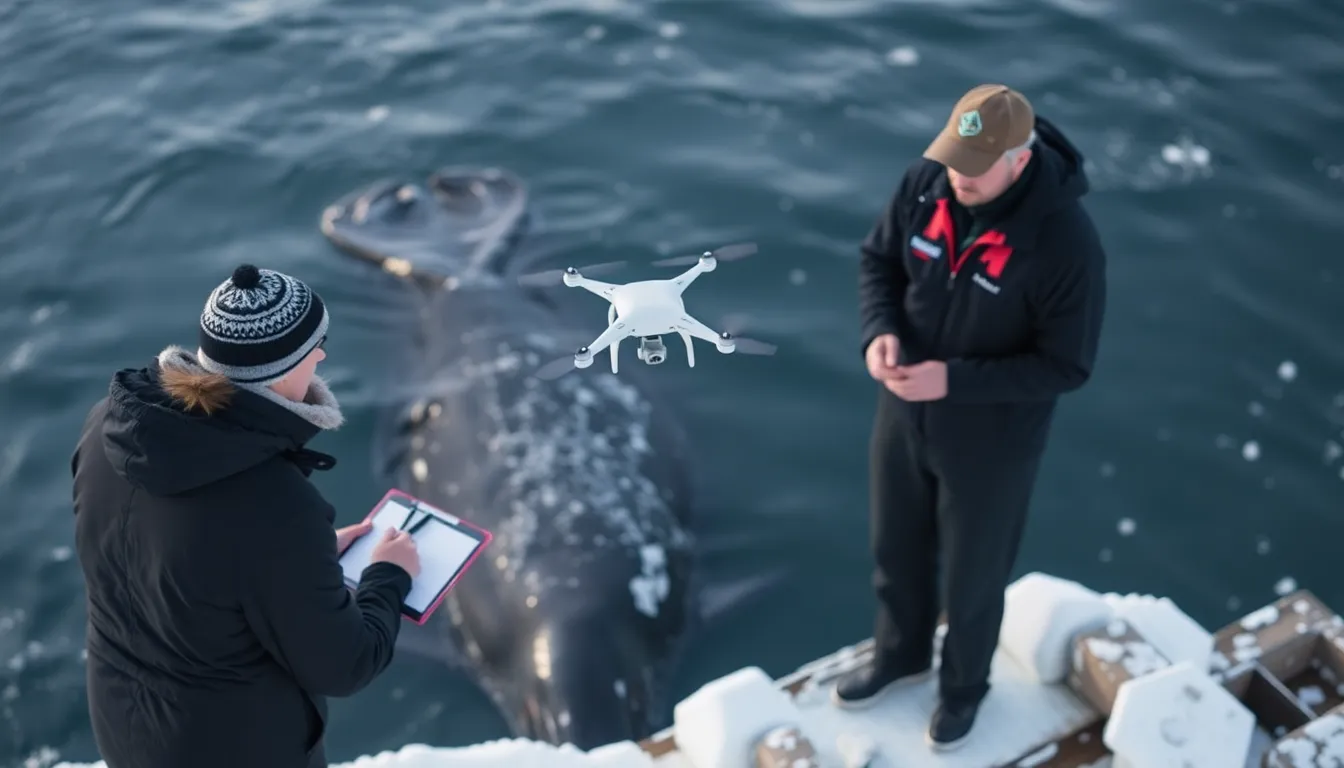
However, the resurgence of whale populations has brought new challenges, including the emergence of diseases that were previously uncommon. Scientists have noted a troubling increase in viral infections among whale populations, raising alarms about the potential impacts on biodiversity and marine ecosystems. This issue is particularly pressing as economic activities may be influenced by the health of these species.
The Role of Technology in Monitoring Whale Health
In recent years, advancements in technology have provided new tools for researchers studying marine life. Drones have emerged as a valuable resource for monitoring whale populations and assessing their health. These unmanned aerial vehicles allow scientists to gather data from hard-to-reach areas without disturbing the animals. By using drones to collect biological samples and observe whale behavior, researchers can identify the presence of viruses and other health indicators, paving the way for better understanding and management of whale health in the Arctic.
The convergence of climate change, technological innovation, and increased whale populations has created a complex interplay of factors influencing whale health. As researchers continue to explore the implications of viral infections in these majestic creatures, the need for collaborative efforts among scientists, policymakers, and indigenous communities becomes increasingly critical. Understanding the historical context and current challenges is essential for developing effective strategies to protect whale populations and their ecosystems in the Arctic.
Key stakeholders involved in whale conservation and virus detection
The conservation of whales in the Arctic region involves a diverse array of stakeholders, each with unique interests and objectives. Key actors include governmental bodies, non-governmental organizations (NGOs), research institutions, indigenous communities, and the fishing industry. Their interactions and conflicts shape the landscape of whale conservation and the response to emerging health threats, such as viruses affecting these marine mammals.
Their interest lies in balancing ecological preservation with economic activities, such as fishing and tourism. These agencies are responsible for implementing policies that promote whale conservation while ensuring that local economies continue to thrive, echoing the sentiments discussed in a recent article.
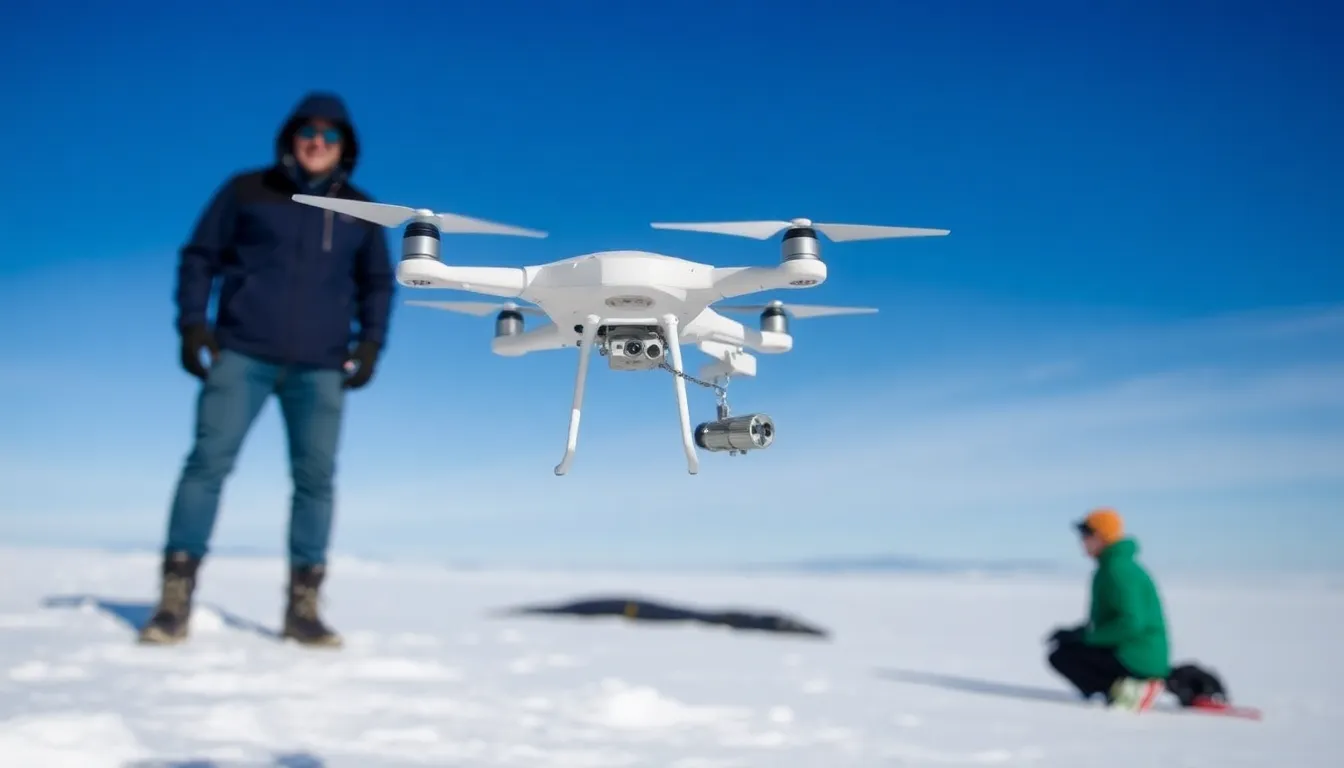
NGOs focused on marine conservation advocate for stronger protections for whale populations and often conduct independent research. They are particularly concerned about the impact of climate change and human activities on whale health. Their efforts to raise awareness about viral outbreaks in whale populations highlight the need for increased monitoring and research funding. However, these organizations sometimes face pushback from industries that perceive stricter regulations as a threat to their livelihoods.
- Indigenous communities: Indigenous groups have a vested interest in whale conservation, as these animals are integral to their cultural heritage and subsistence practices. Their traditional knowledge can provide valuable insights into whale populations and health.
- Research institutions: Universities and marine research organizations are key players in studying the viruses affecting whales. They seek funding and collaboration opportunities to advance their research while also contributing to public policy discussions.
- Fishing industry: The fishing sector is often caught in the crossfire of conservation efforts, as stricter regulations to protect whale populations can limit fishing activities. Balancing ecological health with economic viability is a significant challenge.
Legal issues also arise in the context of whale conservation and virus detection. International treaties, such as the Marine Mammal Protection Act and the Convention on Biological Diversity, set frameworks for cooperation among nations. However, enforcement varies, and conflicts can emerge over jurisdiction and compliance. Economic trade-offs are evident as stakeholders navigate the costs associated with implementing conservation measures against the potential financial impact on industries reliant on marine resources.
The impact of virus detection on marine ecosystems and local communities
The detection of deadly viruses in whales using drones has significant implications for various groups, including marine biologists, local indigenous communities, and the fishing industry. These stakeholders are directly affected by changes in whale populations and the health of marine ecosystems, which can have cascading effects on biodiversity and local economies.
In the short term, communities that rely on whale watching and eco-tourism may experience fluctuations in their income as the health of whale populations becomes a concern. If outbreaks of viruses lead to increased mortality rates among whales, there may be a decline in tourist interest, impacting local businesses that cater to visitors seeking to observe these majestic creatures.
In the mid-term, the fishing industry may face stricter regulations and policies aimed at protecting marine life. This could include limitations on fishing zones or practices to ensure the health of whale populations and their habitats. While these regulations may pose challenges for fishers, they also present opportunities for sustainable practices that could enhance the long-term viability of marine resources.
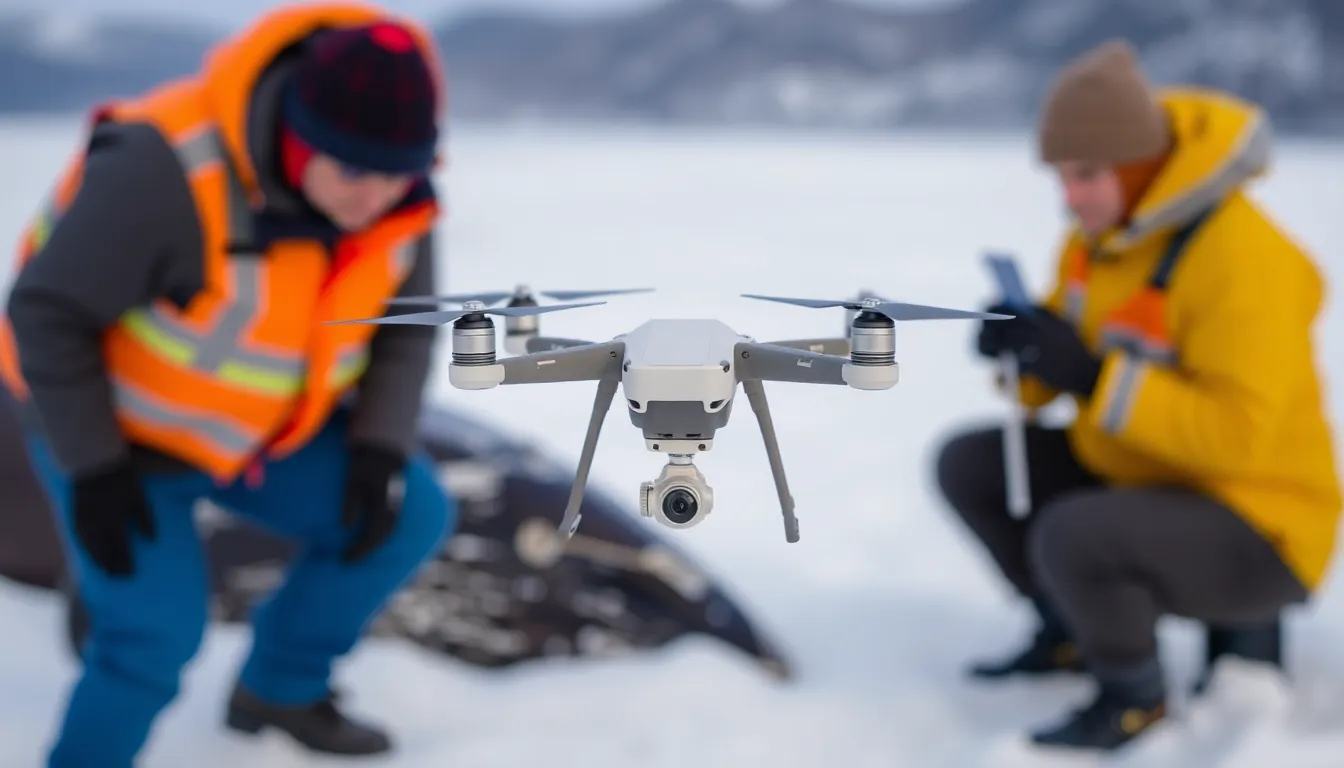
- Risks: Decline in whale populations affecting eco-tourism.
- Risks: Potential regulatory changes impacting fishing practices.
- Opportunities: Promotion of sustainable fishing and tourism practices.
- Opportunities: Increased funding for marine conservation initiatives.
Furthermore, indigenous communities, who have cultural and spiritual ties to whales, may find their traditional practices and beliefs challenged by the need for conservation measures. However, this situation also opens avenues for collaboration between scientists and local populations, fostering a deeper understanding of marine ecosystems and promoting joint conservation efforts.
A: Drones are equipped with advanced imaging technology that allows researchers to monitor whale populations from above. They can capture data on whale health and behavior, which is crucial for identifying signs of disease. A: Detecting viruses in whales is vital for understanding the health of marine ecosystems. It helps researchers assess the impact of diseases on whale populations and informs conservation strategies. A: While drones offer many benefits, there are concerns about their potential to disturb wildlife. Researchers must ensure that drone usage is conducted responsibly to minimize stress on the animals. A: In addition to drones, researchers are using satellite tracking, underwater microphones, and genetic sampling to gather comprehensive data on whale populations and their health. A: The public can support whale conservation by participating in citizen science programs, donating to marine conservation organizations, and spreading awareness about the importance of healthy oceans.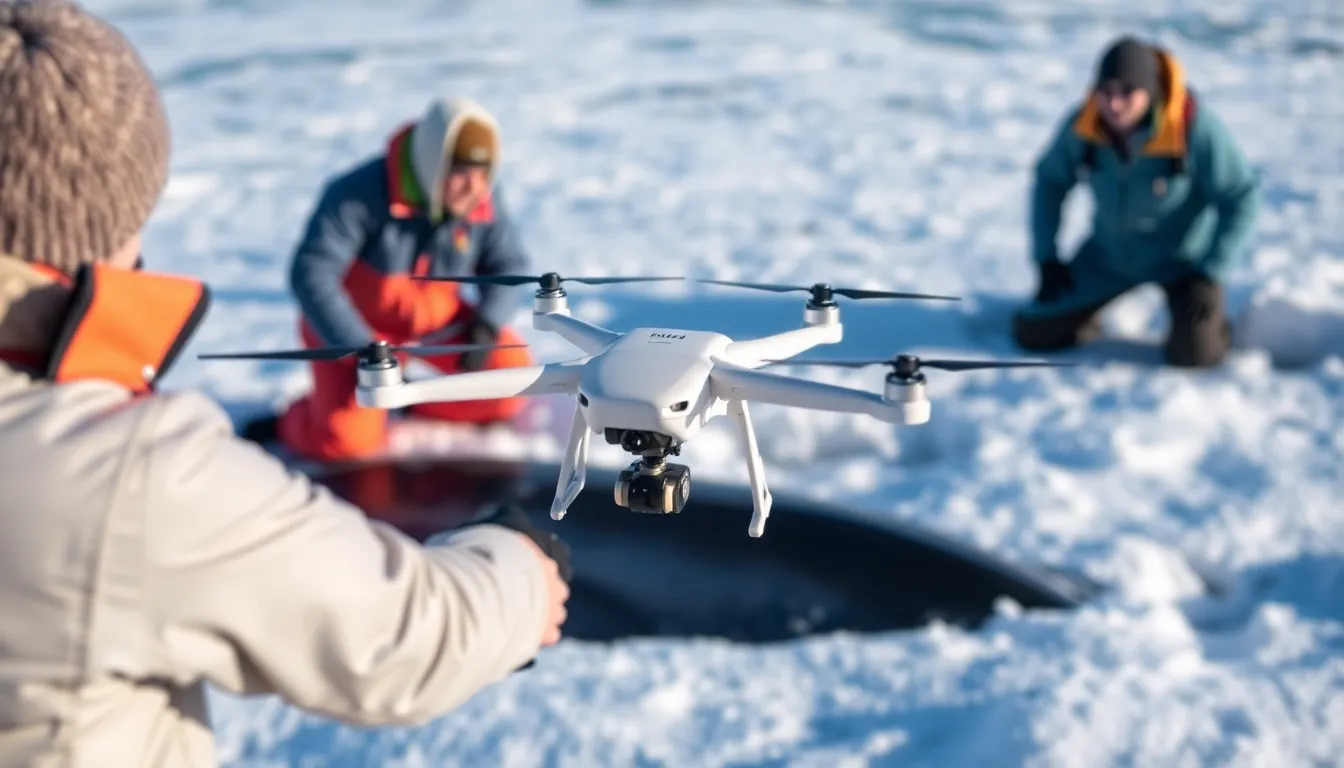
Frequently asked questions about drone usage in whale research
Future outlook on whale health and conservation efforts in the Arctic
The integration of drone technology into wildlife monitoring represents a significant advancement in understanding the health of whale populations in the Arctic. By enabling researchers to identify the presence of deadly viruses and assess overall whale health from a distance, drones offer a less invasive method of data collection. This innovative approach not only enhances our knowledge of marine ecosystems but also informs conservation strategies aimed at protecting these vital species.
As climate change continues to alter Arctic habitats, the use of drones could become increasingly essential. Monitoring whale populations and their health will be crucial for adapting conservation efforts in response to environmental changes. Stakeholders must remain vigilant in utilizing these technological advancements to ensure the sustainability of whale populations and the overall health of Arctic marine ecosystems.
- Continued investment in drone technology can improve the efficiency of wildlife monitoring and data collection.
- Understanding viral threats to whales may lead to more effective conservation policies and health management strategies.
- Collaboration between researchers, conservationists, and policymakers will be vital in addressing the impacts of climate change on marine life.
- Public awareness and education about the health of Arctic ecosystems can foster greater support for conservation initiatives.
- Long-term studies using drones could reveal trends in whale health, informing future research and conservation efforts.