


The brand’s appeal lies in its diverse product range, which includes over 100 different plush toys, many of which feature distinctive characters and soft textures. In 2022, Jellycat reported a 150% increase in sales in the Chinese market, highlighting the effectiveness of its localized marketing strategies and partnerships with popular e-commerce platforms.
Key to Jellycat’s success has been its collaboration with leading online retailers such as Tmall and JD.com, which have helped the brand reach a wider audience. Additionally, the company has embraced social media marketing, leveraging platforms like WeChat and Douyin to engage with younger consumers and build brand loyalty.
The ongoing growth of the Chinese middle class and their increasing disposable income have created a favorable environment for premium brands like Jellycat. As the company continues to innovate and adapt to local preferences, it is well-positioned to maintain its momentum in this competitive market.
The rise of plush toys in China and Jellycat’s entry
In recent years, the plush toy market in China has experienced a remarkable surge in popularity, driven by a growing middle class and increasing disposable incomes. The cultural significance of plush toys has evolved, with parents seeking high-quality, safe, and unique toys for their children. This shift in consumer behavior has created a fertile ground for international brands, particularly those that offer distinctive designs and premium materials.
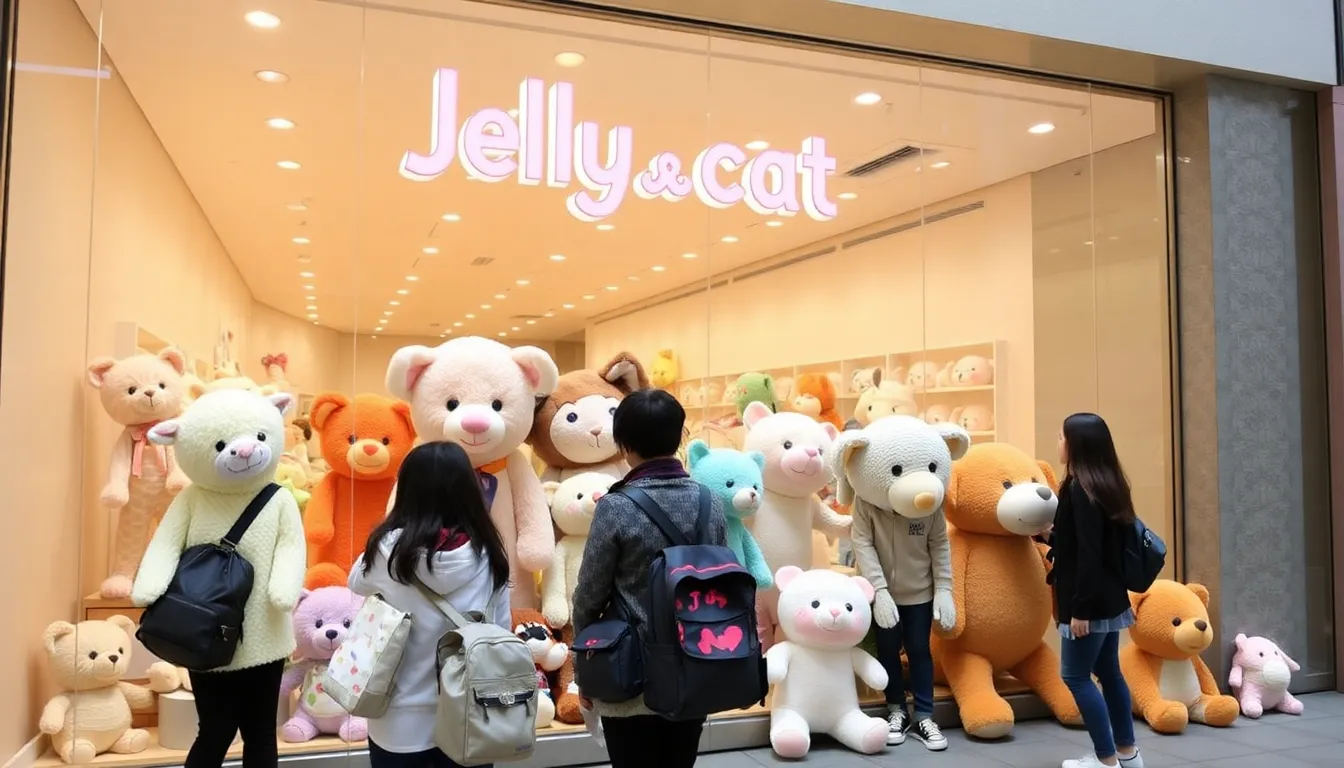
Jellycat, a British company known for its luxurious and whimsical plush toys, entered the Chinese market at a time when demand for high-quality children’s products was on the rise. Established in 1999, Jellycat quickly gained a reputation for its innovative designs and soft textures, appealing not only to children but also to adults who collect plush toys. The brand’s playful aesthetic resonated well with Chinese consumers, who value creativity and uniqueness in their purchases, similar to the thrilling experiences they seek in entertainment.
Key milestones in Jellycat’s expansion
Jellycat’s entry into China was marked by strategic partnerships with local distributors and an emphasis on e-commerce platforms, which have become essential for reaching the tech-savvy Chinese consumer. By leveraging platforms like Tmall and WeChat, Jellycat effectively tapped into a vast online shopping ecosystem. This approach allowed the brand to bypass traditional retail challenges and connect directly with its target audience.
Furthermore, Jellycat’s marketing strategies included collaborations with popular Chinese influencers and participation in local events, which helped to build brand awareness and loyalty. The company’s ability to adapt its product offerings to meet local tastes, such as introducing limited edition designs for special occasions, has also contributed to its success in the competitive Chinese market.
As the plush toy market continues to grow, Jellycat stands out as a prime example of how a foreign brand can successfully navigate the complexities of the Chinese consumer landscape. By understanding cultural nuances and leveraging digital tools, Jellycat has not only conquered a significant share of the market but has also established itself as a beloved brand among Chinese families.
Key factors behind Jellycat’s success in China
The success of Jellycat in the Chinese market can be attributed to a combination of strategic partnerships, cultural adaptation, and effective marketing. The brand has managed to align its offerings with local consumer preferences, which has been crucial in a competitive landscape dominated by both local and international players, much like how K-pop continues to thrive despite challenges, including lawsuits over contracts, as seen in the case of K-pop artists.
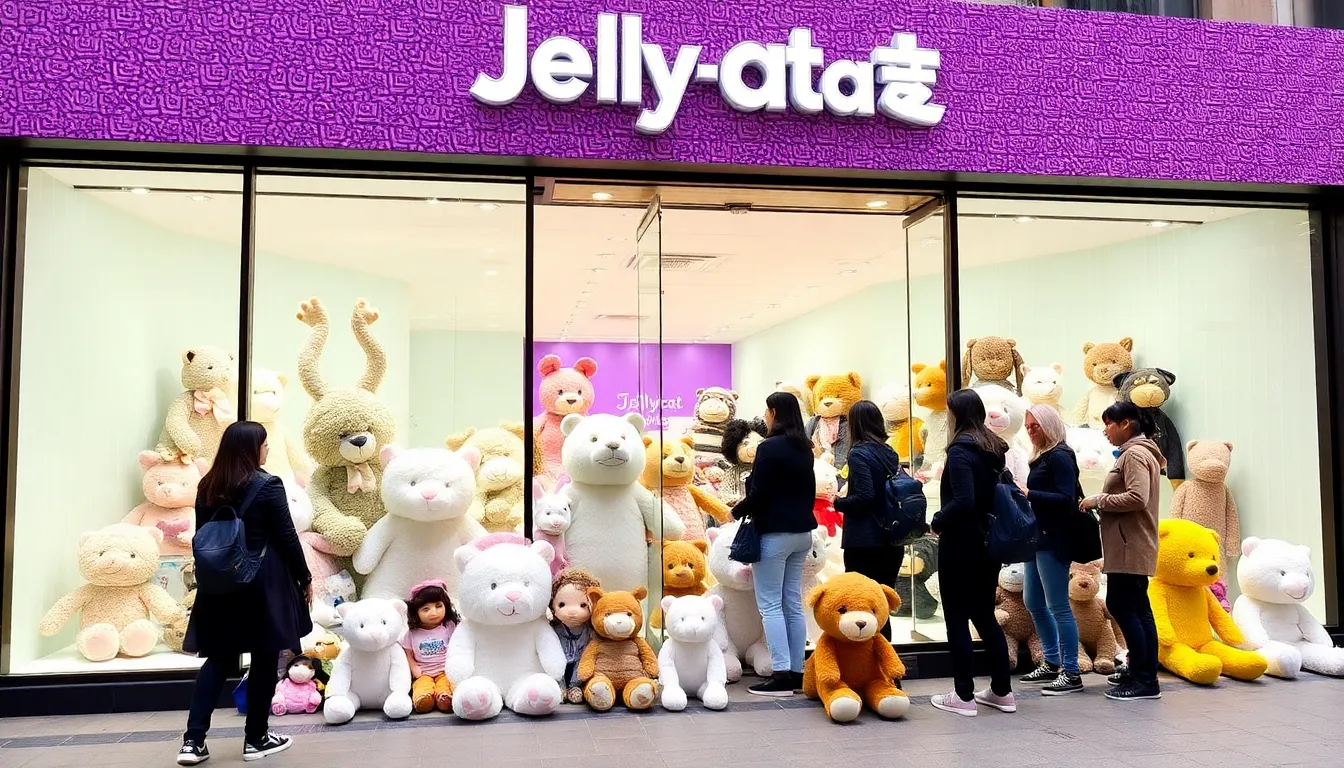
One of the main actors in this scenario is Jellycat itself, which has taken proactive steps to understand and cater to the unique tastes of Chinese consumers. This includes adapting their product lines to reflect local trends and preferences, such as incorporating popular characters and themes that resonate with children and parents alike.
Another key stakeholder is the Chinese government, which plays a significant role in regulating foreign businesses. Jellycat has navigated the complexities of Chinese import regulations and compliance standards, ensuring that their products meet the necessary safety and quality requirements. This has allowed them to build trust with consumers and retailers in the region.
Additionally, local retailers and distribution partners have been instrumental in Jellycat’s growth. By forming alliances with established retail chains, Jellycat has gained access to a wider audience and enhanced its visibility in a market that values established brands. However, this has also led to conflicts over pricing strategies and brand positioning, as local partners seek to maximize their profit margins.
- Cultural Adaptation: Tailoring products to fit local tastes and preferences.
- Regulatory Navigation: Complying with Chinese safety and quality standards.
- Retail Partnerships: Collaborating with local retailers to enhance market presence.
- Competitive Landscape: Facing challenges from both local and international competitors.
- Brand Trust: Building consumer confidence through quality assurance and marketing.
The impact of Jellycat on the Chinese toy industry
The entry of Jellycat into the Chinese market has significantly affected various groups and industries within the toy sector. Primarily, local toy manufacturers are feeling the pressure as Jellycat’s unique designs and high-quality materials set a new benchmark for plush toys. This competition may force local companies to innovate or risk losing market share.
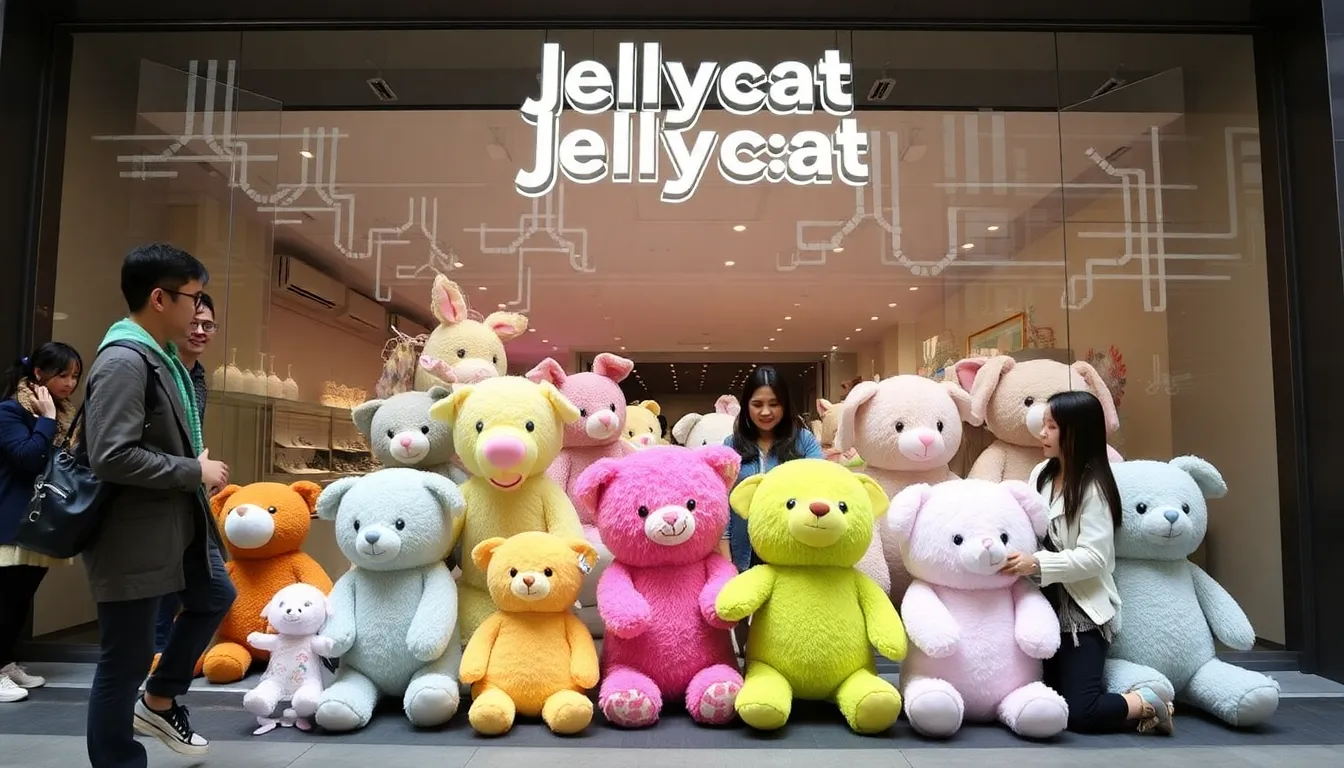
Consumers, particularly parents and children, are also impacted by Jellycat’s presence. The brand’s popularity has led to an increase in demand for premium plush toys, which may shift consumer purchasing habits towards higher-priced items. This change can result in a broader acceptance of quality over quantity in the toy market.
In the short term, businesses involved in the distribution and retail of toys may experience fluctuations in sales as they adjust to the new competitive landscape. Retailers may need to rethink their inventory strategies to accommodate the growing preference for Jellycat products, which could lead to increased collaboration with the brand.
- Opportunities for local manufacturers: The need to innovate can lead to new product lines and improved quality standards.
- Increased consumer choices: Parents and children benefit from a wider variety of premium plush toys.
- Retail adaptation: Stores may enhance their marketing strategies to highlight quality and brand stories.
However, there are risks associated with Jellycat’s dominance in the market. Local manufacturers may struggle to keep up with the high standards set by Jellycat, potentially leading to a decline in their business. Additionally, the focus on premium products may alienate budget-conscious consumers, limiting market access for lower-priced toys.
A: Jellycat toys are known for their unique designs and high-quality materials, appealing to both children and parents. Their soft textures and cute characters resonate well with Chinese consumers. A: Jellycat entered the Chinese market through strategic partnerships with local distributors and online platforms, allowing them to reach a wider audience quickly. A: Jellycat faced challenges such as intense competition from local brands and the need to adapt to local consumer preferences. However, their strong brand identity helped them overcome these hurdles. A: Yes, Jellycat toys are available in various physical stores across China, including major department stores and specialty toy shops. A: The price range for Jellycat toys in China varies, typically ranging from affordable to premium prices, depending on the size and design of the toy.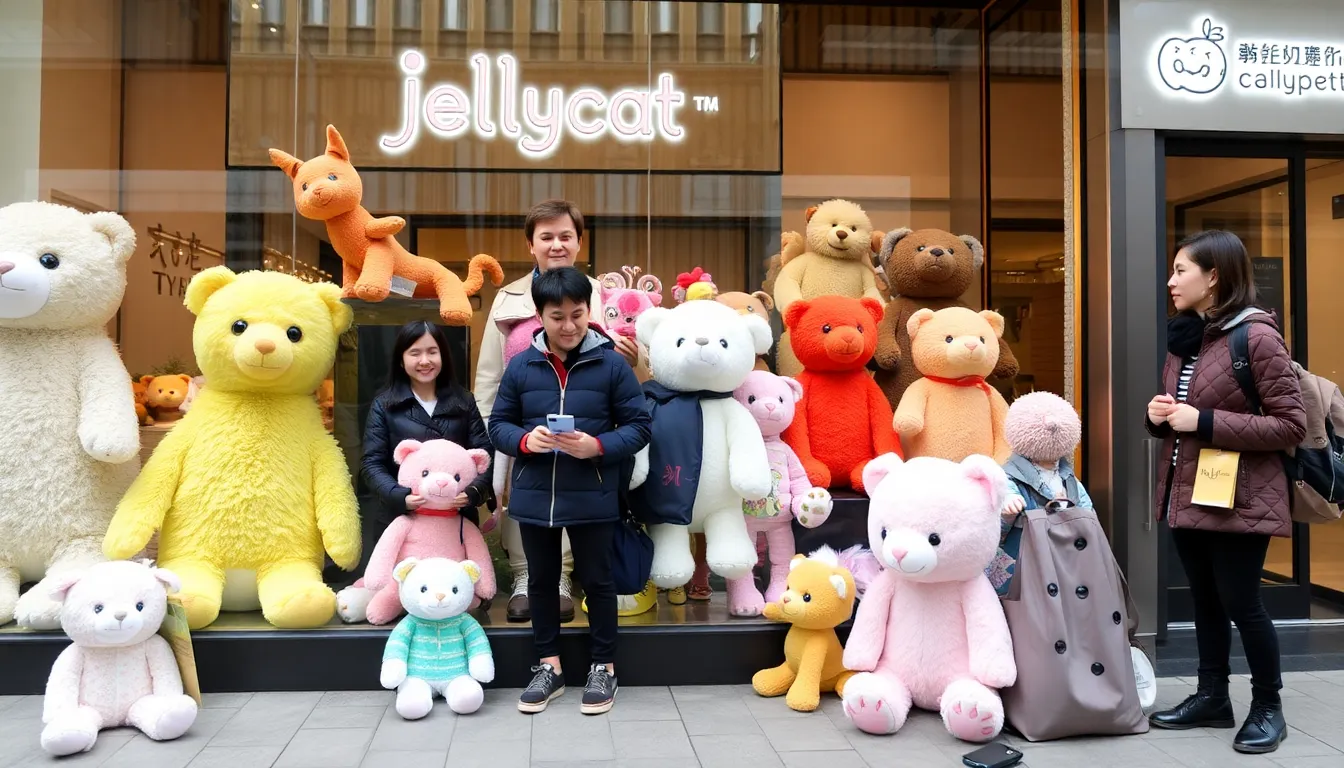
Frequently asked questions about Jellycat in China
Future prospects for Jellycat in the Chinese market
The success of Jellycat in China highlights the potential for Western brands to thrive in the rapidly evolving consumer landscape. As the demand for high-quality, unique products continues to grow among Chinese consumers, Jellycat’s ability to adapt its marketing strategies and product offerings will be crucial for sustaining its market position. The brand’s focus on emotional connection and storytelling resonates well with local consumers, suggesting that similar approaches could benefit other international brands looking to enter or expand in China.
Looking ahead, the interplay between cultural trends and consumer preferences will be essential for Jellycat. The brand’s ongoing engagement with digital platforms and influencers in China will likely play a significant role in shaping its future growth. As competition intensifies, maintaining a strong brand identity while also localizing its approach will be key to Jellycat’s long-term success in this dynamic market.
- Monitor evolving consumer preferences: Understanding shifts in taste and values among Chinese consumers will be critical for Jellycat’s continued relevance.
- Leverage digital marketing strategies: Continued investment in social media and influencer partnerships can enhance brand visibility and consumer engagement.
- Focus on product innovation: Introducing limited editions or culturally inspired designs may attract new customers and deepen brand loyalty.
- Adapt to regional trends: Tailoring products and marketing strategies to reflect regional differences within China can help capture a broader audience.