


The acknowledgment follows a series of discussions among team principals and stakeholders during the recent Italian Grand Prix held on September 3, 2023. Teams have voiced their frustrations regarding inconsistencies in the application of rules, particularly related to car safety and performance standards. The FIA’s candidness is seen as a step towards rebuilding trust with teams and fans alike. For more insights into similar topics, visit this article about public figures and their citizenship changes.
Experts believe that the FIA’s recognition of its regulatory shortcomings could lead to significant changes in how rules are formulated and enforced in the future. This situation is particularly relevant as the sport prepares for the 2024 season, where teams are eager for clarity and consistency. The FIA has committed to a thorough review of its processes to prevent similar oversights from occurring again.
The implications of this admission extend beyond regulatory adjustments; it may also impact the competitive landscape of the sport. Teams that have been adversely affected by the regulatory gaps may seek redress or adjustments to level the playing field. As the FIA works to rectify these issues, the focus will be on ensuring that all teams operate under a fair and transparent set of guidelines moving forward.
Understanding the background of FIA’s regulatory framework
The Fédération Internationale de l’Automobile (FIA) has been the governing body of motorsport since its inception in 1904. Over the decades, it has developed a complex regulatory framework aimed at ensuring safety, fairness, and competitiveness in racing. However, the evolution of these regulations has not been without its challenges, leading to criticisms and calls for reform from various stakeholders, including teams, drivers, and fans. Explore the historical context of organizations over time.

In recent years, the FIA has faced significant scrutiny regarding its regulatory decisions, particularly in Formula 1. The introduction of new technical regulations, aimed at enhancing competition and sustainability, has often been met with mixed reactions. The 2021 season, for example, highlighted a series of contentious decisions that sparked debates over the effectiveness and clarity of the rules, culminating in a controversial finale that raised questions about the FIA’s oversight and regulatory consistency.
The FIA’s candid acknowledgment of a “miss” in previous regulations reflects a growing recognition of the need for transparency and adaptability in its governance. This admission comes at a time when the sport is under increasing pressure to modernize and address the evolving expectations of fans and stakeholders. The organization’s willingness to confront its past missteps signals a potential shift towards more proactive and inclusive regulatory practices. The need for collaboration is echoed across various sectors, as noted in recent discussions about leadership changes in businesses.
Key Milestones in FIA’s Regulatory Evolution
Several key milestones have shaped the FIA’s regulatory framework over the years. The introduction of the Concorde Agreement in 1981 established a formal structure for the governance of Formula 1, outlining the rights and responsibilities of teams and the FIA. Additionally, the implementation of the cost cap in 2021 marked a significant step towards financial sustainability in the sport, aimed at leveling the playing field among teams. However, the challenges faced in enforcing these regulations demonstrate the complexities of governing a sport that is constantly evolving.
Key stakeholders and implications of the FIA’s statement
The recent acknowledgment by the FIA regarding a ‘miss’ in previous Formula 1 regulations highlights several key stakeholders involved in the sport. The primary actors include the FIA itself, Formula 1 teams, drivers, sponsors, and fans. Each of these stakeholders has distinct interests that influence their perspectives on regulatory changes and their implications for the sport.
The FIA, as the governing body, is tasked with ensuring fair competition and safety in Formula 1. Their admission of shortcomings in past regulations raises questions about their regulatory processes and decision-making. This could lead to increased scrutiny from teams and drivers, who depend on consistent and transparent rules to guide their strategies and performance on the track.
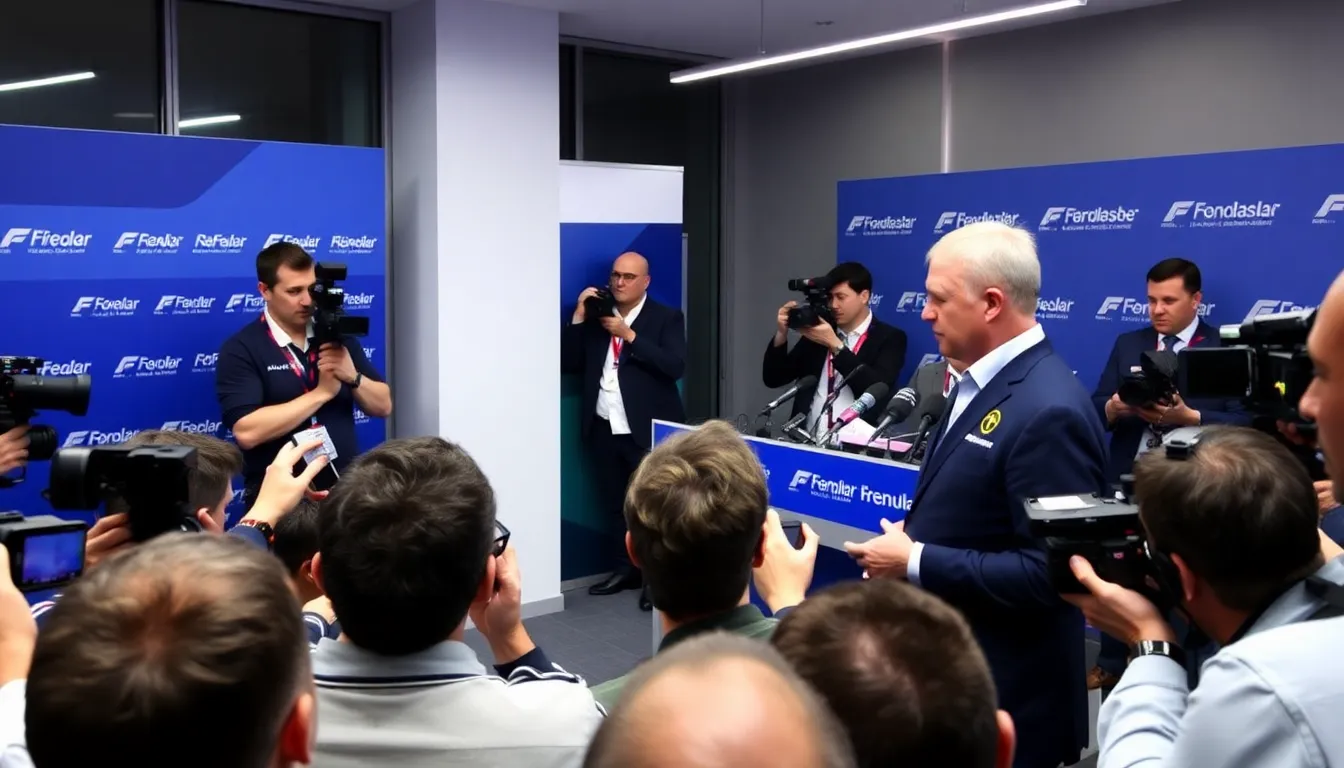
Formula 1 teams, including both established and new entrants, have vested interests in how regulations shape the competitive landscape. Teams invest significant resources in technology and personnel to comply with regulations, and any perceived inconsistency can lead to disputes over fairness and competitiveness. This situation might result in a push for more collaborative regulatory processes between the FIA and teams to prevent similar issues in the future.
- Drivers’ safety: The acknowledgment of regulatory shortcomings raises concerns about driver safety, a primary interest for all involved.
- Sponsor confidence: Sponsors may question the stability of the sport if regulations are perceived as poorly managed, affecting their investment decisions.
- Fan engagement: Fans expect a fair and exciting competition, and regulatory issues can impact their perception and enjoyment of the sport.
Additionally, the implications of the FIA’s statement extend to economic considerations, particularly in terms of the sport’s global appeal and marketability. If stakeholders perceive that the FIA is not effectively managing regulations, it could lead to diminished interest from potential sponsors and a decline in viewership. This scenario underscores the need for the FIA to enhance its regulatory framework to maintain the integrity and allure of Formula 1.
Potential effects on teams and the future of F1 regulations
The recent candid acknowledgment by the FIA regarding a shortcoming in previous Formula 1 regulations has far-reaching implications for various stakeholders in the motorsport industry. Teams, sponsors, and fans are among the primary groups affected, as they navigate the evolving landscape of F1 rules and standards.
In the short term, teams may experience disruptions as they adapt to new regulations that could impact car design and performance. This could lead to increased costs and resource allocation towards compliance and development. Additionally, sponsors may reassess their partnerships, especially if the regulatory changes affect team competitiveness or visibility in races.
In the mid-term, these regulatory changes could reshape the competitive dynamics within F1. Teams that are quick to adapt might find themselves with a competitive edge, while others could struggle to catch up. This shift could lead to a more varied race outcome, potentially increasing fan engagement but also posing risks of inconsistency in team performance.

- Increased operational costs for teams as they adjust to new regulations.
- Potential for enhanced competition as teams innovate to meet standards.
- Shifts in sponsorship dynamics based on team performance and compliance.
- Fan engagement may fluctuate as teams adapt to the new landscape.
Moreover, the FIA’s admission could lead to a broader dialogue about regulatory practices in motorsport, prompting calls for more transparent and collaborative approaches to rule-making. This presents an opportunity for the FIA to enhance its relationship with teams and stakeholders, fostering a more inclusive environment that encourages feedback and innovation.
A: The FIA did not specify which regulations were overlooked but acknowledged that certain aspects could have been better addressed to ensure fair competition. A: This admission may lead to a reevaluation of existing regulations and prompt the FIA to implement changes aimed at improving the sport’s integrity. A: Yes, teams have expressed mixed reactions, with some supporting the need for change while others remain cautious about the implications. A: The FIA’s candidness may enhance its credibility by showing transparency, but it also raises concerns about past regulatory effectiveness. A: Immediate changes are unlikely, but discussions around regulatory reforms are expected to intensify in the coming months.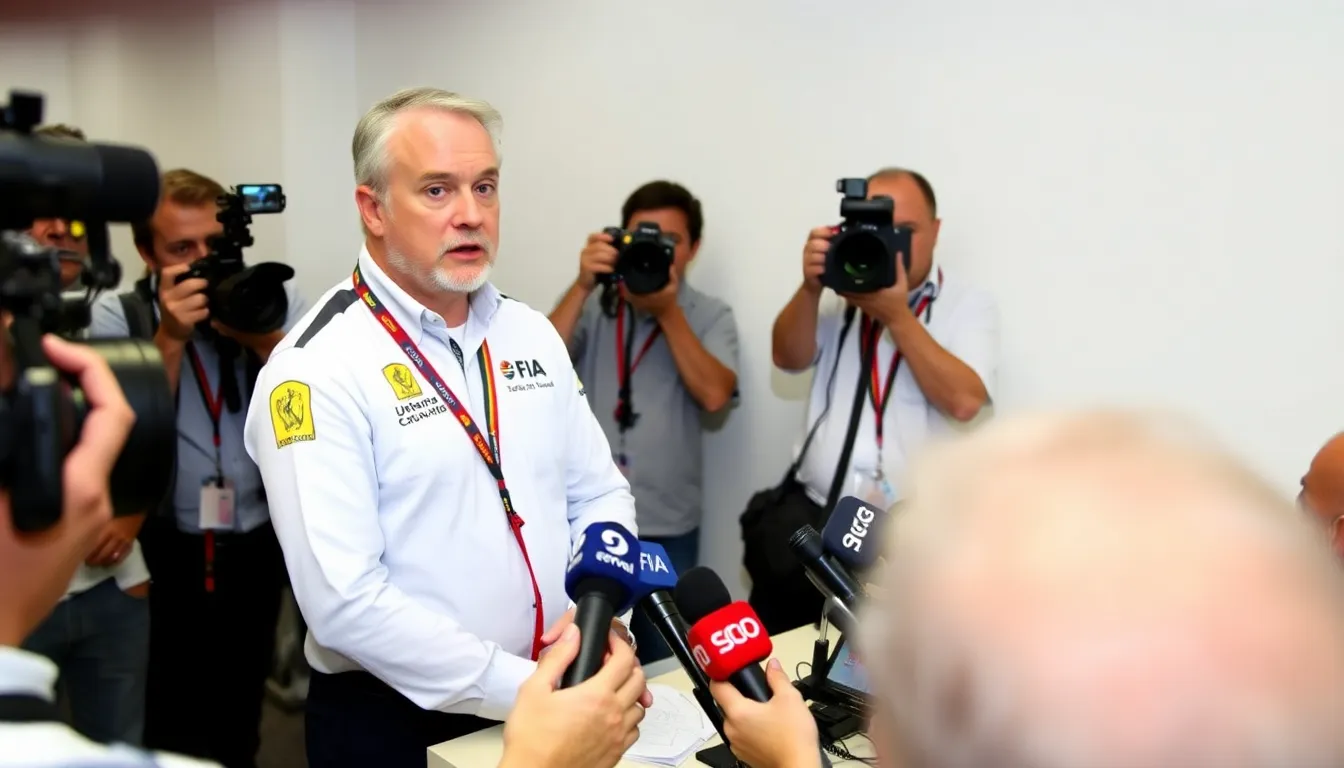
Frequently asked questions about FIA’s regulatory changes
Looking ahead: Key takeaways from FIA’s candid remarks
The FIA’s acknowledgment of shortcomings in previous Formula 1 regulations opens the door to a more transparent and responsive governance structure within the sport. This admission not only highlights the complexities of regulatory frameworks but also underscores the importance of continuous improvement in the face of evolving challenges. As the FIA moves forward, stakeholders will be closely observing how these insights translate into actionable changes that enhance both safety and competitiveness in F1.
Going forward, it will be crucial for the FIA to implement a more inclusive approach to regulation development, ensuring that all voices within the F1 community are heard. This could lead to more robust regulations that better address the needs of teams, drivers, and fans alike, ultimately fostering a more dynamic racing environment.
- Increased transparency: The FIA’s openness about regulatory shortcomings may lead to more transparent decision-making processes in the future.
- Stakeholder engagement: A more collaborative approach involving teams, drivers, and fans could enhance the effectiveness of future regulations.
- Focus on safety: With the acknowledgment of past mistakes, there may be a renewed commitment to prioritize safety in all regulatory considerations.
- Evolution of regulations: Expect ongoing adjustments to regulations as the FIA seeks to adapt to the rapidly changing landscape of motorsport.
- Monitoring performance: The FIA might implement more rigorous performance evaluations to ensure that new regulations are meeting their intended goals.