


In September 2023, a public meeting was held to address the challenges facing the burial ground, including issues related to vandalism and neglect. Community members, alongside representatives from the Arlington Historical Society, voiced their concerns about the site’s deteriorating condition. The meeting highlighted the need for increased funding and resources to ensure the preservation of this important cultural landmark.
Moreover, the Arlington County government has initiated a review process to assess the burial ground’s historical significance and potential for designation as a protected site. This review is expected to conclude by early 2024, which could lead to enhanced legal protections and funding for restoration efforts. Local advocates are hopeful that these actions will not only preserve the burial ground but also raise awareness about its historical value.
As preservation efforts continue, the Old Ball Family Burial Ground serves as a reminder of the region’s rich history and the importance of safeguarding its heritage. The outcome of the ongoing discussions and reviews will play a crucial role in determining the future of this historic site and its role in the community.
Historical background of the burial ground
The Old Ball Family Burial Ground, located in Arlington, Virginia, is a site steeped in history, reflecting the region’s complex social and political landscape. Established in the early 19th century, this burial ground serves as the final resting place for members of the Ball family, who were among the early settlers in the area. Their contributions to the community and the development of Arlington provide a glimpse into the lives of those who shaped the region during its formative years.
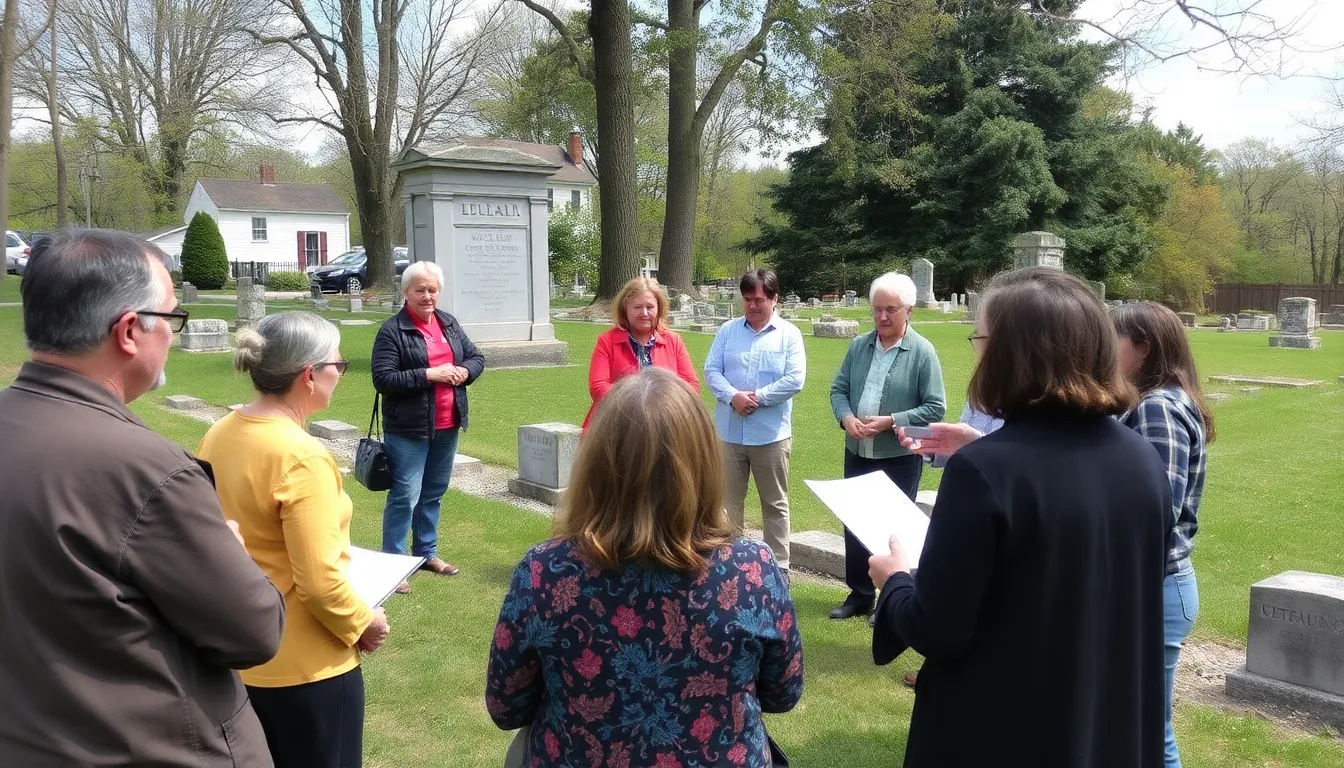
In the mid-1800s, Arlington was a burgeoning community, transitioning from rural farmland to a more populated area due to its proximity to Washington, D.C. The Ball family, like many others, played a significant role in this transformation. The burial ground itself, which contains gravestones dating back to the 1830s, reflects the changing demographics of the region as it grew and evolved through the years.
Significant milestones in local history
Several key milestones have marked the historical significance of the Old Ball Family Burial Ground. In 1861, the Civil War brought dramatic changes to Arlington, with the area becoming a strategic military location. The impact of the war on local families, including the Balls, was profound, as many lost loved ones and faced the challenges of reconstruction in the post-war era. This period saw shifts in property ownership and the establishment of new community norms, further intertwining the burial ground with the region’s historical narrative, which can be explored further in the upcoming historical discussions.
In the late 20th century, the site faced threats from urban development and changing land use policies. Preservation efforts gained momentum as local historians and community members recognized the importance of the burial ground as a cultural and historical landmark. These efforts culminated in its designation as a protected site, ensuring that the legacy of the Ball family and their contributions to Arlington would not be forgotten.
Today, the Old Ball Family Burial Ground stands as a testament to the rich history of Arlington, representing not only the Ball family’s legacy but also the broader story of a community that has navigated significant social and political changes over the centuries. It serves as a reminder of the importance of preserving local history and honoring those who came before us.
Key issues surrounding the preservation of the site
The Old Ball Family Burial Ground in Arlington, Virginia, is a site of historical significance that has drawn the attention of various stakeholders, including local government, preservation organizations, and community members. Each of these actors has distinct interests that inform their approach to the preservation of this burial ground, highlighting the need for a balanced conversation that also considers modern challenges such as those faced by figures in the media, like Drake and Adin Ross in their respective domains.
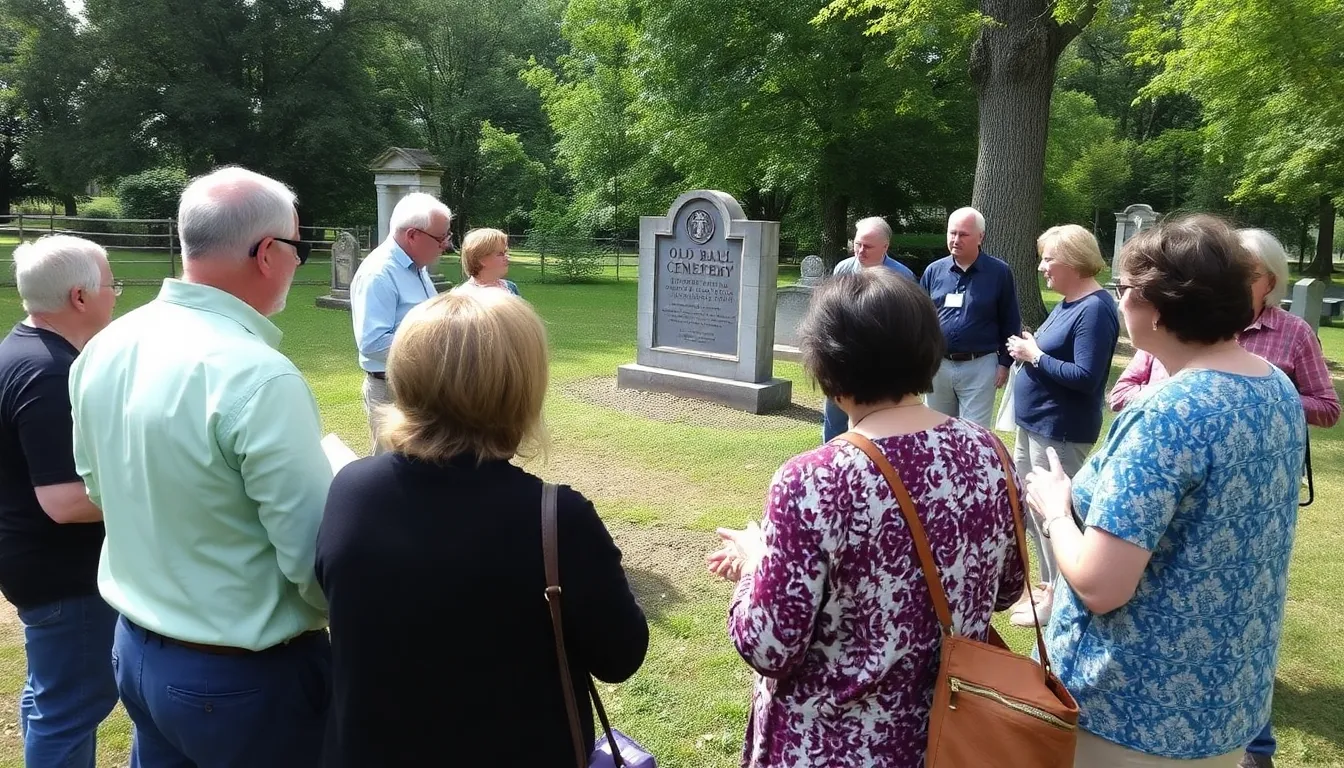
Local government entities are primarily focused on balancing development needs with historical preservation. As Arlington continues to grow, the pressure to utilize land for housing and commercial purposes often conflicts with the desire to maintain sites of cultural importance. This creates a complex scenario where economic development may overshadow historical considerations.
Preservation organizations advocate for the protection of the burial ground, emphasizing its cultural and historical value. They argue that sites like the Old Ball Family Burial Ground are essential for understanding local history and heritage. These organizations often face challenges in securing funding and support, which can hinder their efforts to maintain and protect such sites.
- Legal Issues: Zoning laws and land use regulations can complicate preservation efforts, as developers may seek to alter the land for new projects.
- Community Interests: Local residents may have varying opinions on the burial ground’s significance, leading to differing levels of support for preservation initiatives.
- Economic Trade-offs: The potential economic benefits of development can clash with the costs associated with preserving historical sites, creating a contentious debate.
- Environmental Considerations: Preservation efforts must also take into account the environmental impact of nearby development and how it affects the burial ground.
- Education and Awareness: Raising awareness about the historical significance of the site is crucial for garnering community support for preservation efforts.
In summary, the preservation of the Old Ball Family Burial Ground involves a complex interplay of interests among various stakeholders. Understanding these dynamics is essential for addressing the key issues at hand and fostering a collaborative approach to preservation.
Impact on the local community and heritage tourism
The Old Ball Family Burial Ground in Arlington, Virginia, serves as a significant historical site that impacts various groups within the community, including local residents, historians, and heritage tourism stakeholders. The preservation and recognition of this burial ground not only honors the legacy of the Ball family but also enhances the cultural fabric of Arlington.
In the short term, the increased attention to the burial ground may lead to a rise in local tourism. Visitors interested in history and genealogy are likely to explore this site, benefiting local businesses such as restaurants, shops, and hotels. However, this influx can also strain community resources, leading to challenges in managing visitor traffic and maintaining the site.
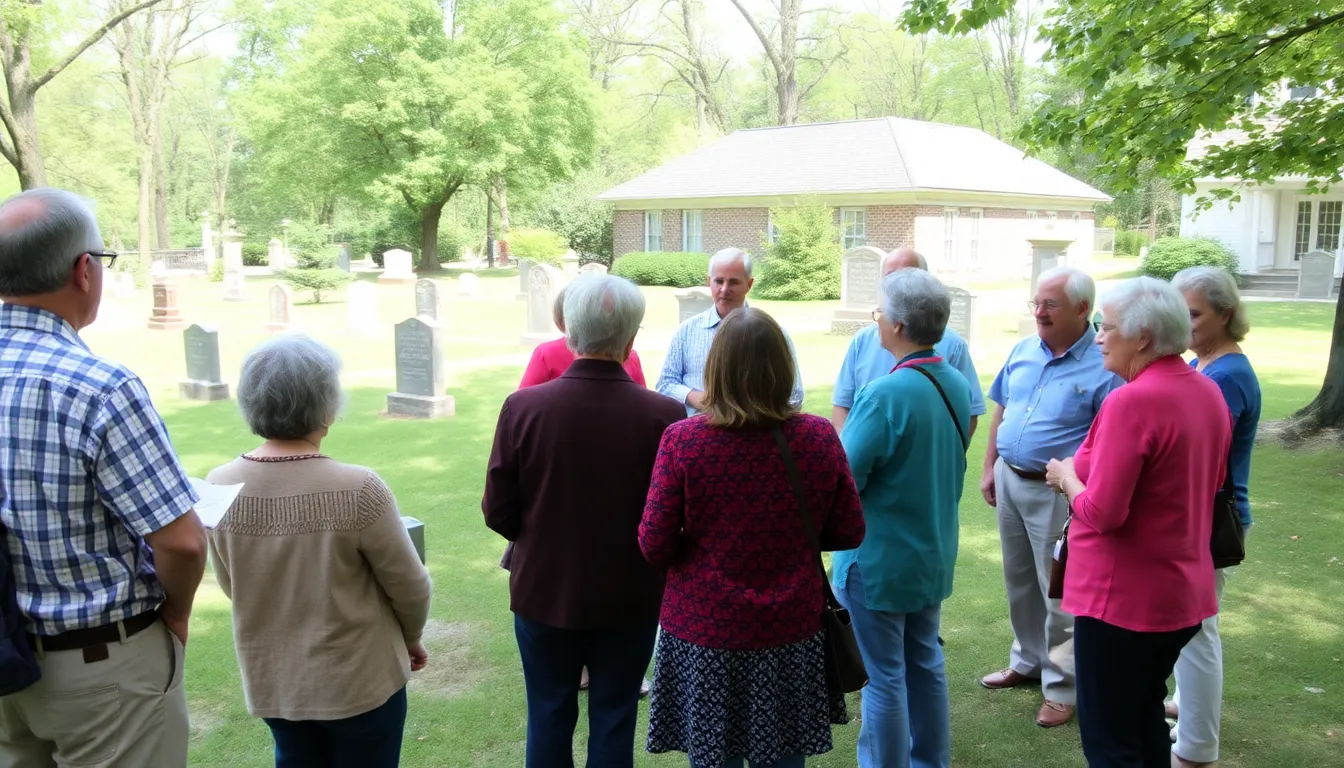
Mid-term impacts may include policy discussions around heritage preservation and land use in Arlington. Local authorities may need to consider regulations that protect such sites while balancing development needs. This could open opportunities for community engagement initiatives, inviting residents to participate in the preservation efforts and fostering a sense of ownership over local heritage.
- Risks: Increased foot traffic could lead to wear and tear on the burial ground.
- Opportunities: Potential for new heritage tourism programs that educate visitors about local history.
- Community Engagement: Encouragement of local volunteer efforts to maintain and promote the site.
As the Old Ball Family Burial Ground gains recognition, it may also inspire similar initiatives in neighboring regions, promoting a broader appreciation for historical preservation. This ripple effect can strengthen community ties and enhance the overall cultural landscape of Arlington and beyond.
A: The Old Ball Family Burial Ground is significant as it represents the historical legacy of the Ball family and their contributions to the local community. It serves as a reminder of the area’s cultural heritage. A: The Old Ball Family Burial Ground is located in Arlington, Virginia, easily accessible for visitors interested in local history. A: Yes, there are ongoing efforts by local historical societies and community groups to preserve the burial ground and maintain its historical integrity. A: Access to the burial ground may vary, but it is generally open to the public for educational purposes. Visitors are encouraged to respect the site. A: Visitors can learn about the history of the Ball family, local burial practices, and the broader historical context of Arlington during the time the site was established.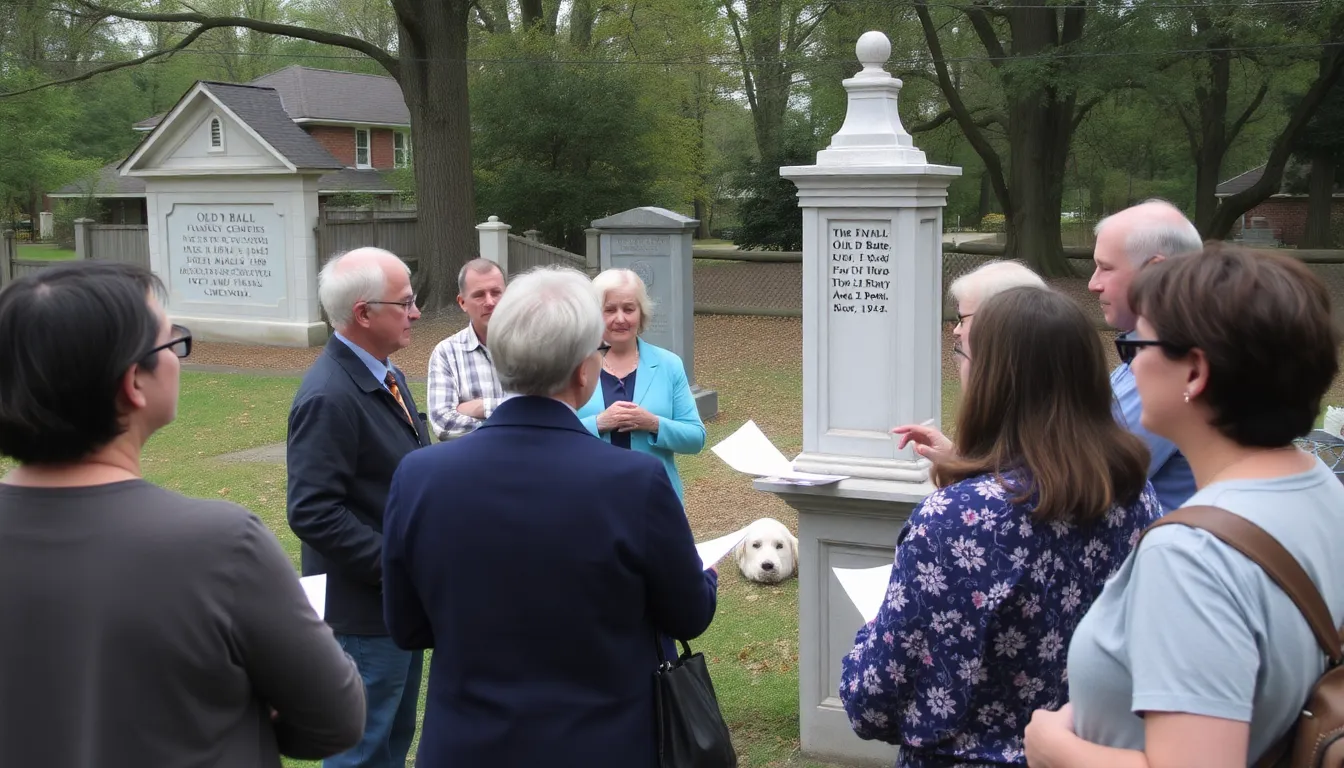
Frequently asked questions about the burial ground
Insights and future outlook for the burial ground
The Old Ball Family Burial Ground in Arlington, Virginia, serves as a poignant reminder of the region’s rich historical tapestry. As preservation efforts continue, the importance of maintaining such sites becomes increasingly evident, not only for honoring those interred but also for educating future generations about local history and heritage. The ongoing dialogue surrounding the burial ground highlights the community’s commitment to preserving its past while navigating the complexities of modern development.
Looking ahead, the potential for increased public engagement and educational initiatives surrounding the site could foster a deeper appreciation for the area’s historical significance. As local authorities and historians collaborate, there is an opportunity to enhance the visibility of the burial ground, ensuring that it remains a respected landmark for years to come.
- Increased community involvement in preservation efforts may lead to more resources for maintaining the site.
- Educational programs could be developed to raise awareness about the historical significance of the burial ground.
- Future urban development plans should consider the burial ground’s historical context to prevent potential conflicts.
- Collaboration between local historians and government officials could enhance the site’s accessibility and interpretation.
- Public interest in heritage tourism may grow, providing opportunities for local economic development centered around historical sites.