


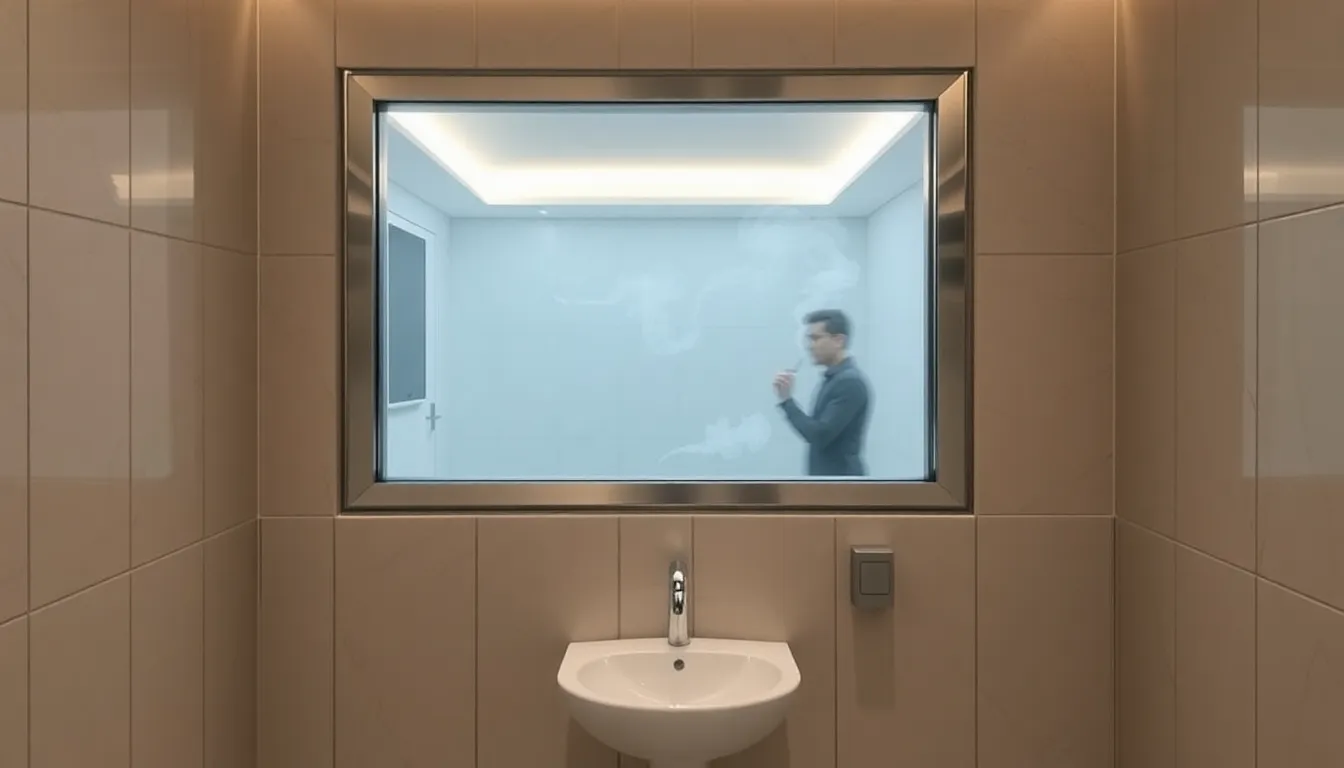
One of the most notable responses has been the introduction of instant see-through windows in mall bathrooms. These transparent panels, activated when smoke is detected, allow mall security and management to monitor activities in real-time. This technology aims to deter smokers by increasing the likelihood of being caught, contributing to efforts in maintaining a smoke-free environment.
As of October 2023, malls in cities like Beijing and Shanghai have begun implementing these systems, receiving mixed reactions from the public. While some shoppers appreciate the effort to maintain a smoke-free environment, others express concerns about privacy and the potential for misuse of surveillance technology.
The initiative is part of a broader campaign by the Chinese government to enforce stricter anti-smoking regulations in public spaces. With the rise of health awareness among the population, addressing smoking in malls aligns with national efforts to promote cleaner and safer public environments.
As this situation evolves, the effectiveness of these see-through windows will be closely monitored. The outcome may influence future policies and technologies aimed at reducing smoking in public areas throughout China, highlighting a significant shift in public health initiatives.
Understanding the rise of smoking in public bathrooms
In recent years, the issue of smoking in public bathrooms has gained prominence, particularly in urban areas where smoking regulations have become stricter. The rise of smoking in these confined spaces can be attributed to a combination of social behaviors, cultural norms, and the evolving landscape of public health policies. As cities implement comprehensive smoking bans in public places, some smokers have turned to bathrooms as a refuge, leading to conflicts between public health objectives and personal habits.
Historically, smoking has been a deeply ingrained part of social culture in China, with a significant portion of the population engaging in the habit. The normalization of smoking in public spaces, including bathrooms, reflects a broader societal acceptance that has persisted despite increasing awareness of health risks. Over the past two decades, the Chinese government has recognized the need to combat smoking-related health issues, resulting in the introduction of various anti-smoking campaigns and regulations aimed at reducing tobacco use.
The impact of anti-smoking regulations
As anti-smoking regulations have become more stringent, public spaces have transformed significantly. In 2011, the Chinese government launched a nationwide campaign to ban smoking in public areas, aiming to improve public health and reduce the burden of smoking-related diseases. However, enforcement of these regulations has often been inconsistent, leading some individuals to seek alternative locations, such as bathrooms, to indulge their habit. This shift has created new challenges for mall operators and public health officials, as they grapple with maintaining a smoke-free environment while respecting personal freedoms.
The economic implications of smoking in public bathrooms also cannot be overlooked. Shopping malls and commercial establishments face financial losses due to damage caused by cigarette smoke, including the need for frequent cleaning and maintenance. Innovative solutions like instant see-through windows have emerged as a response to this growing problem, thus addressing both health and financial concerns within the industry.
Key stakeholders and concerns surrounding bathroom smoking
The introduction of instant see-through windows in Chinese malls to combat bathroom smoking has sparked a multifaceted discussion involving various stakeholders. These include mall owners, shoppers, health advocacy groups, and local government authorities. Each group has distinct interests that shape their perspectives on this innovative solution.
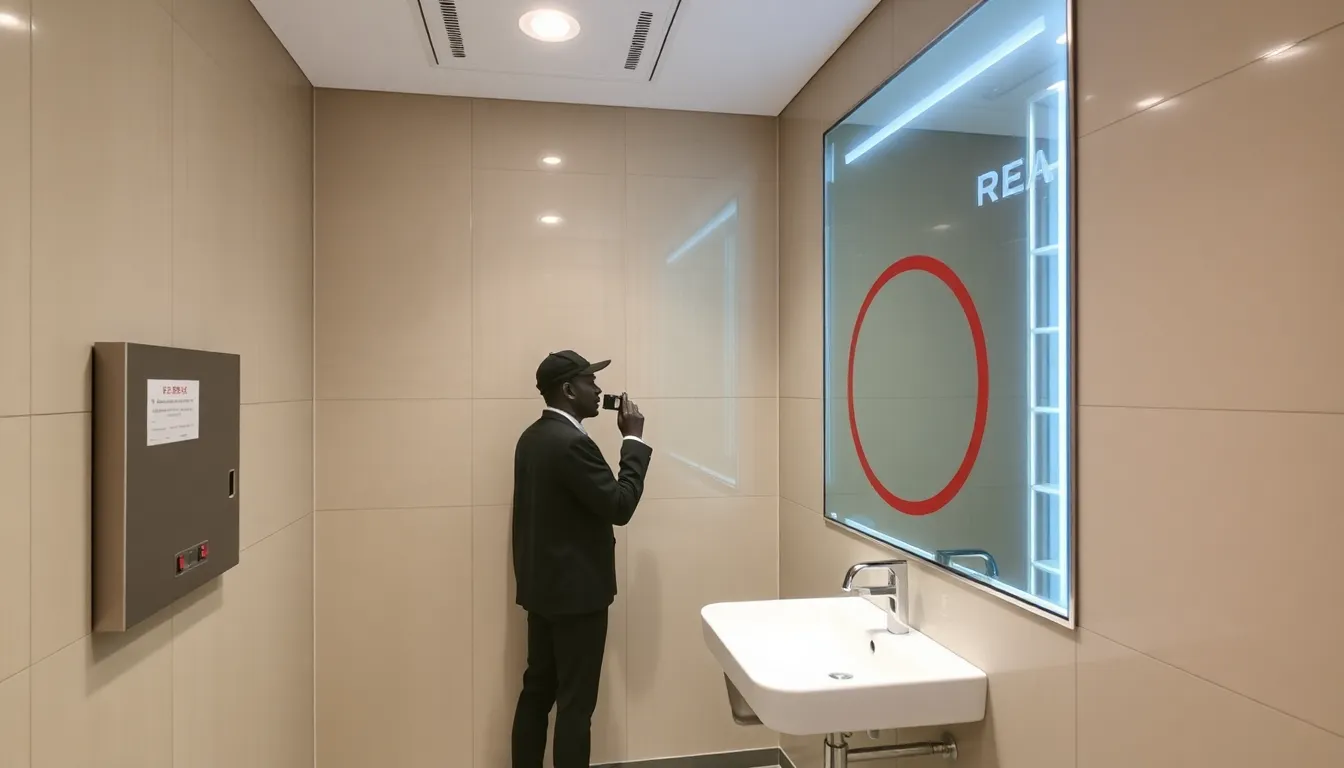
Mall owners are primarily concerned with maintaining a pleasant shopping environment and ensuring customer satisfaction. The presence of smoke in restrooms can deter shoppers, leading to potential revenue losses. By implementing see-through windows, mall operators aim to discourage smoking in these areas, thereby enhancing the overall shopping experience.
Shoppers, particularly non-smokers, have a vested interest in clean and smoke-free facilities. They may support the initiative as it promotes public health and personal comfort. However, some smokers may feel that their rights are being infringed upon, leading to a potential conflict between these two groups. The challenge lies in balancing the needs of all patrons while promoting a healthier environment.
Health advocacy groups are another key player in this scenario. Their focus is on the health implications of smoking, particularly in enclosed spaces like mall restrooms. They may view the introduction of see-through windows as a positive step towards reducing secondhand smoke exposure. However, they might also raise concerns about privacy and the effectiveness of such measures in truly deterring smokers.
- Privacy concerns: Instant see-through windows may compromise the privacy of restroom users, leading to public backlash.
- Legal implications: The implementation of such technology may require compliance with local laws regarding public restrooms and smoking regulations.
- Economic impact: Mall owners may experience initial costs related to the installation of this technology, but potential long-term benefits could outweigh these expenses.
- Consumer behavior: The effectiveness of see-through windows in changing smoking habits remains uncertain, prompting questions about consumer compliance.
- Public health advocacy: Support from health organizations could bolster the initiative, promoting a broader acceptance among the public.
Impact on mall visitors and public health initiatives
The implementation of instant see-through windows in Chinese malls is set to affect various groups, including mall visitors, smokers, and public health organizations. By targeting bathroom smokers, the initiative aims to create a healthier environment for all patrons, particularly families and children who frequent these spaces. The visibility provided by these windows is designed to deter smoking in enclosed areas, thereby promoting cleaner air and reducing secondhand smoke exposure.
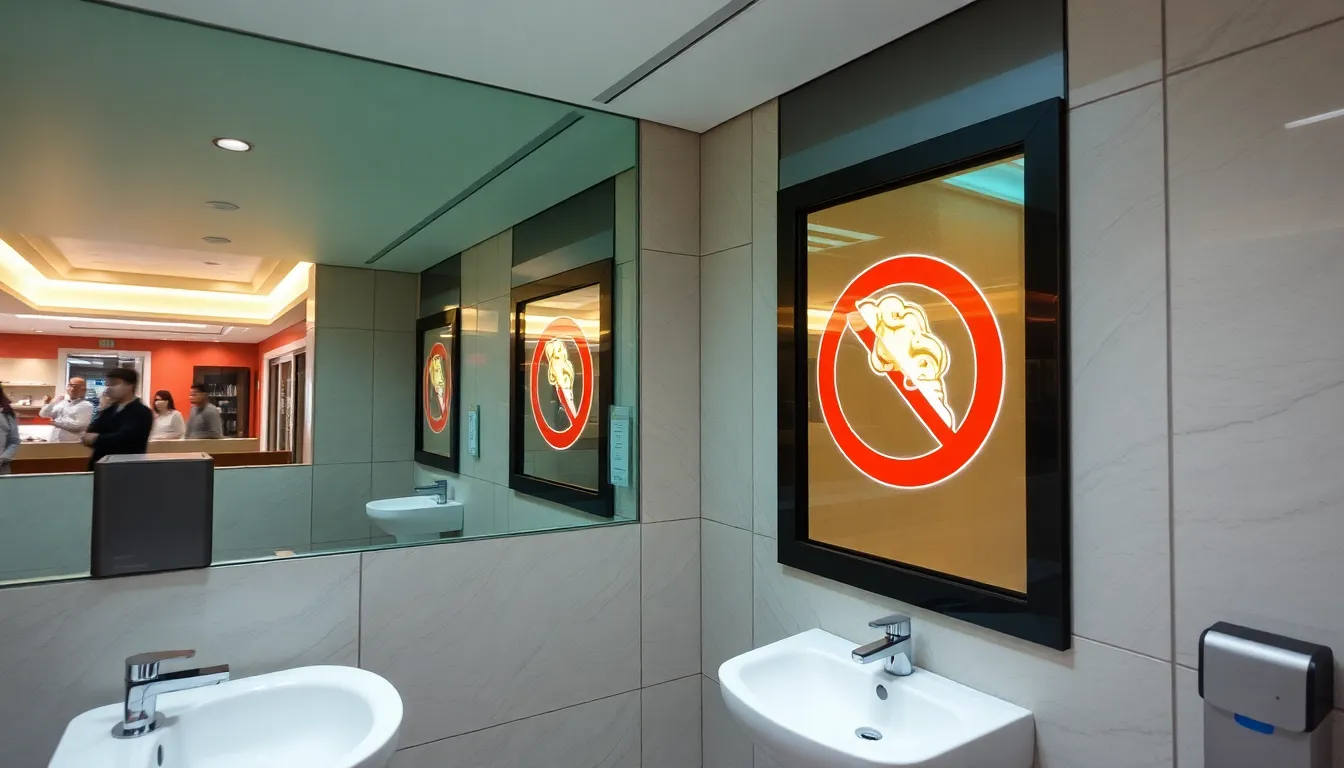
In the short term, mall visitors may experience a more pleasant and safer atmosphere, as the initiative could lead to a decline in smoking-related incidents. This could enhance the overall shopping experience, encouraging more families to visit malls without the concern of encountering smoke in restrooms. However, smokers may feel marginalized, leading to potential pushback or resistance from this group as they seek alternative smoking areas.
In the mid-term, businesses within malls may see a shift in customer demographics, with non-smokers likely feeling more comfortable spending time in these environments. This could lead to increased foot traffic and sales for stores, particularly those catering to families. However, mall operators must navigate the balance between enforcing smoking bans and maintaining a welcoming environment for all visitors.
- Public health benefits: Reduction in secondhand smoke exposure.
- Increased foot traffic: Non-smokers may be more inclined to visit malls.
- Potential backlash: Smokers may seek alternative locations to smoke.
- Business opportunities: Stores may cater more to families and health-conscious consumers.
Additionally, public health initiatives may gain momentum as a result of this innovative approach. The visibility of smoking behavior can serve as a catalyst for broader discussions on smoking regulations and public health policies. As more malls adopt similar measures, there is potential for a ripple effect across other regions, encouraging a nationwide shift towards smoke-free public spaces.
A: The windows use advanced technology to become transparent or opaque based on a sensor’s detection of smoke. This allows for immediate visibility into the bathroom, discouraging smoking. A: Yes, privacy is a significant concern. However, the technology is designed to ensure that privacy is maintained when the windows are opaque. A: Initial reactions have been mixed, with some praising the effort to improve air quality, while others express discomfort with the idea of transparency in restrooms. A: Currently, this technology is unique to the specific mall, but there is interest from other establishments to adopt similar measures to combat smoking. A: Early reports suggest a reduction in smoking incidents in the bathrooms, indicating that the initiative may be effective in promoting healthier environments.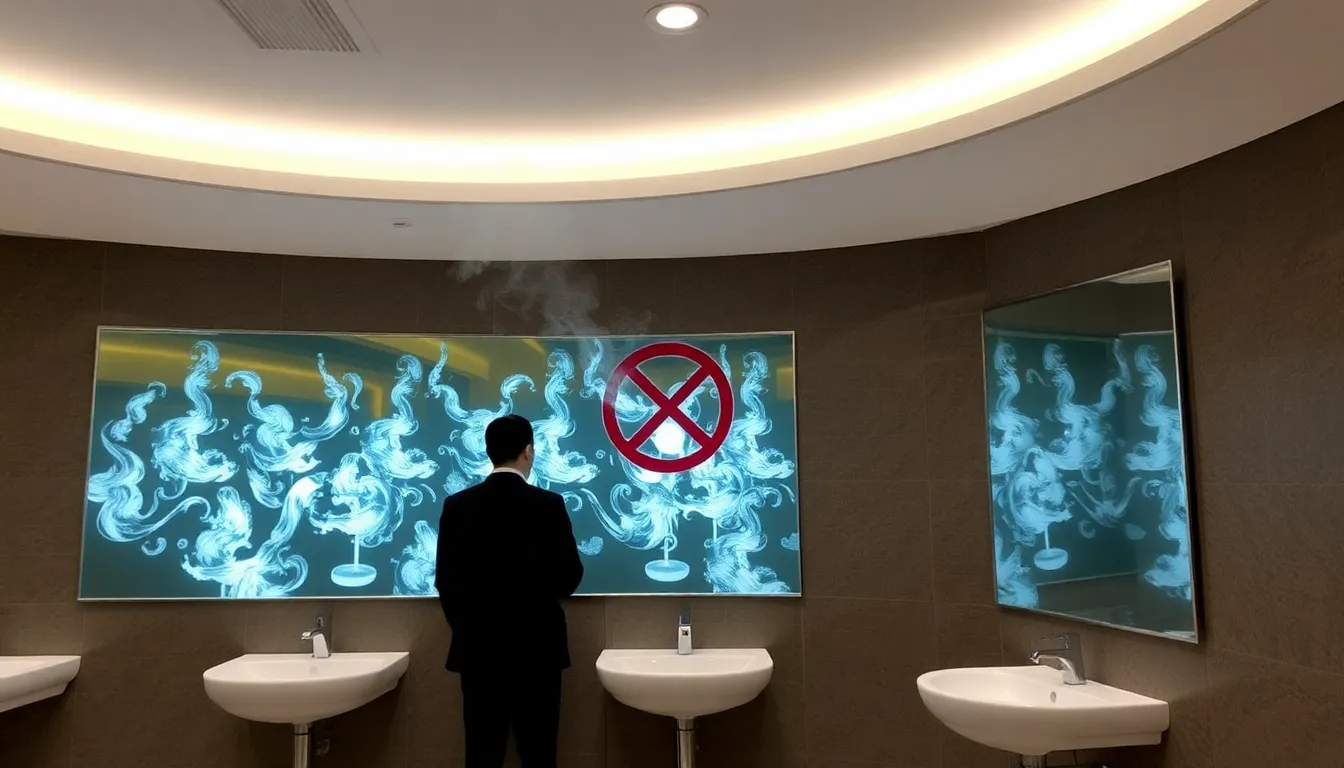
Frequently asked questions about the new window technology
Looking ahead: implications of see-through windows in public spaces
The introduction of see-through windows in Chinese malls represents a significant shift in how public spaces manage behavior and maintain a pleasant environment. By addressing the issue of bathroom smoking through innovative design, malls are not only enhancing user experience but also setting a precedent for how technology can be utilized to enforce social norms. This approach may inspire other public venues to adopt similar strategies, leading to a broader cultural change regarding public smoking and hygiene.
As this trend develops, it will be crucial to monitor consumer reactions and the effectiveness of such measures in deterring unwanted behaviors. The balance between privacy and transparency in public spaces will likely become a focal point for future discussions on urban design and public health.
- Increased adoption of transparent technology could lead to more responsible behavior in public facilities.
- Future designs may incorporate similar features to address other public health concerns, such as littering or vandalism.
- Consumer acceptance of see-through technology will be essential in determining its success and potential expansion beyond malls.
- Public discourse may evolve around privacy issues as transparency becomes more prevalent in everyday environments.
- Monitoring and data collection on user interactions with these windows could provide valuable insights for urban planners and policymakers.