


Notable events have included intimate dinners and art exhibitions featuring works from both established and emerging artists. These gatherings have drawn a diverse array of attendees, from renowned fashion designers to avant-garde painters, all eager to engage in discussions that blend creativity with the spirit of Chanel’s vision. The atmosphere at La Pausa is often described as electric, with the backdrop of the Mediterranean enhancing the experience.
The significance of this cultural hub extends beyond mere social gatherings; it represents a revival of interest in Chanel’s contributions to the arts. As the world reflects on the impact of historical figures in contemporary contexts, La Pausa serves as a tangible link to Chanel’s legacy, reminding attendees of the importance of creativity in shaping cultural narratives. This ongoing dialogue highlights the villa as not just a historical site, but a living space for artistic expression.
As the summer season approaches, plans for additional events at La Pausa are already underway, promising to further solidify its status as a sanctuary for artistic collaboration. The villa’s role in fostering connections among creatives underscores the enduring influence of Chanel’s vision, making it a pivotal point of interest for both art enthusiasts and cultural historians alike.
The historical significance of Chanel’s retreat
Coco Chanel’s retreat, nestled in the serene landscape of the French Riviera, has long been a sanctuary for artists, writers, and celebrities. Established in the 1920s, this glamorous haven became a focal point for the avant-garde, where the likes of Pablo Picasso, Igor Stravinsky, and F. Scott Fitzgerald gathered to exchange ideas and create groundbreaking works. The retreat not only served as a backdrop for artistic innovation but also symbolized the cultural shifts of the Roaring Twenties, a period marked by liberation and a break from traditional norms. For those interested in the evolution of artistic hubs, exploring the narratives of these spaces is essential.
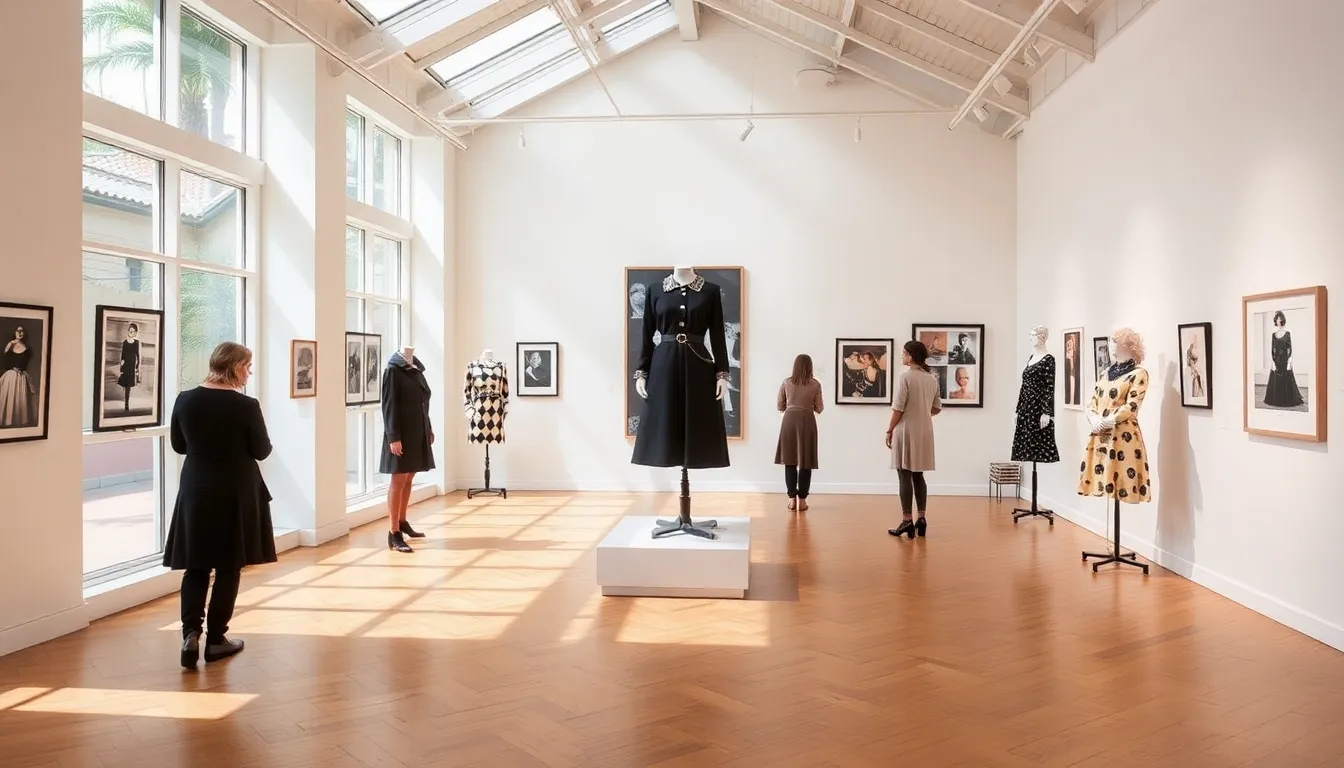
The political climate of post-World War I Europe played a crucial role in shaping the atmosphere at Chanel’s retreat. With the war’s end, a sense of disillusionment prevailed, prompting many to seek solace and inspiration in the arts. Chanel, having established herself as a revolutionary figure in fashion, leveraged this moment to cultivate an environment where creativity could flourish. Her retreat became a microcosm of the broader societal changes occurring at the time, as artists sought to redefine their identities and explore new forms of expression.
Economically, the 1920s were characterized by significant growth and affluence, particularly in France. The burgeoning middle class, along with the affluent elite, contributed to a vibrant cultural scene that embraced the arts. Chanel’s retreat not only attracted wealthy patrons but also became a symbol of luxury and exclusivity. This economic backdrop facilitated the convergence of art and fashion, allowing Chanel to collaborate with artists and musicians, further solidifying her status as a cultural icon.
A gathering place for creativity
As the years progressed, Chanel’s retreat evolved into a gathering place for some of the most influential figures in the arts. The legendary soirées hosted at her villa became legendary, blurring the lines between socializing and artistic collaboration. The informal setting allowed for spontaneous discussions that often led to innovative ideas and artistic breakthroughs. This unique blend of leisure and creativity not only enriched the lives of those who attended but also left an indelible mark on the cultural landscape of the time.
Today, Chanel’s retreat stands as a testament to the enduring legacy of a woman who not only transformed the fashion industry but also fostered a creative milieu that resonated far beyond her time. The stories of those who found inspiration within its sun-kissed walls continue to inspire new generations of artists and thinkers, underscoring the retreat’s significance in the annals of art history.
Key figures and their impact on the art scene
The art world has long been influenced by a select group of individuals and organizations, each with their own interests and agendas. In the context of Coco Chanel’s sanctuary, several key players emerge, including artists, collectors, curators, and cultural institutions. Their interactions and conflicts shape the dynamics of the art scene, particularly in relation to the vibrant and exclusive environment that Chanel cultivated.
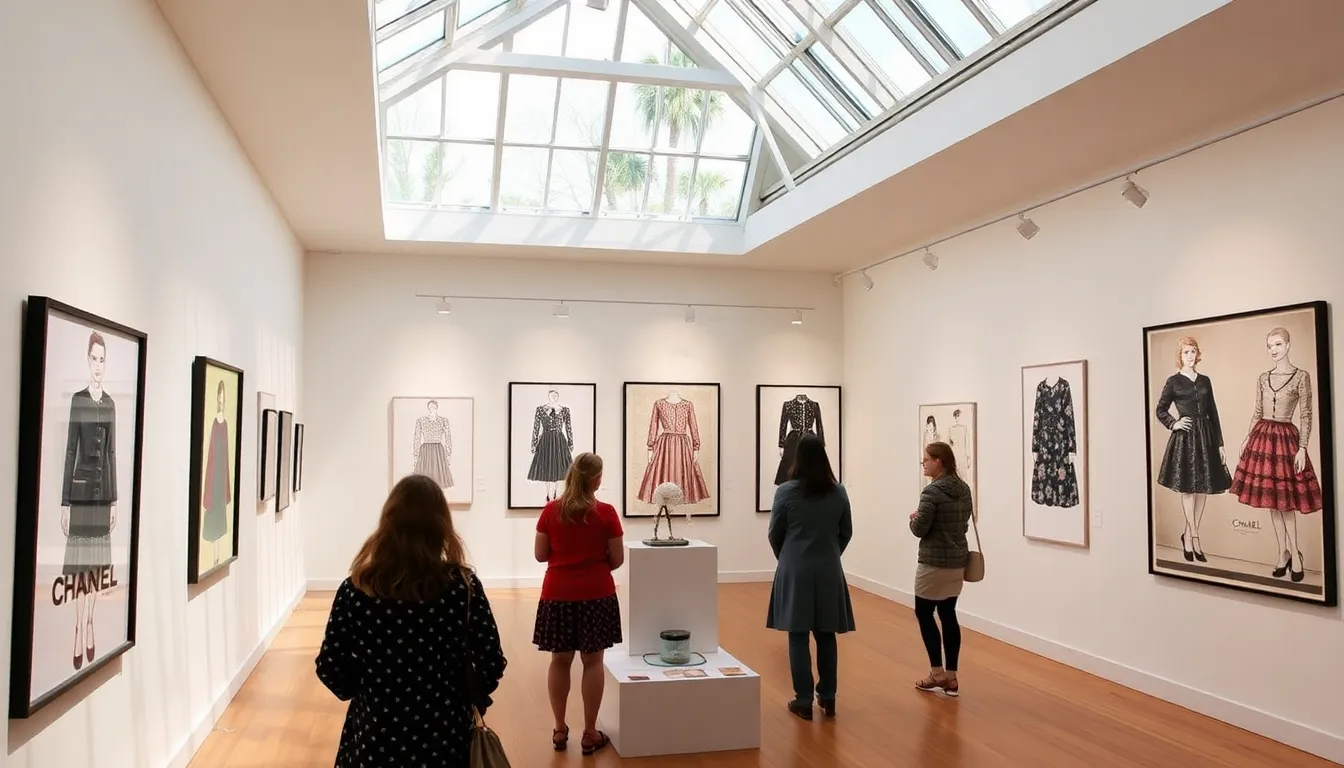
One of the primary actors in this narrative is the contemporary artist community, whose members seek both recognition and financial support. The allure of Chanel’s space as a venue for exhibitions and gatherings offers artists a unique platform to showcase their work, but it also raises questions about accessibility and exclusivity. The tension between established artists and emerging talents often plays out in these creative sanctuaries, highlighting issues of representation and opportunity.
Another significant player is the art collector, whose investments can make or break an artist’s career. Collectors often have specific tastes and preferences, which can influence the type of art that gains prominence. This dynamic can lead to conflicts, especially when the interests of collectors do not align with those of the artists. The economic implications of these relationships are profound, as the value of art is frequently dictated by market demand and the visibility provided by prestigious venues like Chanel’s.
- Conflicts of Interest: Artists may feel pressured to conform to the tastes of collectors, potentially stifling their creative expression.
- Economic Trade-offs: The exclusivity of Chanel’s venue can lead to higher prices for art, which may alienate broader audiences.
- Legal Considerations: Copyright and intellectual property issues may arise as artists navigate the commercial aspects of their work.
- Cultural Institutions: Museums and galleries may compete with private spaces for exhibitions, impacting funding and support for artists.
Lastly, governmental and non-governmental organizations play a role in shaping the art landscape through funding, regulation, and support for cultural initiatives. Their policies can either facilitate or hinder the growth of artistic communities, particularly in terms of grants and public art programs. The ongoing dialogue between these stakeholders is crucial for fostering a vibrant and inclusive art scene that honors the legacy of figures like Coco Chanel while addressing contemporary challenges.
The influence of Chanel’s sanctuary on modern art and culture
Coco Chanel’s sun-kissed sanctum has become a beacon for artists, designers, and cultural icons, drawing a diverse range of individuals from various sectors. The fashion industry, art community, and hospitality sectors are particularly affected, as they seek to align themselves with the prestige and creativity associated with Chanel’s legacy. This sanctuary not only attracts established figures but also emerging talents looking to make their mark.
In the short term, the influx of visitors and creatives to Chanel’s sanctuary can stimulate local economies, particularly in regions where the sanctuary is located. Restaurants, hotels, and art galleries may experience increased patronage, leading to a boost in business. Additionally, the heightened interest in Chanel’s influence can lead to collaborations between brands and artists, fostering innovation and creativity.
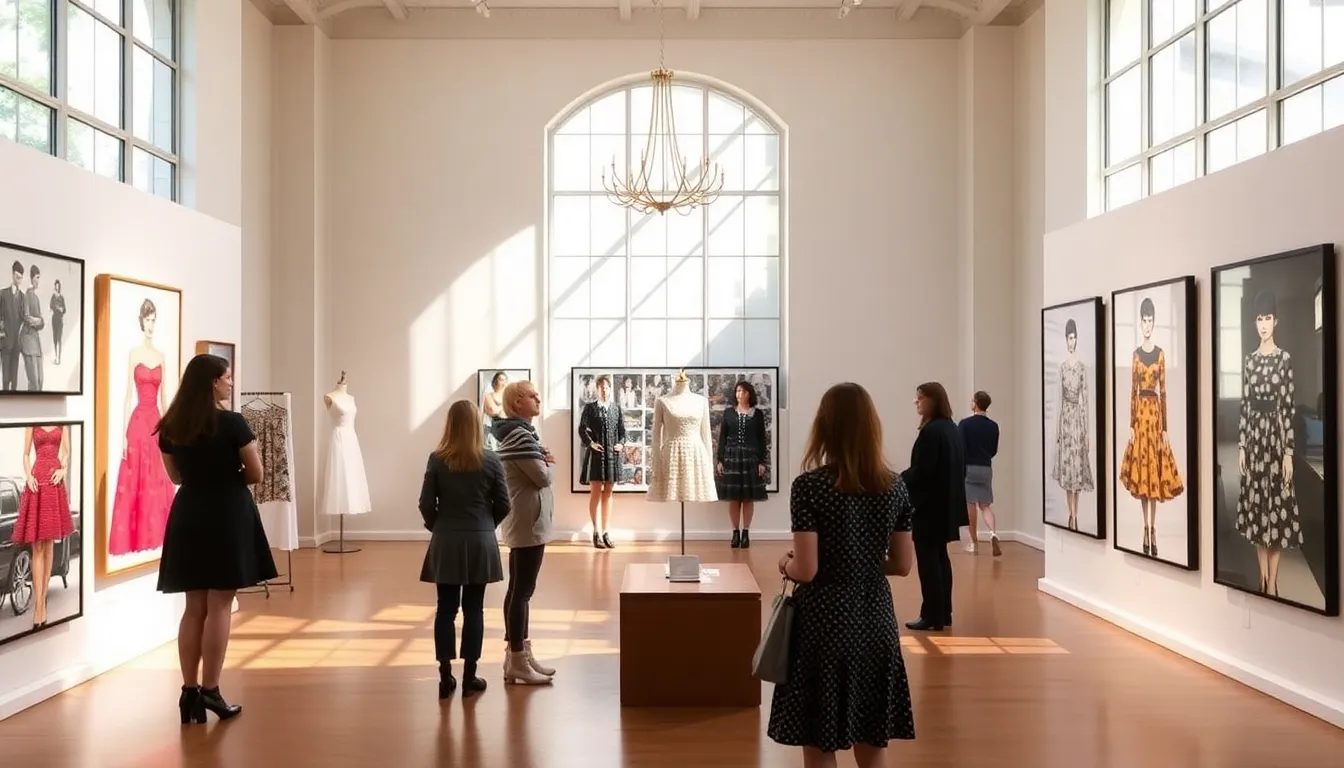
Mid-term impacts may include a shift in cultural trends, as the sanctuary becomes a reference point for style and artistic expression. This can result in new fashion lines, art exhibits, and design philosophies that are inspired by Chanel’s aesthetic. However, there are risks involved, such as the potential for commercialization of the sanctuary’s artistic vision, which could dilute its original intent and appeal.
- Economic Boost: Increased business for local hospitality and retail sectors.
- Cultural Shifts: New trends in fashion and art inspired by Chanel’s legacy.
- Collaboration Opportunities: Partnerships between brands and creatives.
- Commercialization Risks: Potential dilution of artistic integrity.
Overall, the sanctuary’s influence extends beyond its physical location, impacting global trends in art and fashion, while also posing challenges that require careful navigation to preserve its unique identity.
A: Chanel’s retreat is unique due to its blend of luxury and creativity, serving as a gathering place for influential artists and thinkers. A: Notable guests included famous artists, writers, and musicians who contributed to the vibrant cultural atmosphere of the retreat. A: Chanel influenced the art world by fostering collaborations and providing a space where creativity could flourish among diverse talents. A: Access to the sanctuary is limited, but special events and tours may occasionally be offered to the public. A: The sun-kissed location of the sanctuary inspired a relaxed yet vibrant atmosphere, essential for artistic expression and collaboration.
Frequently Asked Questions about Coco Chanel’s sanctuary
Insights into the legacy of Chanel’s artistic haven
The legacy of Coco Chanel’s sun-kissed sanctuary extends beyond its historical significance, reflecting a unique blend of art, fashion, and social interaction. This space not only served as a retreat for creative minds but also fostered collaborations that shaped cultural trends. Observing how this environment influenced the artistic community offers valuable lessons for contemporary creators seeking inspiration and connection.
As we reflect on the impact of Chanel’s haven, it becomes clear that such spaces can cultivate innovation and collaboration. The balance of leisure and creativity in these settings invites a re-examination of how modern artists and thinkers can thrive in their own environments.
- Creative Spaces Matter: The design and atmosphere of a workspace can significantly influence creativity and collaboration.
- Networking through Leisure: Informal gatherings can lead to meaningful connections and partnerships that drive artistic endeavors.
- Timeless Inspiration: Historical artistic havens can serve as blueprints for contemporary spaces aimed at fostering creativity.
- Cross-Disciplinary Collaboration: Encouraging diverse artistic fields to come together can lead to innovative outcomes.
- Embracing the Slow Pace: Allowing time for relaxation and reflection can enhance creative processes and outputs.