


This incident has prompted local health officials and animal welfare advocates to emphasize the necessity of vaccinating pets against rabies, highlighting the importance of vaccination initiatives. In the UK, rabies is largely controlled, but cases can arise from international travel, making awareness and preventive measures crucial for public health and safety.
In response to this tragedy, community leaders and organizations are launching initiatives aimed at increasing dog vaccinations. These efforts include free vaccination clinics and educational campaigns to inform pet owners about the risks of rabies and the importance of regular vaccinations.
The woman’s death serves as a sobering reminder of the potential dangers posed by rabies, a disease that remains fatal once symptoms appear. As communities rally to prevent future tragedies, the hope is that increased awareness and proactive measures will lead to higher vaccination rates among dogs, ultimately protecting both pets and their owners.
Understanding rabies and its impact on communities
Rabies is a viral disease that primarily affects mammals, including humans, and is almost always fatal once symptoms appear. Historically, rabies has been a significant public health concern, particularly in regions where stray dog populations are high and vaccination rates are low. The disease is transmitted through the saliva of infected animals, often via bites, making it a pressing issue in communities where dog ownership is prevalent and awareness of vaccination is limited.

The global response to rabies has evolved over the years, with various public health initiatives aimed at controlling the disease through vaccination and education. In many developing countries, rabies remains a leading cause of death from preventable diseases, particularly among children, emphasizing the role of organizations such as the WHO in promoting vaccination efforts.
The tragic case of a Barnsley woman who succumbed to rabies after being bitten by a dog abroad has brought renewed attention to the importance of dog vaccination campaigns. This incident not only highlights the dangers of rabies but also underscores the need for comprehensive vaccination programs in both local and international contexts.
The journey towards vaccination awareness
Over the years, various milestones have marked the fight against rabies. For instance, the introduction of the rabies vaccine in the late 19th century marked a turning point in the prevention of this deadly disease. More recently, campaigns such as World Rabies Day, established in 2007, have aimed to raise awareness and promote vaccination efforts globally. These initiatives serve to educate communities on the importance of vaccinating pets and the role of responsible pet ownership in preventing rabies outbreaks.
The Barnsley woman’s story has sparked a local movement to increase awareness and accessibility of dog vaccinations, emphasizing the need for community involvement in public health initiatives. With the support of local organizations and veterinary services, there is hope that such tragedies can be prevented in the future, fostering a culture of safety and health within communities at risk.
Key stakeholders in the fight against rabies
The tragic death of a Barnsley woman from rabies has brought attention to the urgent need for increased dog vaccination efforts. This incident has highlighted several key stakeholders involved in combating rabies, each with their own interests and challenges.
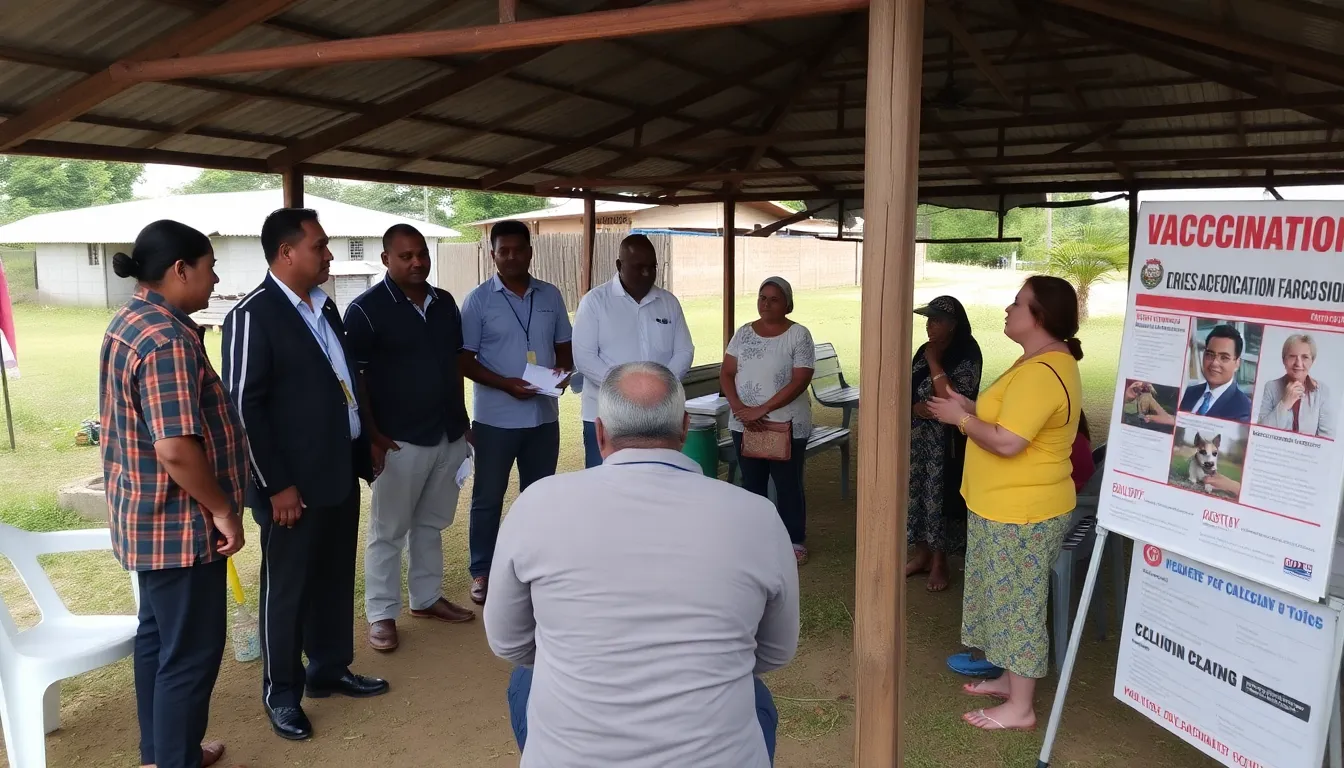
Local governments play a crucial role in public health initiatives, particularly in areas where rabies is prevalent. Their interest lies in ensuring community safety and preventing outbreaks. However, limited funding and resources can hinder their ability to implement widespread vaccination programs.
Non-governmental organizations (NGOs) focused on animal welfare and public health are also significant players in this scenario. Organizations such as the World Health Organization (WHO) and local animal rescue groups advocate for vaccination campaigns and education about rabies prevention. Their challenge is to secure adequate funding and community support for these initiatives.
- Public awareness: Increased education about rabies transmission and prevention is essential for community engagement.
- Legal issues: Regulations concerning pet ownership and vaccination compliance can vary significantly, complicating enforcement efforts.
- Economic factors: The cost of vaccination programs may deter local governments from pursuing comprehensive strategies.
- Animal rights: Balancing public health needs with animal rights concerns is a critical issue for stakeholders.
Finally, the general public, particularly pet owners, are vital stakeholders. Their participation in vaccination efforts directly impacts the success of rabies prevention strategies. However, misinformation and fear surrounding vaccinations can create barriers to compliance.
The potential effects on public health and safety
The tragic death of a Barnsley woman from rabies highlights the urgent need for increased dog vaccination efforts, impacting various groups, including pet owners, veterinary services, and local health authorities. The ripple effects of this incident are likely to be felt across communities, particularly in regions with high stray dog populations or low vaccination rates.
In the short term, pet owners may experience heightened awareness and concern regarding rabies and other zoonotic diseases. This could lead to increased demand for veterinary services as people seek to vaccinate their pets. Local businesses in the veterinary sector may see a surge in clientele, while public health campaigns may be initiated to educate communities about the importance of vaccinations.
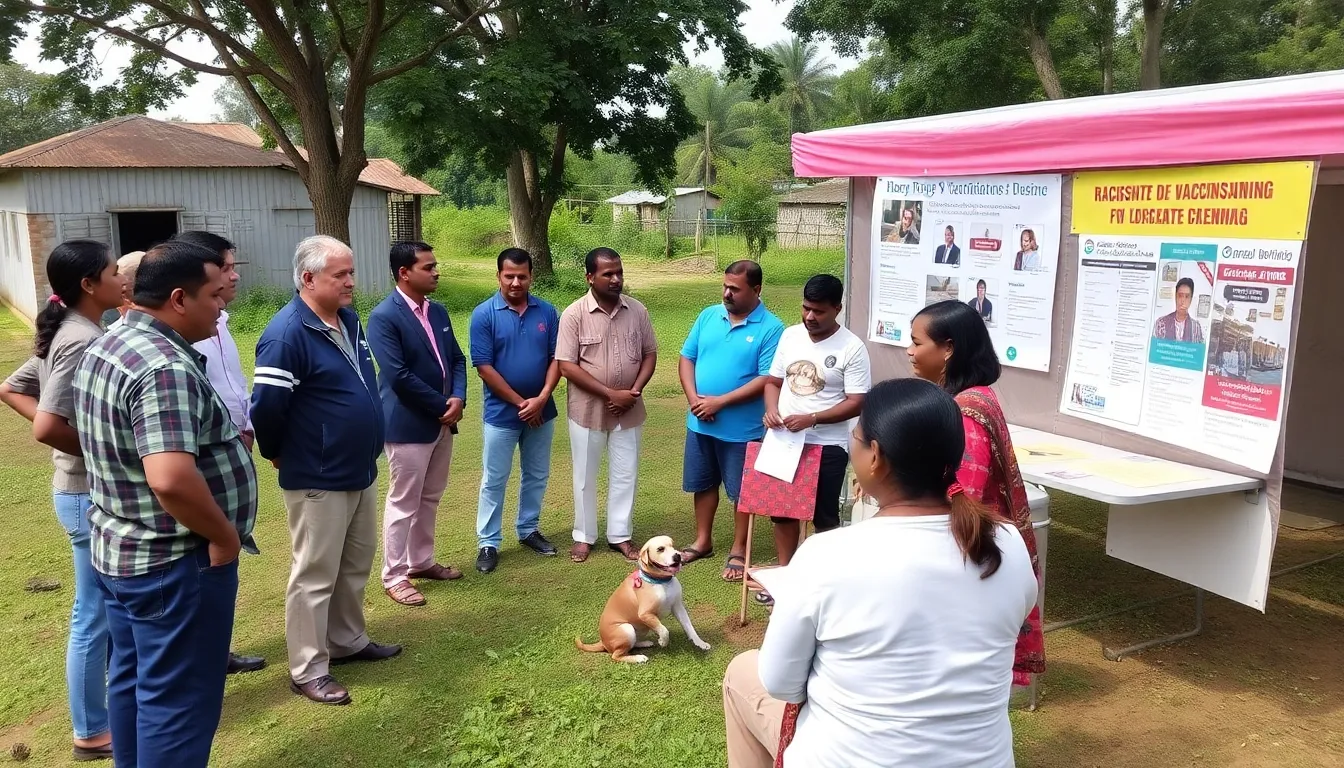
Mid-term impacts may include a shift in policy as local governments and health organizations reevaluate their animal control and vaccination strategies. This could result in stricter regulations on pet ownership and increased funding for vaccination programs, particularly in underserved areas. Additionally, collaboration between animal welfare organizations and public health departments may foster new initiatives aimed at reducing stray dog populations and ensuring higher vaccination rates.
- Increased awareness of rabies and other diseases among pet owners.
- Heightened demand for veterinary services and vaccinations.
- Policy changes regarding pet ownership and animal control.
- Opportunities for collaboration between health and animal welfare organizations.
While there are risks associated with the potential spread of rabies, the incident also presents opportunities for community engagement and education. By mobilizing resources to address vaccination gaps, communities can work towards ensuring the safety and health of both pets and humans, ultimately reducing the risk of similar tragedies in the future.
A: Rabies is a viral disease that affects the central nervous system and is typically transmitted through bites from infected animals. It can be fatal if not treated promptly. A: The most effective way to prevent rabies in dogs is through vaccination. Regular vaccinations and avoiding contact with wild animals are crucial. A: If your dog is bitten, seek veterinary care immediately. The vet may recommend a rabies booster and monitor your dog for symptoms. A: While most dogs tolerate the rabies vaccine well, some may experience mild side effects such as swelling at the injection site or lethargy. A: You can participate by volunteering with local animal shelters or organizations that focus on vaccination drives and public education.
Frequently asked questions about rabies and vaccination
Looking ahead: The importance of dog vaccination initiatives
The tragic loss of a Barnsley woman to rabies has sparked a renewed focus on the critical need for dog vaccination programs. This incident underscores the potential dangers of unvaccinated animals and highlights the vital role that community initiatives can play in preventing such diseases. As awareness grows, it is essential to channel this momentum into actionable steps that can protect both human and animal health.
Investing in dog vaccination initiatives not only addresses immediate health risks but also fosters a culture of responsibility among pet owners. By prioritizing these programs, communities can work towards eradicating rabies and similar diseases, ensuring safer environments for everyone. The response to this tragedy can serve as a catalyst for change, promoting proactive measures in animal health care.
- Community Engagement: Local organizations should mobilize to raise awareness about the importance of dog vaccinations.
- Accessible Vaccination Clinics: Establishing low-cost or free vaccination clinics can significantly increase participation among pet owners.
- Education Campaigns: Informing the public about rabies and the benefits of vaccination can lead to higher compliance rates.
- Collaboration with Veterinarians: Partnerships with veterinary professionals can enhance outreach and provide expert guidance on vaccination protocols.
- Monitoring and Reporting: Implementing systems to track vaccination rates can help identify areas needing more support and resources.