


The Black Cats employed a disciplined and aggressive defensive approach, effectively neutralizing Haaland’s impact on the game. Sunderland’s defenders, led by captain Luke O’Nien, executed a well-coordinated marking system that limited the Norwegian’s scoring opportunities, a feat that many teams have struggled to achieve this season. This tactical brilliance echoes the importance of strategy in football, as highlighted in our article on the significance of sports strategy.
This victory is significant not only for Sunderland, who have been striving to establish themselves in the higher tiers of English football, but also for Manchester City, who faced criticism for their inability to break down a resolute defense. The defeat raises questions about City’s tactics and adaptability against teams that employ a more cautious game plan.
The match also highlighted the growing competitiveness of the EFL Cup, where lower-league teams are increasingly challenging top-flight clubs. Sunderland’s success serves as a reminder that in football, determination and strategy can often outweigh sheer talent, making this upset a pivotal moment in the current season.
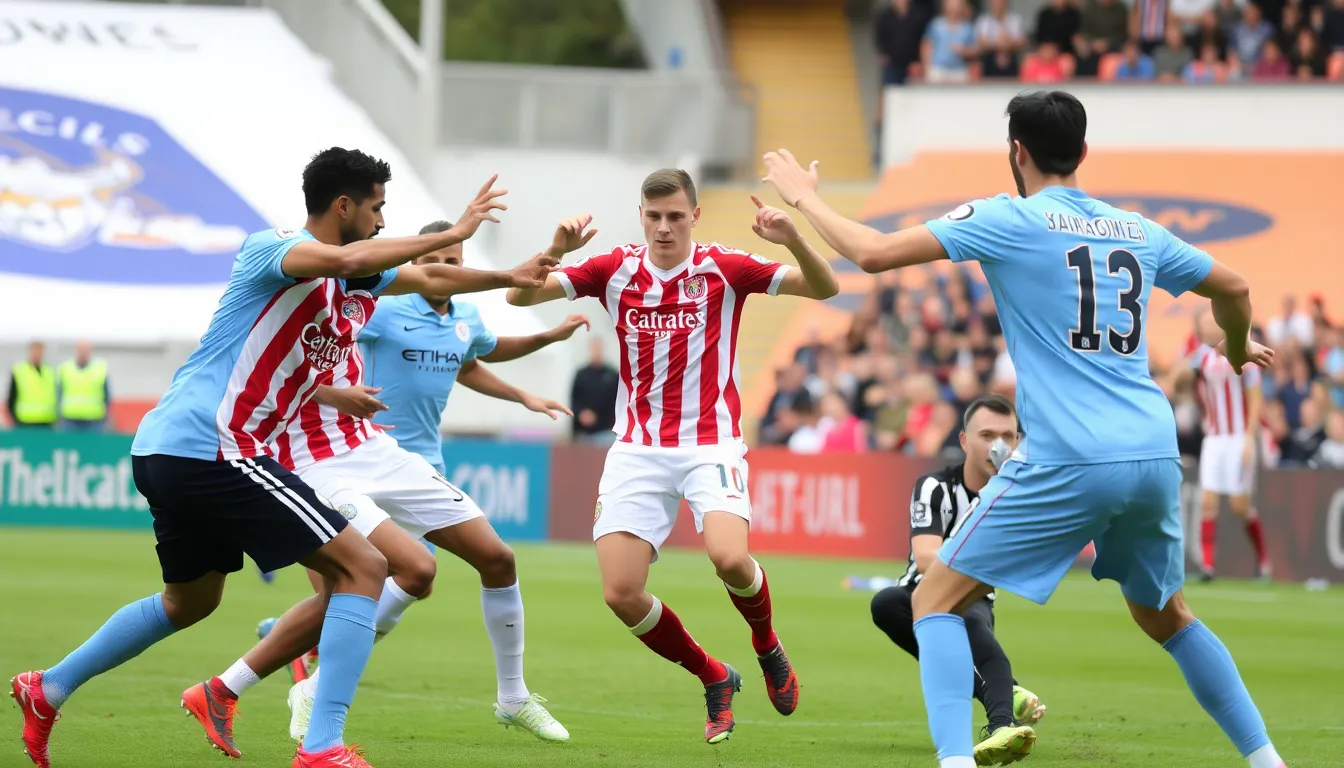
Understanding the significance of the match
The recent clash between Sunderland and Manchester City was not just another fixture in the football calendar; it represented a significant moment in the ongoing narrative of English football. Historically, Sunderland has been a club with a rich heritage, often overshadowed by the financial powerhouses of the Premier League. The match epitomized the classic David versus Goliath scenario, where Sunderland’s tactical acumen and determination were put to the test against a team boasting some of the world’s best talents, including Erling Haaland.
This encounter was set against a backdrop of shifting dynamics in the football world. In recent years, the financial disparity between clubs has widened, with teams like Manchester City benefiting from substantial investments. This economic imbalance has often left traditional clubs like Sunderland struggling to compete at the highest level. However, Sunderland’s recent resurgence in form and strategy showcased their ability to challenge the status quo, making this match particularly significant.
Key milestones in Sunderland’s history, such as their multiple league titles and the passionate support of their fanbase, have contributed to a resilient identity. The club’s ability to bounce back from relegation and financial difficulties has galvanized a renewed sense of purpose, culminating in performances that defy expectations. This match against Manchester City was not just about points; it was a statement of intent, demonstrating that with the right approach and mindset, even the most formidable opponents can be challenged.
The tactical approach
Sunderland’s tactical setup for the match was a calculated response to Manchester City’s attacking prowess. By employing a disciplined defensive strategy, Sunderland aimed to neutralize Haaland and the City’s dynamic playmakers. This approach, rooted in a deep understanding of their opponent’s strengths and weaknesses, allowed Sunderland to effectively disrupt City’s rhythm and create opportunities to counterattack. Such strategies have historical precedence, illustrating how underdogs can leverage tactical ingenuity to level the playing field in high-stakes encounters, akin to the underdog stories found in college football.
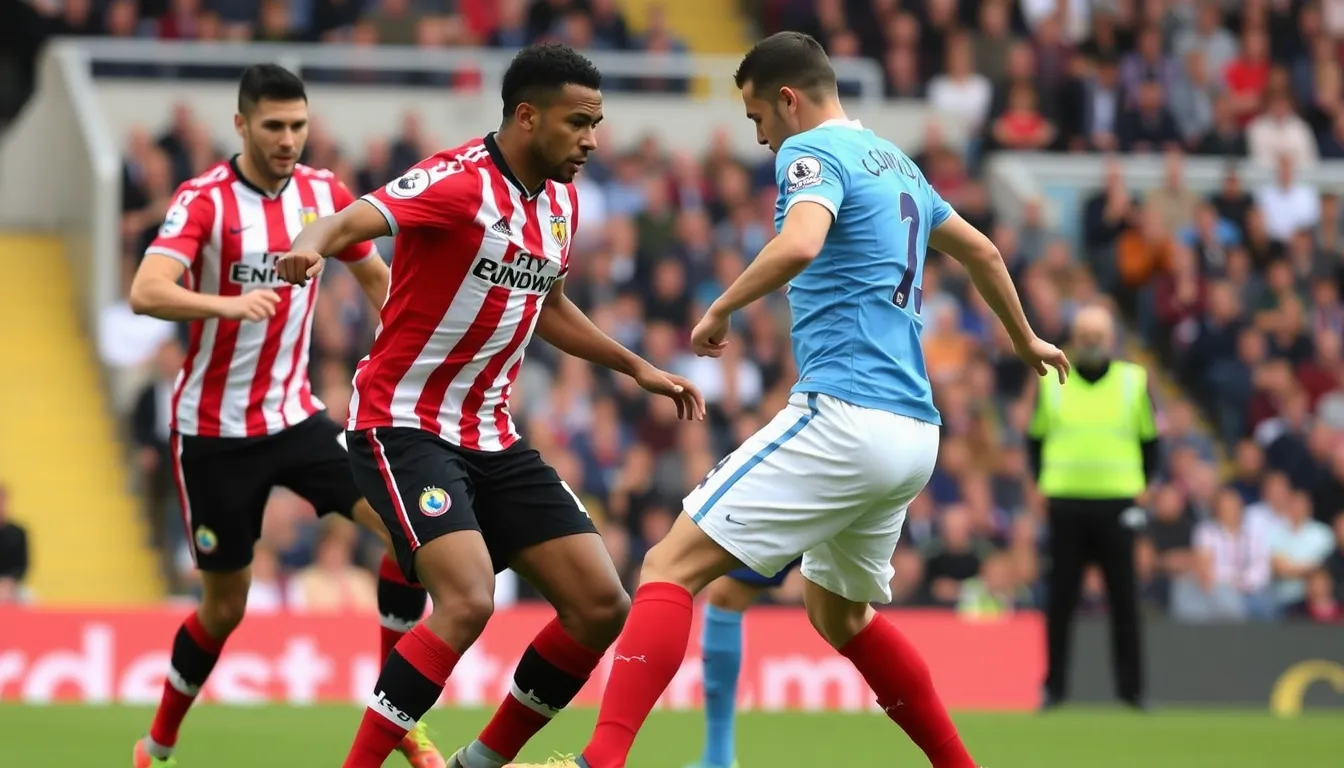
Key strategies employed by Sunderland’s defense
Sunderland’s recent match against Manchester City showcased a remarkable defensive performance that effectively neutralized the threats posed by star striker Erling Haaland. The main actors involved in this encounter included Sunderland’s coaching staff, the players, and Manchester City’s formidable attacking lineup. Each party had distinct interests: Sunderland aimed to secure a vital point in their quest for survival in the league, while Manchester City sought to maintain their title challenge.
A primary strategy employed by Sunderland was their disciplined organization at the back. The defensive line maintained a compact shape, minimizing the spaces for Haaland to exploit. This approach not only mitigated the direct threats from the Norwegian forward but also reduced the overall effectiveness of City’s attacking movements. The coaching staff, led by their manager, emphasized the importance of collective responsibility in defending against high-caliber opponents.
Another key aspect of Sunderland’s strategy was their ability to press effectively when necessary. By applying pressure in midfield, Sunderland disrupted City’s rhythm and forced them into making hurried decisions. This tactic not only limited the service to Haaland but also allowed Sunderland to regain possession and launch counter-attacks. The balance between pressing and maintaining defensive solidity proved crucial in their game plan.
- Physicality: Sunderland’s defenders utilized their physical presence to challenge City’s attackers, particularly in aerial duels.
- Communication: Effective communication among defenders ensured that players were aware of Haaland’s positioning, allowing for timely interventions.
- Adaptability: Sunderland showed adaptability by switching formations during the match, which kept City guessing and off-balance.
- Counter-attacking opportunities: By absorbing pressure, Sunderland capitalized on moments to counter, creating scoring chances of their own.
In terms of economic implications, Sunderland’s defensive success not only boosts their morale but also has potential financial benefits. A strong performance against a top team like Manchester City can enhance the club’s reputation, attract sponsorships, and improve ticket sales for future matches. Conversely, Manchester City’s inability to secure a win may raise concerns about their attacking depth, especially if they struggle against well-organized defenses in future fixtures. This dynamic also parallels the changes in the sports industry discussed in our coverage of FIFA’s upcoming plans.
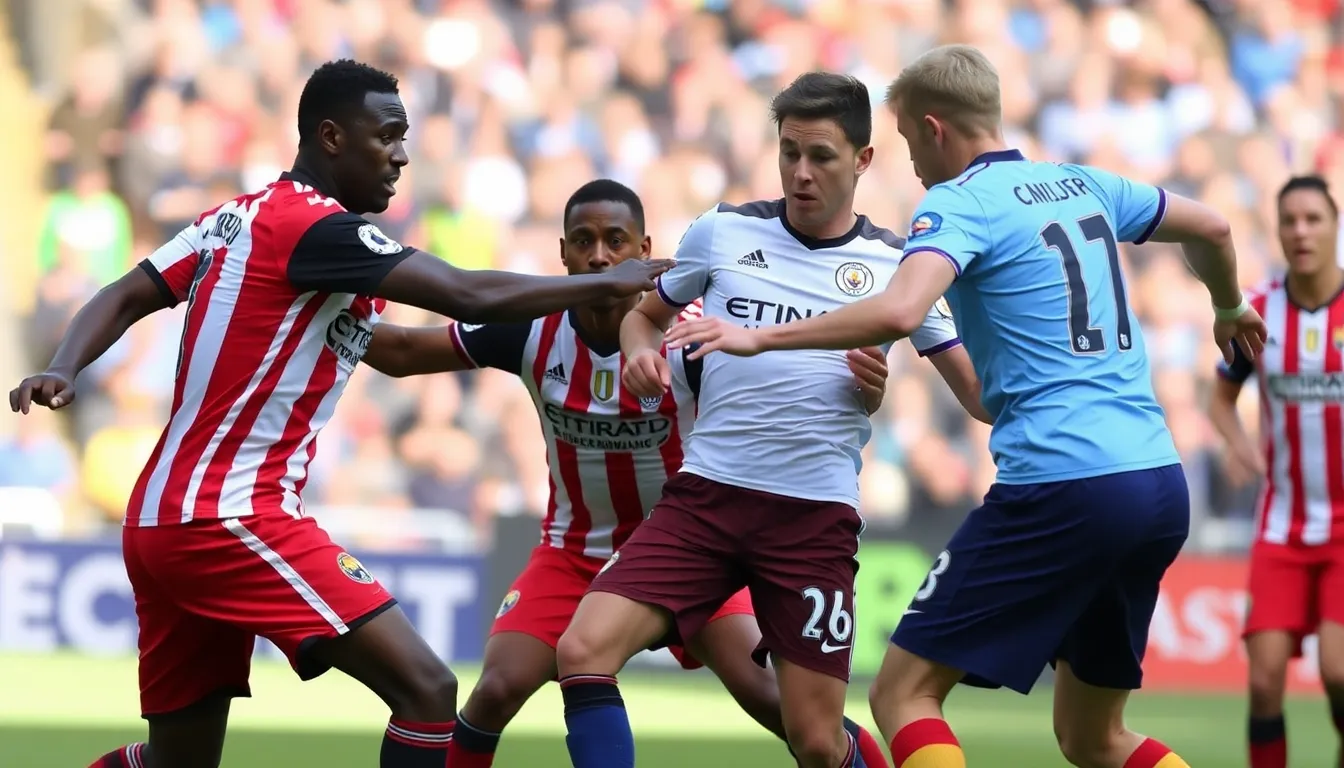
The implications of Sunderland’s win for the league
The recent victory of Sunderland over Manchester City has sent ripples through various groups and industries connected to football. Fans, players, and club management are all feeling the ramifications of this unexpected outcome. The win not only boosts Sunderland’s morale but also raises questions about the competitive balance within the league.
In the short term, Sunderland’s triumph may invigorate their fan base, leading to increased attendance in upcoming matches and heightened merchandise sales. Local businesses around the stadium could see a surge in customer traffic, benefiting from the excitement surrounding the team’s performance. Conversely, Manchester City fans and stakeholders may experience disappointment, leading to a temporary decline in their engagement with the club.
In the mid-term, the implications of this match could influence team strategies across the league. Other clubs may take note of Sunderland’s defensive tactics against a formidable opponent, prompting a shift in how they approach games against top-tier teams. This could lead to a more competitive environment, resulting in fewer predictable outcomes and potentially more thrilling matches for fans.
- Increased fan engagement: Sunderland’s win may lead to higher attendance and merchandise sales.
- Shift in tactical approaches: Teams may adopt similar defensive strategies to challenge stronger opponents.
- Economic impact: Local businesses near Sunderland’s stadium could benefit from increased match-day traffic.
- Potential for upsets: Other teams may feel encouraged to challenge the status quo, leading to more unpredictable results.
However, there are risks involved as well. Manchester City may reassess their strategies and invest even more resources into their squad, making them a stronger contender in the future. Additionally, the pressure on Sunderland to maintain their performance could create challenges in sustaining momentum and managing player expectations.
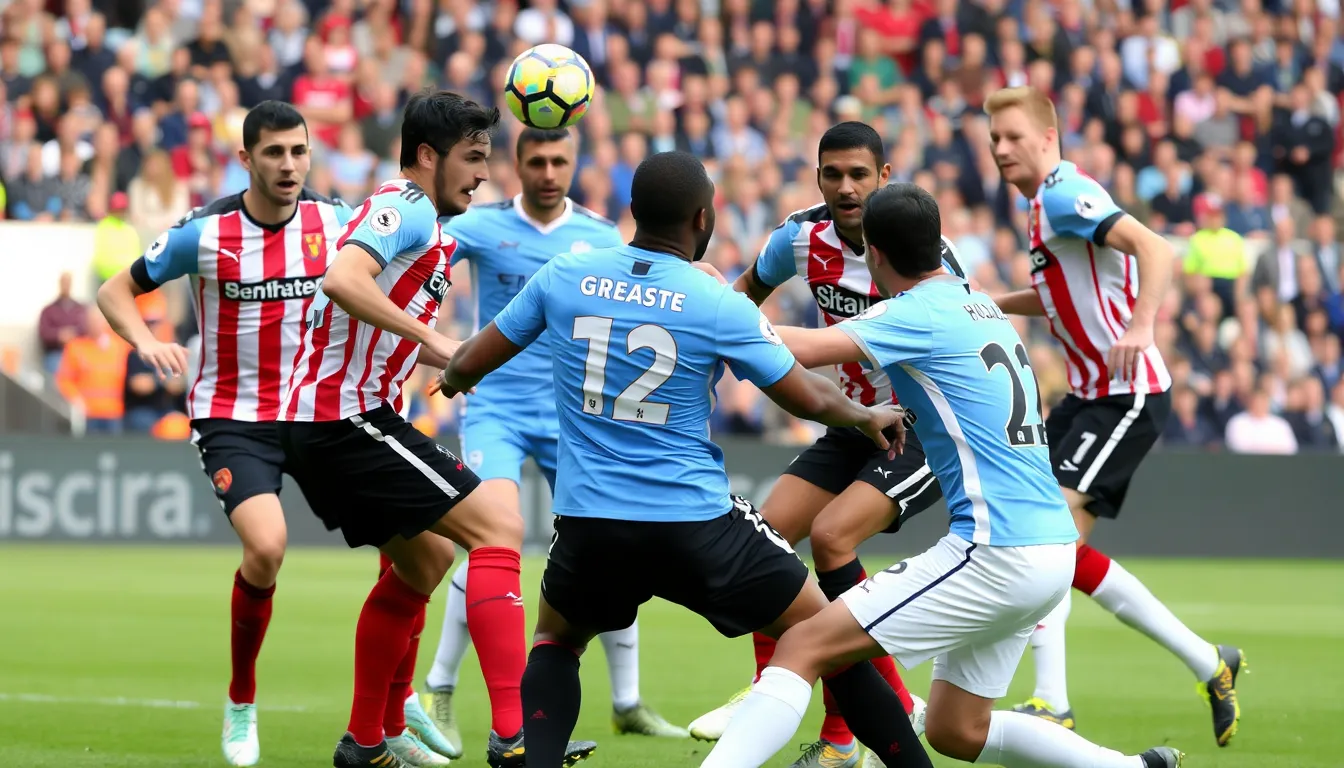
Frequently asked questions about the match
A: Sunderland implemented a tight marking strategy and utilized effective communication among defenders to limit Haaland’s movement and opportunities.
A: Sunderland won the match against Manchester City with a score of 2-1, showcasing their strong defensive performance.
A: This victory boosts Sunderland’s confidence and positions them favorably in the league standings, potentially impacting their chances for promotion.
A: Manchester City expressed disappointment but acknowledged the need to improve their finishing and defensive strategies in future matches.
Key takeaways and future outlook for both teams
The match between Sunderland and Manchester City showcased a tactical approach that could serve as a blueprint for other teams aiming to neutralize top-tier strikers like Erling Haaland. Sunderland’s disciplined defense and strategic pressing not only disrupted City’s rhythm but also highlighted potential vulnerabilities in their attacking setup. As both teams look ahead, the implications of this encounter could influence their strategies in upcoming fixtures.
For Sunderland, the success against a formidable opponent like City may bolster their confidence and serve as a catalyst for improved performances in the league. Conversely, Manchester City will need to reassess their tactics to ensure they remain a dominant force, particularly in high-stakes matches. Observing how these teams adapt will be crucial in the weeks to come.
- Sunderland’s defensive strategy could inspire other teams to adopt similar tactics against high-scoring opponents.
- Manchester City’s response to this setback may reveal adjustments in their attacking play, especially in utilizing space and exploiting defensive weaknesses.
- The impact of Sunderland’s victory on their morale could lead to a more resilient and competitive squad moving forward.
- Future matchups will be telling in how both teams evolve their gameplay based on this encounter.
- Monitoring player performances, particularly in defense for Sunderland and attack for City, will provide insights into their adaptability in the league.